 EN


Effective waste management in restaurant kitchens directly impacts operational efficiency, food safety, and customer satisfaction. Restaurant trash bins serve as a critical foundation for organizing waste streams, reducing contamination risks, and maintaining compliant kitchen environments. When properly selected and deployed, restaurant trash bins become instrumental in transforming how kitchens handle daily waste challenges.
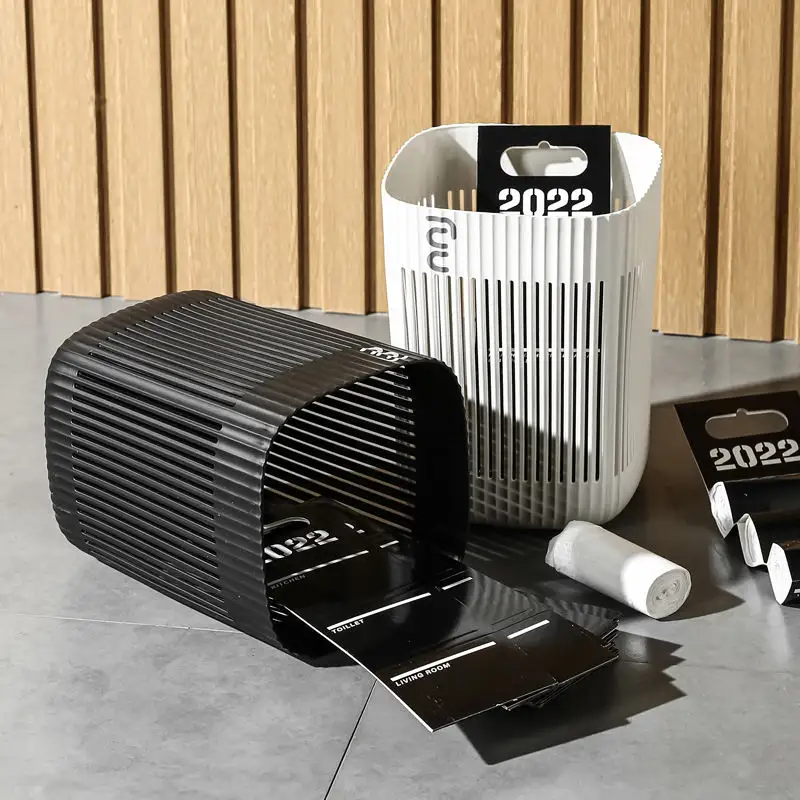
Restaurant trash bins are more than simple containers. They represent a systematic approach to waste segregation, odor control, and sanitation compliance. By understanding how restaurant trash bins function within a broader waste management strategy, kitchen managers can eliminate bottlenecks, reduce labor costs, and maintain the highest hygiene standards that health inspectors and diners expect.
Organizing Waste Streams Through Strategic Bin Placement
Separating Organic and Recyclable Waste
Restaurant trash bins designed with color coding and clear labeling enable staff to segregate organic food waste from recyclable materials in real time. This separation reduces contamination and simplifies downstream disposal processes. Many restaurants deploy multiple restaurant trash bins at prep stations, cooking areas, and dish washing zones to minimize handling distances. Strategic placement of restaurant trash bins encourages consistent use and prevents waste from accumulating on work surfaces, which compromises both cleanliness and workflow efficiency.
When restaurant trash bins are positioned logically throughout the kitchen, staff spend less time searching for disposal options and more time on food preparation. This operational streamlining directly reduces labor waste and improves kitchen throughput during peak service hours. Proper bin organization also prevents cross-contamination between food preparation zones and waste collection areas.
Reducing Overflow and Service Disruptions
Appropriately sized restaurant trash bins with sufficient capacity prevent frequent overflow incidents that disrupt kitchen operations. High-volume kitchens benefit from restaurant trash bins with secure lids that contain odors and prevent spills during busy service periods. When bins are consistently emptied before reaching capacity, waste management becomes predictable and integrated into standard kitchen routines rather than an emergency response.
Overflow also creates safety hazards for staff who may trip over scattered waste or be exposed to contaminated spills. By maintaining restaurant trash bins at manageable levels, kitchens reduce accident risk and improve the working environment for all team members.
Enhancing Hygiene and Food Safety Compliance
Controlling Odors and Pest Prevention
Restaurant trash bins equipped with tight-fitting lids and secure closures prevent odors from attracting pests and contaminating food preparation areas. Health codes mandate that waste containers remain covered and accessible for easy cleaning. Well-maintained restaurant trash bins with swing or push-lid mechanisms encourage proper closure after each use, creating a barrier against airborne bacteria and insects. This containment function is essential for maintaining food safety certifications and passing health inspections.
Rodents and flies are drawn to exposed food waste, and their presence in kitchens represents a critical violation in most jurisdictions. Sealed restaurant trash bins eliminate this risk by keeping waste inaccessible to pests. The investment in quality restaurant trash bins directly translates to fewer pest-related incidents and stronger health compliance records.
Simplifying Sanitation and Deep Cleaning
Modern restaurant trash bins are designed for easy cleaning and drainage, allowing staff to maintain sanitary conditions without extended downtime. Plastic restaurant trash bins with removable liners and washable interiors support daily sanitization protocols. When restaurant trash bins are constructed from durable, non-porous materials, they resist bacterial growth and can withstand commercial dishwashing equipment, ensuring thorough decontamination between use cycles.
Sanitation protocols for restaurant trash bins should align with HACCP principles and local food service regulations. Easy-to-clean bins encourage staff compliance because maintenance becomes a simple, integrated task rather than a time-consuming burden.
Optimizing Operational Costs and Sustainability
Reducing Waste Disposal Expenses
By using restaurant trash bins that facilitate waste segregation, kitchens can divert organic waste to composting programs or recover recyclable materials that offset disposal costs. Many waste management providers offer reduced rates for separated waste streams compared to mixed waste disposal. Restaurant trash bins that enable this sorting directly improve a facility's bottom line by converting waste management from a pure cost center into a revenue or savings opportunity.
Proper waste organization through restaurant trash bins also reduces the frequency of waste hauling and associated transportation expenses. Fewer, better-organized pickups mean lower overall disposal service fees and reduced environmental impact from collection logistics.
Supporting Environmental Responsibility
Restaurant trash bins that support waste reduction initiatives align operations with sustainability commitments that customers and investors increasingly expect. Segregating waste through properly deployed restaurant trash bins enables participation in recycling and composting programs, reducing landfill contributions. This environmental responsibility strengthens brand reputation and can attract eco-conscious clientele who value establishments demonstrating genuine sustainability practices.
Using restaurant trash bins as part of a comprehensive waste strategy demonstrates operational maturity and commitment to responsible business practices beyond immediate profitability.
FAQ
What capacity should restaurant trash bins have for a high-volume kitchen?
High-volume kitchens typically require restaurant trash bins with 40–60 liter capacity at prep stations and cooking areas, with larger 100+ liter bins designated for final waste collection points. Capacity depends on service frequency, menu complexity, and waste composition. Consulting with your waste management provider helps determine optimal restaurant trash bins sizing for your specific operation.
How often should restaurant trash bins be emptied during service?
Restaurant trash bins should be emptied whenever they reach approximately 75–80% capacity, typically multiple times during peak service hours in busy kitchens. Frequent emptying prevents overflow, reduces odors, and maintains workspace cleanliness. Establishing a scheduled bin-check routine ensures consistent compliance and prevents disruptions caused by overflowing restaurant trash bins during critical food preparation periods.
Are there specific regulatory requirements for restaurant trash bins?
Yes, health department regulations mandate that restaurant trash bins be covered, easily cleanable, and constructed from non-absorbent materials. Local food codes also require adequate bin capacity and frequency of waste removal to prevent contamination risks. Always verify specific requirements with your local health department and ensure your restaurant trash bins meet all applicable sanitation standards and waste segregation regulations.