 EN

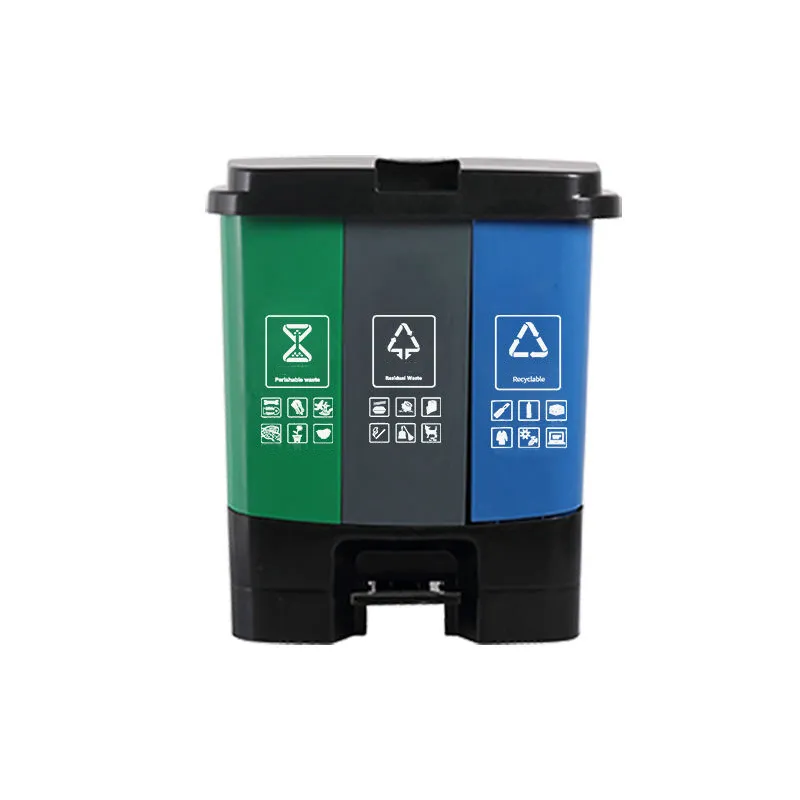
Effective waste management is a cornerstone of modern commercial kitchen operations, and restaurant trash bins play a critical role in achieving this goal. Proper waste sorting directly impacts operational efficiency, regulatory compliance, and environmental responsibility. When kitchens lack organized waste disposal systems, staff struggle to separate recyclables, compostables, and general waste, leading to inefficiencies and potential contamination issues. The right restaurant trash bins system transforms how commercial kitchens handle waste daily, creating clear sorting pathways that reduce confusion and streamline the entire disposal process.
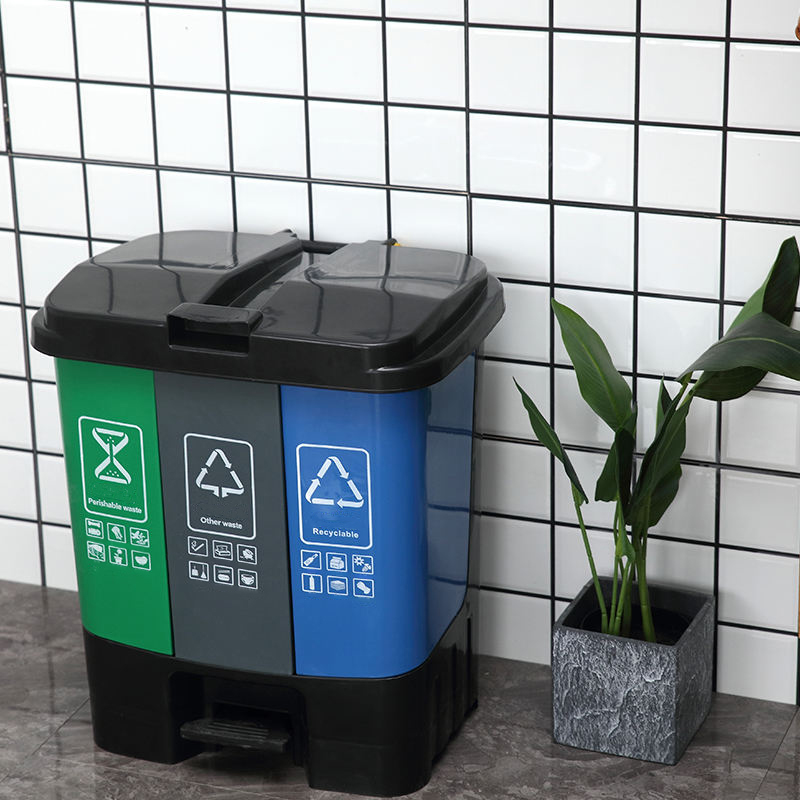
Commercial kitchens generate substantial waste volumes daily, from food scraps to packaging materials and oils. Without structured waste sorting solutions, this waste becomes a management liability. Restaurant trash bins designed with multiple compartments create a framework for immediate source separation, allowing kitchen staff to categorize waste at the point of origin. This practice not only minimizes landfill contribution but also reduces the time and labor required for downstream waste processing, directly improving kitchen productivity and cost efficiency.
Understanding the Role of Restaurant Trash Bins in Waste Sorting
How Multi-Compartment Systems Organize Kitchen Waste
Multi-compartment restaurant trash bins provide designated spaces for different waste streams, eliminating ambiguity about where items belong. A typical commercial kitchen setup includes separate compartments for general waste, organic food waste, recyclable materials, and sometimes specialized containers for cooking oils or hazardous materials. By assigning specific compartments to each waste category, restaurant trash bins ensure that staff follow consistent sorting protocols without needing to make complex decisions during their busy shift. This clarity reduces contamination, making downstream waste processing significantly more effective and cost-efficient.
The Impact of Clear Labeling and Accessibility
Effective restaurant trash bins include clear visual labeling that identifies each compartment's purpose using text, colors, and icons. Accessibility is equally important; bins positioned at convenient locations throughout the kitchen encourage staff compliance. When restaurant trash bins are difficult to access or poorly labeled, even well-intentioned employees default to throwing everything into the nearest container. Strategic placement near prep stations, cooking areas, and dishwashing sections ensures that waste sorting becomes part of the natural workflow rather than an afterthought.
Key Benefits of Implementing Proper Restaurant Trash Bins Systems
Regulatory Compliance and Health Code Standards
Health departments and environmental agencies impose strict waste management requirements for commercial kitchens. Restaurant trash bins that meet these standards help establishments maintain compliance without dedicated oversight. Proper segregation of food waste from recyclables and general refuse prevents cross-contamination and reduces the risk of health code violations. Many jurisdictions now mandate waste sorting, particularly for organic materials and recyclable streams. By investing in appropriate restaurant trash bins, kitchens demonstrate commitment to compliance and avoid costly fines or operational disruptions from inspections.
Environmental and Sustainability Goals
The restaurant industry faces growing pressure to reduce its environmental footprint. Restaurant trash bins that facilitate waste sorting directly support sustainability initiatives by maximizing diversion rates from landfills. When organic waste is properly separated, it can enter composting programs that benefit local agriculture. Similarly, segregating recyclables ensures these materials enter recovery streams rather than contaminating waste processing facilities. This approach aligns restaurant operations with consumer expectations and corporate sustainability commitments, often resulting in positive brand recognition and customer loyalty among environmentally conscious diners.
Operational Efficiency and Cost Reduction
Well-organized restaurant trash bins reduce labor costs and operational overhead significantly. When waste is sorted at the source, facilities avoid expensive manual separation downstream or paying premium rates for contaminated loads. Many waste management providers offer reduced pricing for pre-sorted materials, creating direct savings. Additionally, organized waste systems improve space utilization within kitchens by preventing waste overflow and the need for additional temporary containers. The time kitchen staff saves on waste management can be redirected toward food preparation and customer service, directly improving profitability.
Implementing Restaurant Trash Bins for Maximum Impact
Selection and Design Considerations
Choosing restaurant trash bins requires evaluating kitchen layout, waste volume, and local regulations. Commercial-grade materials like food-safe plastic or stainless steel ensure durability under demanding kitchen conditions. Compartment sizes should match actual waste ratios; for instance, a kitchen generating significant food waste needs proportionally larger organic waste compartments. Mobility features, such as wheels or handles, facilitate easier movement for cleaning and waste removal. Additionally, restaurant trash bins should accommodate standard garbage bags and integrate seamlessly with existing waste removal schedules and equipment.
Staff Training and Protocol Development
Installing restaurant trash bins is only effective when paired with comprehensive staff training. Kitchen teams need to understand not only where items go but why proper sorting matters for operations, compliance, and sustainability. Initial training should be followed by periodic refreshers, especially when new staff members join or waste categories change. Visual aids posted near restaurant trash bins serve as constant reminders and reference points. When employees understand the business rationale behind waste sorting, they become advocates for the system rather than viewing it as an inconvenience, leading to higher compliance rates and more consistent results.
FAQ
How do restaurant trash bins reduce waste management costs?
Restaurant trash bins reduce costs by enabling source separation that eliminates expensive downstream processing, lowers disposal fees through reduced contamination, and often qualifies materials for waste provider discounts. Pre-sorted waste streams command lower tipping fees, and the labor saved from not sorting waste manually redirects resources to revenue-generating kitchen activities. Over time, these cumulative savings substantially offset the initial investment in quality bins.
What is the typical lifespan of commercial restaurant trash bins?
Durable commercial-grade restaurant trash bins typically last five to seven years with proper maintenance, depending on material quality and kitchen volume. High-traffic kitchens may require replacement sooner due to wear, while well-maintained systems in smaller establishments can last longer. Regular cleaning, lid repairs, and prompt replacement of damaged compartments extend overall system lifespan and maintain sorting effectiveness throughout the bins' operational life.
Can restaurant trash bins adapt to changing waste streams?
Most modular restaurant trash bins allow compartment reconfiguration to accommodate changing waste types as menus or regulations evolve. Relabeling compartments and adjusting sizes is typically straightforward, making the system flexible for growing kitchens or those shifting toward new sustainability goals. This adaptability ensures restaurant trash bins remain relevant as operational needs change over months or years.