 EN

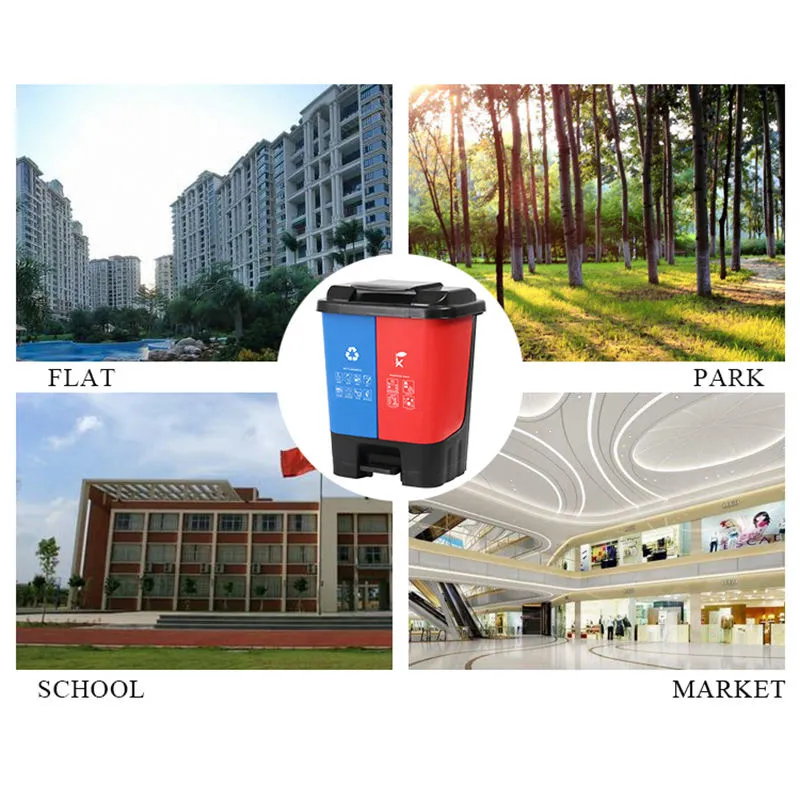
Restaurant trash bins are far more than simple receptacles for discarded food and packaging. They form a critical foundation for maintaining sanitary conditions, ensuring regulatory compliance, and streamlining daily operations across food service establishments. Effective waste management through properly chosen restaurant trash bins directly impacts kitchen hygiene, staff safety, customer perception, and operational efficiency. Understanding how restaurant trash bins support these multiple dimensions helps operators make informed decisions that protect their business while creating a cleaner environment for both employees and diners.
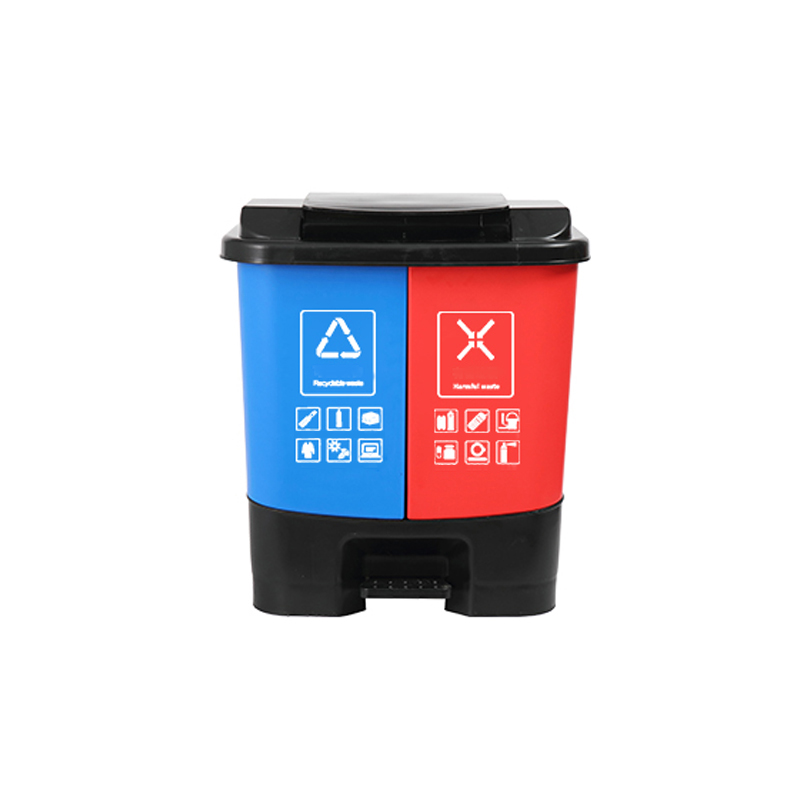
The relationship between quality waste containers and operational success runs deeper than most restaurant managers initially realize. When restaurant trash bins are strategically selected and properly maintained, they prevent cross-contamination, reduce odor problems, minimize pest attraction, and facilitate faster cleanup routines. These improvements cascade throughout the entire business, lowering labor costs, reducing health code violations, and enhancing the dining experience.
Sanitation Standards and Health Code Compliance
Meeting Regulatory Requirements
Health departments establish strict guidelines for how commercial waste must be contained and handled. Restaurant trash bins must meet specific material standards, size requirements, and design features that prevent contamination and pest access. Non-compliant containers create serious liability, as they invite health inspections, fines, and potential closure orders. Choosing restaurant trash bins that explicitly comply with local and federal food service standards protects your establishment from regulatory penalties while demonstrating commitment to food safety.
Preventing Cross-Contamination
Food waste disposal requires absolute separation from other waste streams to prevent bacterial transfer, chemical contamination, and allergen cross-contact. Properly designed restaurant trash bins feature sealed lids, secure closures, and materials that resist liquid seepage and odor escape. These features ensure that raw food scraps remain isolated from preparation areas, reducing pathogen spread and protecting immunocompromised customers from serious health risks. Clean, well-maintained restaurant trash bins directly prevent foodborne illness incidents that devastate restaurant reputations.
Operational Efficiency and Labor Productivity
Streamlining Waste Handling Workflows
Kitchen staff spend significant time managing waste during food preparation, cooking, and cleaning cycles. Strategically placed restaurant trash bins reduce distances traveled, lower the frequency of disposal trips, and enable faster cleanup between service periods. Containers with ergonomic lids, sturdy construction, and smooth interiors allow staff to dispose of waste quickly without spills, splashing, or physical strain. This efficiency gain directly reduces labor hours spent on waste management, freeing staff for higher-value customer service tasks and food preparation work.
Reducing Spills and Cross-Floor Contamination
Overflowing or poorly sealed restaurant trash bins create dangerous conditions throughout the facility. Food scraps, grease, and liquids spill onto floors, creating slip hazards that cause staff injuries and customer accidents. Wet floors also accelerate the growth of bacteria and mold, requiring more frequent deep cleaning and increasing maintenance costs. Quality restaurant trash bins with adequate capacity and tight-sealing lids virtually eliminate these problems, keeping dining areas, kitchen floors, and storage spaces significantly cleaner and safer for everyone present.
Odor Control and Pest Prevention
Managing Food Odors
Restaurant environments generate intense food odors from decaying organic matter, fat oxidation, and bacterial decomposition. These odors infiltrate dining areas, damage customer perception, and create uncomfortable working conditions for kitchen staff. Modern restaurant trash bins incorporate sealed designs, antimicrobial materials, and ventilation features that dramatically reduce odor escape. Restaurants with advanced waste containment systems report significantly higher customer satisfaction scores and improved staff retention, as the work environment feels cleaner and more professional.
Eliminating Pest Attraction
Rodents, insects, and other pests are attracted to exposed food waste, making pest control one of the most expensive ongoing challenges for food service businesses. Restaurant trash bins with secure latches, tight-fitting lids, and durable construction physically prevent pest access to waste materials. By eliminating this primary pest attraction source, restaurants reduce the need for expensive fumigation services, minimize the risk of pest-related health code violations, and create a more sanitary facility overall. This pest prevention benefit alone often justifies the investment in quality restaurant trash bins.
FAQ
What size of restaurant trash bins should my establishment use?
Container size depends on your daily waste volume, available floor space, and disposal frequency. High-volume operations may require multiple large restaurant trash bins positioned strategically throughout the kitchen, while smaller establishments might use medium-capacity containers with more frequent emptying. Health codes typically specify minimum lid coverage and maximum fill levels, so choose restaurant trash bins that allow you to stay comfortably within these parameters without creating overflow situations.
How often should restaurant trash bins be cleaned and maintained?
Restaurant trash bins should be emptied at least daily, with additional emptying during peak service periods if needed. Containers should be rinsed and sanitized weekly using approved food-service disinfectants to prevent bacterial growth and odor accumulation. Regular maintenance extends the lifespan of your restaurant trash bins while ensuring they continue meeting sanitation standards and performing efficiently throughout their service life.
Can restaurant trash bins help with waste sorting and recycling programs?
Yes, many modern restaurant trash bins are designed for waste separation, allowing your establishment to sort compostable food waste, recyclables, and general trash into separate streams. These dedicated restaurant trash bins make it easier for staff to participate in sustainability initiatives while improving waste management documentation for regulatory reporting. Implementing waste sorting with appropriate restaurant trash bins demonstrates environmental responsibility to customers and can reduce overall disposal costs through lower landfill fees.