Recycling Bin Factory: Professional Manufacturing Solutions for Sustainable Waste Management Systems

recycling bin factory

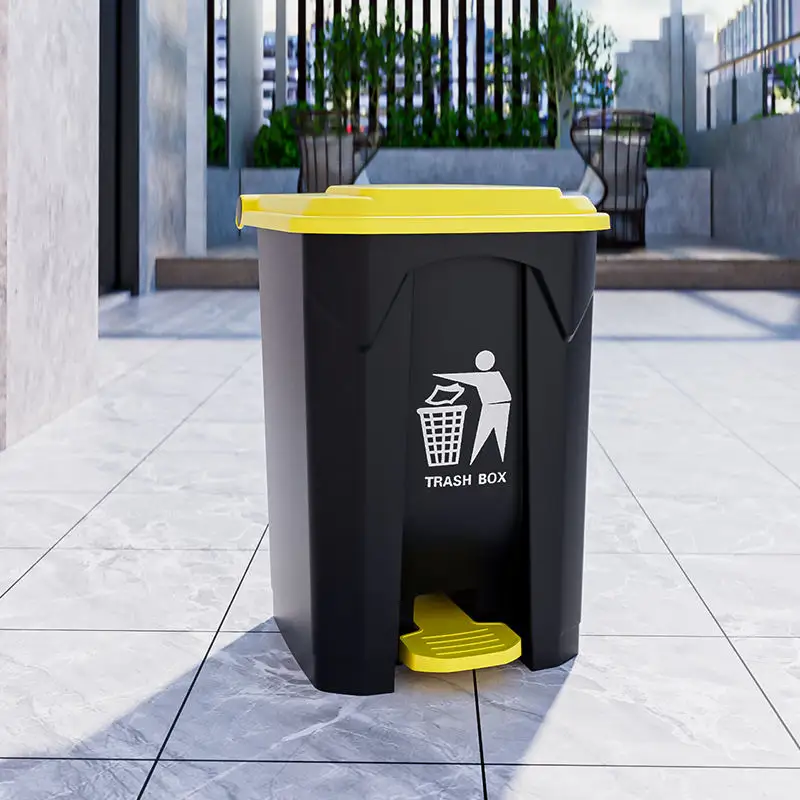
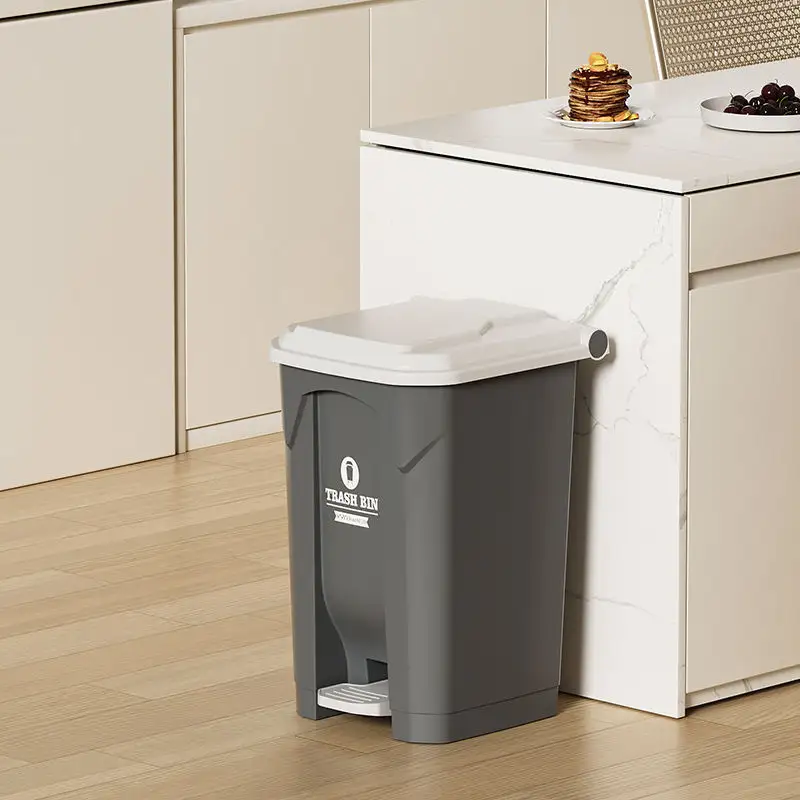
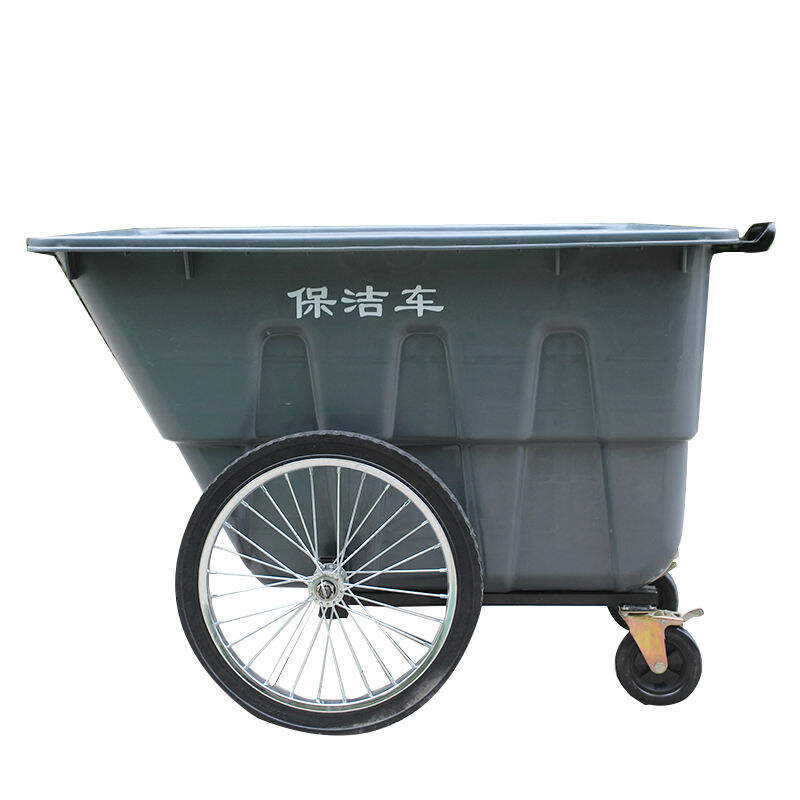
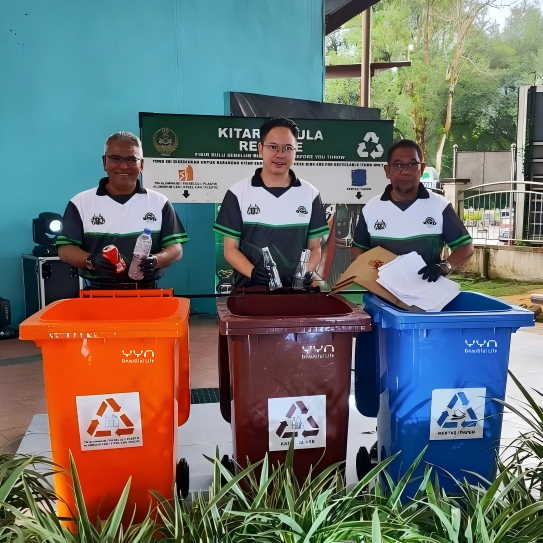
A recycling bin factory represents a specialized manufacturing facility dedicated to producing waste sorting and collection containers that serve communities, businesses, and institutions worldwide. These factories operate as essential contributors to global environmental sustainability efforts by creating durable, functional receptacles designed to facilitate proper waste separation at the source. The primary function of a recycling bin factory encompasses the complete production cycle, from raw material selection through final product assembly and quality inspection. Modern recycling bin factory operations integrate advanced manufacturing technologies including injection molding systems, rotational molding equipment, blow molding machines, and metal fabrication tools to create containers from various materials such as high-density polyethylene, polypropylene, galvanized steel, and stainless steel. The technological features employed within a recycling bin factory include computer-aided design software for precision modeling, automated production lines that ensure consistency across large batch runs, color-matching systems for brand customization, and rigorous testing protocols that verify structural integrity and weather resistance. These facilities manufacture products ranging from small desktop sorters to large commercial dumpsters, each engineered to withstand specific environmental conditions and usage patterns. Applications of recycling bin factory products extend across residential neighborhoods where curbside collection programs require standardized containers, commercial properties seeking branded waste management solutions, public spaces demanding vandal-resistant units, educational institutions implementing sustainability programs, healthcare facilities requiring specialized medical waste segregation, and industrial sites managing recyclable manufacturing byproducts. The recycling bin factory serves as a critical link in the circular economy chain, enabling effective waste diversion from landfills while supporting recycling infrastructure development globally. Production capabilities typically include customization options for size specifications, color schemes matching municipal or corporate identities, labeling systems with multilingual instructions, and accessory integration such as wheels, locking mechanisms, and drainage systems that enhance functionality across diverse operational environments.

New Products

Choosing products from a dedicated recycling bin factory delivers substantial practical benefits that directly impact your operational efficiency and environmental goals. First and foremost, working with a recycling bin factory gives you access to purpose-built containers engineered specifically for waste separation rather than generic storage solutions. These specialized manufacturers understand the unique demands of recycling programs, including the need for clearly marked compartments, appropriate sizing for different material streams, and durability to withstand repeated handling and exposure to various weather conditions. The cost advantages become apparent through bulk purchasing options and direct manufacturer pricing that eliminates middleman markups, allowing organizations to equip entire facilities or communities without exceeding budget constraints. Quality assurance represents another significant advantage, as recycling bin factory production follows standardized manufacturing processes with consistent material specifications and structural testing, ensuring every unit meets the same high performance standards. This reliability translates to longer product lifespans, reducing replacement frequency and lowering total ownership costs over time. Customization flexibility stands out as a particularly valuable benefit, enabling clients to specify exact dimensions, select colors that align with existing waste management systems, add organizational logos or instructional graphics, and incorporate special features like foot pedals, document slots, or cigarette receptacles. The recycling bin factory can also provide technical consultation during the selection process, helping customers choose appropriate container types based on collection volume, available space, user demographics, and local recycling program requirements. Environmental responsibility extends beyond the products themselves, as many recycling bin factory operations now incorporate sustainable manufacturing practices including the use of recycled content in production, energy-efficient machinery, waste stream recovery within the factory, and eco-friendly packaging materials. Supply chain efficiency improves when sourcing directly from a recycling bin factory, with streamlined ordering processes, predictable lead times, and consolidated shipping that reduces transportation impacts. Support services often include delivery coordination, installation guidance, maintenance recommendations, and replacement parts availability that ensure long-term satisfaction. For municipalities and organizations implementing new recycling programs or expanding existing ones, a recycling bin factory partner can scale production to meet phased rollout schedules, provide consistent inventory for future expansion, and adapt designs based on program performance feedback. The manufacturing expertise concentrated within a recycling bin factory also means continuous product improvement through research into new materials, innovative designs that increase user participation rates, and technological integrations such as sensor systems for collection route optimization.

Tips And Tricks

Abei Launches New HDPE Trash Bins: More Durable for Outdoor Use

22

Jan

Abei Launches New HDPE Trash Bins: More Durable for Outdoor Use

View More
Abei Partners with Southeast Asian Sanitation Company: Overseas Market Growth

22

Jan

Abei Partners with Southeast Asian Sanitation Company: Overseas Market Growth

View More
Abei’s Taobao Store Reaches 5,000 Followers: C-end Market Expansion

22

Jan

Abei’s Taobao Store Reaches 5,000 Followers: C-end Market Expansion

View More

Get a Free Quote

Our representative will contact you soon.
Email
Mobile/WhatsApp
Name
Company Name
Attachment
Please upload at least an attachment
Up to 3 files, each no larger than 30MB. Supported formats: jpg, jpeg, png, pdf, doc, docx, xls, xlsx, csv, txt, stp, step, igs, x_t, dxf, prt, sldprt, sat, rar, zip.
Message
0/1000

recycling bin factory

Advanced Manufacturing Capabilities and Material Excellence

Advanced Manufacturing Capabilities and Material Excellence

The modern recycling bin factory distinguishes itself through sophisticated manufacturing infrastructure that combines traditional fabrication techniques with cutting-edge production technology to create superior waste collection solutions. At the heart of these operations lies specialized molding equipment capable of producing containers with precise dimensional tolerances and consistent wall thicknesses that ensure structural integrity under heavy loads and repeated use cycles. Injection molding systems within a recycling bin factory can process virgin and recycled plastics at controlled temperatures and pressures, creating small to medium-sized bins with intricate features like ergonomic handles, interlocking lids, and reinforced stress points. For larger commercial and municipal containers, rotational molding technology allows the recycling bin factory to manufacture seamless, one-piece units without weak joints or seams that might fail over time. This process distributes material uniformly throughout the mold, resulting in containers with exceptional impact resistance and the ability to withstand extreme temperature fluctuations without cracking or warping. Metal fabrication capabilities complement plastic production, with welding stations, powder coating lines, and galvanization systems producing steel containers ideal for high-security applications or environments where fire resistance is paramount. The material science expertise within a recycling bin factory ensures appropriate resin selection for different applications, considering factors like UV stabilization for outdoor placement, chemical resistance for industrial settings, and food-grade compliance for organic waste collection. Quality control protocols embedded throughout the production process include dimensional verification, load testing to simulate years of service, and environmental chamber testing that exposes samples to accelerated weathering conditions. This commitment to manufacturing excellence means customers receive products that perform reliably across diverse climates and usage intensities, from the harsh winters of northern regions to the intense sun exposure of equatorial zones. The recycling bin factory investment in maintaining modern equipment and training skilled operators translates directly to product consistency, with each container meeting the same exacting standards regardless of order size or production timing. Furthermore, the capability to work with multiple materials and processes under one roof allows the recycling bin factory to offer comprehensive product lines that address every waste management need, from lightweight household sorters to heavy-duty industrial receptacles, all backed by manufacturing expertise that ensures long-term durability and user satisfaction.
Customization and Design Flexibility for Diverse Applications

Customization and Design Flexibility for Diverse Applications

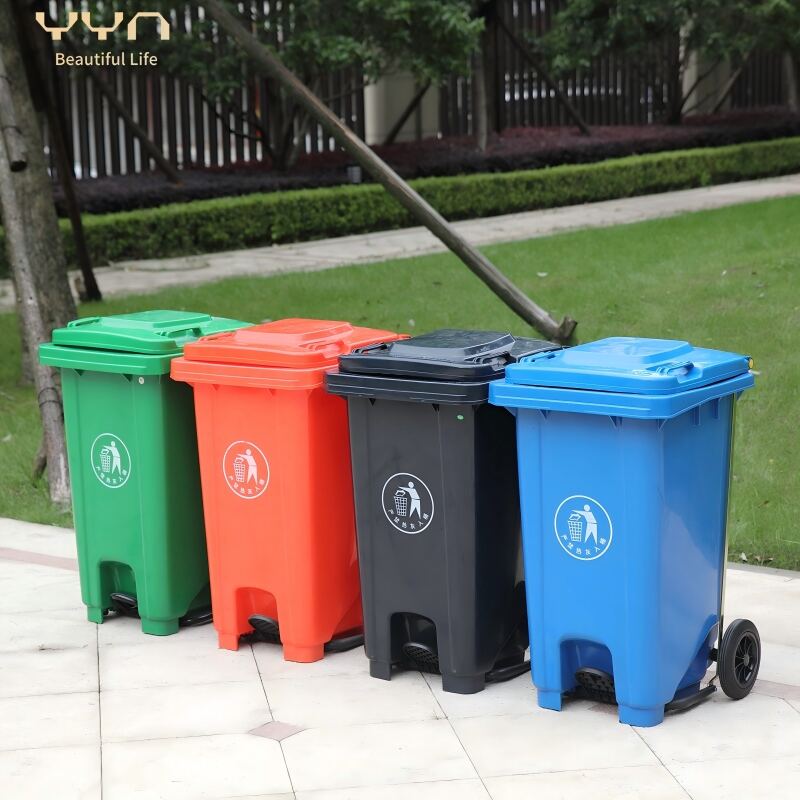
A distinguishing characteristic of a professional recycling bin factory lies in its ability to transform standard waste container concepts into customized solutions that precisely match specific organizational requirements and program objectives. This design flexibility begins with comprehensive size options, recognizing that residential curbside programs require different capacity containers than busy commercial districts or industrial facilities, and the recycling bin factory maintains tooling for dozens of standard dimensions while also offering custom sizing for unique spatial constraints. Color customization serves multiple strategic purposes, enabling municipalities to implement color-coded systems that simplify sorting for residents, allowing corporations to maintain brand consistency across their facilities, and helping institutions create visually cohesive campus environments. The recycling bin factory utilizes sophisticated color-matching technology that can replicate any specified hue with precision, and modern plastics retain their vibrancy without fading even after years of outdoor exposure. Graphics and labeling capabilities extend far beyond simple text, with the recycling bin factory offering screen printing, hot stamping, molded-in iconography, and adhesive label application that clearly communicates what materials belong in each compartment. Multilingual labeling accommodates diverse communities, while pictorial instructions transcend language barriers entirely, and the recycling bin factory works with designers to create intuitive visual systems that increase proper sorting rates. Structural modifications represent another dimension of customization, with options including wheel assemblies for mobile collection, locking mechanisms to prevent unauthorized access or theft, drainage holes and sloped bottoms to prevent liquid accumulation, and ventilation features that reduce odor buildup in organic waste containers. The recycling bin factory can integrate specialized openings tailored to specific material streams, such as circular apertures perfect for bottles and cans, narrow slots for paper and cardboard, or wide top-loading access for bulky recyclables. Accessory compatibility ensures containers work seamlessly with existing collection infrastructure, whether that means standardized lift-bar positioning for automated truck collection, handle configurations that accommodate manual hauling, or stacking designs that optimize storage and transportation efficiency. For organizations implementing comprehensive zero-waste programs, the recycling bin factory can create coordinated container families with consistent aesthetics but clearly differentiated functions, supporting multi-stream separation systems that might include landfill waste, single-stream recycling, compost, electronic waste, and specialized categories. This customization extends to special-purpose applications like pharmaceutical take-back containers, battery recycling stations, or document destruction bins that meet security and regulatory requirements. The design consultation services provided by an experienced recycling bin factory help clients navigate these options, ensuring selected features align with operational workflows, user behaviors, and program goals while remaining within budget parameters and production timelines.

Sustainability Leadership and Circular Economy Integration

Sustainability Leadership and Circular Economy Integration

The contemporary recycling bin factory operates as more than just a manufacturing entity; it functions as an active participant in the circular economy, demonstrating environmental stewardship through both its products and production processes. This commitment begins with material sourcing decisions, as forward-thinking recycling bin factory operations increasingly incorporate post-consumer recycled content into their manufacturing feedstock, literally transforming yesterday's plastic bottles and containers into tomorrow's recycling bins. This closed-loop approach reduces dependence on virgin petroleum-based resins, lowers the carbon footprint associated with raw material extraction and processing, and creates tangible demand for recycled materials that strengthens overall recycling market economics. Many recycling bin factory facilities have achieved certifications validating their environmental management systems, demonstrating measurable commitments to waste reduction, energy efficiency, and pollution prevention throughout their operations. The production processes themselves reflect sustainability priorities, with modern recycling bin factory equipment designed for optimal energy consumption, scrap material recovery systems that reintegrate production waste back into manufacturing, and water conservation measures in cooling and cleaning operations. Some advanced recycling bin factory operations have implemented renewable energy systems, utilizing solar panels or wind power to offset electricity consumption and further reduce their environmental impact. The product lifecycle perspective embraced by responsible recycling bin factory operators considers end-of-life scenarios, engineering containers for eventual recyclability by using mono-material construction when possible, avoiding problematic additives that complicate recycling, and marking plastic components with resin identification codes that facilitate proper sorting. This design-for-recycling philosophy means the containers that enable recycling programs today will themselves become feedstock for future manufacturing rather than ending up in landfills. Beyond the physical products, a socially responsible recycling bin factory contributes to broader sustainability goals by enabling effective waste diversion programs that reduce methane emissions from decomposing organic waste, conserve natural resources by keeping materials in productive use, and decrease energy consumption compared to virgin material production. The educational role played by well-designed containers manufactured at a quality recycling bin factory cannot be overstated, as clear labeling and intuitive design teach proper sorting behaviors, normalize recycling as a daily practice, and visually demonstrate organizational commitment to environmental responsibility. Partnership approaches favored by progressive recycling bin factory operations include collaboration with environmental organizations, support for community recycling initiatives, and knowledge sharing about best practices in container design and waste management infrastructure. The economic sustainability dimension matters equally, with the recycling bin factory providing stable employment in manufacturing sectors, supporting local supply chains through material and service procurement, and enabling the operational efficiency of waste management systems that serve as essential municipal services. For organizations evaluating suppliers, choosing a recycling bin factory that demonstrates genuine environmental commitment through certified practices, transparent reporting, and continuous improvement initiatives ensures alignment with corporate social responsibility objectives and stakeholder expectations regarding sustainability performance. This holistic approach transforms the simple act of manufacturing waste containers into a meaningful contribution to global environmental challenges, positioning the recycling bin factory as an essential partner in building more sustainable communities and circular material flows.

Get a Free Quote

Our representative will contact you soon.
Email
Mobile/WhatsApp
Name
Company Name
Attachment
Please upload at least an attachment
Up to 3 files, each no larger than 30MB. Supported formats: jpg, jpeg, png, pdf, doc, docx, xls, xlsx, csv, txt, stp, step, igs, x_t, dxf, prt, sldprt, sat, rar, zip.
Message
0/1000