Wholesale Recycling Bins - Bulk Waste Management Solutions for Organizations

wholesale recycling bins

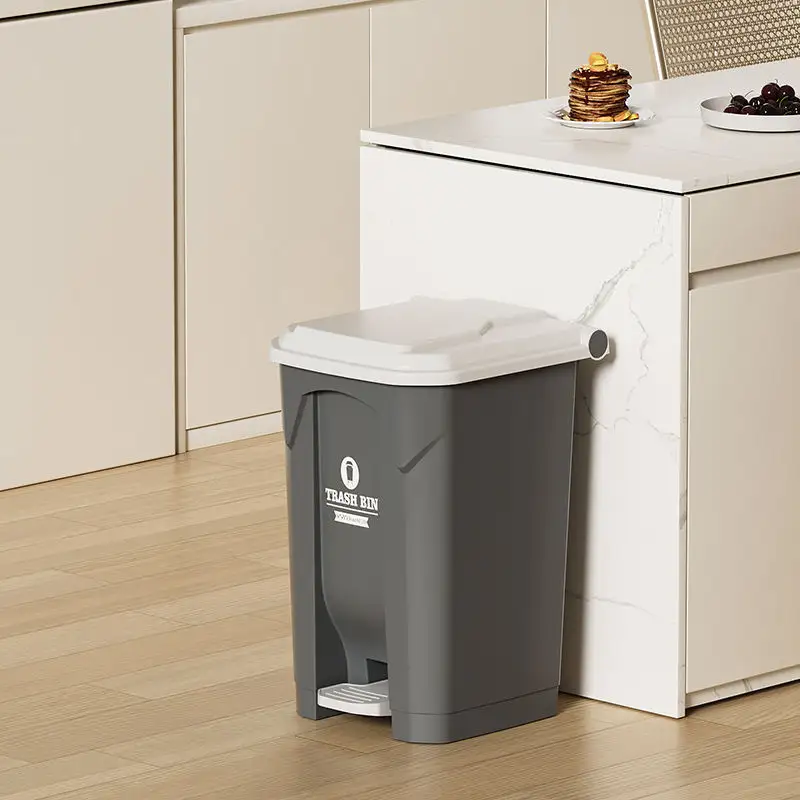
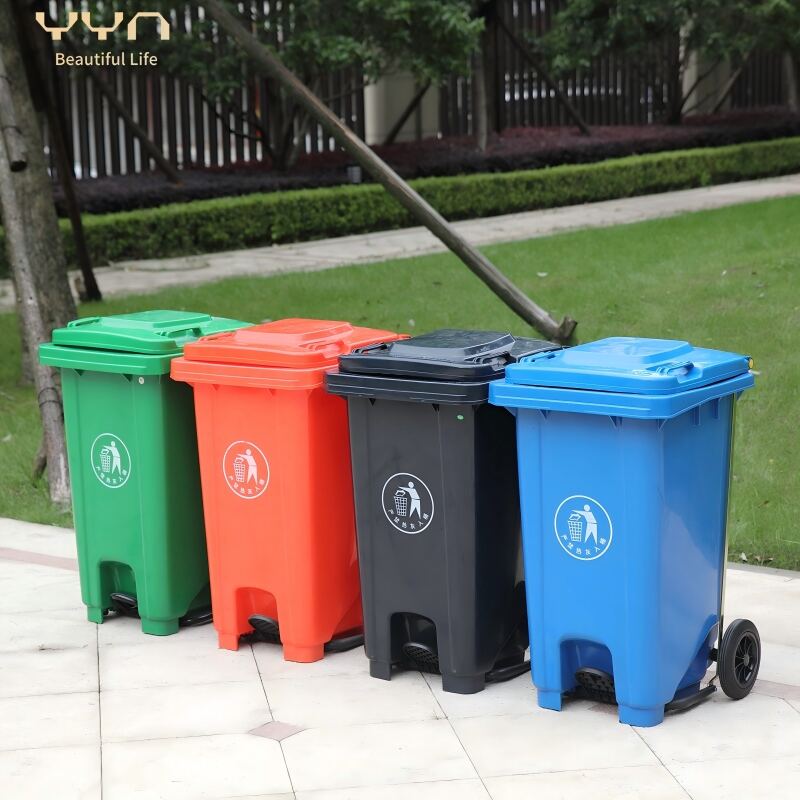
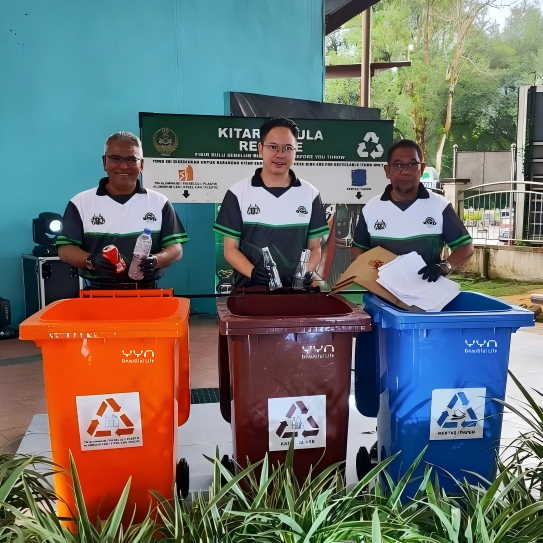
Wholesale recycling bins represent a comprehensive solution for organizations, municipalities, businesses, and institutions seeking to implement effective waste management programs at scale. These specialized containers are designed to facilitate the separation and collection of recyclable materials, making them essential tools in modern sustainability initiatives. The main functions of wholesale recycling bins include the systematic sorting of different waste streams such as paper, plastics, glass, metals, and organic materials, ensuring that each category is properly contained for subsequent processing. These bins come equipped with clearly marked compartments and color-coded systems that guide users in disposing of their waste correctly, reducing contamination rates and improving the overall quality of collected recyclables. Technological features integrated into contemporary wholesale recycling bins include weather-resistant materials that withstand outdoor conditions, ergonomic designs that facilitate easy waste disposal and collection, and modular configurations that allow for flexible arrangement based on specific spatial requirements. Many models incorporate antimicrobial coatings to maintain hygiene standards, while others feature lockable lids to prevent unauthorized access or tampering. The applications of wholesale recycling bins span numerous environments including corporate offices, educational institutions, healthcare facilities, retail centers, public parks, residential complexes, and municipal street furniture installations. Manufacturing facilities utilize these bins to manage industrial waste streams, while hospitality venues deploy them to handle high volumes of guest-generated recyclables. The scalability inherent in wholesale purchasing enables organizations to maintain visual consistency across multiple locations while benefiting from volume pricing advantages. Modern wholesale recycling bins also accommodate emerging waste categories such as electronic waste and battery disposal, reflecting evolving environmental regulations and corporate responsibility standards. The strategic placement of these bins encourages behavioral change among users, making recycling convenient and intuitive while supporting organizational commitments to environmental stewardship and circular economy principles.

New Product Releases

Investing in wholesale recycling bins delivers substantial financial benefits for organizations seeking to establish or expand their recycling infrastructure. Purchasing in bulk quantities significantly reduces per-unit costs, allowing budget-conscious buyers to allocate resources more efficiently across their sustainability programs. This cost advantage becomes particularly pronounced for large-scale deployments where dozens or hundreds of units are required to service extensive facilities or multiple locations. The consistent design and quality assurance that comes with wholesale purchasing ensures uniformity across your entire waste management system, creating a professional appearance that reinforces your environmental commitment to employees, customers, and stakeholders. Wholesale recycling bins are constructed from durable materials engineered to withstand years of heavy use, minimizing replacement costs and reducing the environmental impact associated with manufacturing new containers. The longevity of these products translates directly into better return on investment compared to cheaper alternatives that require frequent replacement. Operational efficiency improves dramatically when you deploy properly designed recycling bins throughout your facilities. Clearly labeled compartments reduce sorting errors and contamination, which means the recyclable materials you collect maintain higher market value and are more readily accepted by processing facilities. This improved material quality can generate revenue through recycling programs or reduce disposal fees charged by waste management services. Maintenance requirements for wholesale recycling bins are minimal due to their robust construction and easy-to-clean surfaces. Staff can quickly service multiple units using standard cleaning protocols, keeping labor costs manageable while maintaining sanitary conditions. The ergonomic features incorporated into quality wholesale recycling bins protect workers from strain injuries during waste collection and transport activities, potentially reducing workplace injury claims and associated costs. Environmental advantages extend beyond the obvious waste diversion benefits. By implementing comprehensive recycling programs supported by adequate bin infrastructure, organizations reduce their carbon footprint, conserve natural resources, and demonstrate corporate social responsibility that resonates with environmentally conscious consumers and employees. Many wholesale recycling bins are themselves manufactured from recycled content, creating a closed-loop system that exemplifies circular economy principles. Flexibility represents another key advantage, as wholesale recycling bins are available in various sizes, configurations, and capacities to match specific operational needs. Whether you require compact desk-side units for office environments or large outdoor containers for high-traffic public spaces, wholesale suppliers offer diverse product ranges that accommodate different requirements within a single procurement process. This variety ensures that every location receives appropriate recycling infrastructure regardless of space constraints or volume demands. Compliance with environmental regulations becomes simpler when adequate recycling infrastructure is in place. Many jurisdictions mandate recycling programs for commercial entities, and wholesale recycling bins provide the physical infrastructure necessary to meet these legal requirements while avoiding potential fines or penalties.

Latest News

Abei Launches New HDPE Trash Bins: More Durable for Outdoor Use

22

Jan

Abei Launches New HDPE Trash Bins: More Durable for Outdoor Use

View More
Abei Partners with Southeast Asian Sanitation Company: Overseas Market Growth

22

Jan

Abei Partners with Southeast Asian Sanitation Company: Overseas Market Growth

View More
Abei’s Taobao Store Reaches 5,000 Followers: C-end Market Expansion

22

Jan

Abei’s Taobao Store Reaches 5,000 Followers: C-end Market Expansion

View More

Get a Free Quote

Our representative will contact you soon.
Email
Mobile/WhatsApp
Name
Company Name
Attachment
Please upload at least an attachment
Up to 3 files, each no larger than 30MB. Supported formats: jpg, jpeg, png, pdf, doc, docx, xls, xlsx, csv, txt, stp, step, igs, x_t, dxf, prt, sldprt, sat, rar, zip.
Message
0/1000

wholesale recycling bins

Cost-Effective Sustainability Infrastructure Through Volume Procurement

Cost-Effective Sustainability Infrastructure Through Volume Procurement

Organizations prioritizing environmental responsibility while managing budgets strategically discover exceptional value through wholesale recycling bins procurement. The fundamental economics of bulk purchasing create immediate financial advantages that extend far beyond simple per-unit price reductions. When organizations commit to wholesale quantities, suppliers pass along savings generated from manufacturing efficiencies, reduced handling costs, and consolidated shipping arrangements. These savings become exponentially valuable for enterprises deploying recycling infrastructure across multiple buildings, campuses, or geographic locations where consistency and standardization drive operational success. The long-term financial benefits of wholesale recycling bins extend into maintenance and replacement cycles. Quality wholesale products are engineered for durability, utilizing materials like high-density polyethylene, powder-coated steel, or commercial-grade plastics that resist weathering, impact damage, and chemical degradation. This longevity means organizations avoid the hidden costs associated with frequent replacements, including procurement processing time, installation labor, and disposal of worn-out units. Budget predictability improves when capital expenditures on recycling infrastructure occur as planned investments rather than reactive emergency purchases. Wholesale recycling bins also contribute to operational cost reductions through improved waste stream management. When recyclables are properly separated at the source using clearly marked, strategically placed bins, contamination rates decrease substantially. Lower contamination means recycling service providers can process materials more efficiently, often resulting in reduced hauling fees or even revenue-sharing arrangements for high-quality sorted materials. Some organizations offset their waste management costs entirely through recycling programs enabled by proper infrastructure. The standardization achieved through wholesale purchasing creates training efficiencies that reduce onboarding time for new employees and simplify communication about recycling protocols. When every location uses identical bin configurations with consistent color-coding and labeling, employees transferring between sites require no retraining on local recycling procedures. This consistency also simplifies signage development, educational materials creation, and awareness campaign deployment, as one set of resources serves the entire organization. Volume procurement relationships with wholesale suppliers often include value-added services such as customization options, site planning consultations, and ongoing support that would carry additional costs in smaller transactions. These partnerships enable organizations to optimize bin placement strategies, right-size their container selections, and adapt their infrastructure as recycling programs mature, all while maintaining favorable pricing structures that protect budget allocations for other sustainability initiatives.
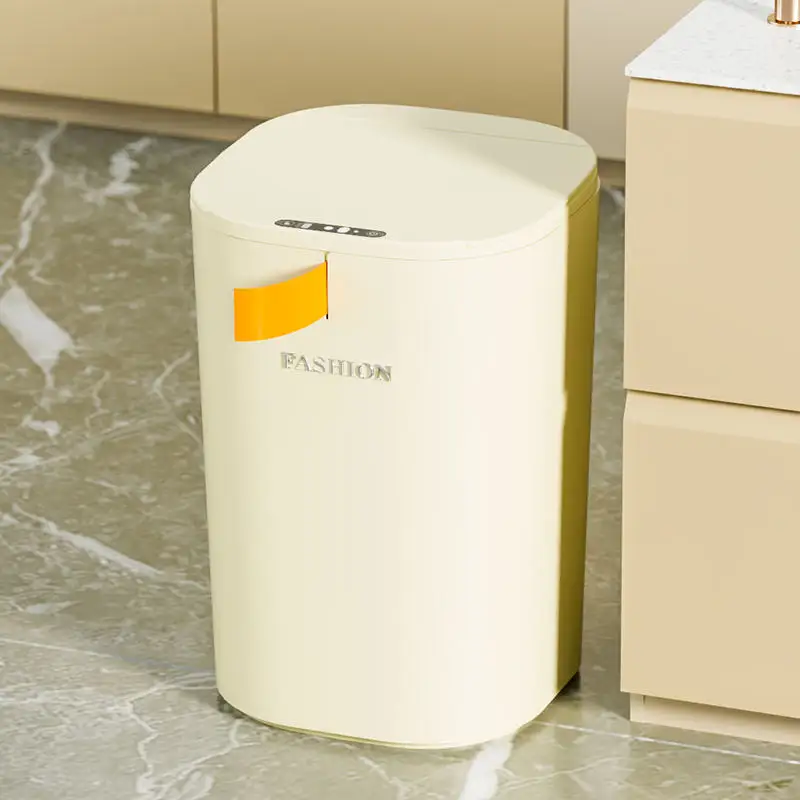
Enhanced User Engagement and Participation Through Strategic Design Features

Enhanced User Engagement and Participation Through Strategic Design Features

The effectiveness of any recycling program ultimately depends on user participation, and wholesale recycling bins incorporate thoughtful design elements specifically engineered to encourage correct waste disposal behaviors. Color-coding systems represent the most immediately recognizable feature, with industry-standard hues that communicate material categories instantly: blue for paper and cardboard, green for glass, yellow for plastics, and gray or brown for general waste or organics. This visual communication transcends language barriers and educational differences, making recycling accessible to diverse populations including international visitors, children, and individuals with varying literacy levels. The intuitive nature of well-designed wholesale recycling bins reduces decision-making friction at the point of disposal, the critical moment when convenience determines whether individuals recycle correctly or default to general waste disposal. Aperture design plays an equally important role in guiding proper material placement. Wholesale recycling bins feature specialized openings tailored to specific waste types: narrow slots for paper, circular holes for bottles and cans, and larger square openings for mixed recycling or general waste. These physical constraints serve as passive sorting mechanisms that prevent incorrect disposal even when users pay minimal attention to labeling. Research consistently demonstrates that when recycling bins make the correct choice the easiest choice, participation rates increase significantly compared to generic containers relying solely on text instructions. Clear labeling using both text and pictograms accommodates different learning styles and ensures comprehension across user demographics. Wholesale recycling bins typically feature durable, fade-resistant graphics that withstand years of exposure to sunlight, cleaning chemicals, and physical wear without losing legibility. Some models incorporate interchangeable label systems that allow organizations to update messaging as recycling programs evolve or regulations change, protecting the infrastructure investment while maintaining communication relevance. Capacity management features built into quality wholesale recycling bins help maintain program effectiveness over time. Transparent windows or fill-level indicators alert maintenance staff when containers require servicing, preventing overflow situations that discourage participation and create negative impressions of program management. Appropriately sized containers matched to waste generation patterns ensure bins neither overflow frequently nor remain conspicuously empty, both conditions that undermine user confidence in recycling program viability. Strategic placement facilitated by diverse wholesale recycling bins configurations ensures recycling opportunities exist wherever waste generation occurs, eliminating the excuse that proper disposal is inconvenient and reinforcing organizational commitment to environmental values through visible, accessible infrastructure.
Versatile Applications Across Diverse Environments and Operational Contexts

Versatile Applications Across Diverse Environments and Operational Contexts

Wholesale recycling bins demonstrate remarkable adaptability across an extensive spectrum of environments, each presenting unique challenges that quality products address through thoughtful engineering and configurable options. Corporate office environments benefit from aesthetically refined wholesale recycling bins that complement professional interior design while providing adequate capacity for paper waste, beverage containers, and electronic equipment packaging generated by knowledge workers. Desk-side mini bins encourage individual responsibility, while centralized stations near copy rooms and break areas handle higher volumes without creating visual clutter or disrupting workspace functionality. Educational institutions from elementary schools through universities require wholesale recycling bins that withstand intensive use by large populations while supporting educational missions. Durable construction resists vandalism and rough handling, while age-appropriate designs help teach young students about environmental stewardship. Campus-wide standardization creates consistent messaging that reinforces recycling habits across classrooms, cafeterias, dormitories, and recreational facilities. Healthcare facilities face stringent hygiene requirements that specialized wholesale recycling bins address through antimicrobial surfaces, hands-free operation options, and designs that facilitate thorough cleaning and sanitization. Clear differentiation between recycling bins and medical waste containers prevents dangerous cross-contamination while allowing hospitals to divert significant volumes of non-hazardous materials from expensive medical waste streams. Retail environments utilize wholesale recycling bins that blend into customer-facing areas without compromising brand aesthetics while handling packaging materials and food service waste in back-of-house operations. Restaurants and hospitality venues require bins that process high volumes efficiently during peak service periods, with grease-resistant materials and odor-control features maintaining pleasant environments for guests and staff. Manufacturing and industrial facilities deploy heavy-duty wholesale recycling bins engineered to contain production scrap, packaging materials, and maintenance waste while withstanding harsh conditions including temperature extremes, chemical exposure, and forklift traffic. Specialized containers accommodate unusual materials like metal shavings, wood waste, or plastic film that require separate handling. Municipal applications including parks, transit stations, and street furniture installations demand wholesale recycling bins built to weather exposure extremes while resisting theft and vandalism. Anchoring systems, lockable access panels, and graffiti-resistant finishes protect public investments while serving diverse populations. Residential complexes ranging from apartment buildings to planned communities implement wholesale recycling bins that simplify participation for residents while streamlining collection for property management. Clearly designated containers for trash, recycling, and organics reduce sorting labor and contamination issues. The configurability of wholesale recycling bins allows organizations to create custom solutions matching specific operational requirements while maintaining cost advantages of volume purchasing, ensuring every environment receives infrastructure optimized for its unique waste management challenges.

Get a Free Quote

Our representative will contact you soon.
Email
Mobile/WhatsApp
Name
Company Name
Attachment
Please upload at least an attachment
Up to 3 files, each no larger than 30MB. Supported formats: jpg, jpeg, png, pdf, doc, docx, xls, xlsx, csv, txt, stp, step, igs, x_t, dxf, prt, sldprt, sat, rar, zip.
Message
0/1000