Versatile Applications Across Diverse Industries and Waste Streams
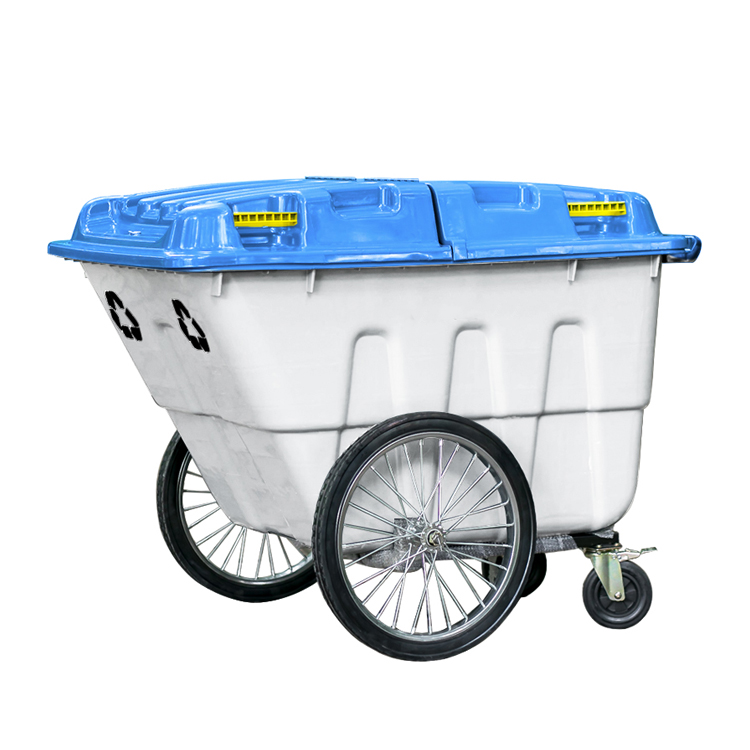
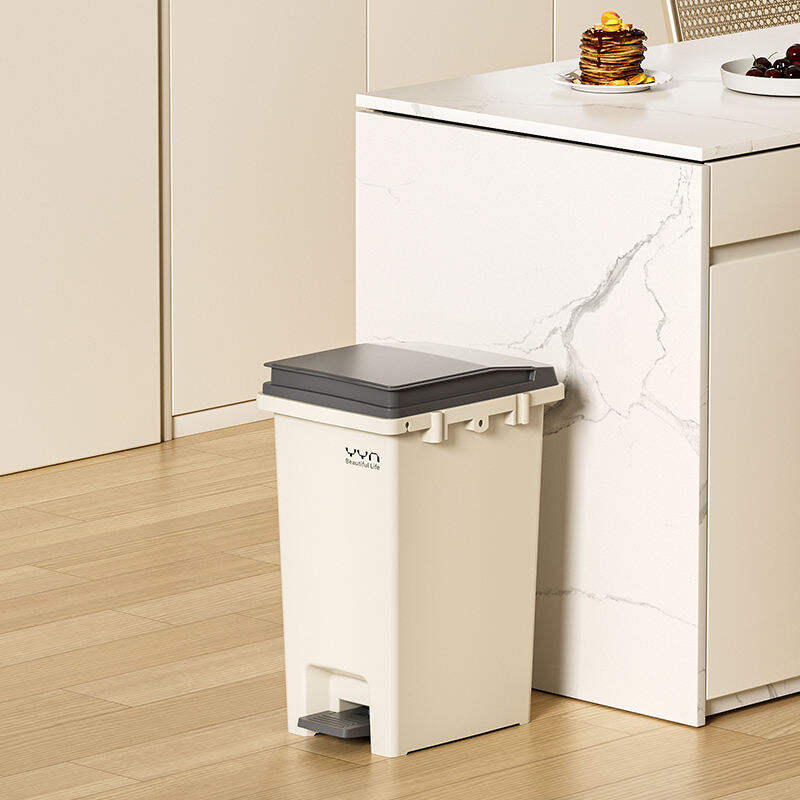
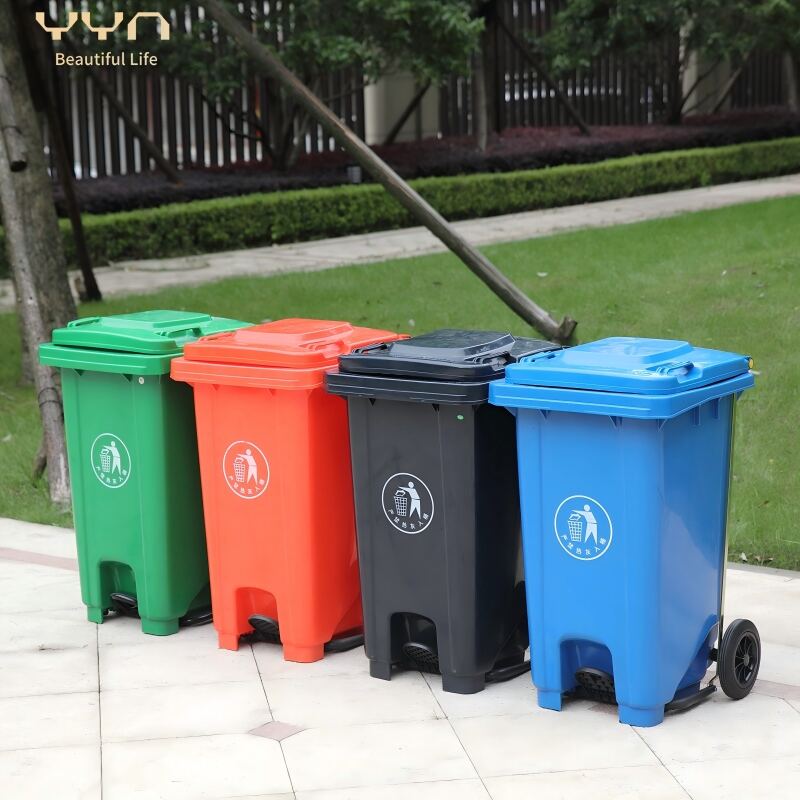
The remarkable versatility of industrial waste bins makes them invaluable across an extraordinarily diverse range of industries, applications, and waste management scenarios, providing adaptable solutions that accommodate virtually any waste disposal challenge businesses encounter. Manufacturing facilities utilize industrial waste bins for managing production scraps, including metal shavings from machining operations, plastic trimmings from injection molding processes, cardboard packaging from incoming materials, and defective products requiring disposal, with different bin sizes and configurations matching specific production line layouts and waste generation rates. Construction and demolition sites depend on large-capacity roll-off industrial waste bins that accommodate substantial volumes of debris including concrete chunks, lumber scraps, drywall sections, roofing materials, and mixed building waste, with open-top designs facilitating easy loading from various heights and angles. Healthcare facilities require specialized industrial waste bins that meet stringent medical waste disposal regulations, featuring puncture-resistant construction for sharps containers, sealed designs preventing pathogen escape, and color-coded systems distinguishing between infectious waste, pharmaceutical waste, and general trash. Food service operations including restaurants, cafeterias, and food processing plants benefit from industrial waste bins designed specifically for organic waste, with features like grease-resistant coatings, odor-control systems, and easy-cleaning smooth interiors that prevent bacterial buildup and maintain sanitary conditions required by health departments. Recycling programs across all sectors rely on multiple industrial waste bins designated for different material streams such as paper products, plastic containers, glass bottles, aluminum cans, and electronic waste, with clear labeling and appropriate sizing encouraging proper sorting while maximizing recovery of valuable recyclable commodities. Retail environments use compact industrial waste bins that fit behind counters or in back-room areas, managing packaging waste from inventory deliveries, customer returns, and daily operations without occupying excessive floor space or creating visual clutter. Automotive service centers require industrial waste bins resistant to petroleum products for disposing of oil filters, contaminated absorbents, used antifreeze containers, and tire disposal, with specialized liners or coatings preventing chemical degradation. Educational institutions deploy industrial waste bins throughout campuses, in dining facilities, dormitories, maintenance areas, and outdoor spaces, with durable construction withstanding student use while supporting campus sustainability initiatives through waste diversion programs. Warehousing and logistics operations position industrial waste bins near loading docks and throughout storage areas for managing stretch wrap, damaged packaging, returned merchandise, and general facility waste, with mobile designs allowing repositioning as operational layouts change. Chemical manufacturing and laboratory environments demand industrial waste bins specifically rated for hazardous materials, with chemical-resistant construction, proper labeling systems, and compatibility with disposal protocols for reactive, corrosive, or toxic substances. The adaptability of industrial waste bins extends to specialized applications including confidential document destruction with secure locking systems, textile waste in garment manufacturing, agricultural waste at farming operations, and landscape debris at grounds maintenance facilities, demonstrating how these containers provide essential waste management infrastructure regardless of industry, facility size, or specific operational requirements.


 EN
EN