Industrial Recycling Containers - Durable Waste Management Solutions for Commercial Facilities

industrial recycling containers

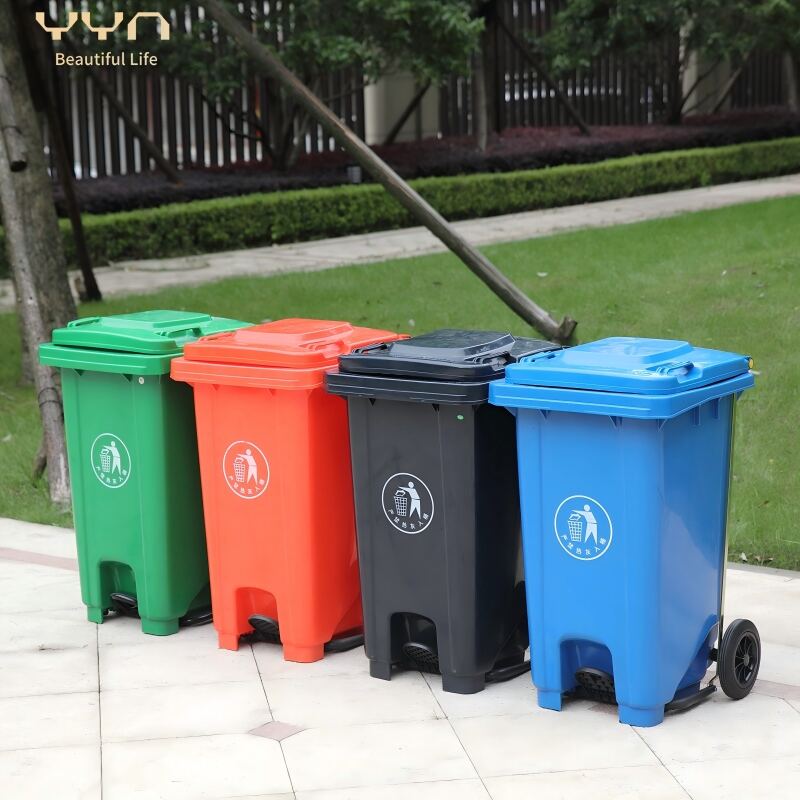
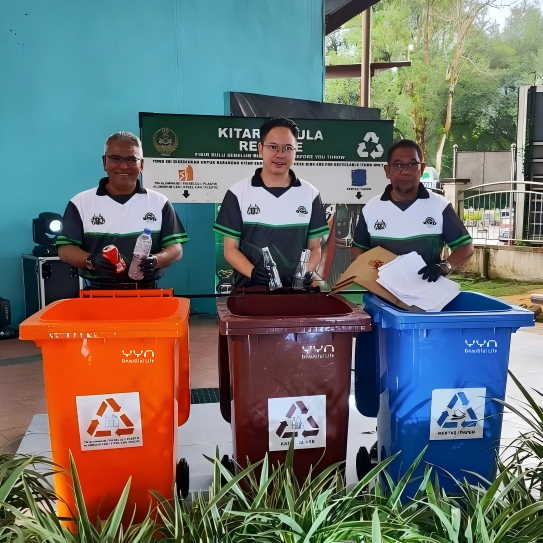
Industrial recycling containers represent essential equipment for modern waste management systems across manufacturing facilities, warehouses, distribution centers, and commercial operations. These specialized containers serve as the backbone of efficient recycling programs, designed to collect, sort, and transport recyclable materials including metals, plastics, paper products, cardboard, and glass. Unlike standard waste bins, industrial recycling containers are engineered to withstand rigorous daily use in demanding environments while maintaining organizational efficiency. The primary functions of industrial recycling containers encompass segregation of different recyclable material streams, facilitating easy collection and transportation, maximizing storage capacity, and promoting workplace safety through proper waste containment. Technological features integrated into modern industrial recycling containers include reinforced construction using high-density polyethylene or heavy-gauge steel, ergonomic handling mechanisms such as forklift pockets and crane lifting points, modular stacking capabilities for space optimization, and clear labeling systems with color-coding for intuitive sorting. Many industrial recycling containers incorporate drainage systems to prevent liquid accumulation, ventilation holes to reduce odors, and smooth interior surfaces that simplify cleaning processes. Applications for industrial recycling containers span numerous sectors including automotive manufacturing plants where metal scraps and packaging materials require organized collection, food processing facilities managing organic waste streams alongside packaging materials, construction sites dealing with diverse material types, retail distribution centers handling vast quantities of cardboard and plastic wrap, and healthcare facilities requiring compliant disposal of non-hazardous recyclables. The versatility of industrial recycling containers allows businesses to customize their waste management approach according to specific operational needs, available space, and recycling objectives. These containers typically range from compact bins suitable for workstation-level sorting to large roll-off containers capable of holding several cubic yards of material, ensuring appropriate solutions exist for operations of any scale. The integration of industrial recycling containers into facility operations demonstrates corporate commitment to environmental stewardship while generating potential revenue through recovered material sales and reducing waste disposal costs significantly.

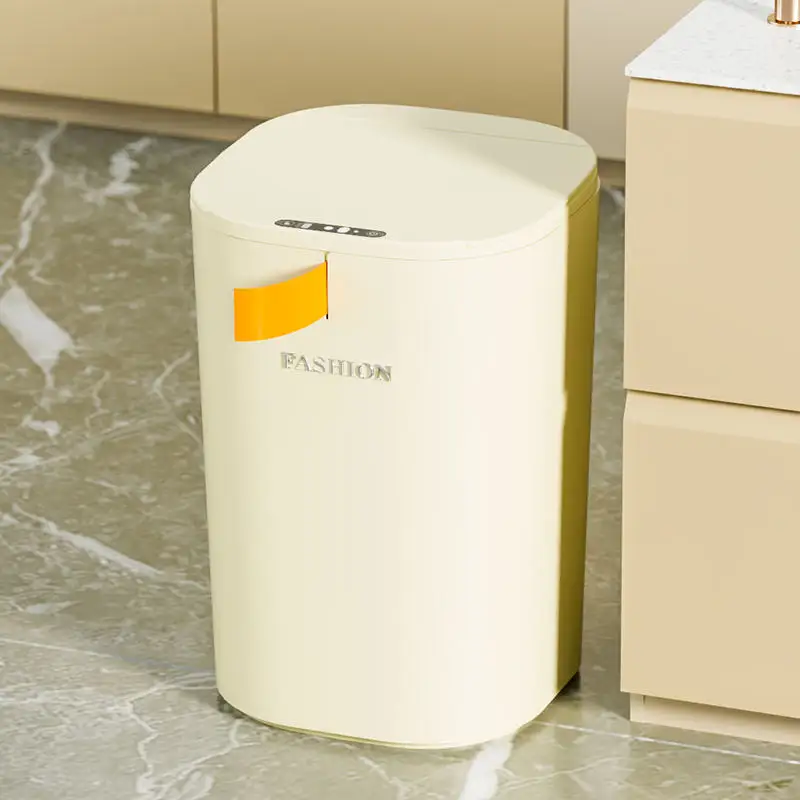
New Product Recommendations

Industrial recycling containers deliver substantial cost savings to businesses by reducing waste hauling expenses and generating revenue from recyclable materials that previously ended up in landfills. Organizations implementing proper recycling programs with dedicated containers typically experience thirty to fifty percent reductions in overall waste management costs within the first year. The durability of industrial recycling containers provides long-term value as these units withstand years of heavy use without requiring frequent replacements, unlike cheaper alternatives that crack, warp, or deteriorate quickly. Businesses benefit from improved workplace organization when industrial recycling containers establish designated collection points for different material types, eliminating confusion about proper disposal and reducing contamination rates that can render entire batches of recyclables unusable. The space efficiency of modern industrial recycling containers allows facilities to maximize their available floor area through stackable designs and compact footprints that fit into tight spaces without impeding workflow or creating safety hazards. Employee safety improves significantly with proper industrial recycling containers because sealed lids contain odors and prevent pest attraction, smooth edges eliminate cut risks, and appropriate sizing reduces strain injuries from lifting or reaching into overfilled bins. Environmental benefits translate directly into corporate social responsibility achievements and enhanced brand reputation as customers and stakeholders increasingly value sustainable business practices demonstrated through comprehensive recycling programs. Industrial recycling containers simplify compliance with local, state, and federal waste management regulations by providing clearly marked separation systems that meet legal requirements and documentation standards. The mobility features built into industrial recycling containers enable efficient material flow throughout facilities, allowing workers to position containers exactly where generation occurs and move them easily when full, minimizing time spent on waste management tasks. Customization options for industrial recycling containers ensure perfect alignment with specific operational needs, whether that involves color selection for departmental identification, size variations for different material volumes, or specialized features like locking mechanisms for secure storage. Maintenance requirements remain minimal with quality industrial recycling containers as weather-resistant materials withstand outdoor storage, smooth surfaces wipe clean quickly, and robust construction resists damage from forklifts and other equipment. Return on investment for industrial recycling containers typically occurs within eighteen to thirty-six months when factoring in disposal cost reductions, material sale revenues, and avoided regulatory penalties. The scalability of industrial recycling container systems allows businesses to start with basic implementations and expand gradually as recycling programs mature and material recovery increases. Training employees on proper use of industrial recycling containers proves straightforward thanks to intuitive designs and clear labeling, reducing onboarding time and ensuring consistent participation across all workforce levels.

Tips And Tricks

Abei Launches New HDPE Trash Bins: More Durable for Outdoor Use

22

Jan

Abei Launches New HDPE Trash Bins: More Durable for Outdoor Use

View More
Abei Partners with Southeast Asian Sanitation Company: Overseas Market Growth

22

Jan

Abei Partners with Southeast Asian Sanitation Company: Overseas Market Growth

View More
Abei’s Taobao Store Reaches 5,000 Followers: C-end Market Expansion

22

Jan

Abei’s Taobao Store Reaches 5,000 Followers: C-end Market Expansion

View More

Get a Free Quote

Our representative will contact you soon.
Email
Mobile/WhatsApp
Name
Company Name
Attachment
Please upload at least an attachment
Up to 3 files, each no larger than 30MB. Supported formats: jpg, jpeg, png, pdf, doc, docx, xls, xlsx, csv, txt, stp, step, igs, x_t, dxf, prt, sldprt, sat, rar, zip.
Message
0/1000

industrial recycling containers

Superior Durability Engineering for Demanding Industrial Environments

Superior Durability Engineering for Demanding Industrial Environments

Industrial recycling containers distinguish themselves through exceptional construction quality specifically engineered to endure the harsh conditions prevalent in manufacturing, warehousing, and processing facilities. The materials selected for industrial recycling containers undergo rigorous testing to ensure resistance against impact damage from forklifts, dropped tools, and heavy material loads that would destroy conventional waste receptacles within weeks. High-density polyethylene formulations used in premium industrial recycling containers incorporate UV stabilizers that prevent degradation from sunlight exposure, essential for outdoor storage areas where containers face constant weather exposure. Steel variants of industrial recycling containers feature powder-coated finishes or galvanized treatments that resist corrosion from moisture, chemicals, and temperature fluctuations common in industrial settings. The structural reinforcement built into industrial recycling containers includes ribbed sidewalls that distribute impact forces, reinforced corners that absorb collisions, and heavy-duty bases that support extreme weight without cracking or bowing. This durability translates into decade-long service lives for industrial recycling containers, dramatically reducing replacement costs and eliminating the operational disruptions associated with container failures. Businesses operating multiple shifts benefit particularly from the reliability of industrial recycling containers as these units maintain integrity despite continuous use around the clock. The engineering behind industrial recycling containers also addresses chemical compatibility, ensuring containers designated for specific industrial recyclables resist degradation from residual substances that might remain on discarded materials. Molded-in color throughout industrial recycling containers prevents the finish deterioration and color fading that plague painted alternatives, maintaining professional appearance throughout their service life. Weld quality on metal industrial recycling containers meets industrial standards with full-penetration techniques that create joints stronger than the surrounding material, eliminating weak points where failures typically initiate. The load-bearing capacity of industrial recycling containers far exceeds residential or light commercial units, with specifications often supporting thousands of pounds of material without structural compromise. Investment in properly engineered industrial recycling containers eliminates the false economy of purchasing cheaper alternatives that require frequent replacement, ultimately costing more while creating operational headaches and environmental waste from discarded containers themselves.
Optimized Material Handling Integration for Operational Efficiency

Optimized Material Handling Integration for Operational Efficiency

Industrial recycling containers seamlessly integrate with existing material handling equipment and workflows, dramatically improving operational efficiency compared to makeshift recycling solutions. The forklift pockets or sleeves molded into industrial recycling containers allow operators to lift, transport, and position units quickly without manual handling, reducing labor costs and injury risks associated with moving heavy containers. Crane lifting eyes or attachment points welded onto larger industrial recycling containers enable overhead handling systems to integrate recycling operations into existing logistics flows without additional equipment investments. The standardized dimensions of industrial recycling containers ensure compatibility with dock levelers, compactors, and transportation equipment, eliminating the sizing issues that create bottlenecks in waste management processes. Caster wheel options available for many industrial recycling containers transform stationary collection points into mobile units that workers reposition as needed throughout shifts, adapting to changing production flows and temporary workstation configurations. The nesting or stacking capability designed into industrial recycling containers reduces storage space requirements by seventy percent when units are empty, critical for facilities with limited square footage or operations that experience seasonal volume fluctuations. Lid designs on industrial recycling containers balance accessibility with containment, featuring options from fully removable covers for bulk loading to hinged flaps for controlled deposit and restricted openings that prevent oversized contamination. Ergonomic considerations in industrial recycling container design include appropriate height specifications that minimize bending and reaching, reducing musculoskeletal strain during deposit activities repeated thousands of times annually. The smooth interior surfaces of quality industrial recycling containers facilitate complete emptying without material adhesion, ensuring maximum recovery rates and simplifying cleaning when switching between material types. Drainage provisions built into industrial recycling containers designed for wet recyclables prevent liquid accumulation that creates weight issues, leakage problems, and unsanitary conditions. Color-coding systems standardized across industrial recycling containers enable instant recognition of proper disposal locations, reducing sorting errors that contaminate material streams and decrease recycling revenues. Labeling areas molded into industrial recycling containers provide permanent attachment points for identification placards that remain visible and intact despite exposure to weather, cleaning chemicals, and physical contact. The modular approach possible with industrial recycling containers allows facilities to create customized recycling stations that group related material types together, improving participation rates by simplifying decision-making for employees disposing of items.
Comprehensive Contamination Prevention and Safety Features

Comprehensive Contamination Prevention and Safety Features

Industrial recycling containers incorporate sophisticated contamination prevention mechanisms that protect the purity of recovered materials, directly impacting the economic viability and environmental benefit of recycling programs. The restricted opening configurations available for industrial recycling containers physically prevent disposal of incompatible items by limiting access to specific shapes and sizes, dramatically reducing contamination rates compared to open-top alternatives. Lid systems on industrial recycling containers create barriers against rainwater intrusion that can ruin paper and cardboard recyclables, preserve material quality during outdoor storage, and prevent weight increases that complicate handling and transportation. The secure closure mechanisms integrated into industrial recycling containers deter theft of valuable recyclables like copper, aluminum, and stainless steel that represent significant revenue in scrap markets, protecting the financial returns organizations expect from recycling investments. Pest-resistant designs standard in quality industrial recycling containers eliminate gaps where rodents or insects might enter, preventing infestations that create health hazards and contaminate recyclable materials with biological waste. Ventilation features strategically placed in industrial recycling containers allow moisture evaporation and gas release without permitting pest access, essential for organic recyclables or containers storing materials with residual food contact. Fire safety considerations in industrial recycling container design include spark-resistant materials for environments with ignition sources and self-extinguishing plastics that prevent fire propagation if combustion occurs. The smooth exterior surfaces of modern industrial recycling containers eliminate protrusions and sharp edges that cause lacerations, catching on clothing, or damaging products moving past on conveyors or forklifts. Visibility enhancements molded into industrial recycling containers include reflective strips or high-contrast colors that improve detection in low-light conditions, reducing collision incidents in busy facilities. Stability features engineered into industrial recycling containers prevent tipping accidents even when filled unevenly, incorporating wide footprints, low centers of gravity, and anti-skid base treatments. Compliance markings permanently embedded in industrial recycling containers simplify regulatory adherence by displaying recycling symbols, material codes, and capacity specifications required by various jurisdictions. The chemical resistance of materials used in industrial recycling containers protects workers from exposure to residual substances on recyclables, preventing skin contact with irritants or absorption of harmful compounds. Odor containment achieved through proper industrial recycling container sealing improves workplace environments, enhances employee comfort, and maintains professional impressions for visitors touring facilities. Hygiene maintenance becomes straightforward with industrial recycling containers designed for easy cleaning, featuring removable components, pressure-washer-safe construction, and antimicrobial material options that inhibit bacterial growth between sanitization cycles.

Get a Free Quote

Our representative will contact you soon.
Email
Mobile/WhatsApp
Name
Company Name
Attachment
Please upload at least an attachment
Up to 3 files, each no larger than 30MB. Supported formats: jpg, jpeg, png, pdf, doc, docx, xls, xlsx, csv, txt, stp, step, igs, x_t, dxf, prt, sldprt, sat, rar, zip.
Message
0/1000