Enhanced Safety Features and Regulatory Compliance
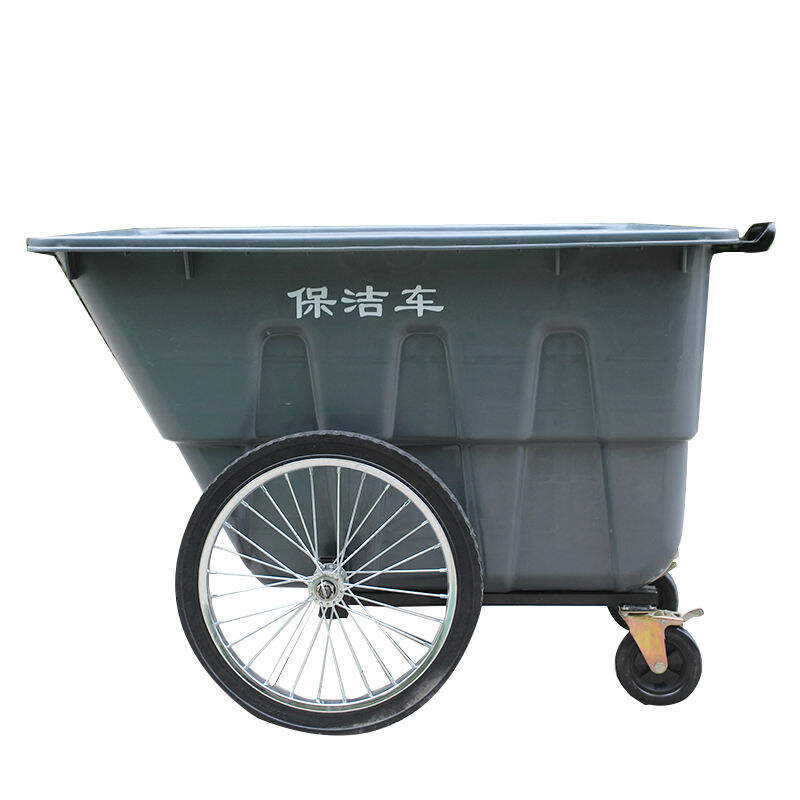
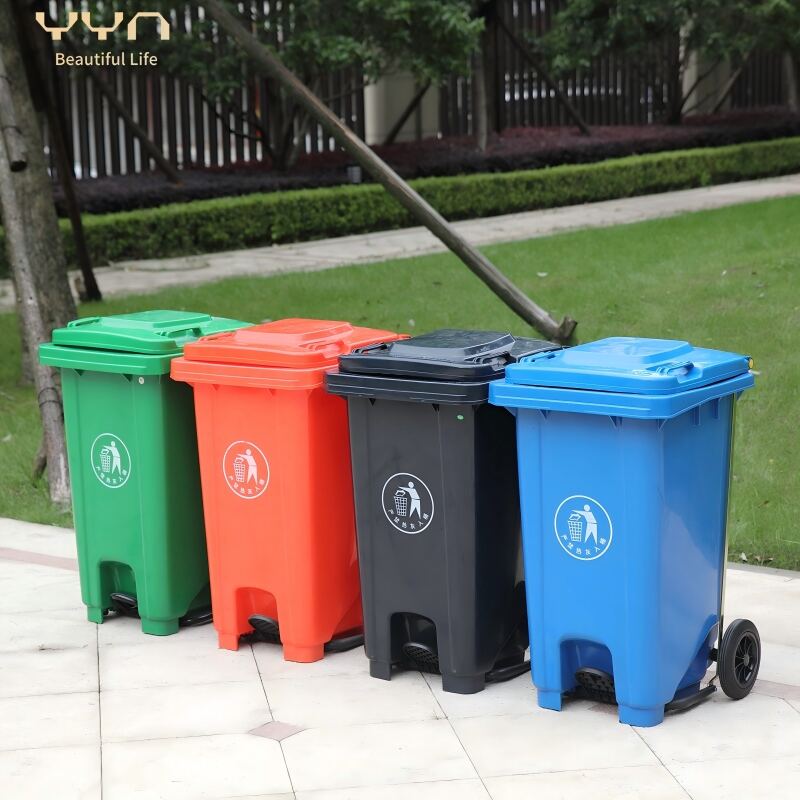
The safety engineering integrated throughout industrial dumpster designs addresses hazard prevention at multiple levels, protecting workers, visitors, and the surrounding community while satisfying increasingly stringent regulatory requirements that govern commercial waste management. Secure locking mechanisms represent the first line of defense, utilizing heavy-duty padlock hasps, integrated cylinder locks, or gravity-operated latches that prevent unauthorized access by vandals, scavengers, or curious children who might otherwise encounter dangerous materials or become trapped inside containers. These security features also protect businesses from liability exposure associated with improper disposal by unauthorized parties, preventing situations where your container becomes a repository for hazardous materials that trigger expensive remediation requirements and potential legal consequences. The lid systems incorporate controlled-descent mechanisms or counterbalance designs that prevent sudden closure events capable of causing serious injuries to workers loading materials, addressing a common hazard where wind gusts or gravity slam heavy steel lids onto hands, arms, or heads. Many industrial dumpsters feature partially open lid positions that secure at specific angles, allowing continuous access during active loading periods while preventing full closure that would require repeated lifting of heavy covers. Reflective markings or high-visibility color schemes ensure containers remain conspicuous in busy work environments, preventing vehicle collisions with stationary dumpsters that could injure operators, damage equipment, and breach container integrity leading to spill incidents. The wheel and caster assemblies found on mobile industrial dumpsters include locking mechanisms that prevent unintended movement on sloped surfaces, eliminating runaway container incidents that pose severe crushing hazards and property damage risks. Smooth interior surfaces without protruding hardware or sharp edges reduce laceration risks during manual loading activities, while rounded exterior corners prevent injuries when workers navigate around containers in confined spaces. The regulatory compliance advantages of using properly specified industrial dumpsters extend across multiple jurisdictions and regulatory frameworks, as these containers typically satisfy local fire codes regarding combustible material storage, environmental regulations controlling waste containment and leakage prevention, and occupational safety standards addressing workplace hazard mitigation. Documentation provided by reputable manufacturers includes load capacity specifications, material safety data, and compliance certifications that support your facility's safety program and satisfy inspector requirements during regulatory audits. The permanent identification markings molded or welded into industrial dumpsters create clear accountability chains for waste tracking purposes, supporting compliance with regulations governing specific waste streams like construction debris, industrial byproducts, or recyclable materials requiring documentation. Proper industrial dumpster utilization demonstrates due diligence in waste management practices, providing legal protection when environmental incidents occur by showing good-faith efforts to contain and properly dispose of materials according to applicable standards.

 EN
EN