Industrial Dustbin Solutions - Heavy-Duty Waste Management Containers for Commercial and Industrial Applications

industrial dustbin

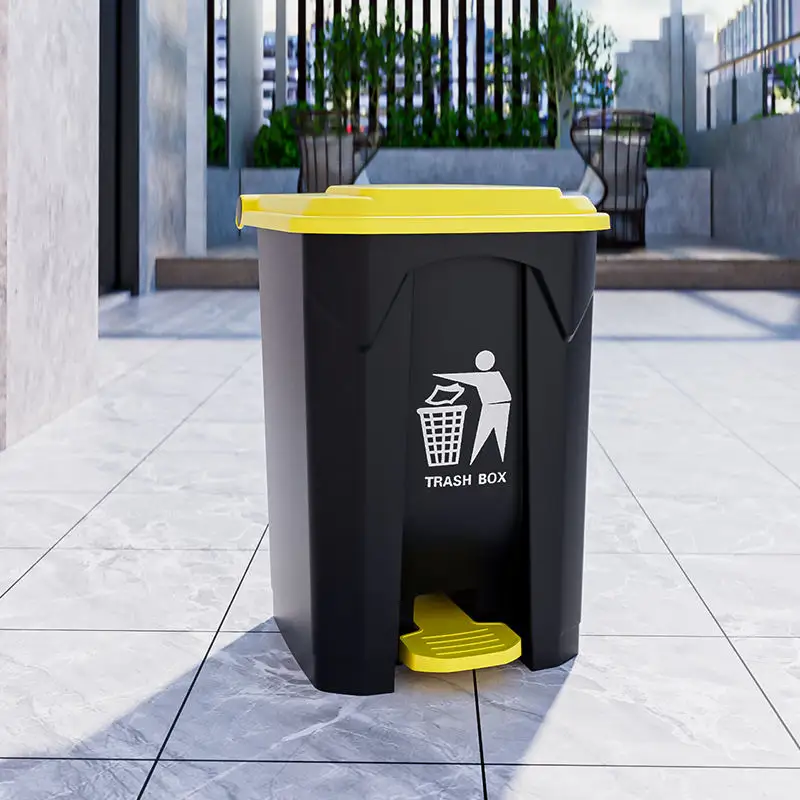
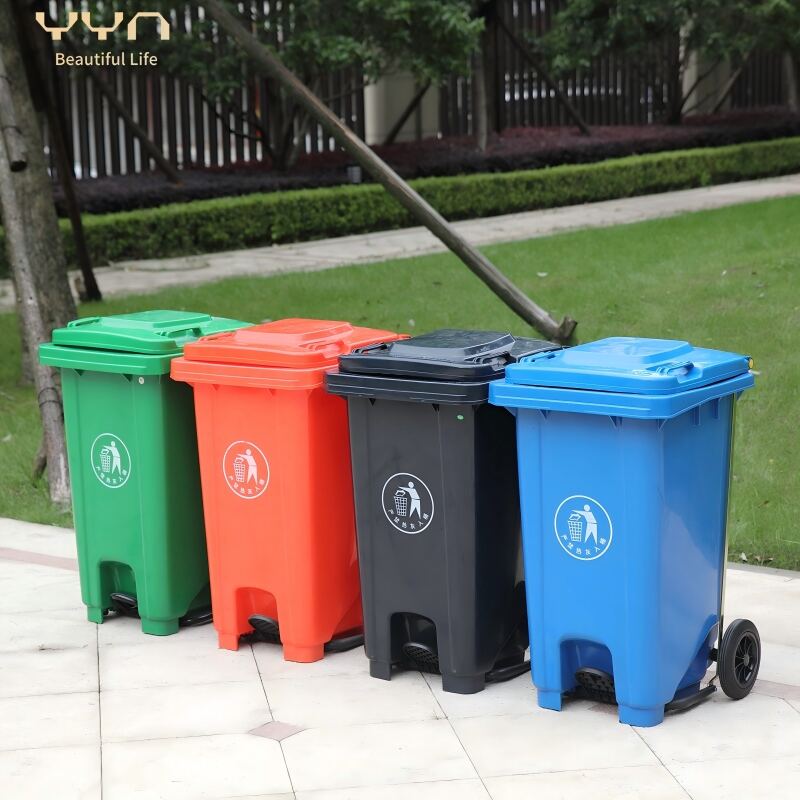
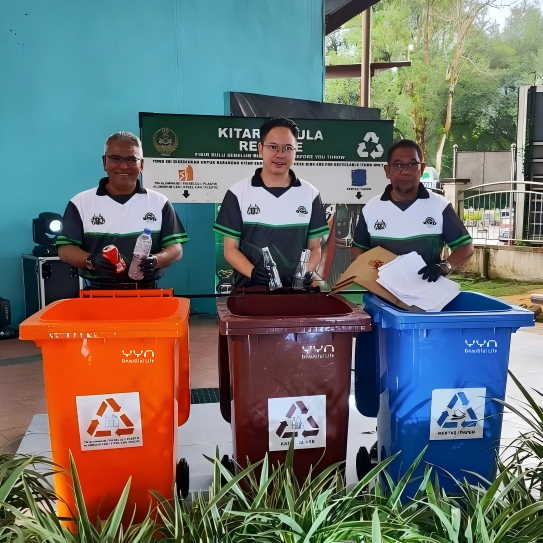
The industrial dustbin represents a critical component in modern waste management systems across manufacturing facilities, warehouses, construction sites, and commercial establishments. Unlike standard residential waste containers, an industrial dustbin is engineered to withstand the demanding conditions of high-volume waste generation and harsh operational environments. These robust waste management solutions feature reinforced construction, typically manufactured from heavy-duty materials such as high-density polyethylene, galvanized steel, or corrosion-resistant composites that ensure longevity and reliability in challenging industrial settings. The primary function of an industrial dustbin extends beyond simple waste collection to encompass efficient waste segregation, contamination prevention, and streamlined disposal processes that contribute to workplace safety and environmental compliance. Technological features integrated into modern industrial dustbin designs include ergonomic handling mechanisms, such as reinforced lifting points and compatibility with mechanical handling equipment like forklifts and pallet jacks, enabling safe transportation of heavy loads without manual strain. Many industrial dustbin models incorporate drainage systems to prevent liquid accumulation, ventilation features to reduce odor buildup, and secure locking mechanisms to prevent unauthorized access or wildlife interference. The applications of industrial dustbin solutions span diverse sectors including automotive manufacturing, food processing plants, pharmaceutical facilities, construction projects, hospitality operations, and municipal services. Each industrial dustbin can be customized with specific capacity options ranging from compact 120-liter units to massive 1100-liter containers, accommodating varying waste generation rates and spatial constraints. Color-coding systems and clear labeling options facilitate proper waste segregation for recyclables, general waste, hazardous materials, and organic refuse, supporting corporate sustainability initiatives and regulatory compliance requirements that govern industrial waste management practices across different jurisdictions and industry standards.

Popular Products

Investing in a quality industrial dustbin delivers substantial practical benefits that directly impact operational efficiency and cost management in your facility. First and foremost, durability stands as the cornerstone advantage, with properly selected industrial dustbin units lasting five to ten years longer than standard containers, eliminating frequent replacement costs and reducing long-term capital expenditure. The reinforced construction withstands impact damage from heavy machinery, extreme temperature fluctuations, and chemical exposure that would quickly deteriorate conventional bins, ensuring your waste management infrastructure remains functional regardless of operational intensity. Capacity optimization represents another significant advantage, as an appropriately sized industrial dustbin reduces collection frequency, lowering labor costs associated with waste removal and minimizing disruption to production workflows. Enhanced mobility features transform waste handling from a labor-intensive chore into a streamlined operation, with wheeled designs and ergonomic handles enabling single-person maneuverability even when containers approach full capacity, reducing workplace injury risks and improving employee productivity. Safety improvements extend beyond handling convenience, as properly designed industrial dustbin solutions incorporate features like rounded edges to prevent snag hazards, stable base designs that resist tipping, and secure lid mechanisms that contain waste during transport, creating a cleaner and safer work environment. Hygiene maintenance becomes significantly easier with smooth interior surfaces that resist waste adhesion and facilitate thorough cleaning, while drainage holes prevent liquid accumulation that fosters bacterial growth and unpleasant odors. Compliance advantages cannot be overlooked, as standardized industrial dustbin systems simplify adherence to waste segregation regulations, hazardous material handling requirements, and environmental reporting obligations, reducing your exposure to regulatory penalties and reputational damage. Versatility proves invaluable across changing operational needs, with modular industrial dustbin systems allowing you to adjust waste management capacity seasonally or as production volumes fluctuate without major infrastructure investments. Environmental benefits materialize through improved recycling participation rates when clearly marked industrial dustbin units make proper waste sorting intuitive for all staff members, supporting corporate sustainability goals while potentially generating revenue from recovered materials. Cost predictability emerges as a strategic advantage, with durable industrial dustbin investments delivering consistent performance that enables accurate budgeting for waste management operations without surprise replacement expenses or emergency repairs disrupting financial planning. The professional appearance of uniform industrial dustbin installations throughout your facility enhances corporate image during client visits and regulatory inspections, demonstrating organizational commitment to operational excellence and environmental responsibility that strengthens stakeholder confidence.

Latest News

Abei Launches New HDPE Trash Bins: More Durable for Outdoor Use

22

Jan

Abei Launches New HDPE Trash Bins: More Durable for Outdoor Use

View More
Abei Partners with Southeast Asian Sanitation Company: Overseas Market Growth

22

Jan

Abei Partners with Southeast Asian Sanitation Company: Overseas Market Growth

View More
Abei’s Taobao Store Reaches 5,000 Followers: C-end Market Expansion

22

Jan

Abei’s Taobao Store Reaches 5,000 Followers: C-end Market Expansion

View More

Get a Free Quote

Our representative will contact you soon.
Email
Mobile/WhatsApp
Name
Company Name
Attachment
Please upload at least an attachment
Up to 3 files, each no larger than 30MB. Supported formats: jpg, jpeg, png, pdf, doc, docx, xls, xlsx, csv, txt, stp, step, igs, x_t, dxf, prt, sldprt, sat, rar, zip.
Message
0/1000

industrial dustbin

Exceptional Durability and Material Engineering

Exceptional Durability and Material Engineering

The material composition and construction methodology of an industrial dustbin fundamentally determines its performance characteristics and service lifespan in demanding operational environments. Premium industrial dustbin models utilize advanced materials science to deliver unmatched durability that withstands conditions that would rapidly destroy conventional waste containers. High-density polyethylene formulations incorporate UV stabilizers that prevent photodegradation from prolonged sun exposure, maintaining structural integrity and color consistency even in outdoor applications where cheaper alternatives become brittle and crack within months. The molecular structure of properly engineered plastics provides natural chemical resistance, allowing an industrial dustbin to safely contain acidic, alkaline, or solvent-contaminated waste without suffering material degradation that leads to leaks or structural failure. Metal industrial dustbin variants employ galvanized steel or powder-coated finishes that create protective barriers against corrosion, particularly valuable in coastal environments or facilities where moisture exposure remains constant. Reinforcement engineering represents another critical dimension of industrial dustbin durability, with strategic ribbing patterns and double-wall construction techniques distributing impact forces across broader surface areas, preventing the stress concentration that causes crack initiation. Base designs incorporate reinforced contact points that maintain structural integrity despite repeated impacts from forklifts and loading equipment, while rim reinforcements prevent deformation that would compromise lid sealing or automated lifting compatibility. Temperature resilience ensures an industrial dustbin maintains functionality across extreme thermal ranges, with quality materials remaining flexible in freezing conditions while resisting warping in high-heat environments like foundries or outdoor summer storage. This thermal stability proves particularly crucial for facilities operating in regions with significant seasonal temperature variation or specialized industrial processes generating heat. The manufacturing precision applied to industrial dustbin production ensures consistent wall thickness without weak points, utilizing injection molding or rotational molding processes that create seamless construction without joints or seams where failure typically originates. Load-bearing capacity receives careful engineering attention, with structural designs enabling industrial dustbin units to support weight loads far exceeding their nominal capacity without compromising mobility or safety features, accommodating occasional overloading without permanent damage.
Advanced Mobility and Ergonomic Handling Systems

Advanced Mobility and Ergonomic Handling Systems

The handling characteristics of an industrial dustbin directly influence operational efficiency, workplace safety, and the overall effectiveness of waste management protocols within busy facilities. Recognizing that waste containers serve no purpose if workers cannot efficiently move them when needed, manufacturers have developed sophisticated mobility solutions that transform an industrial dustbin from a static receptacle into a dynamic component of material handling workflows. Wheel engineering represents the foundation of industrial dustbin mobility, with premium models incorporating oversized polyurethane or solid rubber wheels that roll smoothly over uneven surfaces, expansion joints, and debris-scattered floors common in industrial settings. Four-wheel configurations provide superior stability during transport while enabling tight-radius maneuvering through crowded warehouse aisles and production areas, whereas two-wheel tilting designs optimize space efficiency during storage while facilitating controlled dumping into compactors or collection vehicles. Bearing systems within wheel assemblies utilize sealed, corrosion-resistant components that maintain smooth operation despite exposure to moisture, dust, and temperature extremes, eliminating the frustrating resistance that makes moving poorly maintained containers a physically demanding task. Swivel caster technology on front wheels enables precise directional control, allowing operators to navigate an industrial dustbin through narrow doorways and around obstacles with minimal physical effort, reducing the musculoskeletal strain associated with awkward pushing or pulling motions. Ergonomic handle designs incorporate human factors engineering principles, positioning grip points at optimal heights that enable workers of varying statures to apply force efficiently without excessive bending or reaching. Some advanced industrial dustbin models feature dual-height handles accommodating both pushing and pulling preferences, while textured grip surfaces prevent slippage even when operators wear protective gloves or encounter wet conditions. Brake mechanisms provide essential safety functionality, with foot-operated locks securing an industrial dustbin in position during loading operations or on inclined surfaces, preventing unexpected movement that could cause injuries or spills. Compatibility with mechanical handling equipment exponentially expands industrial dustbin utility, with standardized pocket dimensions enabling forklift engagement for moving multiple units simultaneously or positioning containers in elevated locations. Integration with automated waste collection vehicles represents another mobility dimension, where standardized lifting lug positions and dimensional specifications ensure an industrial dustbin interfaces seamlessly with hydraulic lifting mechanisms, eliminating manual handling during the disposal process entirely.
Intelligent Design Features for Operational Excellence

Intelligent Design Features for Operational Excellence

Beyond basic waste containment, a thoughtfully designed industrial dustbin incorporates numerous specialized features that address practical operational challenges and enhance overall facility management effectiveness. Lid systems represent a critical design element, with options ranging from fully removable covers facilitating bulk loading to hinged designs that remain attached during use, preventing loss and ensuring proper closure after each disposal action. Some industrial dustbin models feature foot-pedal lid operation, enabling hands-free access that maintains hygiene when workers handle contaminated materials or need to dispose of waste while carrying tools or components. Lid locking mechanisms serve multiple purposes, from preventing unauthorized waste deposits that could compromise segregation efforts to securing contents during transport or deterring wildlife access in outdoor storage areas. Odor control features integrated into advanced industrial dustbin designs include activated carbon filters or ventilation configurations that allow gas escape while preventing odor emission, particularly valuable for organic waste or applications in customer-facing areas where aesthetics matter. Identification and labeling systems transform an industrial dustbin into an active component of waste segregation programs, with molded-in pictograms, color-coded bodies, and customizable label areas ensuring workers instantly recognize proper disposal destinations for different waste streams. Drainage systems address the practical challenge of liquid accumulation, with strategically positioned holes allowing water egress while sized to prevent solid waste escape, maintaining container hygiene and reducing weight during handling. Interior surface treatments utilize texture patterns or coatings that minimize waste adhesion, simplifying cleaning procedures and reducing the bacterial colonization that creates persistent odors and hygiene concerns. Nesting and stacking capabilities optimize storage efficiency when an industrial dustbin units are not in active service, with tapered designs allowing empty containers to stack compactly, reducing warehouse space requirements and transportation costs when deploying containers to new locations. Weight distribution engineering ensures an industrial dustbin remains stable throughout the filling process, with low center-of-gravity designs preventing tip-over incidents even when contents shift during movement or wind affects outdoor installations. Visibility enhancements such as reflective strips or high-visibility colors improve safety in low-light environments or high-traffic areas where an industrial dustbin might present a collision hazard to vehicle operators or pedestrians. Capacity indicators provide visual reference for fill levels, enabling proactive collection scheduling that prevents overflow situations while optimizing collection route efficiency by ensuring trucks service only containers requiring emptying.

Get a Free Quote

Our representative will contact you soon.
Email
Mobile/WhatsApp
Name
Company Name
Attachment
Please upload at least an attachment
Up to 3 files, each no larger than 30MB. Supported formats: jpg, jpeg, png, pdf, doc, docx, xls, xlsx, csv, txt, stp, step, igs, x_t, dxf, prt, sldprt, sat, rar, zip.
Message
0/1000