Commercial Recycle Trash Cans - Durable Multi-Stream Waste Sorting Solutions for Businesses

commercial recycle trash cans

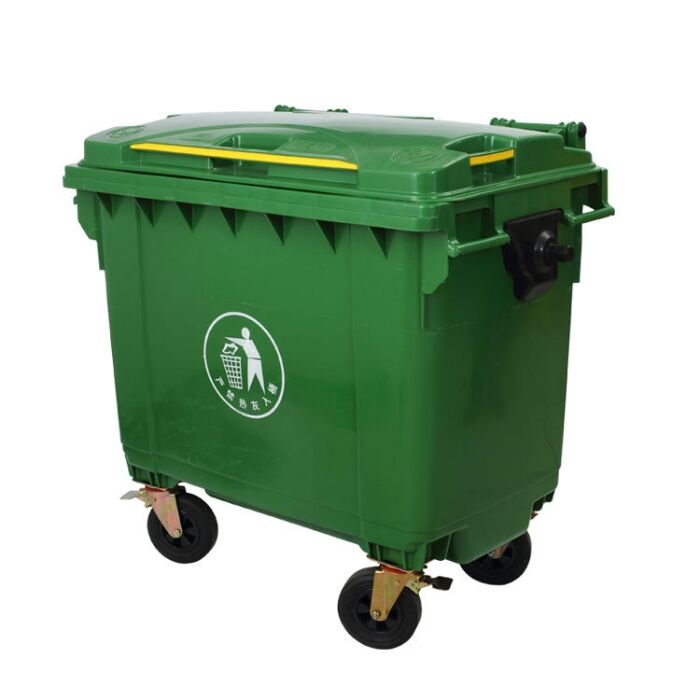
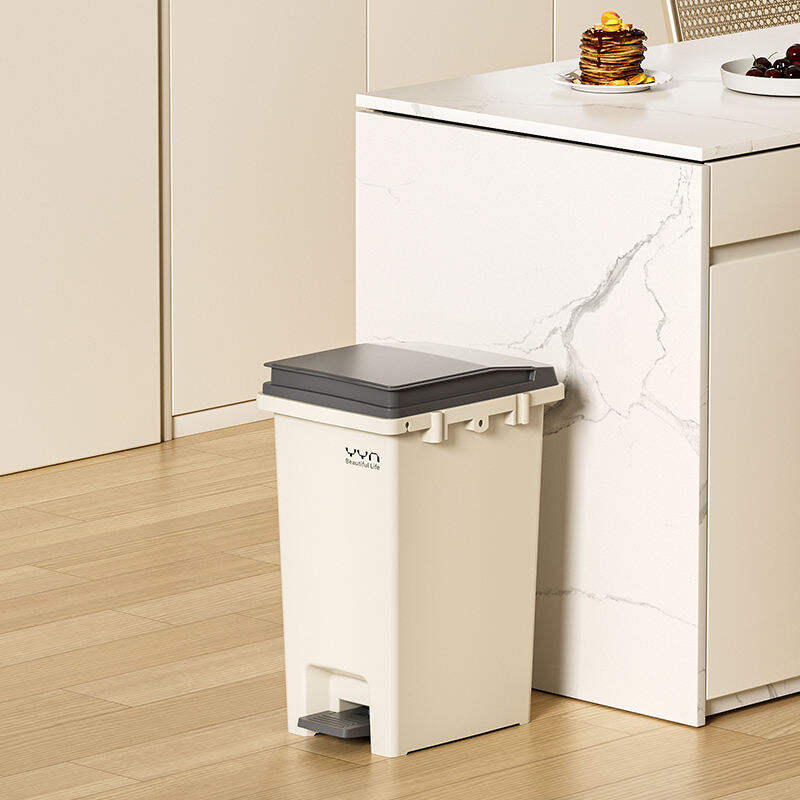
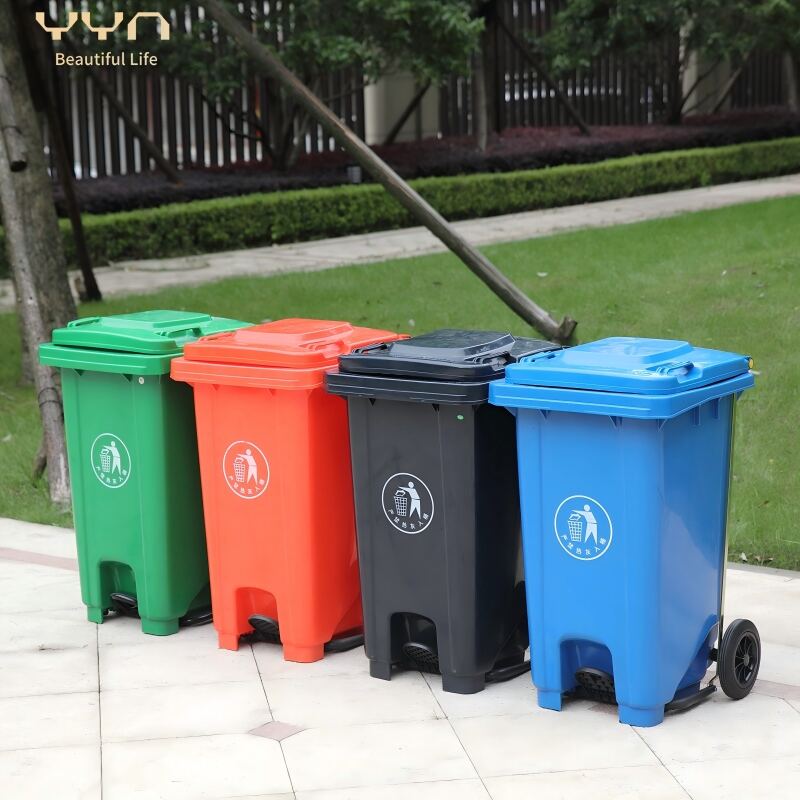
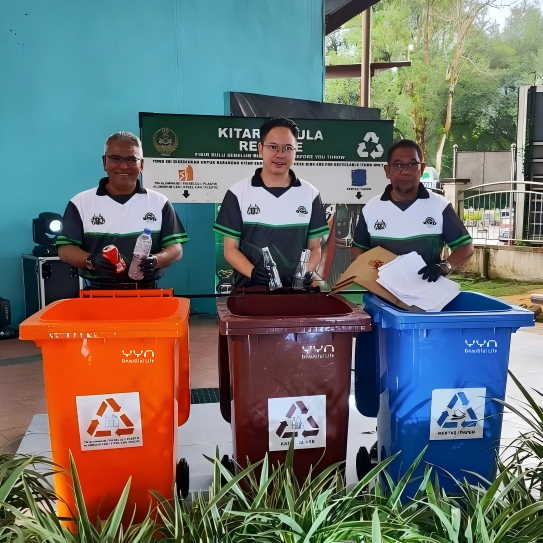
Commercial recycle trash cans represent essential infrastructure for modern businesses, institutions, and public spaces committed to environmental sustainability and efficient waste management. These specialized receptacles are engineered specifically to facilitate the separation and collection of recyclable materials in high-traffic commercial environments. Unlike standard waste containers, commercial recycle trash cans feature multiple compartments designed to sort different recyclable streams including paper, plastic, glass, metal, and organic waste. The primary function of commercial recycle trash cans is to streamline the recycling process by enabling users to properly dispose of materials at the point of generation, significantly reducing contamination rates and improving the overall quality of collected recyclables. Technologically, these units incorporate clearly marked openings with color-coded lids and visual signage that guide users toward correct disposal practices. Many advanced models include removable inner buckets or bags that simplify collection procedures for maintenance staff, while durable construction using materials such as powder-coated steel, heavy-duty plastic, or stainless steel ensures longevity even in demanding commercial settings. Commercial recycle trash cans find applications across diverse environments including corporate office buildings, shopping centers, airports, educational campuses, healthcare facilities, hospitality venues, municipal parks, and entertainment complexes. In retail environments, these receptacles help businesses meet corporate sustainability goals while demonstrating environmental responsibility to customers. Educational institutions utilize commercial recycle trash cans to promote environmental awareness among students while managing substantial waste volumes. Healthcare facilities benefit from specialized configurations that accommodate medical waste segregation alongside standard recyclables. The strategic placement of commercial recycle trash cans in break rooms, lobbies, cafeterias, and outdoor spaces creates a comprehensive waste management network that supports organizational recycling objectives while contributing to broader environmental conservation efforts and potentially reducing disposal costs through waste diversion programs.
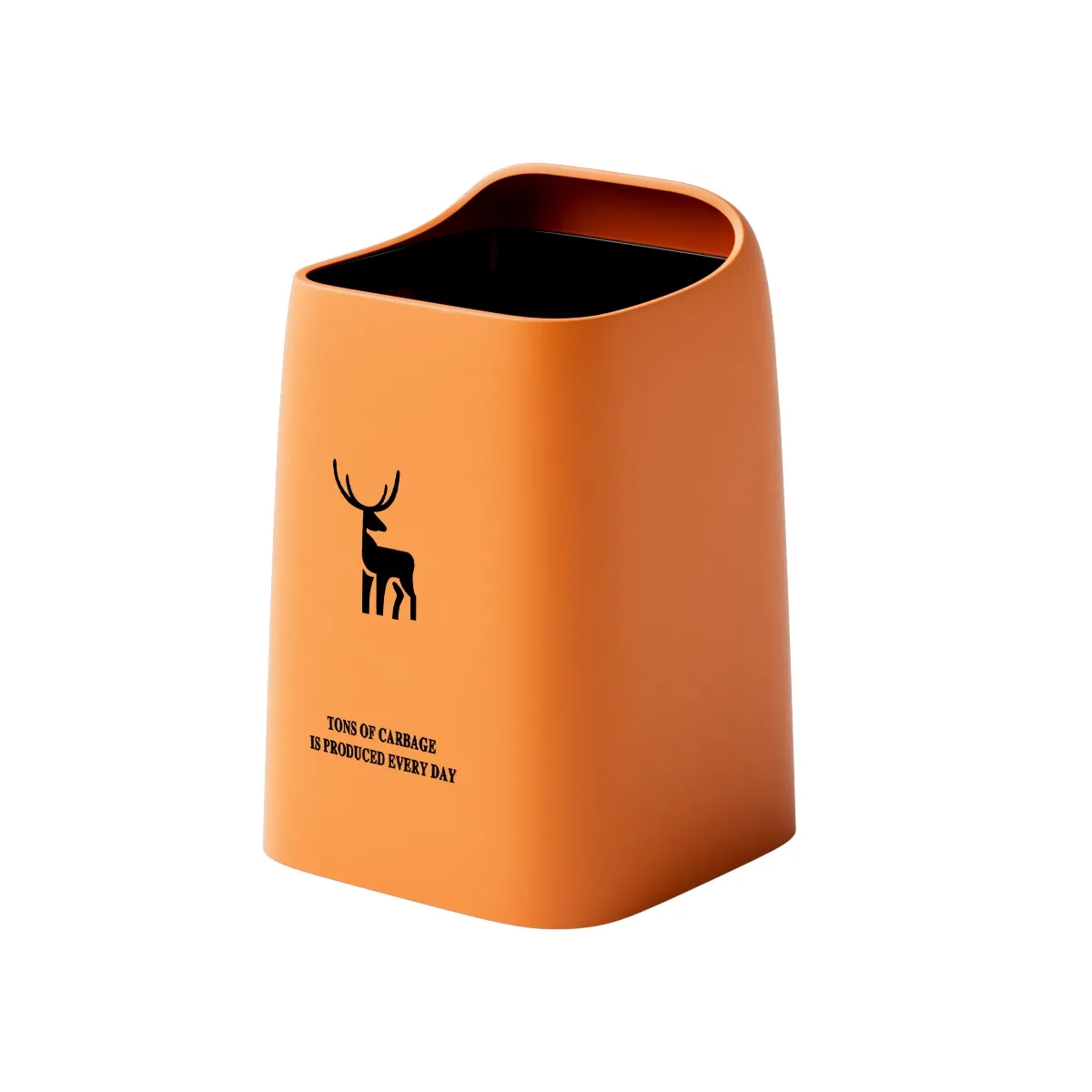
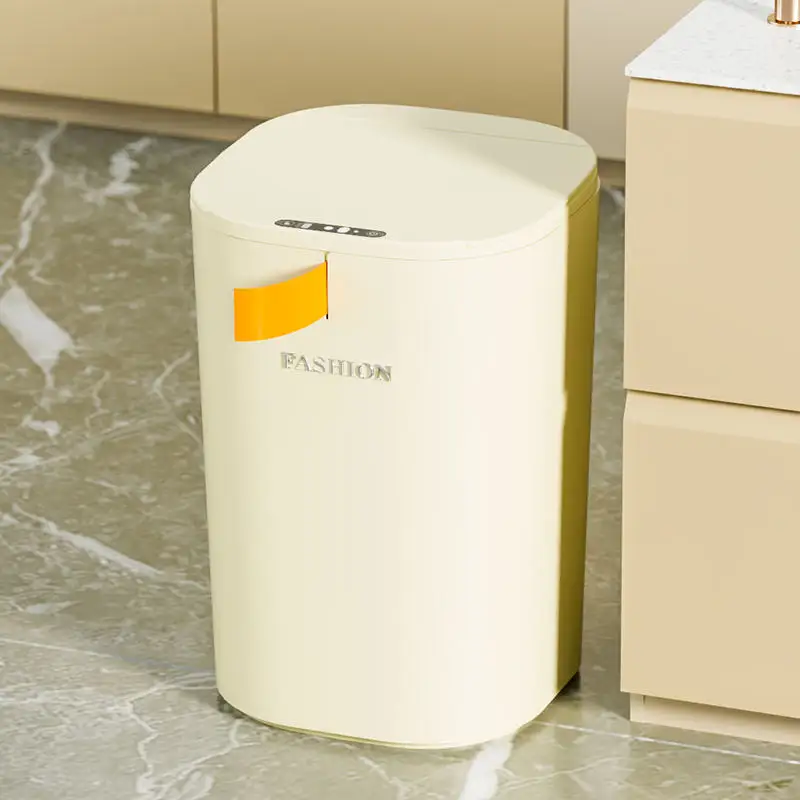
Popular Products

The implementation of commercial recycle trash cans delivers numerous tangible benefits that directly impact operational efficiency and organizational values. First and foremost, these specialized containers dramatically increase recycling participation rates by making proper waste separation convenient and intuitive for employees, customers, and visitors. When people encounter clearly labeled commercial recycle trash cans with designated openings for specific materials, they naturally engage in correct sorting behavior without requiring extensive training or deliberation. This ease of use translates directly into higher recycling volumes and lower contamination rates, which means more materials successfully enter the recycling stream rather than ending up in landfills. From a financial perspective, commercial recycle trash cans help organizations reduce waste disposal expenses significantly. Many municipalities and waste management providers charge premium rates for trash removal while offering reduced fees or even revenue sharing for recyclable materials. By diverting substantial portions of waste into recycling channels, businesses can lower their overall waste management budgets considerably. The durability of commercial recycle trash cans represents another practical advantage that affects long-term value. These units withstand constant use, weather exposure in outdoor applications, and the physical demands of commercial cleaning operations without cracking, fading, or requiring frequent replacement. This resilience means businesses make a one-time investment that continues performing reliably for many years. Commercial recycle trash cans also enhance facility aesthetics by replacing mismatched or makeshift recycling solutions with coordinated, professional-looking receptacles that complement interior design and architectural elements. This visual consistency reinforces the perception of a well-managed, forward-thinking organization. Furthermore, these containers support corporate sustainability initiatives and help businesses achieve environmental certifications such as LEED credits or ISO environmental management standards. Many companies now face stakeholder pressure to demonstrate measurable environmental progress, and implementing comprehensive recycling programs using commercial recycle trash cans provides visible, quantifiable evidence of commitment. The maintenance efficiency gains should not be overlooked either. Commercial recycle trash cans with removable liners and accessible designs allow cleaning staff to service multiple waste streams quickly without complicated procedures or specialized tools. This operational simplicity reduces labor time and ensures consistent service quality across facilities. Additionally, some advanced models incorporate odor control features, pest-resistant designs, and fire-safe materials that address common concerns in commercial environments while maintaining recycling functionality.

Practical Tips

Abei Launches New HDPE Trash Bins: More Durable for Outdoor Use

22

Jan

Abei Launches New HDPE Trash Bins: More Durable for Outdoor Use

View More
Abei Partners with Southeast Asian Sanitation Company: Overseas Market Growth

22

Jan

Abei Partners with Southeast Asian Sanitation Company: Overseas Market Growth

View More
Abei’s Taobao Store Reaches 5,000 Followers: C-end Market Expansion

22

Jan

Abei’s Taobao Store Reaches 5,000 Followers: C-end Market Expansion

View More

Get a Free Quote

Our representative will contact you soon.
Email
Mobile/WhatsApp
Name
Company Name
Attachment
Please upload at least an attachment
Up to 3 files, each no larger than 30MB. Supported formats: jpg, jpeg, png, pdf, doc, docx, xls, xlsx, csv, txt, stp, step, igs, x_t, dxf, prt, sldprt, sat, rar, zip.
Message
0/1000

commercial recycle trash cans

Multi-Stream Sorting Capability for Maximum Diversion Efficiency

Multi-Stream Sorting Capability for Maximum Diversion Efficiency

The defining characteristic of premium commercial recycle trash cans is their sophisticated multi-stream sorting capability, which fundamentally transforms how organizations approach waste management. Unlike single-bin solutions that rely on post-collection sorting, these advanced receptacles enable source separation, meaning materials are correctly categorized at the moment of disposal. This approach is critically important because contamination represents the primary challenge facing recycling programs worldwide. When non-recyclable items mix with recyclables or when different recyclable materials combine inappropriately, entire batches may be rejected by processing facilities and diverted to landfills. Commercial recycle trash cans address this problem through thoughtful design featuring distinct compartments for different material types. Typical configurations include separate sections for mixed paper, cardboard, plastic bottles, aluminum cans, glass containers, and general refuse. More advanced models may incorporate additional streams for organic waste composting, electronic waste, or batteries. Each compartment features specifically designed openings that physically guide proper disposal. For example, a narrow slot accommodates paper and cardboard while preventing larger items from entering, whereas a circular opening suits bottles and cans. These intuitive physical cues work in conjunction with clear visual labeling, often incorporating both text and universally recognized symbols that transcend language barriers. The multi-stream approach delivers measurable results in recycling program performance. Organizations that implement commercial recycle trash cans with proper stream separation typically see contamination rates drop below ten percent compared to single-bin systems that may experience contamination exceeding thirty percent. This improvement directly affects the economic viability of recycling programs since cleaner material streams command higher market values and face fewer rejection issues at processing facilities. From a behavioral psychology perspective, multi-stream commercial recycle trash cans leverage the principle of commitment and consistency. When individuals take the extra moment to identify the correct compartment and dispose of materials properly, they reinforce their self-image as environmentally conscious, making them more likely to continue these behaviors. The visible separation also creates social accountability in shared spaces, as people observe others making sorting decisions, establishing positive behavioral norms. For facility managers, the multi-stream design simplifies logistics by pre-sorting materials that would otherwise require manual separation later, reducing labor costs and improving worker safety by minimizing contact with mixed waste.
Industrial-Grade Construction Ensuring Long-Term Durability

Industrial-Grade Construction Ensuring Long-Term Durability

Commercial recycle trash cans distinguish themselves through robust industrial-grade construction that withstands the demanding conditions of high-traffic commercial environments where standard residential receptacles would quickly fail. This durability factor represents a crucial value proposition for organizations making infrastructure investments, as the true cost of any equipment extends beyond initial purchase price to include maintenance, replacement frequency, and operational disruptions. Premium commercial recycle trash cans utilize materials specifically selected for their performance characteristics in commercial applications. Heavy-gauge steel with powder-coat finishing provides exceptional impact resistance while preventing rust and corrosion, making these units suitable for both indoor and outdoor placement. The powder-coating process creates a finish significantly more durable than conventional paint, resisting scratches, chips, and fading from UV exposure. For environments requiring maximum corrosion resistance such as coastal locations or facilities using aggressive cleaning chemicals, stainless steel commercial recycle trash cans offer superior longevity, though at a higher initial investment. High-density polyethylene represents another popular construction material, particularly for commercial recycle trash cans in outdoor applications. This plastic formulation resists cracking in temperature extremes, will not rust or corrode, and maintains structural integrity under significant impact. The engineering of commercial recycle trash cans extends beyond material selection to structural design principles. Reinforced corners, double-wall construction, and strategically placed support ribs distribute stress and prevent deformation even when receptacles are moved while full. Base designs incorporate stability features that prevent tipping during use or in windy conditions, while still allowing reasonable portability for cleaning and repositioning. Hardware components such as hinges, latches, and lid supports utilize commercial-grade materials like stainless steel or reinforced nylon that withstand thousands of operation cycles without failure. This attention to component quality prevents the common failure mode where receptacles remain structurally sound but become non-functional due to broken lids or latches. The long-term financial implications of this durability are substantial. While commercial recycle trash cans command higher initial prices than consumer-grade alternatives, their operational lifespan often exceeds ten to fifteen years in typical commercial use, compared to two to three years for standard receptacles. This extended service life reduces replacement costs, eliminates the frequent procurement and disposal cycles, and maintains consistent aesthetic appearance across facilities without the patchwork look that develops when units are replaced incrementally.
Customizable Configurations Addressing Specific Operational Needs

Customizable Configurations Addressing Specific Operational Needs

The versatility of modern commercial recycle trash cans manifests through extensive customization options that allow organizations to align waste management infrastructure precisely with operational requirements, aesthetic preferences, and specific recycling program objectives. This adaptability represents a significant evolution from one-size-fits-all approaches, recognizing that a corporate headquarters, university student union, hospital cafeteria, and shopping mall concourse each present unique demands. Capacity customization forms the foundation of appropriate specification, with commercial recycle trash cans available in volumes ranging from compact twenty-gallon units suitable for office break rooms to substantial ninety-six-gallon systems serving high-volume public spaces. Right-sizing capacity to actual waste generation prevents overflow situations that compromise recycling program credibility while avoiding oversized units that waste valuable floor space and create servicing inefficiencies. Stream configuration represents another critical customization dimension. Organizations can specify the exact combination of recycling compartments matching their waste composition and local recycling infrastructure capabilities. A corporate office might emphasize paper and beverage container separation, while a food service environment would prioritize organic waste diversion alongside standard recyclables. Some manufacturers offer modular commercial recycle trash cans where individual stream units can be added, removed, or rearranged as program needs evolve, providing future-proof flexibility. Aesthetic customization ensures commercial recycle trash cans complement rather than detract from carefully designed interior and exterior environments. Finish options span extensive color palettes allowing coordination with corporate branding or architectural elements. Upscale hospitality and retail environments can select premium finishes like brushed stainless steel or wood-grain textures that maintain recycling functionality while meeting elevated design standards. Custom graphics, logos, and messaging transform commercial recycle trash cans into branded environmental communication tools that reinforce organizational values. Functional accessories expand capabilities to address specific challenges. Ash receptacles integrate with outdoor commercial recycle trash cans in designated smoking areas. Secure locking mechanisms prevent tampering or unauthorized access in sensitive environments. Specialized openings accommodate unique items like bottle returns or document destruction. Weather protection features like rain bonnets and drain holes prevent water accumulation in outdoor units. Wheels and handles enhance portability for temporary event applications. This customization extends to signage systems as well. While standard labeling serves general purposes, organizations can implement customized educational graphics that address specific contamination issues observed in their facilities. Multilingual labeling serves diverse populations, while pictographic systems ensure universal understanding. Some commercial recycle trash cans incorporate digital displays or QR codes linking to detailed recycling information, bridging physical infrastructure with educational content.

Get a Free Quote

Our representative will contact you soon.
Email
Mobile/WhatsApp
Name
Company Name
Attachment
Please upload at least an attachment
Up to 3 files, each no larger than 30MB. Supported formats: jpg, jpeg, png, pdf, doc, docx, xls, xlsx, csv, txt, stp, step, igs, x_t, dxf, prt, sldprt, sat, rar, zip.
Message
0/1000