Sustainable Materials and Construction for Long-Term Durability
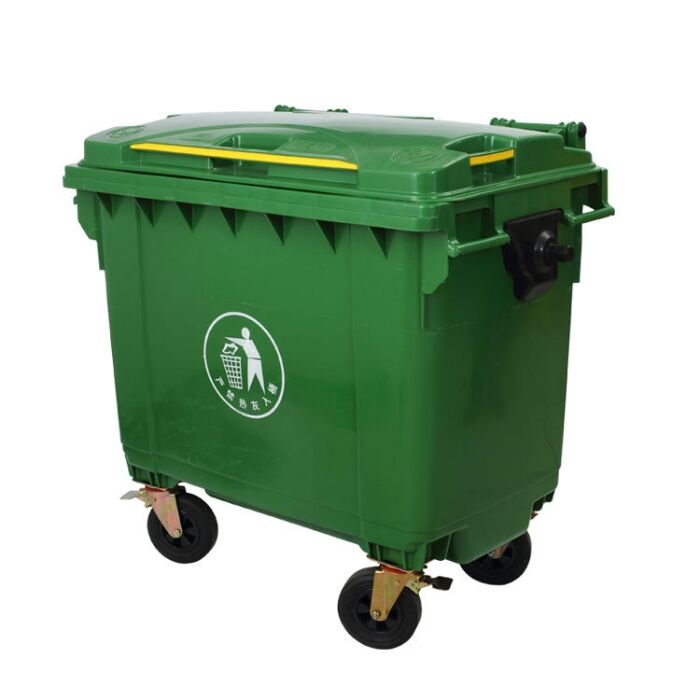
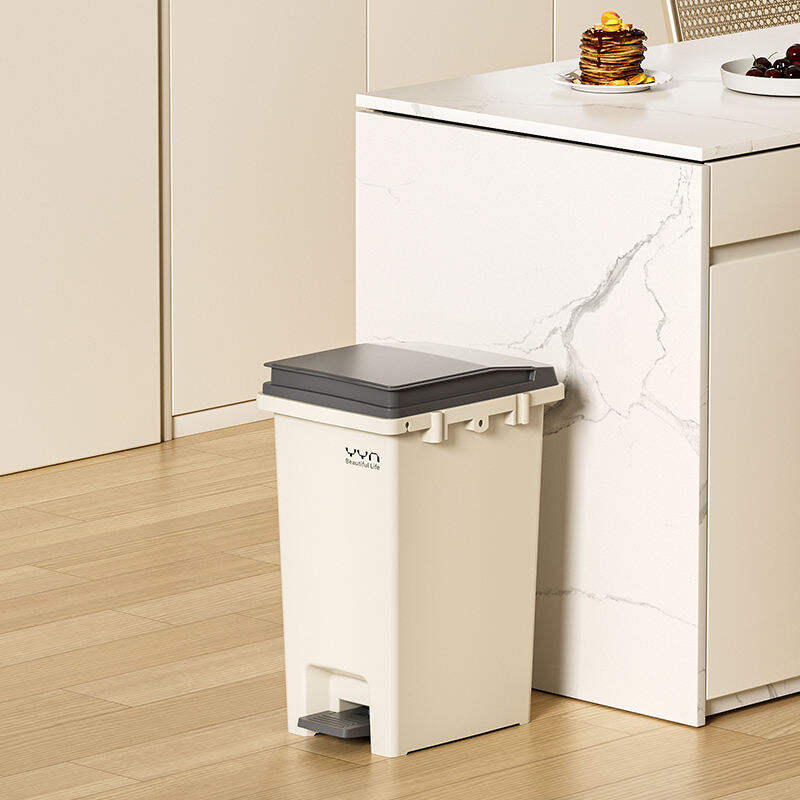
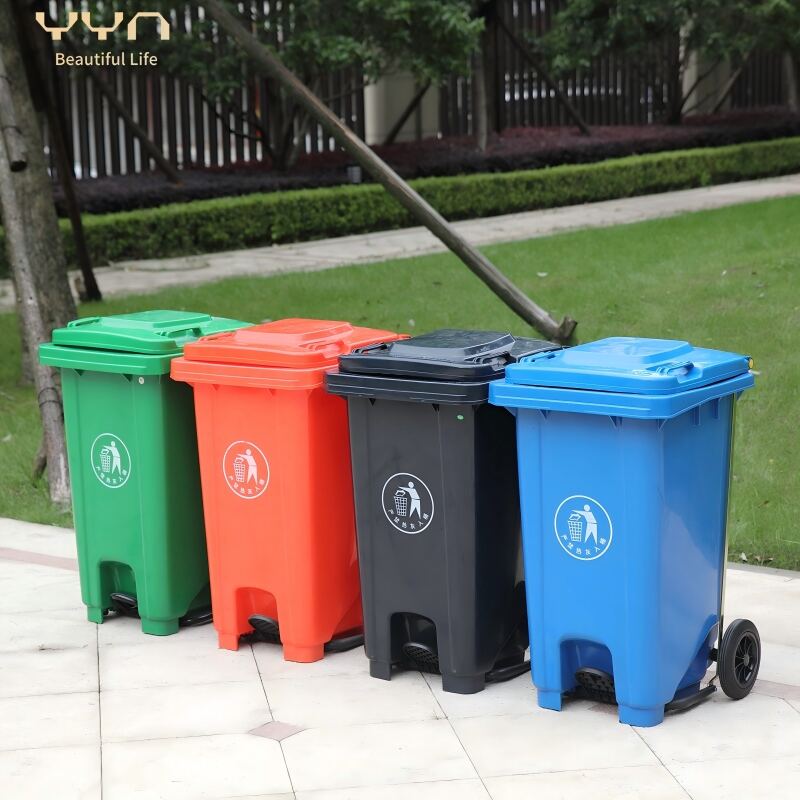
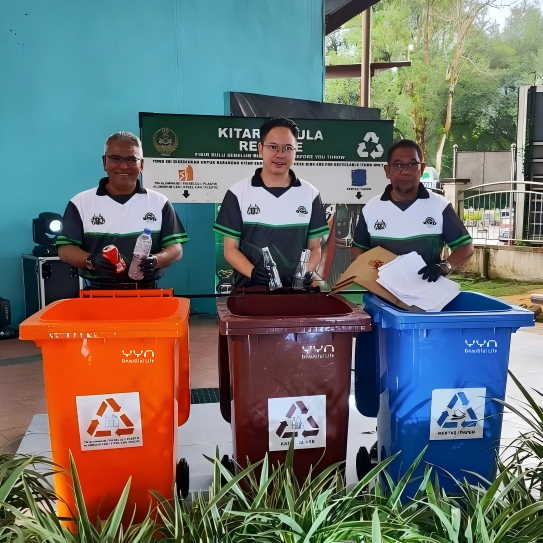
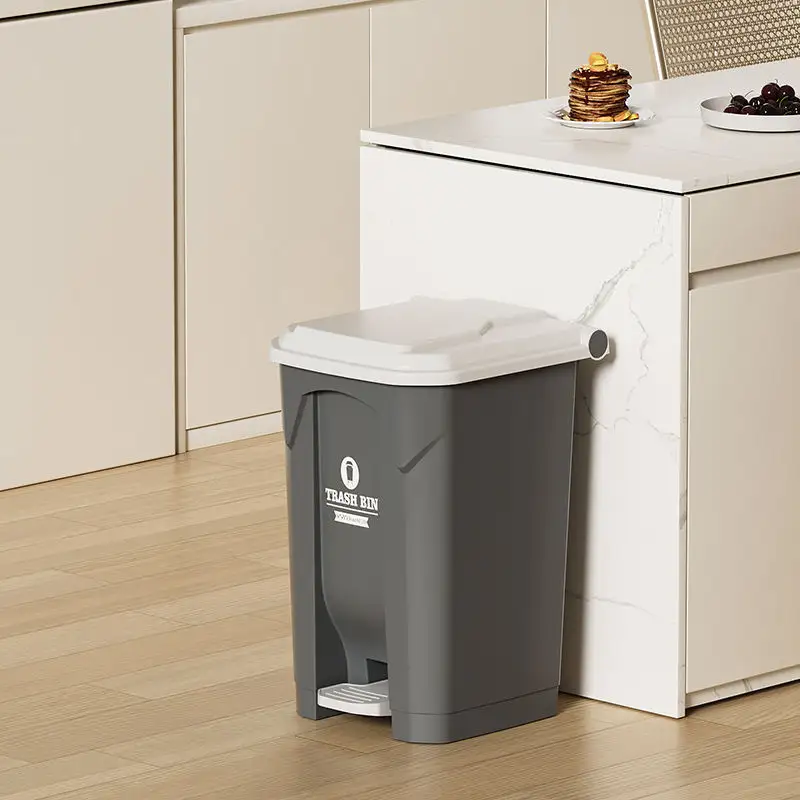
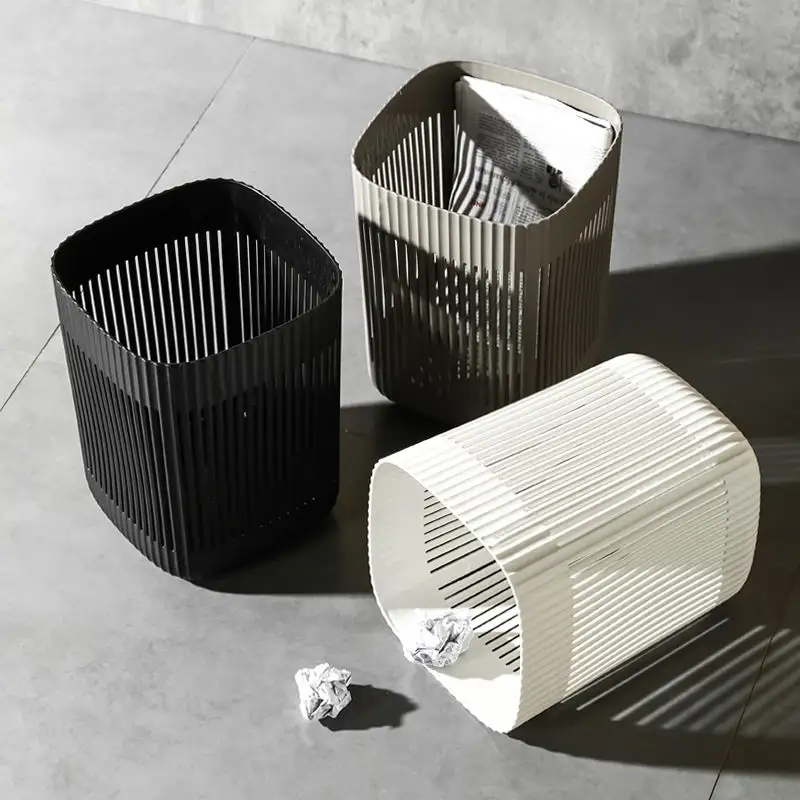
The construction methodology and material selection used in manufacturing eco-friendly commercial recycling bin products demonstrates how sustainability and durability can work together to create superior value. These bins are predominantly manufactured from post-consumer recycled plastics, recycled steel, or sustainably harvested materials, ensuring that the product itself embodies circular economy principles. By utilizing recycled content, manufacturers reduce the demand for virgin materials, conserve natural resources, and decrease the carbon footprint associated with raw material extraction and processing. The eco-friendly commercial recycling bin construction process emphasizes longevity through reinforced designs that withstand the demanding conditions of high-traffic commercial environments. Heavy-gauge materials, reinforced corners, and impact-resistant surfaces ensure these units maintain structural integrity and aesthetic appeal despite daily use by hundreds of people. This durability translates directly to lower total cost of ownership, as businesses avoid frequent replacements that would otherwise generate additional expenses and environmental impacts. The sustainable approach extends beyond material selection to include manufacturing processes that minimize waste, reduce energy consumption, and limit emissions during production. Many eco-friendly commercial recycling bin manufacturers have achieved third-party environmental certifications that verify sustainability claims and provide transparency about environmental performance throughout the product lifecycle. The weather-resistant properties built into outdoor-rated models ensure reliable performance in diverse climates, with UV-stabilized materials that resist fading and degradation from sun exposure, and corrosion-resistant finishes that maintain appearance in rain, snow, and humidity. Indoor models feature smooth surfaces that facilitate easy cleaning and sanitation, important considerations for maintaining hygienic environments in healthcare, food service, and educational settings. The eco-friendly commercial recycling bin design incorporates principles of design for disassembly, meaning components can be separated at end-of-life for material recovery and recycling, closing the loop on product lifecycle management. Modular construction allows damaged components to be replaced individually rather than discarding entire units, extending useful life and reducing waste. The sustainable material choices do not compromise aesthetic options, with eco-friendly commercial recycling bin products available in various colors, finishes, and styles that complement different architectural environments from modern corporate offices to traditional institutional settings. Customization options including logo placement and color matching help integrate recycling infrastructure seamlessly into branded spaces while maintaining design coherence. The investment in quality sustainable construction pays long-term dividends through reduced replacement cycles, lower maintenance requirements, and alignment with corporate environmental commitments that increasingly influence procurement decisions. Organizations seeking to demonstrate authentic sustainability leadership recognize that infrastructure choices like eco-friendly commercial recycling bin selection send powerful messages about values and priorities to employees, customers, and community stakeholders who evaluate environmental performance across all operational dimensions.

 EN
EN