large commercial recycling bin
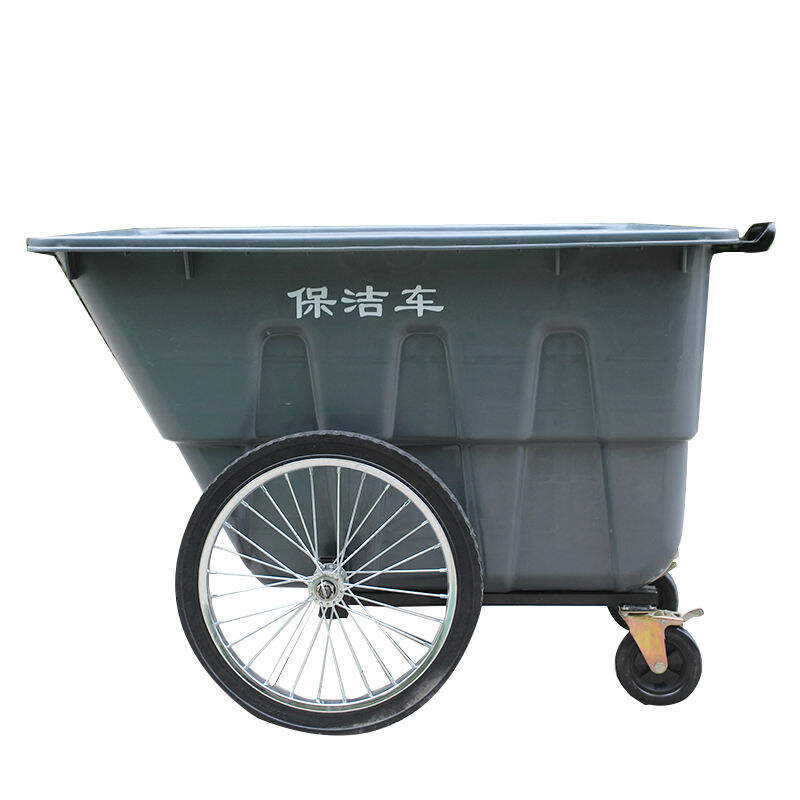
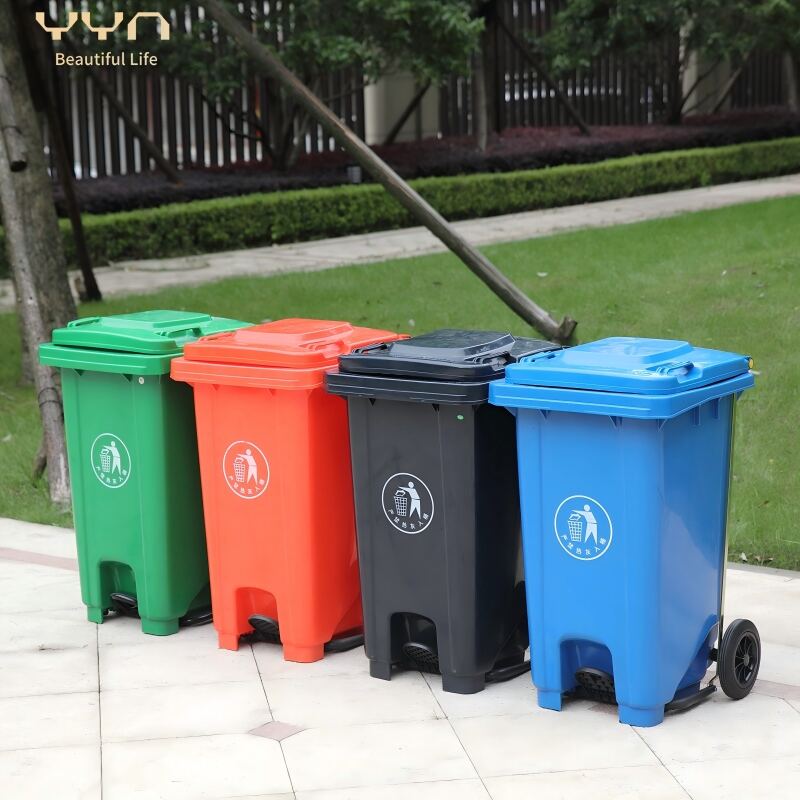
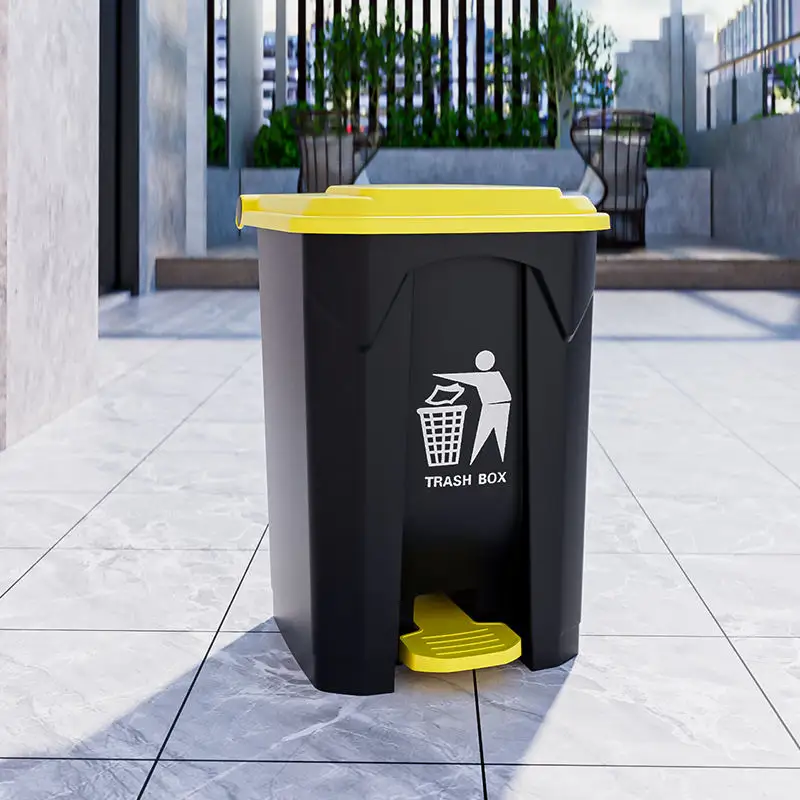
A large commercial recycling bin represents an essential waste management solution designed specifically for businesses, institutions, and organizations that generate substantial volumes of recyclable materials. These robust containers typically range from 2 to 8 cubic yards in capacity, providing ample space to accommodate the recycling needs of office complexes, retail centers, educational facilities, manufacturing plants, and hospitality venues. The large commercial recycling bin serves as a centralized collection point for various recyclable materials including paper, cardboard, plastics, metals, and glass, helping organizations streamline their waste diversion efforts while contributing to environmental sustainability goals. Modern large commercial recycling bin units incorporate advanced design elements that enhance durability, functionality, and user convenience. Constructed from high-grade materials such as heavy-duty steel or reinforced polyethylene, these bins withstand harsh outdoor conditions, frequent use, and the weight of accumulated recyclables. Many models feature weather-resistant coatings that prevent rust and corrosion, ensuring long-term performance even in challenging climates. The technological features integrated into contemporary large commercial recycling bin designs include wheels or casters for easy mobility, secure locking mechanisms to prevent unauthorized access or theft, and clearly marked identification labels that facilitate proper material sorting. Some advanced models incorporate smart sensors that monitor fill levels and transmit data to waste management systems, enabling optimized collection schedules that reduce operational costs and carbon emissions. The applications of a large commercial recycling bin extend across virtually every commercial sector, from restaurants and hotels that process significant amounts of food-grade packaging to construction sites managing metal scraps and wood materials. Educational institutions utilize these bins to support campus-wide sustainability initiatives, while corporate offices deploy them as part of comprehensive green building programs that aim to achieve LEED certification or similar environmental standards.


 EN
EN