Bulk Waste Bins - Durable Large Capacity Waste Management Solutions

bulk waste bins

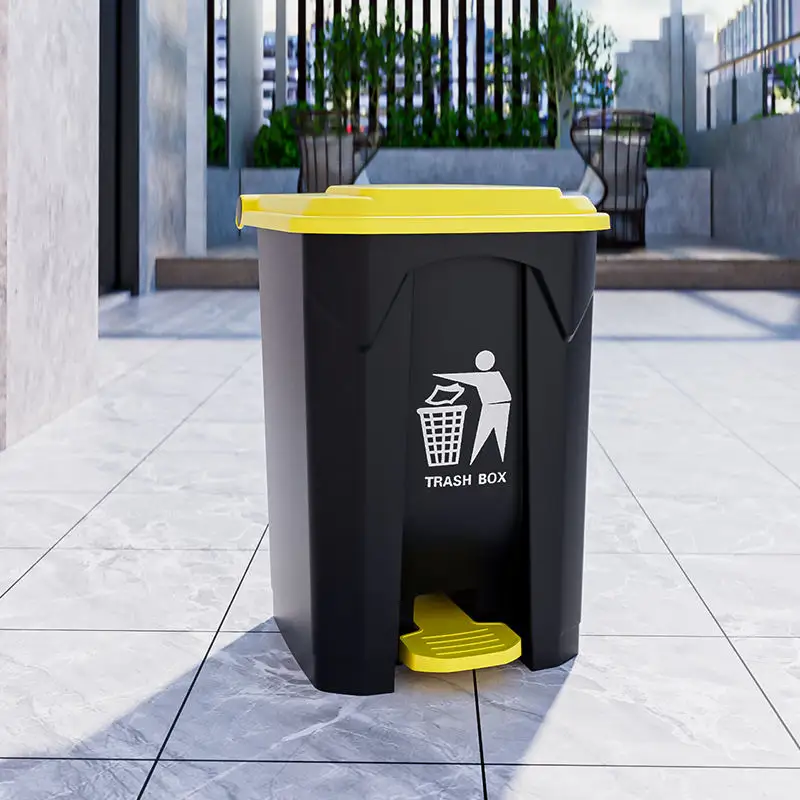
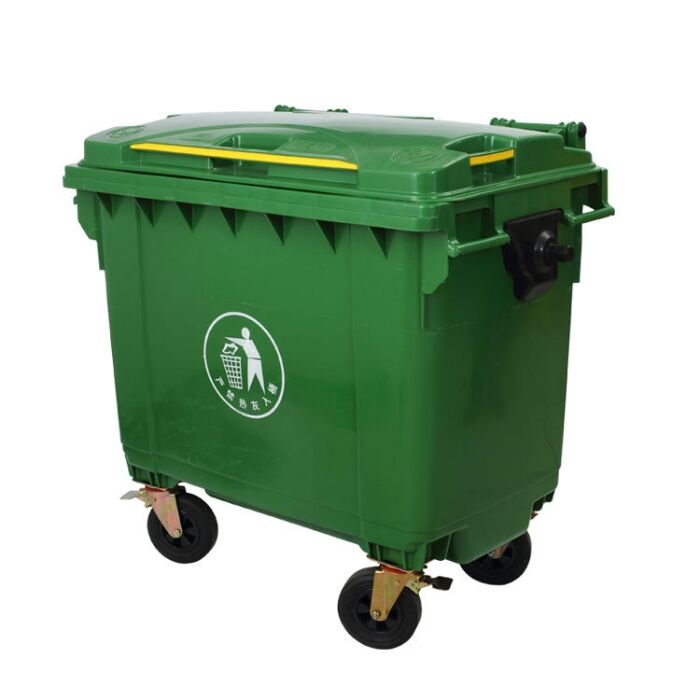
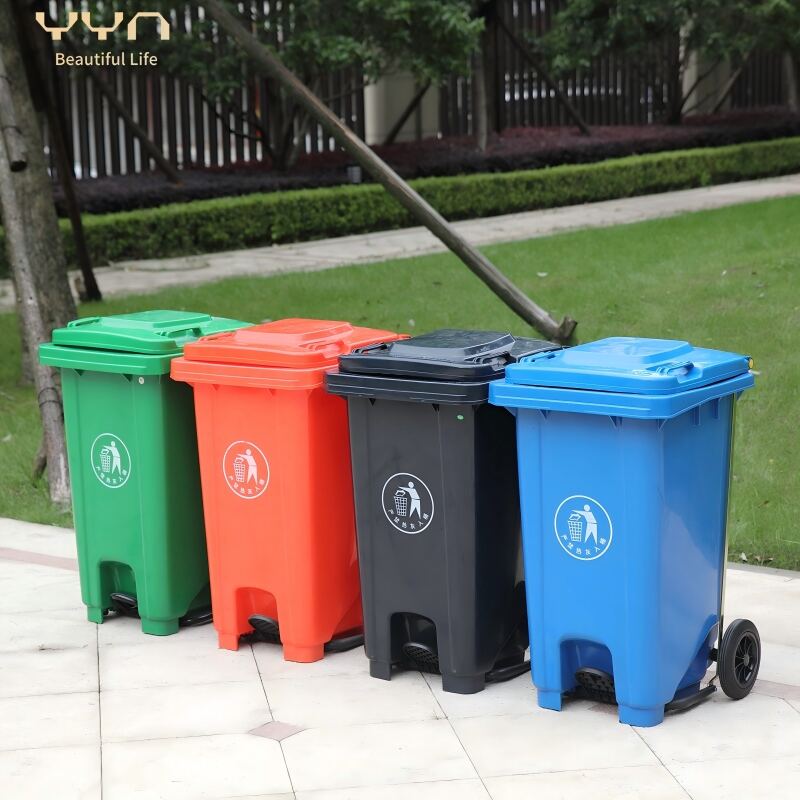
Bulk waste bins represent essential infrastructure solutions designed to handle large-scale refuse collection and disposal operations efficiently. These robust containers serve as centralized collection points for various types of waste materials, ranging from household discards to commercial debris. The primary function of bulk waste bins centers on providing secure, accessible storage for substantial quantities of refuse until scheduled pickup or transportation to processing facilities. Modern bulk waste bins incorporate advanced engineering principles to maximize capacity while maintaining manageable footprints within residential communities, commercial districts, and industrial zones. Their technological features include reinforced structural frameworks constructed from heavy-duty materials such as galvanized steel or high-density polyethylene, ensuring longevity even under constant exposure to environmental elements and repeated mechanical stress. Many contemporary models integrate hydraulic lifting mechanisms compatible with standard waste collection vehicles, facilitating seamless loading operations that minimize manual handling requirements. The applications of bulk waste bins extend across multiple sectors, including municipal waste management programs, construction site operations, retail center maintenance, apartment complex services, and special event cleanup initiatives. Property managers utilize these containers to streamline waste disposal processes for multiple units simultaneously, while construction supervisors deploy them to contain demolition debris, packaging materials, and surplus building components. Educational institutions, healthcare facilities, and hospitality establishments rely on bulk waste bins to manage high-volume refuse generation efficiently. The versatility of these systems allows customization according to specific operational needs, with available configurations accommodating general waste, recyclable materials, organic matter, or specialized disposal categories. Enhanced security features such as locking mechanisms prevent unauthorized dumping and reduce contamination risks, while clearly marked identification systems facilitate proper waste segregation practices that support environmental sustainability goals and regulatory compliance requirements.

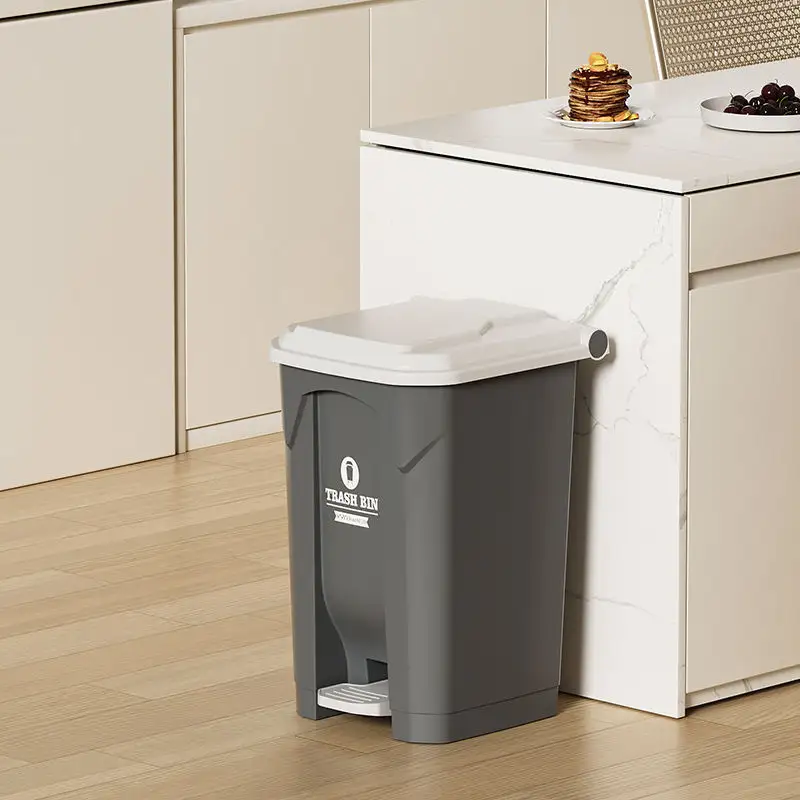
New Product Recommendations

The advantages of bulk waste bins deliver substantial practical benefits that directly address the operational challenges faced by facility managers, property owners, and waste management coordinators. First and foremost, these containers dramatically reduce the frequency of collection trips required to maintain clean premises. By consolidating large volumes of waste into single collection points, organizations can schedule fewer pickups, which translates directly into reduced service costs and lower carbon footprints associated with transportation. The economic savings become particularly evident for properties generating consistent waste streams, where the efficiency gains compound over time. Another significant advantage involves the enhanced sanitation standards that bulk waste bins promote. Unlike scattered individual receptacles that may overflow or attract pests, these centralized systems contain refuse securely within enclosed environments. The containment prevents wind dispersal of lightweight materials, minimizes odor dispersion, and discourages wildlife interference that often accompanies inadequate storage solutions. This controlled environment contributes to improved public health outcomes and maintains aesthetic appeal in surrounding areas. The durability inherent in bulk waste bins construction ensures long-term value for purchasers. These units withstand harsh weather conditions, resist corrosion from moisture exposure, and endure the mechanical forces exerted during loading and transportation cycles. The investment in quality bulk waste bins eliminates frequent replacement costs associated with inferior alternatives, providing reliable service across extended operational lifespans. Operational flexibility represents another compelling advantage, as bulk waste bins accommodate varying disposal needs without requiring infrastructure modifications. Facilities can adjust collection schedules based on actual usage patterns rather than fixed routines, optimizing resource allocation. The adaptability proves especially valuable during seasonal fluctuations or temporary increases in waste generation. Safety improvements constitute an often-overlooked benefit of implementing bulk waste bins. By establishing designated collection zones away from high-traffic areas, these systems reduce accident risks associated with waste handling. Workers benefit from ergonomic loading designs that minimize physical strain, while pedestrians and vehicles navigate premises without encountering scattered refuse or makeshift disposal arrangements. Environmental responsibility gains tangible expression through bulk waste bins deployment, as many modern units feature compartmentalized designs supporting source-separated recycling programs. This capability enables organizations to demonstrate commitment to sustainability initiatives while potentially qualifying for regulatory incentives or reduced disposal fees tied to waste diversion achievements.

Latest News

Abei Launches New HDPE Trash Bins: More Durable for Outdoor Use

22

Jan

Abei Launches New HDPE Trash Bins: More Durable for Outdoor Use

View More
Abei Partners with Southeast Asian Sanitation Company: Overseas Market Growth

22

Jan

Abei Partners with Southeast Asian Sanitation Company: Overseas Market Growth

View More
Abei’s Taobao Store Reaches 5,000 Followers: C-end Market Expansion

22

Jan

Abei’s Taobao Store Reaches 5,000 Followers: C-end Market Expansion

View More

Get a Free Quote

Our representative will contact you soon.
Email
Mobile/WhatsApp
Name
Company Name
Attachment
Please upload at least an attachment
Up to 3 files, each no larger than 30MB. Supported formats: jpg, jpeg, png, pdf, doc, docx, xls, xlsx, csv, txt, stp, step, igs, x_t, dxf, prt, sldprt, sat, rar, zip.
Message
0/1000

bulk waste bins

Superior Capacity Management and Space Optimization

Superior Capacity Management and Space Optimization

The capacity management capabilities of bulk waste bins represent a transformative solution for organizations struggling with space constraints and high waste generation volumes. These specialized containers employ intelligent design principles that maximize internal storage volume while maintaining compact external dimensions suitable for urban environments and properties with limited allocation areas. The engineering behind bulk waste bins focuses on vertical space utilization, allowing facilities to store substantially more waste within the same footprint compared to traditional receptacle arrangements. This vertical optimization proves particularly valuable in densely populated areas where real estate carries premium valuations and every square meter requires justified utilization. The space efficiency extends beyond mere dimensional considerations. Bulk waste bins eliminate the clutter associated with multiple smaller containers scattered across properties, consolidating waste management into organized, designated zones. This consolidation frees up valuable space for productive purposes such as parking, landscaping, or operational activities. Property managers gain the flexibility to reclaim areas previously devoted to inadequate waste storage solutions, effectively expanding usable facility space without construction costs. The capacity advantages become especially apparent during peak usage periods when waste generation spikes beyond normal levels. Bulk waste bins provide buffer capacity that absorbs temporary surges without requiring emergency collections or overflow management. This resilience ensures consistent operational standards regardless of fluctuating demand patterns. Facilities hosting events, experiencing seasonal business cycles, or undergoing renovations benefit from this inherent adaptability. The volumetric efficiency of bulk waste bins also translates into optimized collection logistics. Waste management providers can service these containers less frequently while maintaining the same level of cleanliness, as the increased capacity extends the time between necessary pickups. This efficiency reduces traffic congestion caused by collection vehicles, minimizes disruption to normal operations, and decreases the cumulative environmental impact associated with transportation. Furthermore, the space optimization characteristics of bulk waste bins support better site planning and regulatory compliance. Many jurisdictions mandate specific waste storage requirements, and these containers help facilities meet such obligations without dedicating excessive areas to refuse management. The professional appearance and organized presentation of bulk waste bins also enhance property values and tenant satisfaction by eliminating unsightly waste accumulation.
Advanced Durability and Weather-Resistant Construction

Advanced Durability and Weather-Resistant Construction

The construction quality and material engineering incorporated into bulk waste bins deliver exceptional durability that withstands the demanding conditions inherent in waste management operations. Manufacturers utilize advanced materials selected specifically for their resistance to the degrading forces that constantly challenge refuse containers. Heavy-gauge steel variants feature galvanized or powder-coated finishes that prevent rust formation even when exposed to moisture, salt, and corrosive waste byproducts over extended periods. Alternative high-density polyethylene models offer impact resistance and chemical stability that maintains structural integrity throughout years of continuous service. The weather-resistant properties of bulk waste bins ensure reliable performance across all climate conditions. Extreme temperature fluctuations that cause expansion and contraction in lesser containers do not compromise the dimensional stability of properly engineered bulk waste bins. Rain, snow, and humidity exposure that would deteriorate conventional storage solutions barely affect these purpose-built units. The sealed construction prevents water infiltration that increases waste weight and creates handling complications during collection operations. This weather protection extends to preventing freeze-thaw cycles from damaging container walls and compromising containment capabilities. The mechanical durability of bulk waste bins addresses the repetitive stress imposed by loading operations and transportation handling. Reinforced lifting points distribute forces evenly across structural members, preventing concentration points where fatigue failures typically originate. Corner reinforcements and ribbed wall designs add rigidity that resists deformation when containers reach full capacity. The engineering considers the dynamic loads experienced during lifting, transportation over uneven surfaces, and the impact forces occurring during placement. This comprehensive approach to structural integrity ensures bulk waste bins maintain functionality despite the harsh treatment inherent in waste collection cycles. Maintenance requirements decrease substantially due to the robust construction of quality bulk waste bins. The durable materials resist wear that necessitates frequent repairs or component replacements in inferior alternatives. Smooth interior surfaces facilitate complete emptying during collection while preventing waste adhesion that creates sanitation challenges. The exterior finishes maintain appearance over time, avoiding the degraded look that diminishes property aesthetics. Long-term cost analysis reveals that the initial investment in durable bulk waste bins generates superior return compared to purchasing cheaper alternatives requiring frequent replacement. The extended service life amortizes capital expenses across many years of reliable operation, while the reduced maintenance burden frees staff resources for other priorities. Organizations benefit from predictable waste management costs without unexpected expenditures for emergency replacements or repairs.
Enhanced Safety Features and User-Friendly Operation

Enhanced Safety Features and User-Friendly Operation

The safety engineering and operational simplicity incorporated into modern bulk waste bins address critical concerns that affect both workers handling waste and the general public accessing facilities. These containers integrate multiple safety features designed to prevent injuries, reduce liability exposure, and ensure comfortable interaction for all users regardless of physical capabilities or experience levels. Rounded edges and smooth external surfaces eliminate sharp protrusions that pose laceration risks, while stable base designs prevent tipping accidents even when containers hold unbalanced loads. The placement of bulk waste bins follows safety protocols that separate waste handling areas from pedestrian traffic flows and vehicle pathways, reducing collision risks and creating organized site layouts. Many bulk waste bins incorporate accessibility features that accommodate users with varying physical abilities. Ergonomically designed loading doors or hatches position at heights that minimize reaching or lifting strain, while clearly marked operating instructions guide proper usage without requiring specialized training. The intuitive functionality ensures that residents, employees, or visitors can dispose of waste correctly without confusion or frustration. This user-friendly approach increases compliance with proper disposal practices and reduces contamination from incorrectly discarded materials. The operational safety extends to professional waste handlers who empty and transport bulk waste bins. Standardized connection points for lifting equipment ensure compatibility with collection vehicle mechanisms, eliminating improvised handling techniques that increase accident risks. Properly designed bulk waste bins distribute weight evenly during lifting operations, preventing sudden shifts that could destabilize vehicles or injure operators. The structural integrity maintains containment throughout collection cycles, preventing spillage that creates cleanup hazards and environmental contamination. Security features built into bulk waste bins prevent unauthorized access and illegal dumping that poses safety and legal concerns. Locking mechanisms restrict usage to authorized individuals, while transparent or semi-transparent panels allow visual monitoring of contents without opening containers. These security measures deter vandalism and prevent disposal of prohibited materials that might create hazardous conditions for waste handlers. The controlled access also supports accurate waste tracking and cost allocation in shared facilities. Fire safety considerations factor into bulk waste bins design, with ventilation features preventing dangerous gas accumulation from decomposing organic materials. Material selection prioritizes fire-resistant properties that slow flame spread if ignition occurs, providing crucial time for emergency response. The separated location of bulk waste bins away from structures creates firebreaks that protect buildings from waste-related fire incidents. The comprehensive safety profile of quality bulk waste bins reduces insurance premiums, limits liability exposure, and demonstrates organizational commitment to protecting workers and community members from preventable hazards.

Get a Free Quote

Our representative will contact you soon.
Email
Mobile/WhatsApp
Name
Company Name
Attachment
Please upload at least an attachment
Up to 3 files, each no larger than 30MB. Supported formats: jpg, jpeg, png, pdf, doc, docx, xls, xlsx, csv, txt, stp, step, igs, x_t, dxf, prt, sldprt, sat, rar, zip.
Message
0/1000