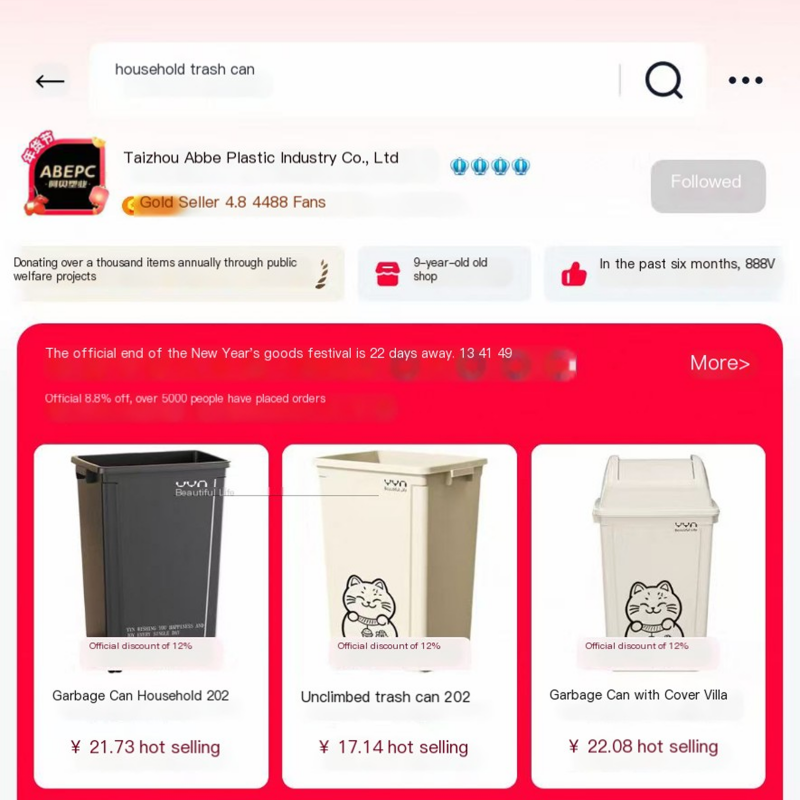
Standardization and Operational Consistency Across Multiple Locations
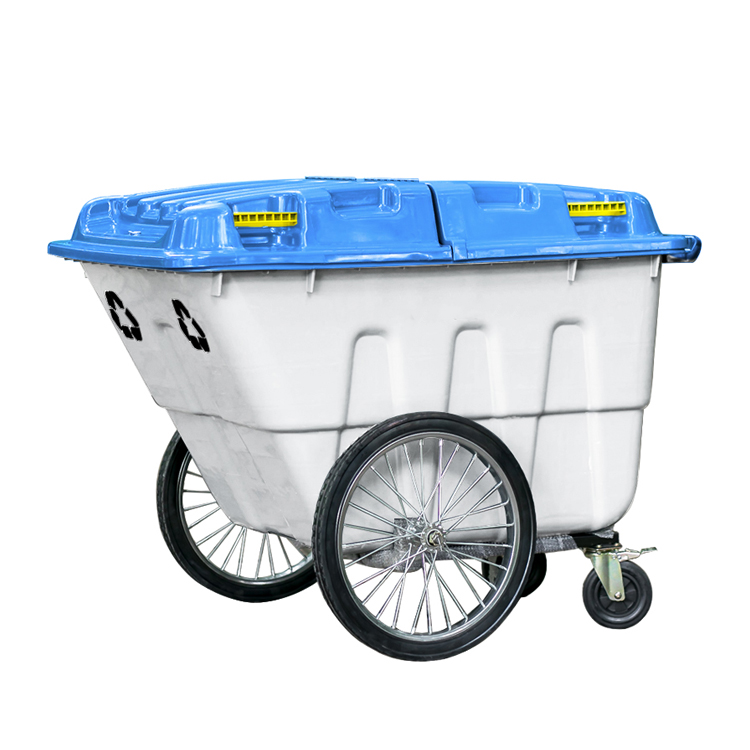
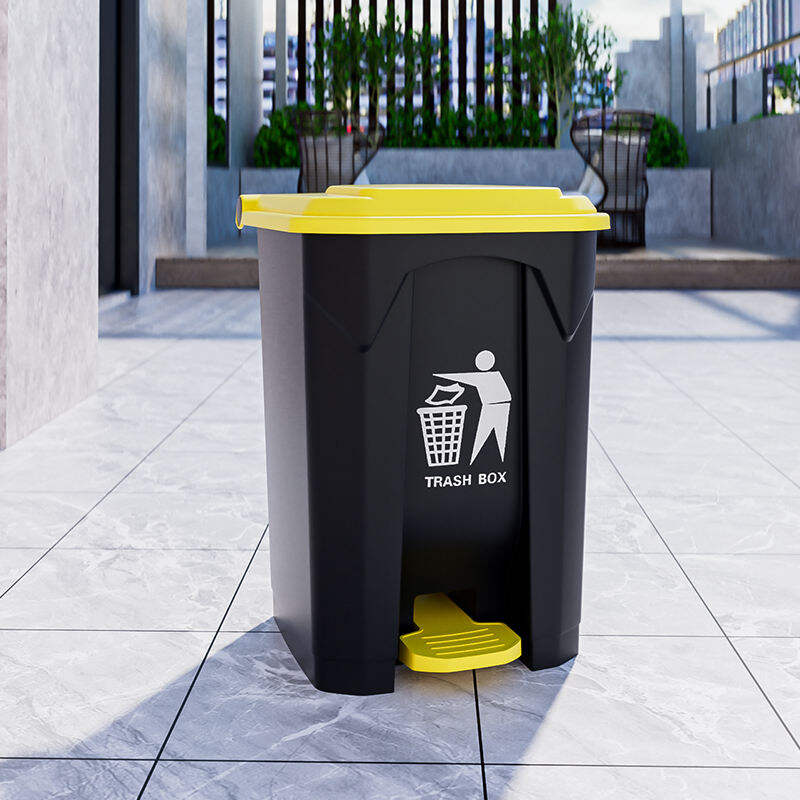
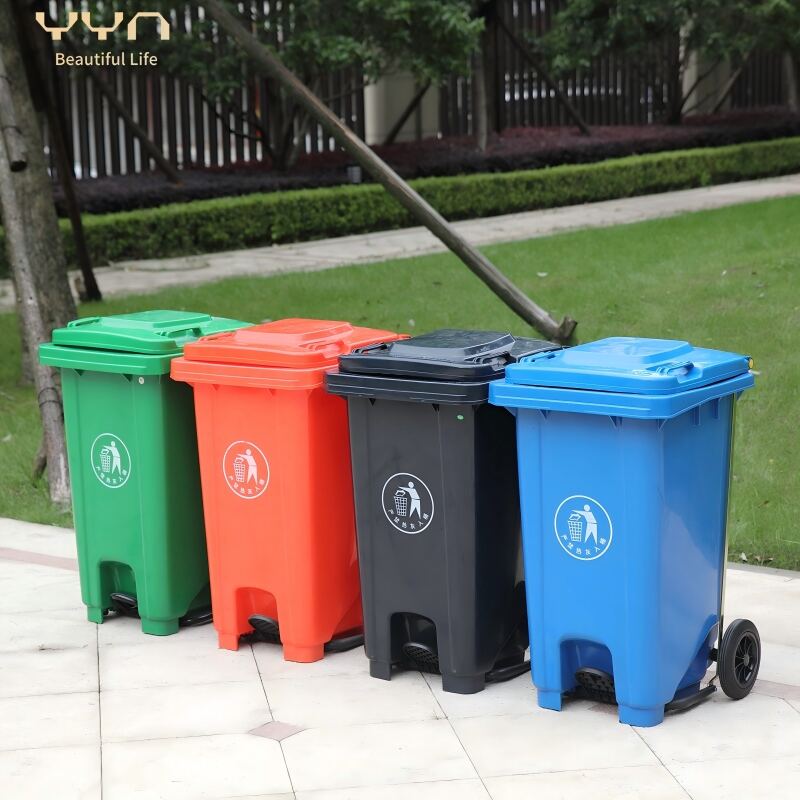
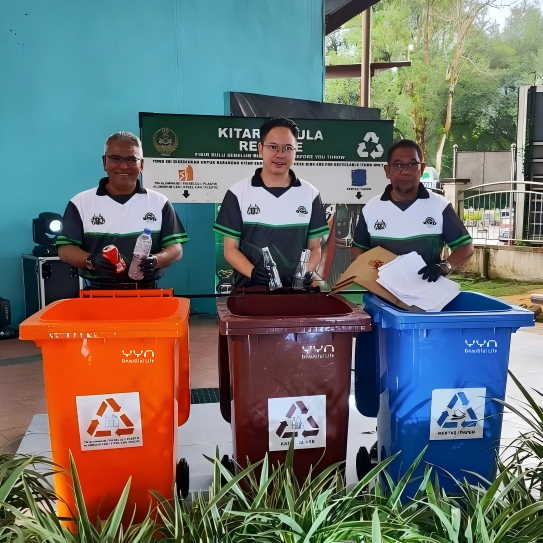
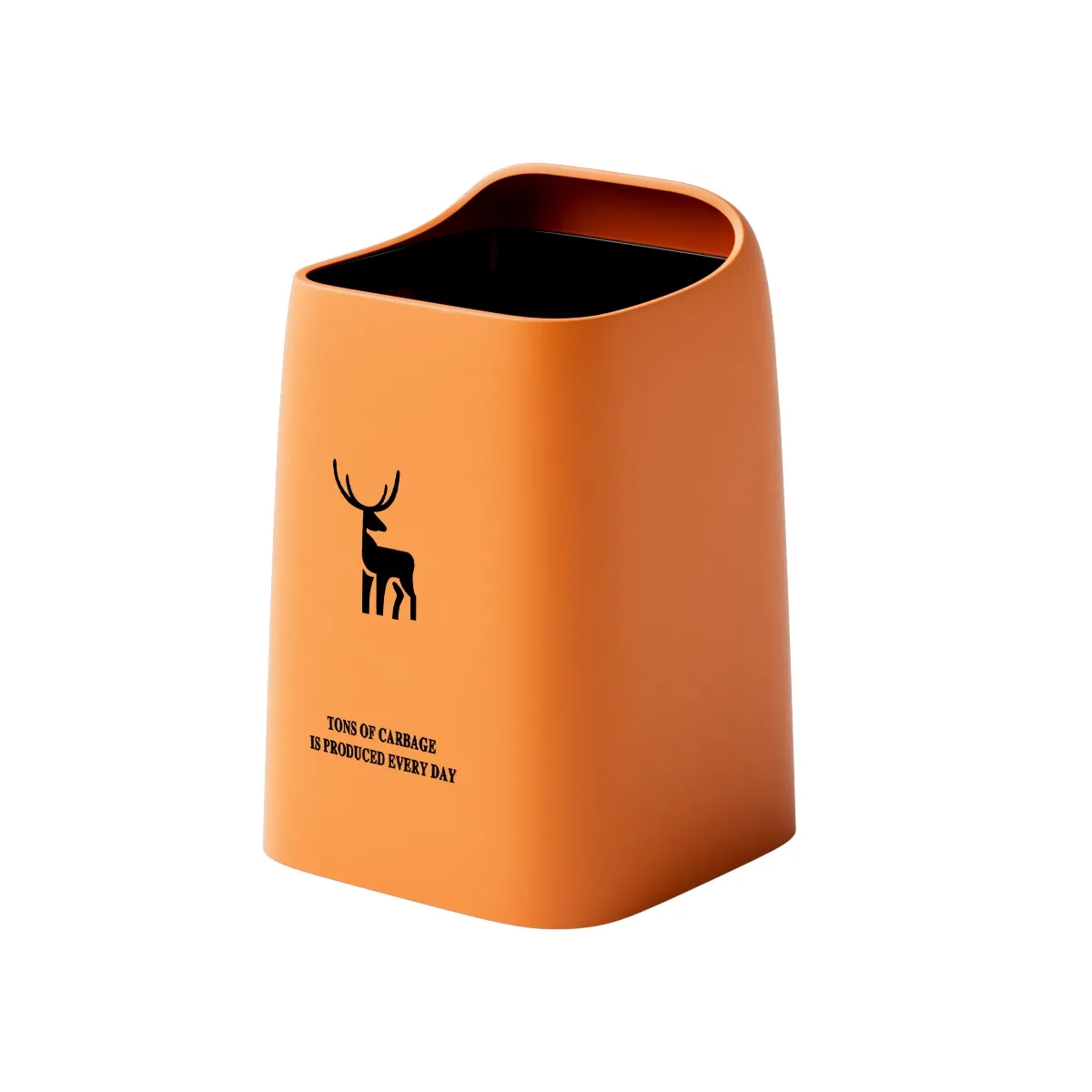
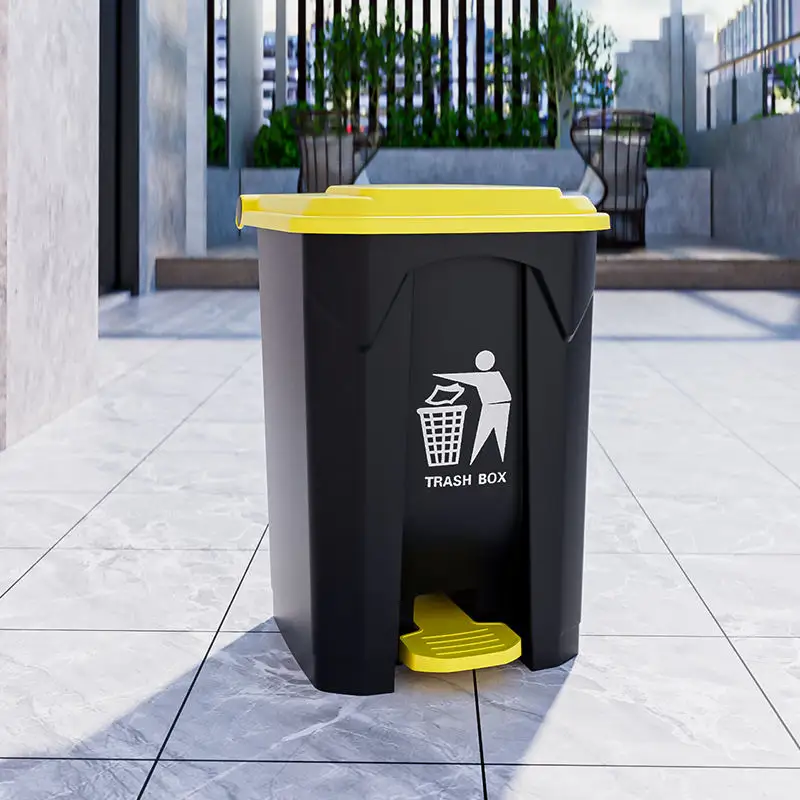
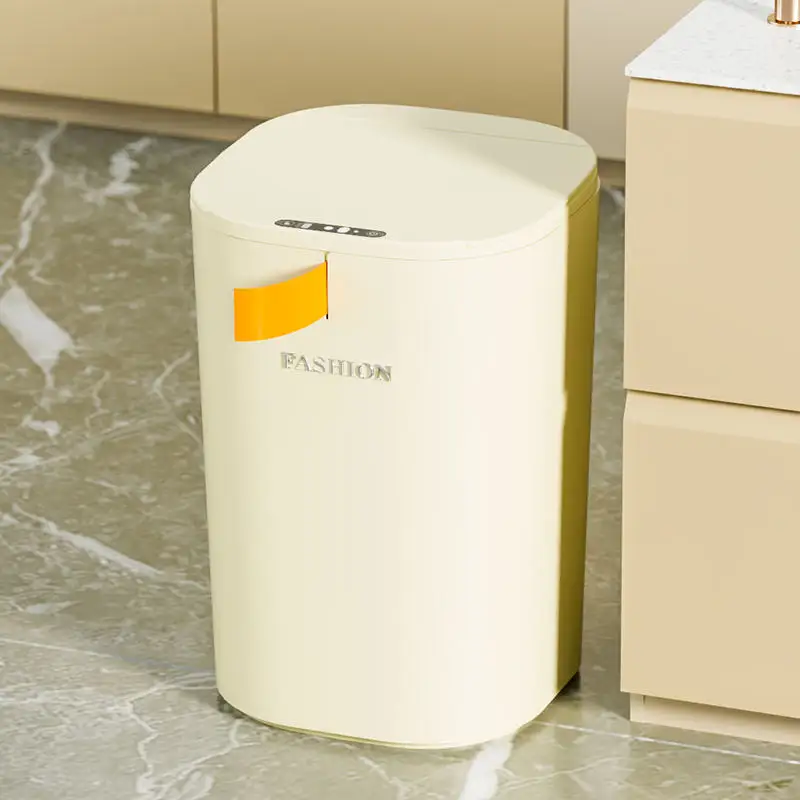
The implementation of bulk purchase waste bins creates organizational standardization that generates operational efficiencies rarely achievable through piecemeal acquisition strategies. When facilities across an entire organization utilize identical or coordinated waste management equipment, staff members transfer knowledge seamlessly between locations without relearning different systems, operating procedures, or maintenance requirements. This consistency proves particularly valuable for organizations with multiple sites, franchises, or facilities where personnel rotation occurs regularly. Training programs become more effective and less time-consuming when bulk purchase waste bins follow uniform designs, as instructional materials, safety protocols, and best practice guidelines apply universally rather than requiring location-specific customization. New employees reach productivity faster when waste management procedures remain consistent regardless of assignment location, reducing onboarding time and minimizing errors associated with unfamiliar equipment. Maintenance teams benefit enormously from standardization achieved through bulk purchase waste bins, as they stock a single set of replacement parts, develop expertise with specific bin models, and create efficient service routes without adapting procedures for different equipment types at various locations. This specialization improves repair speed, reduces downtime, and optimizes inventory management for spare components. Visual consistency contributes to brand identity and professional appearance when bulk purchase waste bins share design elements, color schemes, and quality standards across all organizational touchpoints. Customers, visitors, and community members perceive well-maintained, uniform waste management infrastructure as evidence of organizational competence and attention to detail. Quality assurance becomes more manageable when organizations source bulk purchase waste bins from single suppliers or coordinated procurement partnerships, as quality standards remain consistent rather than varying across different manufacturers or product lines. This consistency reduces the risk of receiving substandard products, simplifies quality inspections during delivery, and establishes clear accountability when issues arise. Data collection and performance monitoring improve when bulk purchase waste bins provide standardized metrics across all locations, enabling meaningful comparisons of waste generation patterns, collection efficiency, recycling compliance rates, and operational costs. Organizations can identify best practices, address underperforming locations, and optimize waste management strategies using reliable comparative data impossible to obtain with heterogeneous equipment. Replacement planning becomes straightforward when bulk purchase waste bins age uniformly across the organization, allowing proactive budget allocation and scheduled upgrades rather than reactive emergency purchases that disrupt operations and inflate costs.
 EN
EN