 EN


Restaurant owners face constant operational challenges, and one often overlooked aspect is waste management infrastructure. The decision to invest in high-quality restaurant trash bins directly impacts daily operations, staff safety, customer perception, and regulatory compliance. Many establishment owners initially view trash containers as a minor expense rather than a strategic asset, but the reality is far more nuanced. Upgrading to quality waste solutions delivers measurable returns through reduced operational friction, enhanced sanitation standards, and improved workplace conditions that benefit both employees and patrons.
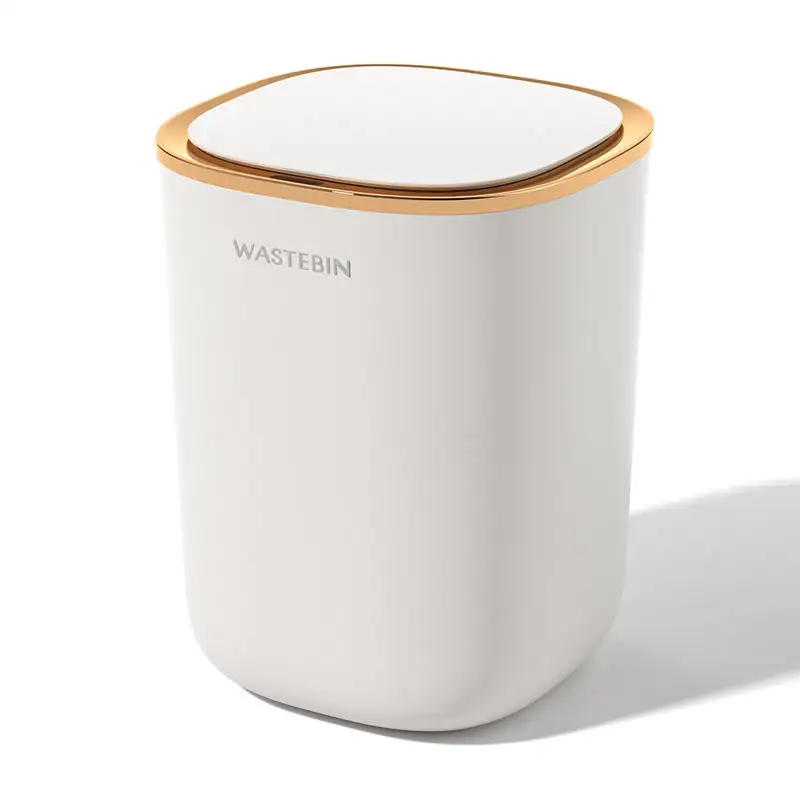
The foundation of any professional food service establishment rests on operational reliability and cleanliness. High-quality restaurant trash bins serve as the backbone of waste containment systems, preventing spillage, odor escape, pest attraction, and cross-contamination risks. When owners invest in durable, well-designed waste containers, they establish a baseline of professionalism that extends throughout the facility. This investment demonstrates commitment to health standards, employee working conditions, and environmental responsibility that customers increasingly expect and value.
Operational Efficiency and Cost Savings
Reduced Downtime and Maintenance Disruptions
Premium restaurant trash bins are engineered with durability in mind, featuring reinforced construction that withstands daily wear, moisture exposure, and heavy usage typical in commercial kitchens. Unlike budget alternatives that crack, warp, or fail prematurely, quality bins maintain structural integrity across years of operation. This reliability eliminates frequent replacement cycles and emergency service calls that disrupt kitchen workflows. When trash bins perform consistently without leaks or failures, staff can focus on food preparation rather than managing waste system breakdowns.
Labor Efficiency and Employee Satisfaction
Well-designed restaurant trash bins incorporate features that simplify waste handling routines for kitchen and front-of-house staff. Smooth interiors reduce debris accumulation that slows emptying cycles, ergonomic handles and lids decrease strain during disposal, and secure locking mechanisms prevent accidental spills during transport. These design considerations compound across hundreds of waste cycles monthly, creating meaningful time savings and reducing physical strain injuries. Employees working with quality containers report improved satisfaction, knowing their workplace prioritizes their safety and working conditions through thoughtful infrastructure investments.
Health, Safety, and Regulatory Compliance
Sanitation Standards and Food Safety
Health department regulations mandate specific waste management standards that directly tie to food safety ratings and operating licenses. High-quality restaurant trash bins are manufactured to meet commercial sanitation requirements, featuring sealed designs that contain odors and prevent pest access. Proper waste containment eliminates vectors for cockroaches, rats, and flies that contaminate food preparation areas and create serious health violations. Restaurants investing in compliant container systems demonstrate regulatory preparedness during health inspections and avoid costly violations, fines, or operational restrictions that damage revenue and reputation.
Workplace Safety and Liability Protection
Damaged or poorly maintained trash bins pose physical hazards to staff, including sharp edges, unstable structures, and slipping hazards from leaking liquids. Premium restaurant trash bins are designed with rounded edges, stable bases, and contained drainage systems that protect worker safety. This reduces injury incidents, workers' compensation claims, and associated liability exposure. Additionally, documented investments in safety infrastructure strengthen the restaurant's position in liability disputes and insurance coverage determinations.
Brand Reputation and Customer Experience
Professional Appearance and Customer Confidence
Customers form impressions of restaurant cleanliness and professionalism from visible and olfactory cues throughout the facility, including waste disposal areas. Pristine, well-maintained restaurant trash bins signal operational excellence and attention to detail, reinforcing positive perceptions of food safety and hygiene. Conversely, overflowing bins, visible odors, or pest activity create immediate concerns about sanitation standards regardless of kitchen quality. Premium containers with effective odor control and neat appearances support the overall brand image customers connect with dining value and trust.
Outdoor Aesthetics and Neighboring Relations
Many high-quality restaurant trash bins feature weather-resistant materials, secure locking systems, and odor containment that preserve dumpster areas and loading zones. This protects neighboring properties from odor complaints and pest spillover that damage community relations. Professional waste management infrastructure demonstrates environmental responsibility and consideration for surrounding businesses and residential areas, strengthening the restaurant's standing in its local community and supporting long-term location viability.
FAQ
What specific features should I look for in commercial restaurant trash bins?
Quality restaurant trash bins should include reinforced construction, secure locking lids, weather-resistant materials, adequate drainage systems, ergonomic handles, and sizes appropriate for your waste volume. Look for containers certified to meet health department specifications and commercial durability standards. Sealed designs that contain odors and prevent pest access are essential for compliance and sanitation. Size selection depends on your daily waste output, available space, and collection frequency to optimize efficiency.
How often should restaurant trash bins be replaced or serviced?
High-quality restaurant trash bins typically last five to ten years with proper maintenance and regular cleaning. However, replacement timeline depends on usage intensity, material quality, and environmental conditions. Regular inspection for cracks, seal degradation, or structural damage helps identify replacement needs early. Preventive maintenance including pressure washing, drain cleaning, and lid hinge servicing extends container lifespan and ensures consistent performance throughout the investment period.
Can investment in restaurant trash bins improve my health inspection scores?
Yes, upgraded waste management infrastructure directly supports compliance with health department requirements for waste containment, sanitation, and pest control prevention. Inspectors evaluate waste disposal areas as part of overall facility cleanliness and food safety protocols. Quality restaurant trash bins with proper containment and odor control demonstrate commitment to health standards and often result in improved inspection ratings. This compliance advantage protects your operating license and supports marketing efforts highlighting food safety commitment to customers.