 EN

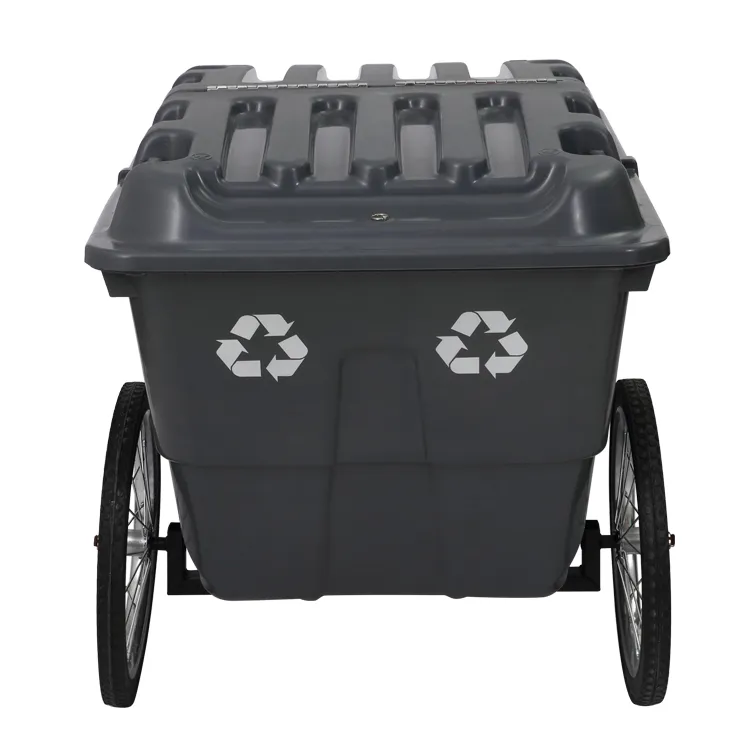
Effective waste management is a cornerstone of successful construction and industrial operations, and bulk trash bins play a fundamental role in achieving this goal. Whether you're managing a large-scale construction project, demolition site, or industrial facility, the ability to contain, organize, and dispose of waste efficiently directly impacts project timelines, worker safety, and regulatory compliance. Without adequate waste containment solutions, sites quickly become cluttered, hazardous, and operationally inefficient.
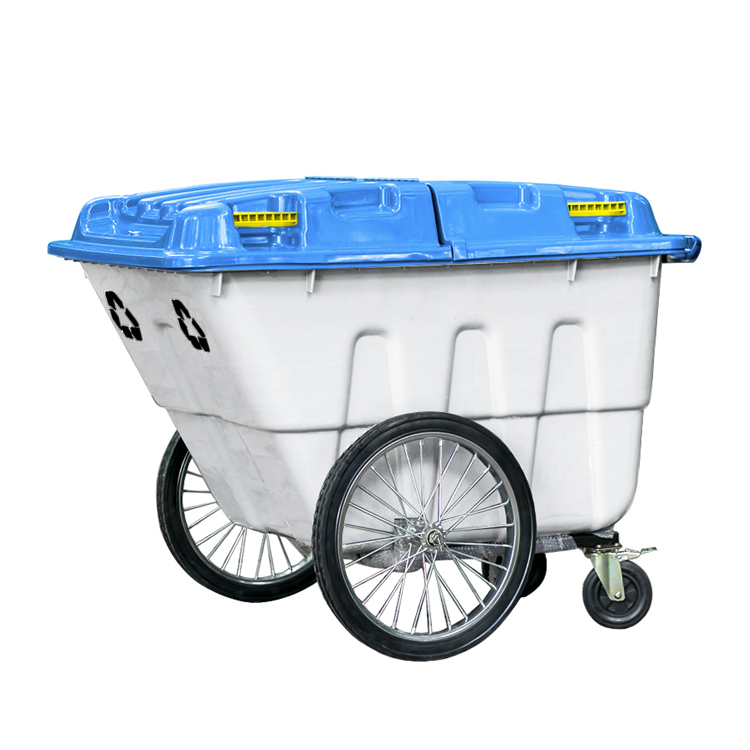
Construction and industrial sites generate massive quantities of debris, scrap materials, concrete, metal, wood, and general refuse daily. Bulk trash bins provide centralized, scalable solutions for collecting and managing these diverse waste streams. Their importance extends beyond mere convenience; they directly influence workplace safety, environmental stewardship, project profitability, and legal adherence to waste disposal regulations.
Safety and Liability Protection
Reducing On-Site Hazards
Uncontained waste scattered across a construction site creates multiple safety hazards. Sharp materials, unstable debris piles, and obstructed pathways increase the risk of injuries to workers and site visitors. Bulk trash bins contain hazardous materials safely, preventing workers from stepping on nails, broken glass, or sharp metal fragments. Organized waste storage also eliminates tripping hazards and keeps emergency exit routes clear and accessible. By centralizing waste in designated bulk trash bins, sites maintain cleaner, safer work environments that comply with Occupational Safety and Health Administration (OSHA) standards.
Managing Liability and Insurance
Improper waste management exposes project owners and contractors to significant liability. Insurance companies often require documented evidence of safe waste practices, and bulk trash bins demonstrate responsibility and due diligence. In the event of an accident or injury, having organized, compliant waste management systems protects your organization legally. Sites without proper bulk trash bins may face denied insurance claims, increased premiums, or regulatory fines. Investing in adequate waste containment directly reduces your organization's exposure to costly litigation and financial penalties.
Operational Efficiency and Project Economics
Streamlining Waste Removal Processes
Bulk trash bins streamline the entire waste removal workflow. Instead of workers manually hauling debris to scattered collection points, materials are consolidated in readily accessible bulk trash bins positioned strategically across the site. This reduces labor time spent on waste management, allowing crews to focus on productive construction activities. Efficient waste collection also minimizes traffic congestion caused by debris removal vehicles and prevents unnecessary project delays. Many bulk trash bins feature convenient lifting systems and wheels that enable quick, effortless removal when full, further accelerating the waste disposal cycle and keeping projects on schedule.
Cost Optimization Through Volume Management
Proper waste segregation in bulk trash bins enables cost-effective disposal through material recovery and recycling. Metals, wood, concrete, and other recyclables can be sorted directly into separate bulk trash bins, reducing landfill fees and generating revenue from salvage materials. Consolidated waste reduces the number of collection trips required, lowering transportation costs. Additionally, organizing waste from the beginning prevents project delays caused by unmanaged debris accumulation, protecting your profit margins by keeping labor productivity high and timeline overruns minimal.
Environmental and Regulatory Compliance
Meeting Legal Waste Management Standards
Construction and industrial sites operate under strict environmental and waste management regulations. Local, state, and federal agencies require documented proof of compliant waste disposal practices. Bulk trash bins provide essential infrastructure for meeting these mandatory requirements. Using properly designated bulk trash bins demonstrates your commitment to environmental responsibility and protects your organization from regulatory violations. Sites that fail to maintain compliant waste management systems face significant fines, permit suspensions, and potential legal action. By implementing bulk trash bins as part of a comprehensive waste strategy, your site maintains full regulatory compliance and avoids costly penalties.
Reducing Environmental Impact
Centralized bulk trash bins facilitate responsible waste segregation and environmental stewardship. When waste streams are properly organized, recyclable and hazardous materials can be diverted from landfills and processed through appropriate channels. This reduces the environmental footprint of your project and supports community sustainability goals. Many modern bulk trash bins are designed to contain potential contaminants, preventing soil and groundwater pollution at job sites. By using bulk trash bins strategically, construction and industrial operations can significantly minimize their environmental impact while meeting regulatory obligations and public expectations for responsible corporate citizenship.
FAQ
What makes bulk trash bins essential for construction sites?
Bulk trash bins are essential because they contain waste safely, reduce on-site hazards, protect workers from injuries, ensure regulatory compliance, streamline waste removal processes, and enable cost-effective disposal through material recovery. Without bulk trash bins, construction sites become disorganized, dangerous, and operationally inefficient, creating liability risks and regulatory violations.
How do bulk trash bins improve project profitability?
Bulk trash bins improve profitability by reducing labor time spent on waste management, minimizing transportation costs through efficient consolidation, enabling material recovery and recycling revenue, and preventing project delays caused by debris accumulation. Organized waste management keeps crews focused on productive activities, protecting your project timeline and profit margins.
Are bulk trash bins required by law for industrial sites?
While specific requirements vary by jurisdiction, most construction and industrial sites are required by environmental and safety regulations to maintain proper waste management systems, including bulk trash bins. Local permits and OSHA standards typically mandate documented waste containment and disposal practices. Compliance requirements protect worker safety, environmental quality, and public health, making bulk trash bins a legal necessity rather than an optional convenience.