 EN
EN

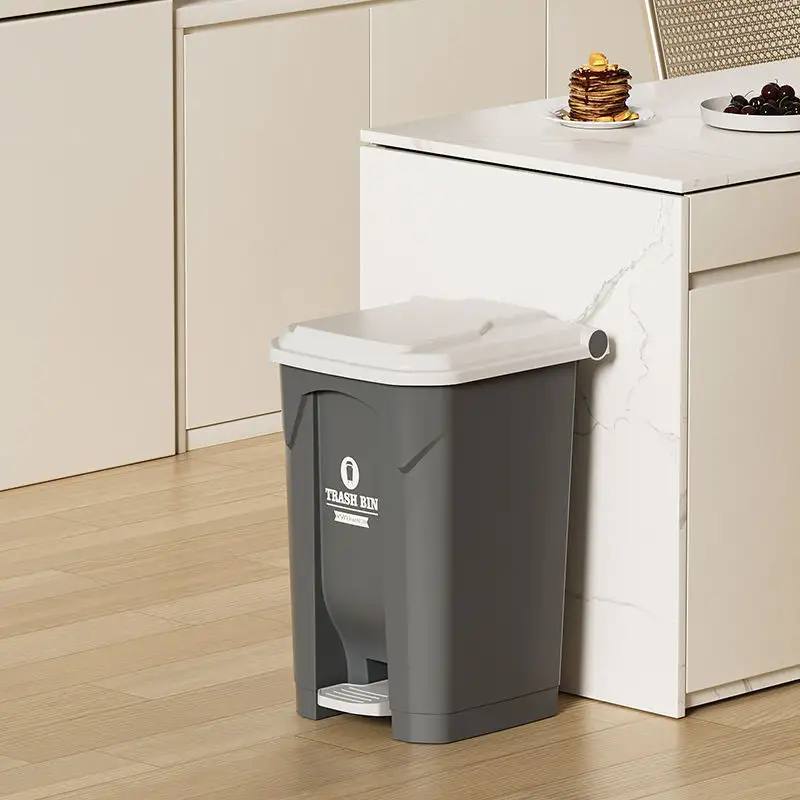
Retail stores generate significant waste daily, from packaging materials to damaged merchandise and general office refuse. Managing this waste efficiently has become a critical operational challenge that directly impacts profitability, environmental responsibility, and brand reputation. Commercial recycling bins represent a strategic investment that addresses multiple business priorities simultaneously. Understanding why commercial recycling bins matter for retail operations reveals the intersection of regulatory compliance, cost management, and customer expectations that modern retailers must navigate.
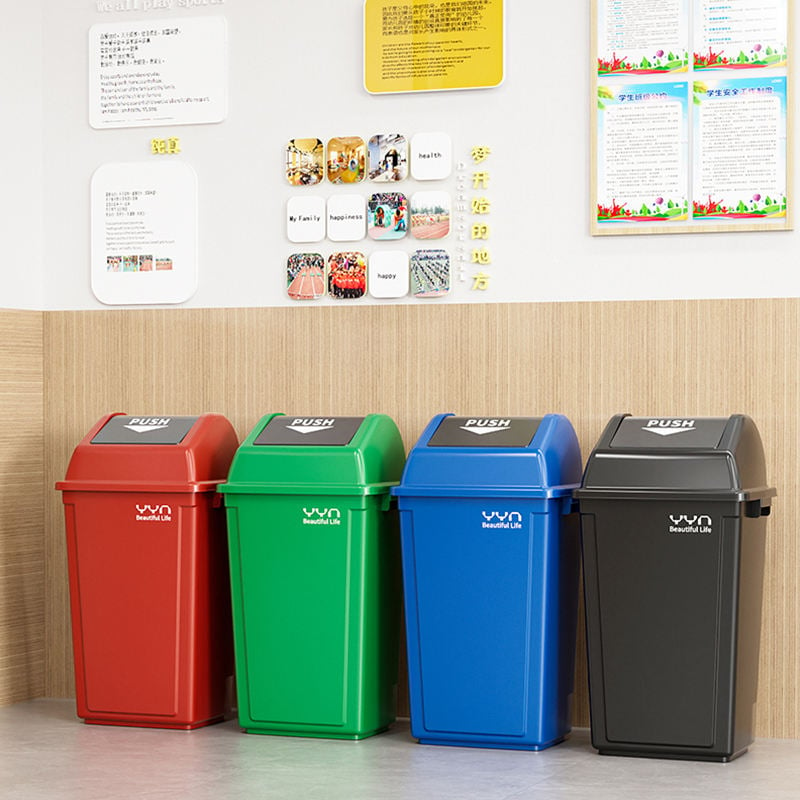
The retail environment presents unique waste challenges that generic waste management cannot adequately solve. Cardboard boxes from shipments, plastic packaging, paper waste, and other recyclable materials accumulate rapidly throughout retail spaces. Without proper commercial recycling bins dedicated to waste sorting, these materials end up in general landfill waste streams, increasing disposal costs and environmental impact. Implementing commercial recycling bins transforms waste from a liability into a manageable resource stream, enabling retailers to optimize operations while meeting growing sustainability standards.
Regulatory Compliance and Legal Requirements
Understanding Waste Management Regulations
Many jurisdictions now mandate waste diversion and recycling requirements for businesses, including retail operations. Commercial recycling bins help retailers demonstrate compliance with local waste management ordinances and environmental regulations. These regulations vary by location but increasingly require retailers to separate recyclable materials from general waste. Failing to implement proper commercial recycling bins can result in fines, operational disruptions, and reputational damage. Retailers who proactively install commercial recycling bins position themselves ahead of regulatory changes and avoid costly penalties.
Meeting Extended Producer Responsibility Standards
Extended Producer Responsibility (EPR) programs hold retailers accountable for managing packaging waste and product materials throughout their lifecycle. Commercial recycling bins facilitate compliance with EPR requirements by enabling systematic waste sorting and tracking. Retailers using commercial recycling bins can document material diversion rates and provide evidence of proper waste management to regulatory bodies. This compliance capability becomes increasingly valuable as environmental regulations tighten across retail markets. Commercial recycling bins thus serve as essential infrastructure for meeting contemporary environmental accountability standards.
Cost Reduction and Operational Efficiency
Lowering Waste Disposal Expenses
Waste disposal costs represent a significant operational expense for retail stores, often increasing annually due to landfill fees and environmental surcharges. Commercial recycling bins reduce the volume of material sent to landfills by diverting recyclable items into dedicated streams. Many recycling programs offer reduced tipping fees for sorted recyclable materials, directly lowering disposal costs compared to mixed waste disposal. Retailers implementing commercial recycling bins frequently recover their investment within months through reduced disposal fees. The economic advantage of commercial recycling bins extends across the operational lifecycle, providing sustained cost savings year after year.
Optimizing Storage and Workflow
Dedicated commercial recycling bins organize waste management and reduce storage demands within retail spaces. Employees understand exactly where to place specific materials when commercial recycling bins are clearly labeled and strategically positioned. This organization prevents contamination of recycling streams and improves waste handling efficiency throughout the store. Commercial recycling bins designed for retail environments allow flexible placement in receiving areas, stockrooms, and checkout zones. Streamlined waste workflows enabled by commercial recycling bins reduce employee time spent managing waste and allow staff to focus on customer service and sales activities.
Customer Perception and Brand Value
Building Environmental Credibility
Consumers increasingly choose retailers that demonstrate environmental responsibility and sustainable practices. Visible commercial recycling bins signal to customers that a store prioritizes sustainability and takes environmental impact seriously. Many retail customers actively look for businesses implementing commercial recycling bins as evidence of genuine environmental commitment rather than superficial greenwashing. Retailers displaying commercial recycling bins throughout their locations align with consumer values and differentiate themselves in competitive markets. This alignment between retailer practices and customer expectations creates competitive advantages that extend beyond waste management alone.
Enhancing Brand Reputation and Loyalty
Corporate sustainability commitments mean little without visible implementation, and commercial recycling bins provide concrete evidence of environmental action. Retailers featuring commercial recycling bins in employee areas and customer spaces demonstrate that sustainability extends throughout their operations. Customers perceive retailers with comprehensive commercial recycling bins installations as more trustworthy and aligned with modern values. This perception translates into increased customer loyalty, positive word-of-mouth marketing, and stronger brand differentiation. Commercial recycling bins thus contribute to brand building beyond their immediate waste management function, creating value across multiple business metrics.
Implementation Considerations for Retail Environments
Selecting Appropriate Commercial Recycling Bins
Effective waste sorting requires commercial recycling bins designed specifically for retail operations with multiple compartments for different material streams. Commercial recycling bins must accommodate the specific waste types generated in retail environments, typically including cardboard, plastics, paper, and mixed recyclables. Durable commercial recycling bins withstand constant use and outdoor exposure in loading dock areas where waste accumulates. Retailers should select commercial recycling bins with clear visual labeling and color coding to minimize contamination and ensure proper material separation. commercial recycling bins featuring multiple compartments streamline the sorting process and maximize material recovery rates.
Training and Change Management
Installing commercial recycling bins represents a change in operations that requires employee training and behavioral reinforcement. Retail staff must understand which materials belong in commercial recycling bins versus general waste to prevent contamination. Clear signage, training sessions, and ongoing management ensure consistent use of commercial recycling bins across all employee shifts. Retailers should designate waste management champions who monitor commercial recycling bins usage and address contamination issues promptly. Successful commercial recycling bins implementation depends on sustained organizational commitment and employee engagement rather than installation alone.
FAQ
What materials should retail stores place in commercial recycling bins?
Most commercial recycling bins accept cardboard boxes, paper, plastics, glass, and aluminum materials commonly found in retail environments. Specific acceptable materials depend on local recycling infrastructure, so retailers should verify with their waste management provider before implementing commercial recycling bins. Contamination of commercial recycling bins occurs when non-recyclable items or improperly prepared materials enter the streams, so clear guidelines help maintain material quality.
How much space do commercial recycling bins require in retail stores?
Commercial recycling bins range in size from compact countertop units to large floor-standing containers, allowing retailers to match their space constraints. Receiving areas, loading docks, and stockrooms typically accommodate standard commercial recycling bins without disrupting customer-facing spaces. Retailers can place smaller commercial recycling bins in break rooms and administrative areas while maintaining larger units where waste volume justifies them. Strategic placement of commercial recycling bins throughout a retail location optimizes accessibility while minimizing space impact.
Can commercial recycling bins reduce retail waste management costs immediately?
Cost savings from commercial recycling bins typically appear within the first billing cycle as disposal fees decrease and recycling revenue begins accumulating. The magnitude of savings depends on local tipping fees, recycling market values, and the volume of recyclable materials a retail store generates. Commercial recycling bins investments usually pay for themselves within three to six months through combined disposal cost reductions and potential material revenues, making them financially attractive beyond environmental benefits.