 EN
EN

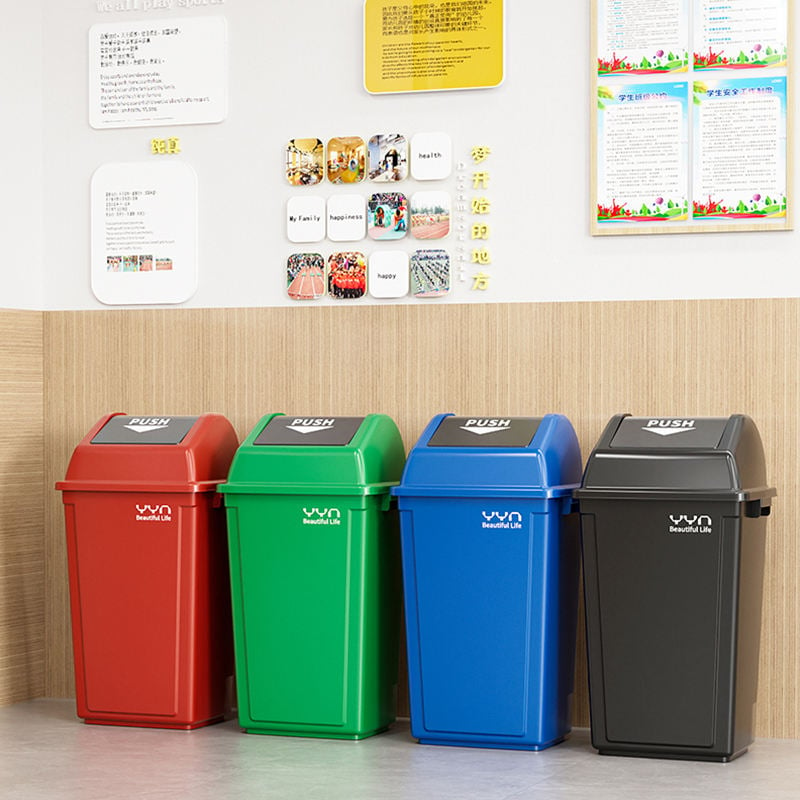
High-volume waste management represents one of the most pressing operational challenges for modern businesses across industries. Companies generating significant quantities of recyclable materials face mounting disposal costs, environmental compliance pressures, and logistical complexities that strain resources. Commercial recycling bins have emerged as a practical, cost-effective solution that transforms how organizations manage waste streams. These specialized containers address the specific needs of enterprises processing large quantities of cardboard, plastics, metals, and paper daily, enabling efficient collection, sorting, and diversion from landfills.
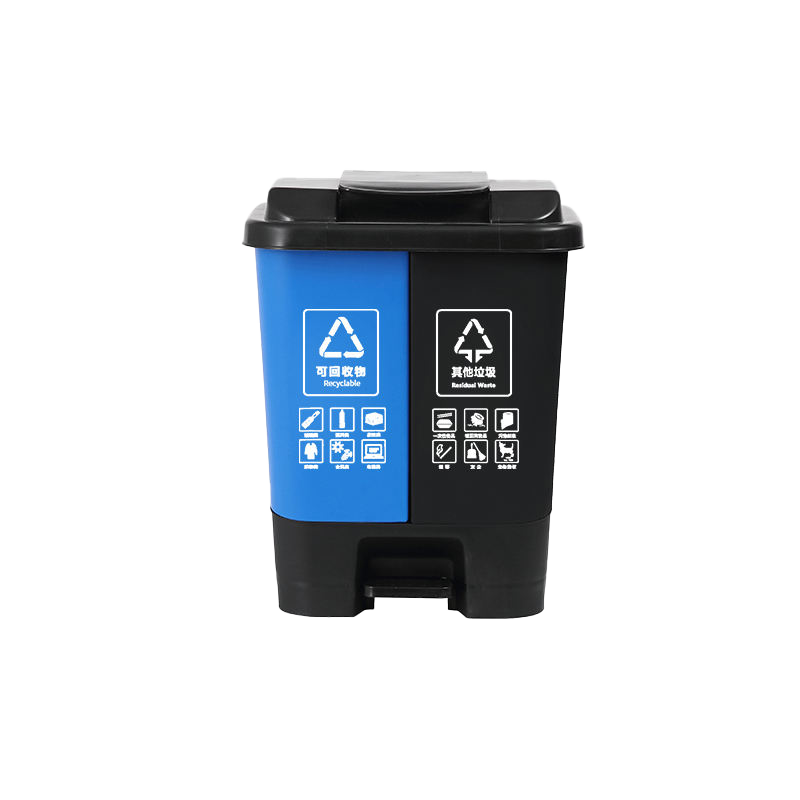
Understanding how commercial recycling bins function within a broader waste management framework is essential for businesses seeking operational efficiency and environmental responsibility. Organizations that implement strategic commercial recycling bins programs gain measurable advantages in cost reduction, compliance adherence, and corporate sustainability metrics. The right commercial recycling bins solution aligns with facility layout, volume capacity, collection frequency, and material segregation requirements specific to each business operation.
Space Optimization and Facility Layout
Maximizing Containment Capacity
Commercial recycling bins designed for high-volume operations provide substantially greater capacity than standard office containers, enabling businesses to extend collection intervals and reduce labor overhead. Industrial-grade commercial recycling bins typically feature reinforced construction, weather-resistant materials, and secure lids that prevent contamination and unauthorized dumping. By concentrating multiple waste streams into designated commercial recycling bins zones, facilities optimize floor space while maintaining organized, compliant material handling. Strategic placement of commercial recycling bins near generation points—loading docks, production areas, break rooms, and packaging stations—minimizes employee travel time and encourages participation in recycling programs.
Design Features Supporting Operations
Modern commercial recycling bins incorporate mobility features such as wheels and handles that facilitate movement within facilities and easier transport to collection points. Heavy-duty construction ensures commercial recycling bins withstand repeated handling, outdoor exposure, and the weight of accumulated materials without degradation or structural failure. Color-coding and clear labeling on commercial recycling bins enable rapid material identification, reducing contamination rates and improving sorting efficiency for downstream processors. Ventilation ports and drainage systems integrated into quality commercial recycling bins prevent moisture accumulation, odor development, and pest attraction that compromise facility hygiene.
Cost Reduction and Resource Efficiency
Lowering Waste Disposal Expenses
Organizations implementing comprehensive commercial recycling bins programs consistently achieve significant reductions in waste disposal costs by diverting recyclable materials from expensive landfill tipping fees. Commercial recycling bins allow businesses to capture material value through sale of collected commodities, generating revenue streams that offset program implementation and operational expenses. By maximizing the volume of materials diverted through dedicated commercial recycling bins, enterprises reduce the frequency and volume of general waste pickup, directly lowering garbage collection service fees. Predictable, controlled waste streams managed through commercial recycling bins enable more accurate budget forecasting and reduced emergency disposal scenarios.
Labor and Operational Efficiency
Strategic deployment of appropriately sized commercial recycling bins reduces the time facility staff spend managing scattered waste containers and conducting emergency emptying operations. Consolidated commercial recycling bins stations streamline cleaning protocols and maintenance routines, allowing workers to focus on core facility responsibilities rather than waste management logistics. Fewer collection events required when using high-capacity commercial recycling bins translate directly to reduced labor hours, vehicle wear, and fuel consumption associated with waste transportation. Businesses optimizing commercial recycling bins placement report faster material consolidation, reduced contamination incidents, and improved workflow coordination across departments.
Environmental Compliance and Sustainability Goals
Meeting Regulatory Requirements
Many jurisdictions mandate waste diversion rates and material segregation standards that require businesses to demonstrate active recycling programs supported by adequate infrastructure like commercial recycling bins. Properly maintained commercial recycling bins systems provide documented evidence of recycling efforts, supporting compliance with local, state, and federal environmental regulations. Industries handling hazardous or regulated materials benefit from specialized commercial recycling bins designed to safely contain specific waste types while maintaining segregation required by environmental agencies. Organizations utilizing commercial recycling bins can generate audit trails and reporting documentation proving environmental stewardship, essential for regulatory inspections and permit renewals.
Supporting Corporate Sustainability Commitments
Companies pursuing ambitious carbon reduction targets and zero-waste-to-landfill goals rely on commercial recycling bins as foundational infrastructure enabling measurable environmental improvements. Transparent material tracking through commercial recycling bins programs generates quantifiable sustainability metrics that enhance corporate reputation, attract environmentally conscious customers, and improve employee engagement. Businesses integrating commercial recycling bins into facility operations demonstrate genuine commitment to circular economy principles, differentiating themselves from competitors and strengthening stakeholder relationships. High-visibility commercial recycling bins programs create organizational culture emphasizing environmental responsibility, influencing employee behavior and reinforcing sustainability priorities across all operational levels.
FAQ
What capacity should businesses select for commercial recycling bins?
Commercial recycling bins capacity selection depends on material generation rates, collection frequency, available floor space, and handling equipment capabilities. Businesses should calculate peak daily waste volume, account for collection intervals, and select commercial recycling bins offering 15–25% capacity buffer to prevent overflow. Consulting waste management providers about historical volume data and seasonal fluctuations helps determine optimal commercial recycling bins size for specific operations.
How frequently should commercial recycling bins be emptied?
Collection frequency for commercial recycling bins varies based on material volume, material types, facility size, and contamination risks. High-volume operations typically require weekly or bi-weekly collection of commercial recycling bins, while smaller facilities may schedule collection monthly. Businesses should monitor fill rates during initial implementation and adjust commercial recycling bins collection schedules to prevent overflow while minimizing unnecessary pickup visits.
Can commercial recycling bins accommodate multiple material types?
Yes, commercial recycling bins can be configured for commingled or source-separated materials depending on regional recycling facility requirements and business preferences. Multi-stream commercial recycling bins programs using separate containers for cardboard, mixed recyclables, metals, and plastics maximize material quality and recovery value. Consulting local recycling processors about accepted material specifications ensures commercial recycling bins programs optimize sorting efficiency and commodity market returns.