 EN
EN

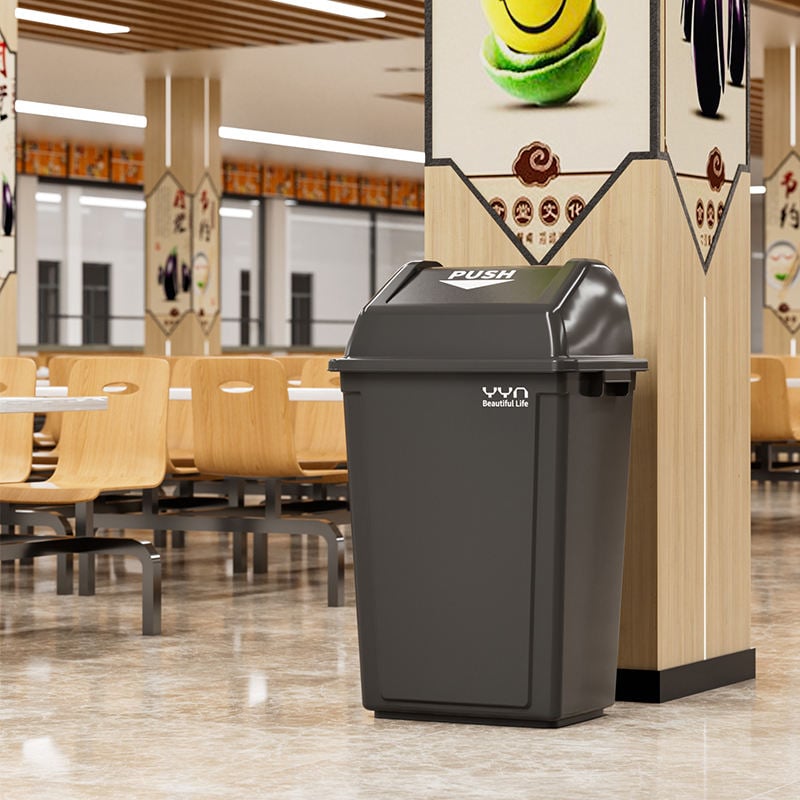
Commercial recycling bins have become a cornerstone of modern office waste management strategies, yet many businesses still underestimate their importance. The presence of properly designed commercial recycling bins transforms how organizations handle daily waste streams, creating measurable environmental and operational benefits. Understanding why commercial recycling bins matter requires examining their role beyond simple waste containment—they function as visible commitments to sustainability while supporting regulatory compliance and operational efficiency across office environments.
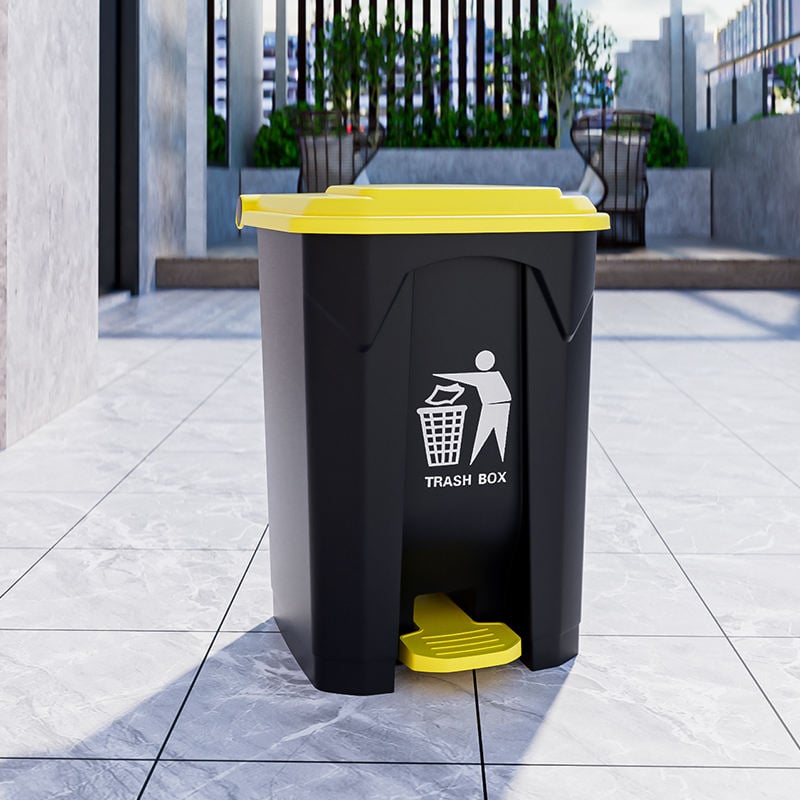
The strategic deployment of commercial recycling bins directly influences office waste sorting effectiveness, employee participation rates, and final diversion metrics that matter to shareholders and environmental stakeholders alike. When employees encounter clearly marked, accessible commercial recycling bins positioned throughout the office, contamination rates drop significantly and waste separation becomes intuitive rather than complicated. This article explores the multifaceted reasons why commercial recycling bins deserve central importance in any comprehensive office waste management program.
Environmental Impact and Waste Diversion
Reducing Landfill Burden Through Effective Sorting
Commercial recycling bins serve as the first physical barrier against valuable materials entering landfills, where they would occupy space for decades and contribute to environmental degradation. Office environments generate substantial volumes of paper, cardboard, aluminum, and plastic daily—materials that retain significant recovery value when captured early. The presence of commercial recycling bins at point-of-disposal locations catches these materials before contamination occurs, enabling higher-quality recycled content that manufacturers actively seek for new product manufacturing.
When commercial recycling bins are absent or poorly positioned, waste stream contamination increases dramatically, rendering recyclables unsuitable for processing facilities. This contamination typically occurs when non-recyclable items mix with intended recycling streams, forcing entire batches toward landfill destinations. Strategic placement of commercial recycling bins near common waste generation points—break rooms, printers, package receiving areas—ensures employees choose correctly with minimal friction, maximizing the recovery rate of valuable materials.
Contributing to Corporate Sustainability Goals
Organizations increasingly commit to specific waste diversion targets, often pledging to achieve 75 or 85 percent landfill diversion rates within defined timelines. Achieving these ambitious goals requires robust infrastructure, and commercial recycling bins represent the foundational element of that infrastructure. Without sufficient, clearly branded commercial recycling bins, even highly motivated employees struggle to achieve waste sorting objectives, and sustainability reporting becomes inaccurate or unreliable.
Commercial recycling bins also facilitate data collection for waste audits and environmental reporting, allowing organizations to track diversion metrics with precision. Many modern commercial recycling bins include labeling systems that communicate specific accepted materials, reducing guesswork and contamination risk while establishing accountability around proper sorting practices throughout the office.
Compliance and Regulatory Considerations
Meeting Local and Regional Waste Regulations
Numerous jurisdictions now mandate waste separation requirements, requiring commercial properties to demonstrate active recycling programs through documentation and infrastructure evidence. Regulatory bodies increasingly inspect office facilities and expect visible proof that commercial recycling bins exist and are actively utilized for waste sorting. Organizations lacking commercial recycling bins in these jurisdictions face potential fines, permit violations, or mandatory remediation orders that prove costly and administratively burdensome.
Compliance documentation for commercial recycling bins typically involves photographs, waste hauler certifications, and diversion rate reports that demonstrate good-faith participation in recycling programs. Forward-thinking organizations install commercial recycling bins in advance of regulatory deadlines, establishing institutional practices that become normalized before enforcement pressure arrives. This proactive approach also demonstrates corporate responsibility to employees, customers, and investors evaluating organizational environmental commitments.
Managing Tenant and Stakeholder Expectations
Commercial property management increasingly recognizes that visible commercial recycling bins influence tenant satisfaction, retention rates, and lease renewal decisions. Tenants occupying modern commercial spaces expect robust waste management infrastructure including commercial recycling bins as a baseline amenity. Properties lacking commercial recycling bins appear outdated and may struggle to attract or retain quality tenants, particularly those with environmental commitments or corporate sustainability mandates.
Investors and property evaluators also assess waste management infrastructure, viewing commercial recycling bins as evidence of professional property stewardship and future-readiness. Commercial recycling bins therefore represent modest capital investments that yield disproportionate returns through improved leasing dynamics, tenant satisfaction metrics, and property valuation indicators.
Workplace Culture and Employee Engagement
Building Environmental Consciousness in Office Settings
The physical presence of commercial recycling bins creates visual reminders that encourage employees to consider environmental impact during routine daily activities. Offices featuring multiple, clearly marked commercial recycling bins demonstrate organizational commitment to sustainability, often inspiring greater employee participation in broader environmental initiatives beyond waste sorting. This cultural foundation strengthens corporate environmental identity and attracts talent increasingly motivated by organizational sustainability values.
Commercial recycling bins positioned prominently near trash receptacles create cognitive friction that prompts decision-making around each disposal choice. Rather than defaulting to landfill waste streams, employees encounter commercial recycling bins and actively select appropriate destinations for their materials. This moment of conscious choice builds environmental awareness that frequently extends beyond the office environment into employees' personal sustainability practices and family behaviors.
Reducing Contamination and Improving Sorting Accuracy
Educational signage on commercial recycling bins directly communicates accepted materials and explicitly identifies contaminants that processing facilities cannot tolerate. Clear labeling transforms commercial recycling bins into teaching tools that gradually build employee knowledge around proper waste sorting practices. Over time, contamination rates decline as employee understanding improves, resulting in superior recycling stream quality and higher market values for recovered materials.
Commercial recycling bins with color-coding systems or pictorial guidance accommodate diverse office populations, including employees with varying language proficiency or processing styles. These design features ensure that commercial recycling bins serve their waste-sorting function regardless of employee background, creating equitable access to proper disposal methods across the entire workforce.
Operational Efficiency and Cost Management
Optimizing Hauling Routes and Service Frequency
Commercial recycling bins with appropriate capacity and footprints reduce unnecessary service calls and hauling trips, lowering transportation emissions and labor costs associated with waste management. Properly sized commercial recycling bins prevent overflow situations that create contamination risks and require emergency service interventions, maintaining predictable waste management operations and budgets. Waste management providers can optimize their routes when commercial recycling bins contain standard volume loads rather than overflowing or under-utilized containers.
Strategic positioning of commercial recycling bins also reduces the labor time employees spend locating appropriate disposal options, indirectly improving productivity by eliminating confusion and search behavior around waste management practices. When commercial recycling bins are conveniently positioned, sorting becomes automatic and friction-free, allowing employees to focus on primary job responsibilities rather than waste logistics.
Tracking Waste Metrics and Sustainability ROI
Commercial recycling bins serve as measurement points for waste audits, allowing organizations to quantify material streams and calculate diversion percentages with accuracy. This data becomes essential for corporate reporting, sustainability communications, and investment decisions around future environmental initiatives. Organizations track which commercial recycling bins generate highest fill rates, informing placement decisions and revealing employee waste-sorting patterns across different office zones.
Financial analysis of commercial recycling bins often reveals unexpected revenue opportunities through material recovery and avoided landfill fees, offsetting acquisition costs within reasonable timeframes. Many organizations discover that their commercial recycling bins investment pays for itself through avoided disposal fees within six to eighteen months, after which continued operation generates net positive financial returns alongside environmental benefits.
FAQ
What should office managers look for when selecting commercial recycling bins?
Effective commercial recycling bins combine adequate capacity with clear labeling, durable construction, and accessibility features that accommodate diverse office populations. Evaluate commercial recycling bins based on footprint fit within your office layout, color-coding systems that facilitate sorting, and compatibility with your existing waste service provider's collection protocols. Consider commercial recycling bins with foot-pedal mechanisms or easy-opening lids that encourage usage without requiring employees to touch potential contaminants.
How many commercial recycling bins does a typical office need?
The optimal number of commercial recycling bins depends on office size, layout, and waste generation patterns, but general guidelines suggest placing them at approximately one-third to one-half the frequency of standard trash receptacles. High-traffic areas like break rooms, mail rooms, and package receiving zones require more commercial recycling bins, while open office areas may benefit from centralized placement that remains visible and convenient. Start with baseline coverage and adjust commercial recycling bins frequency based on fill rates and employee feedback after three to six months of operation.
Can commercial recycling bins reduce disposal costs significantly?
Yes, commercial recycling bins typically reduce overall waste management costs by diverting materials from expensive landfill disposal into lower-cost or revenue-generating recycling streams. Most organizations discover that commercial recycling bins generate measurable cost savings within the first year through reduced landfill volume, reduced hauling frequency, and potential material recovery revenue. Calculate your organization's potential savings by analyzing current waste disposal costs and identifying high-volume materials that commercial recycling bins can recover, then compare those savings against the acquisition and maintenance costs of the bins themselves.