 EN
EN

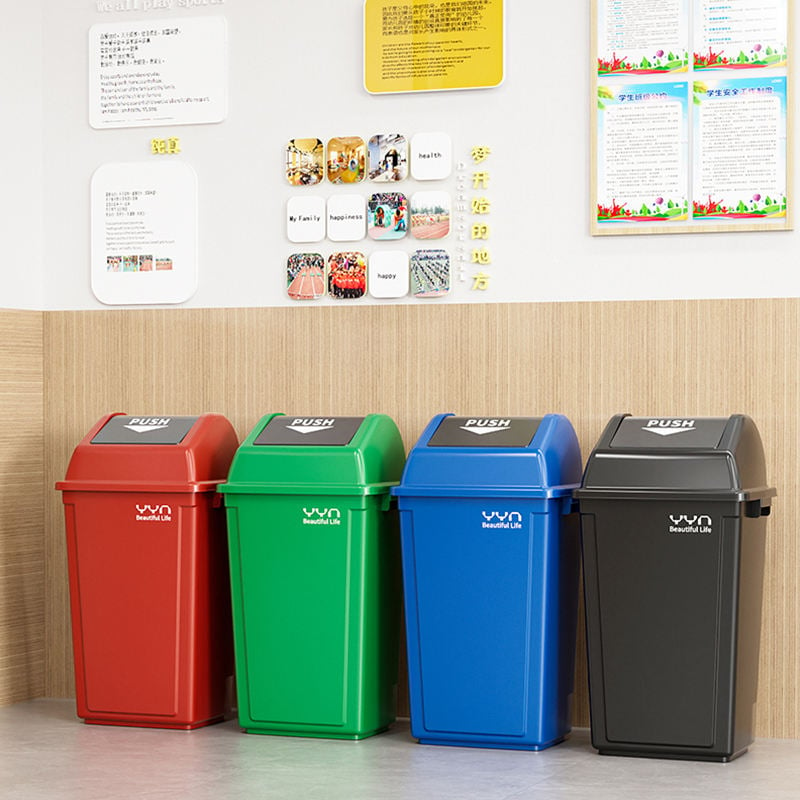
Municipal governments worldwide are increasingly committing significant budgets to quality recycling bins for public spaces, and this investment reflects a strategic shift in how cities approach waste management and environmental responsibility. The decision to prioritize durable recycling bins is not merely about convenience; it represents a fundamental commitment to building sustainable urban infrastructure that serves communities for years while reducing environmental impact. Cities recognize that investing in robust recycling bins directly influences participation rates, contamination reduction, and the overall success of their public recycling programs.
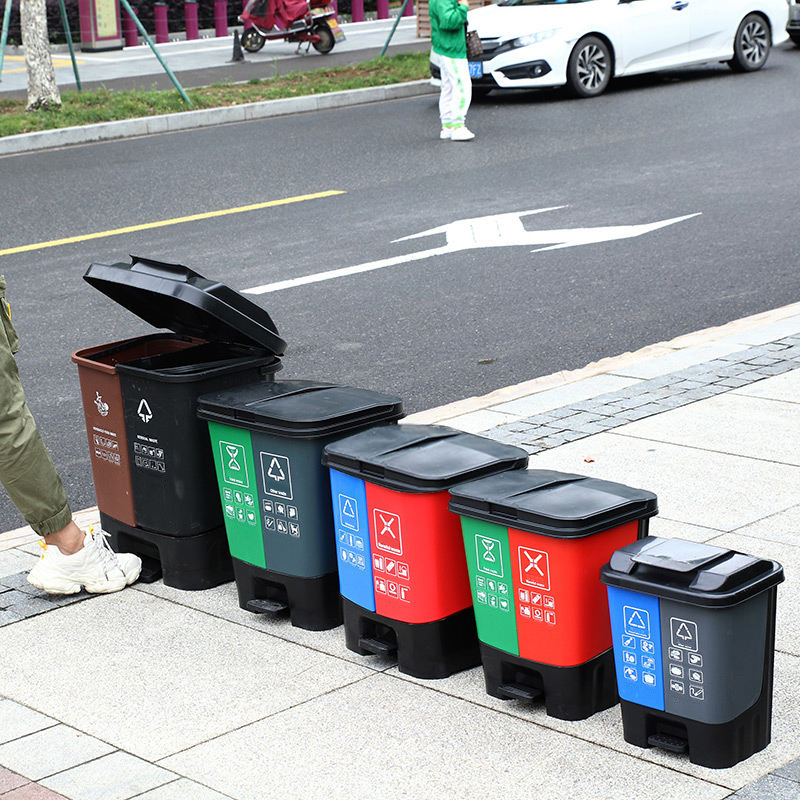
Understanding why cities make this investment requires examining the economic, operational, and environmental factors that make high-quality recycling bins essential to modern urban waste systems. When municipalities choose durable recycling bins over cheaper alternatives, they are calculating long-term value, not just upfront expense. This approach has transformed how public spaces look, function, and contribute to broader city sustainability goals.
Long-Term Cost Efficiency and Budget Optimization
Initial Investment Versus Lifecycle Costs
The most compelling reason cities invest in durable recycling bins is the stark difference between initial purchase price and total cost of ownership over time. Low-cost, flimsy recycling bins may appear budget-friendly at first glance, but they deteriorate rapidly under urban weather conditions, heavy use, and vandalism. Cities that choose premium recycling bins avoid the constant cycle of replacement, repair, and disposal that cheaper models demand. A durable recycling bin can remain functional for 7 to 10 years, while inferior alternatives might fail within 2 to 3 years, requiring frequent replacement orders and logistical coordination across hundreds or thousands of bins.
When cities calculate total cost per year across the full lifespan, high-quality recycling bins become the economically rational choice despite higher upfront spending. Municipalities also reduce administrative overhead associated with replacement procurement, warehouse management, and disposal of broken bins. Every recycling bin that lasts longer reduces strain on city budgets and frees resources for other critical services.
Reduced Maintenance and Service Demands
Durable recycling bins require significantly less maintenance than their cheaper counterparts, which translates directly into labor cost savings for city waste departments. Premium recycling bins are engineered with materials and designs that resist rust, UV degradation, impact damage, and environmental stress. Cities spend fewer resources dispatching crews to repair, replace, or empty damaged recycling bins prematurely. This operational efficiency allows waste management teams to focus on core collection activities rather than constant maintenance cycles.
The durability factor also means fewer emergency service calls when recycling bins fail unexpectedly in high-traffic public areas. Parks departments and street maintenance teams appreciate recycling bins that function reliably week after week, reducing their workload and improving overall public satisfaction with city services.
Environmental Impact and Waste Reduction Goals
Maximizing Recycling Program Participation
Cities invest in durable recycling bins because these infrastructure improvements directly drive higher participation in public recycling programs. When recycling bins are clean, well-maintained, and visibly present throughout public spaces, residents are more likely to use them. Attractive, well-designed recycling bins signal municipal commitment to sustainability and encourage civic participation in waste reduction efforts. Research consistently shows that visible, accessible, high-quality recycling bins increase participation rates by 20 to 40 percent compared to communities with minimal or degraded bin infrastructure.
The psychological effect of quality recycling bins should not be underestimated; when public infrastructure appears neglected or broken, citizens are less likely to use it. Conversely, durable recycling bins that remain pristine and functional throughout their lifespan reinforce the message that recycling matters to the city, encouraging residents to contribute to waste diversion goals.
Contamination Reduction and Stream Quality
Durable recycling bins are designed with thoughtful features such as clear labeling, appropriately sized openings, and weather protection that reduce contamination in the recycling stream. When recycling bins are poorly maintained or lack clear guidance, contamination rates spike, making collected materials less valuable and harder to process. Cities that invest in quality recycling bins with proper signage and construction see measurably lower contamination rates, which improves the economics of recycling operations and increases the value of collected materials.
Weather-resistant construction in durable recycling bins also prevents liquid from pooling inside, which degrades paper and cardboard and attracts pests. This design consideration alone can reduce material waste by 10 to 15 percent, making the recycling program more effective and environmentally beneficial. Cities pursuing ambitious waste diversion targets rely on high-quality recycling bins to achieve the contamination levels that enable successful material recovery.
Public Health, Aesthetics, and Community Perception
Managing Sanitation and Pest Control
Broken or poorly maintained recycling bins create sanitation hazards by allowing overflow, attracting rodents and insects, and creating eyesores in public spaces. Durable recycling bins with secure lids, proper drainage, and robust construction prevent these problems entirely. Cities invest in recycling bins that maintain hygiene standards because public health is a fundamental responsibility, and visible cleanliness affects disease transmission risk and community wellbeing. Parks, plazas, and transit stations with clean, functioning recycling bins remain pleasant destinations, while those with broken or overflowing bins become sources of complaints and health concerns.
The relationship between infrastructure quality and public health cannot be ignored; municipalities recognize that durable recycling bins are part of the larger sanitation and public health infrastructure, not just a waste collection convenience.
Urban Aesthetics and Municipal Pride
High-quality recycling bins contribute meaningfully to urban appearance and the sense of civic pride that residents feel about their communities. Durable recycling bins in thoughtful colors and designs complement public spaces rather than detract from them. When cities invest in attractive, well-maintained recycling bins, they signal that public spaces matter and that environmental stewardship is valued. This aesthetic consideration influences property values, tourism, business investment, and resident satisfaction with municipal governance.
Cities competing for talent, tourism, and business development recognize that environmental consciousness and clean public infrastructure are competitive advantages. Durable recycling bins demonstrate that commitment to potential residents and businesses, making them part of a broader city branding and quality-of-life strategy.
FAQ
What makes recycling bins durable enough for municipal use?
Durable recycling bins are constructed from heavy-gauge plastic, recycled materials, or powder-coated steel that resists cracking, fading, and rust. They feature reinforced hinges, secure latches, and weather-sealed construction that prevents moisture damage. The best recycling bins undergo rigorous durability testing to withstand extreme temperatures, UV exposure, impact from collection trucks, and years of public use without structural failure.
How do recycling bins affect contamination rates in municipal programs?
Quality recycling bins with clear labeling, appropriately sized openings, and protective covers guide residents toward correct sorting and prevent non-recyclable items from entering the stream. Well-designed recycling bins also keep moisture and pests out, preserving material integrity. Cities using high-quality recycling bins report 10 to 15 percent lower contamination rates compared to communities with minimal or degraded bin infrastructure, making the recycling program more efficient and economically viable.
Can durable recycling bins pay for themselves over time?
Yes, durable recycling bins typically pay for themselves within 3 to 5 years through reduced replacement costs, lower maintenance demands, and increased material recovery value from higher participation and lower contamination rates. When cities calculate total cost of ownership across 7 to 10 years, high-quality recycling bins are substantially more cost-effective than repeated purchases of cheaper alternatives. The combination of durability, operational savings, and environmental benefits makes this investment financially sound for municipal budgets.