 EN
EN

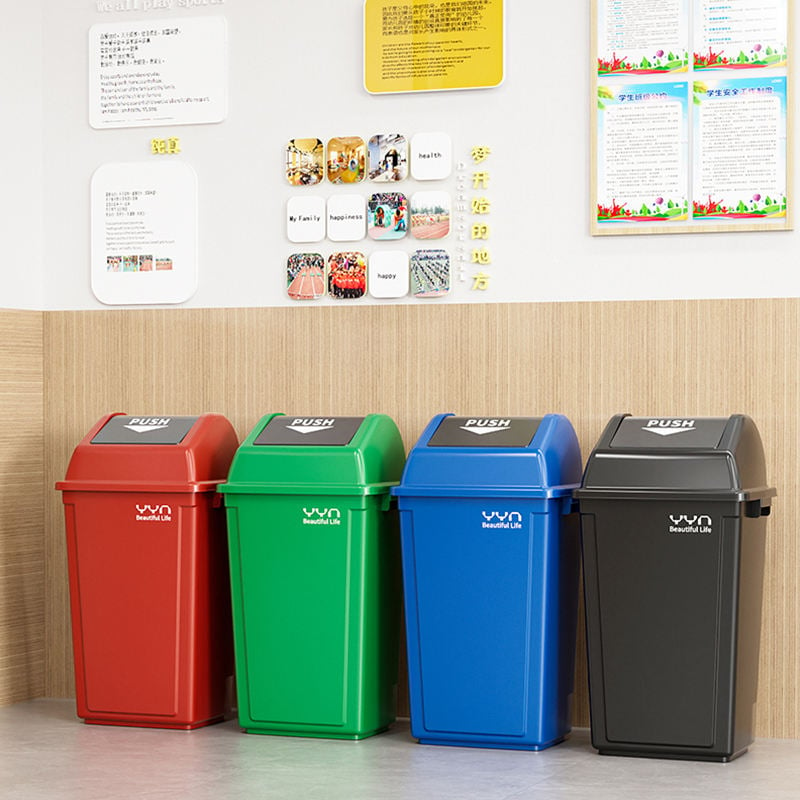
Recycling bins have become increasingly vital in modern institutions and public spaces, yet many schools and communities still underestimate their true impact. The presence of accessible recycling bins directly influences waste diversion rates, environmental awareness, and sustainable practices across entire regions. When recycling bins are strategically placed and properly maintained, they transform how students, employees, and residents approach waste management and environmental stewardship. Understanding why recycling bins matter requires examining their multifaceted role in education, environmental protection, and community building.
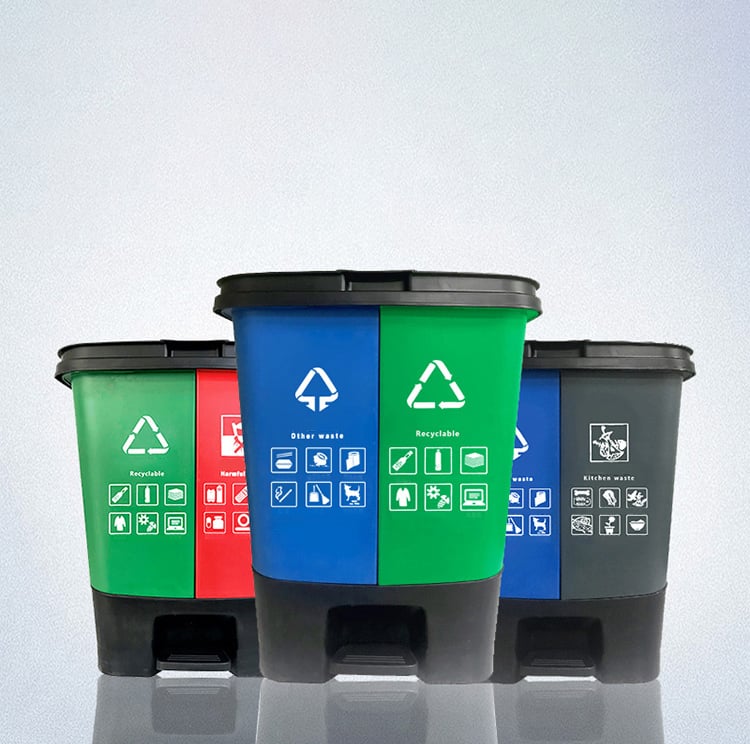
The integration of recycling bins into schools and community spaces signals institutional commitment to environmental responsibility. Recycling bins serve as tangible reminders that waste reduction is a collective responsibility, not merely an individual choice. By providing convenient recycling bins throughout schools, parks, and public gathering spaces, communities normalize sustainable behavior and create infrastructure that supports environmentally conscious decisions. This infrastructure approach proves far more effective than relying on voluntary participation without accessible receptacles.
Environmental Impact and Waste Reduction
Diverting Waste from Landfills
The primary environmental benefit of recycling bins lies in their capacity to divert significant volumes of waste from landfills. Schools typically generate substantial amounts of recyclable materials including paper, cardboard, plastics, and metals throughout each academic year. When recycling bins are positioned conveniently throughout school buildings and grounds, participation rates increase dramatically, resulting in measurable waste reduction. Communities with established recycling bin networks consistently demonstrate higher diversion rates compared to areas lacking this infrastructure. These diverted materials represent valuable resources that can be reprocessed into new products rather than occupying landfill space for decades.
Reducing Environmental Contamination
Proper recycling bins prevent contamination of soil and water systems that occurs when recyclable materials decompose in landfills. Metals, plastics, and treated paper can leach harmful chemicals into groundwater when disposed improperly. Recycling bins enable the separation of these materials at the source, preventing environmental contamination and protecting aquatic ecosystems. Schools in particular benefit from this contamination prevention because they often operate near residential areas where groundwater contamination poses serious health risks. By implementing dedicated recycling bins, schools demonstrate environmental leadership while protecting the communities they serve.
Educational Value and Behavioral Change
Building Environmental Literacy
Recycling bins serve as educational tools that reinforce environmental concepts taught in classrooms. When students encounter recycling bins daily, they develop practical understanding of resource conservation and circular economy principles. The visible presence of recycling bins prompts discussions about waste streams, material composition, and environmental consequences of consumer choices. Teachers leverage recycling bins as teaching aids, connecting abstract sustainability concepts to concrete daily actions. Students who regularly use recycling bins develop lifelong habits of environmental consciousness that extend far beyond their school years.
Fostering Community Environmental Culture
Recycling bins function as community symbols that reflect shared environmental values and institutional priorities. When schools and public spaces prominently display well-maintained recycling bins, they send powerful messages about environmental commitment. Community members observe and adopt similar practices in their homes, creating ripple effects of sustainability throughout neighborhoods. Parents of school children often increase home recycling efforts after observing their children's engagement with school recycling bins. This cultural shift toward environmental responsibility extends beyond individual behavior to influence municipal policies and business practices across entire communities.
Practical Waste Management and Operational Benefits
Streamlining Waste Collection Operations
Dedicated recycling bins improve operational efficiency by separating waste streams at collection points rather than during processing. Schools and facilities benefit from reduced hauling costs when materials are pre-sorted into appropriate recycling bins. Sanitation workers spend less time sorting mixed waste, and facilities reduce handling labor requirements. This operational efficiency translates to cost savings that schools and communities can redirect toward educational or environmental programs. Recycling bins designed for easy access and emptying reduce safety risks for maintenance personnel while improving overall waste management workflow.
Supporting Compliance and Community Standards
Many jurisdictions now mandate waste diversion targets, making recycling bins essential for regulatory compliance. Schools and community facilities face increasing pressure to demonstrate environmental responsibility through measurable waste reduction metrics. Recycling bins provide the infrastructure necessary to meet these mandates while showing community commitment to sustainability standards. Facilities that invest in proper recycling bins often experience improved relationships with municipal waste authorities and environmental agencies. This compliance support also enhances institutional reputation, making schools and communities more attractive to environmentally conscious residents and potential business partners.
FAQ
How do recycling bins influence student participation in waste reduction programs?
Recycling bins dramatically increase student participation by removing barriers to sustainable behavior. When recycling bins are conveniently located and clearly labeled, students naturally gravitate toward proper disposal practices without requiring constant prompting. The accessibility of recycling bins transforms waste reduction from an optional activity into a normalized daily habit. Schools that implement comprehensive recycling bin systems typically see participation rates exceeding ninety percent, compared to much lower rates in facilities lacking visible recycling infrastructure. This high participation demonstrates that recycling bins are not merely receptacles but powerful behavioral change tools.
What makes recycling bins more effective in community spaces compared to single-stream waste disposal?
Recycling bins enable source separation, which reduces contamination and improves material quality for downstream processing. When recyclables remain mixed in single-stream disposal systems, contamination compromises entire batches of materials, reducing their market value and recyclability rates. Dedicated recycling bins allow immediate separation of paper, plastics, metals, and organics, preserving material integrity throughout the collection process. This improved material quality makes recycling more economically viable and environmentally effective. Communities with robust recycling bin systems achieve significantly higher recovery rates and generate revenue through material sales, creating a sustainable financial model for ongoing programs.
Can recycling bins alone achieve significant environmental impact without additional sustainability initiatives?
While recycling bins represent essential infrastructure, maximum environmental impact requires integration with complementary sustainability initiatives. Recycling bins work most effectively when paired with education programs, waste reduction strategies, and composting systems that address additional waste streams. Schools and communities achieve optimal results by combining recycling bins with source reduction efforts and reuse programs that prevent waste generation altogether. However, recycling bins remain foundational to any comprehensive sustainability strategy, providing the infrastructure through which other initiatives become operationally viable. The presence of recycling bins signals institutional commitment that motivates broader environmental action among students and community members.