 EN
EN

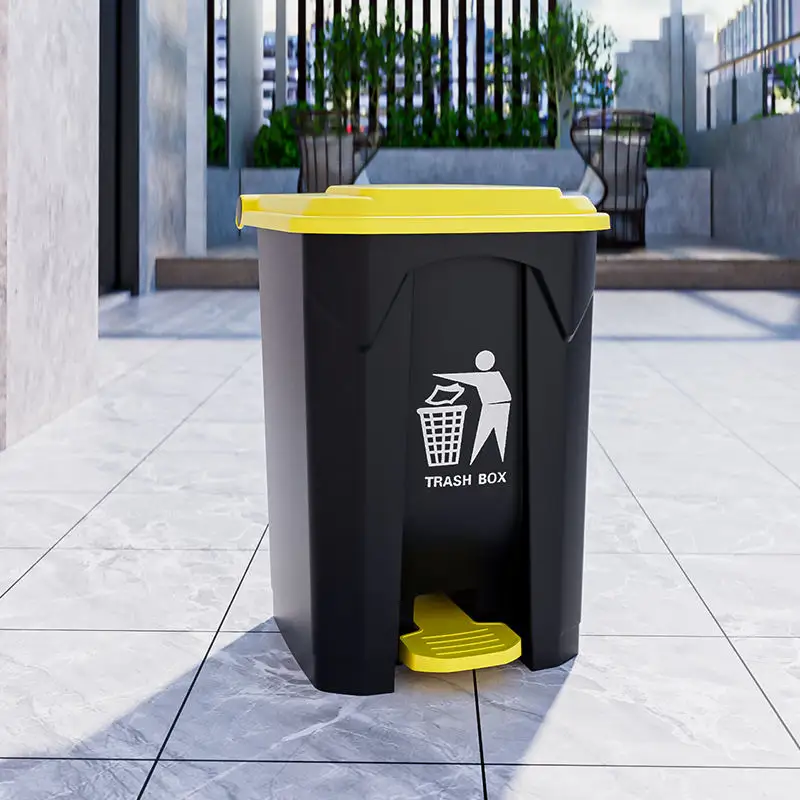
Outdoor trash bins form the backbone of effective waste management in parks and public spaces across communities worldwide. Without properly placed outdoor trash bins, parks quickly become littered, creating unsightly environments that discourage visitors and pose health risks. The strategic deployment of outdoor trash bins directly influences how clean and inviting public spaces remain, making them far more than simple receptacles. Effective outdoor trash bins represent a commitment to maintaining the quality of life in shared community areas.
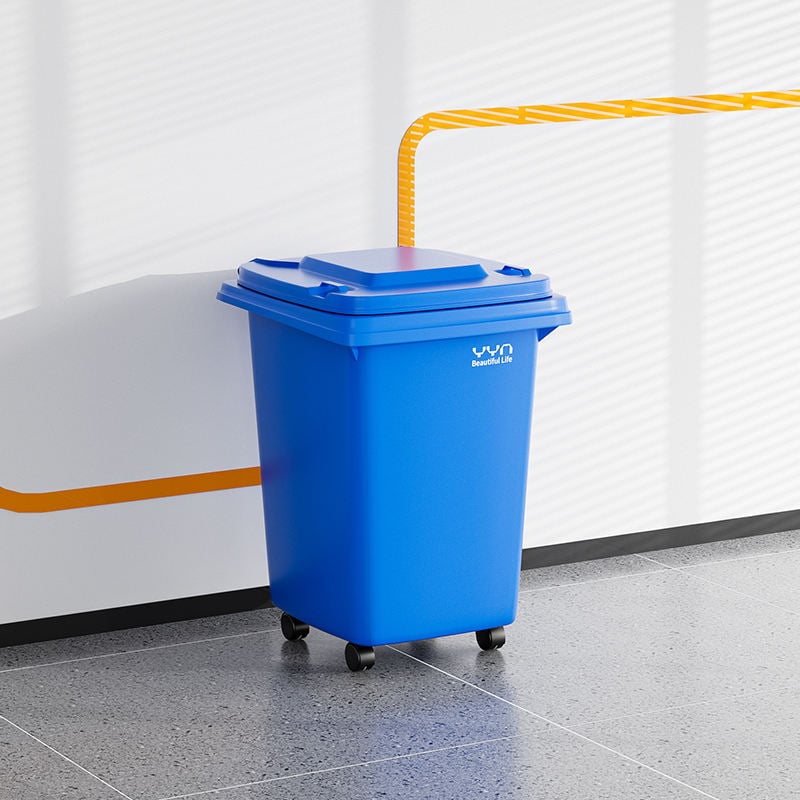
The presence of visible, accessible outdoor trash bins fundamentally changes how people interact with public spaces. When outdoor trash bins are readily available, visitors are more likely to dispose of waste properly rather than leaving litter on ground surfaces. This simple behavioral nudge, enabled by well-designed outdoor trash bins, creates cleaner parks that benefit everyone. Understanding why outdoor trash bins matter requires examining their multifaceted role in public health, environmental protection, and community satisfaction.
Public Health and Sanitation Benefits
Disease Prevention Through Proper Waste Containment
Outdoor trash bins serve as critical barriers against disease transmission in parks and public gathering spaces. Exposed waste attracts rodents, insects, and other vectors that spread pathogens affecting human health. Quality outdoor trash bins prevent contamination of soil and water resources where children play and families gather. The sealed design of modern outdoor trash bins minimizes exposure to decomposing waste that produces harmful bacteria and viruses. Public health officials recognize that investing in reliable outdoor trash bins directly reduces communicable disease outbreaks in communities.
Reducing Environmental Contamination
Uncontained waste from insufficient outdoor trash bins leaches pollutants into groundwater and nearby streams. Parks depend on outdoor trash bins to prevent soil degradation and water pollution that damages ecosystems. When outdoor trash bins are absent or inadequate, organic waste breaks down in ways that release methane and create foul odors affecting neighborhood air quality. Properly maintained outdoor trash bins protect the natural environment while supporting the long-term viability of public recreation areas.
Visitor Experience and Community Engagement
Creating Welcoming Public Environments
The availability of outdoor trash bins directly correlates with visitor satisfaction and park usage rates. People feel more comfortable spending time in parks when outdoor trash bins are visible and accessible, signaling that management cares about cleanliness. Parks equipped with ample outdoor trash bins experience higher foot traffic, longer visitor stays, and greater community engagement. Children and families prefer clean parks with outdoor trash bins positioned at convenient intervals along pathways and gathering areas. Communities that invest in quality outdoor trash bins report increased park visitation and stronger neighborhood cohesion.
Supporting Active Recreation and Events
Outdoor trash bins enable parks to host community events, outdoor markets, and recreational activities with confidence. Event organizers rely on adequate outdoor trash bins to manage waste from hundreds of visitors over several hours. Without sufficient outdoor trash bins, parks face logistical challenges that discourage large gatherings and limit revenue from permits. Parks with strategically placed outdoor trash bins can accommodate festivals, concerts, and sports events that strengthen community bonds and generate economic activity.
Operational Efficiency and Cost Management
Streamlining Maintenance and Cleaning
Parks managers benefit from installing outdoor trash bins because they concentrate waste in designated areas rather than scattered across grounds. Efficient outdoor trash bins reduce labor costs by eliminating the need to pick up litter from every corner of parks and recreational areas. Centralized outdoor trash bins make scheduling collection routes faster and more predictable for maintenance staff. The adoption of outdoor trash bins with durable construction reduces replacement frequency and overall capital expenditure on waste management infrastructure. Parks that neglect outdoor trash bins face exponentially higher cleanup expenses and staff hours spent managing scattered debris.
Supporting Sustainability Initiatives
Modern outdoor trash bins designed with separate compartments enable parks to implement recycling and composting programs effectively. Communities committed to environmental goals require outdoor trash bins that support source separation of materials. outdoor trash bins with intuitive labeling and compartmentalized designs encourage proper waste sorting among park visitors. Parks that feature outdoor trash bins supporting recycling initiatives demonstrate leadership in sustainability and inspire residents to adopt eco-friendly practices. Investing in specialized outdoor trash bins positions communities as environmental stewards while reducing landfill burden and supporting circular economy principles.
Safety and Crime Prevention
Minimizing Hazards and Injuries
Outdoor trash bins prevent accumulation of sharp objects, broken glass, and hazardous materials that pose injury risks to park visitors. Children playing in parks are safer when outdoor trash bins contain waste that could otherwise become dangerous projectiles or choking hazards. Proper outdoor trash bins reduce trips and falls caused by debris and scattered litter on pathways. Parks with well-maintained outdoor trash bins demonstrate risk management practices that protect liability exposure for municipal authorities. Visitor safety improves measurably when outdoor trash bins are appropriately sized, positioned, and emptied regularly.
Deterring Illegal Activity
Well-maintained parks with visible outdoor trash bins signal community investment and active management, deterring vandalism and illegal dumping. Neglected parks with insufficient outdoor trash bins attract criminal activity and become safety concerns for legitimate visitors. Police and community leaders recognize that parks with adequate outdoor trash bins experience fewer incidents of illegal waste disposal and trespassing. The presence of outdoor trash bins communicates that the park is monitored and valued, establishing a positive feedback loop of community care and mutual respect. Strategic outdoor trash bins placement near problem areas helps parks maintain order and security.
FAQ
What capacity should outdoor trash bins have for typical park usage?
Outdoor trash bins capacity depends on park size, visitor volume, and seasonal usage patterns. Most parks benefit from outdoor trash bins ranging from 32 to 64 gallons for standard areas, with larger 95-gallon outdoor trash bins near playgrounds, pavilions, and event spaces. High-traffic parks may require multiple outdoor trash bins at popular gathering points to prevent overflow. Parks should conduct usage assessments to determine whether existing outdoor trash bins meet community needs or if expansion is warranted.
How frequently should outdoor trash bins be emptied?
Collection frequency for outdoor trash bins varies based on climate, season, and visitor activity levels. Summer months typically require outdoor trash bins to be emptied daily or twice daily in busy parks. Winter periods may allow outdoor trash bins to be serviced every two to three days when usage is lower. Parks should monitor outdoor trash bins regularly and adjust collection schedules based on fill rates. Proper maintenance of outdoor trash bins prevents overflow conditions that undermine cleanliness goals.
How do outdoor trash bins support environmental goals in parks?
Compartmentalized outdoor trash bins enable parks to separate waste streams for recycling and composting programs. By providing clearly labeled outdoor trash bins for different material types, parks increase diversion rates from landfills. Educational signage on outdoor trash bins raises visitor awareness about proper waste disposal and environmental responsibility. Parks implementing comprehensive outdoor trash bins systems see significant reductions in environmental impact. Sustainable outdoor trash bins designs made from recycled materials further support circular economy objectives.
Conclusion
Outdoor trash bins represent essential infrastructure that every park and public space requires for success. From protecting public health to enhancing visitor experiences and supporting environmental sustainability, outdoor trash bins deliver measurable benefits across multiple dimensions. Parks that prioritize quality outdoor trash bins investment demonstrate commitment to community wellbeing and environmental stewardship. As communities continue prioritizing green spaces and public health, the strategic implementation of outdoor trash bins will remain fundamental to modern park management and urban planning strategies.