 EN
EN

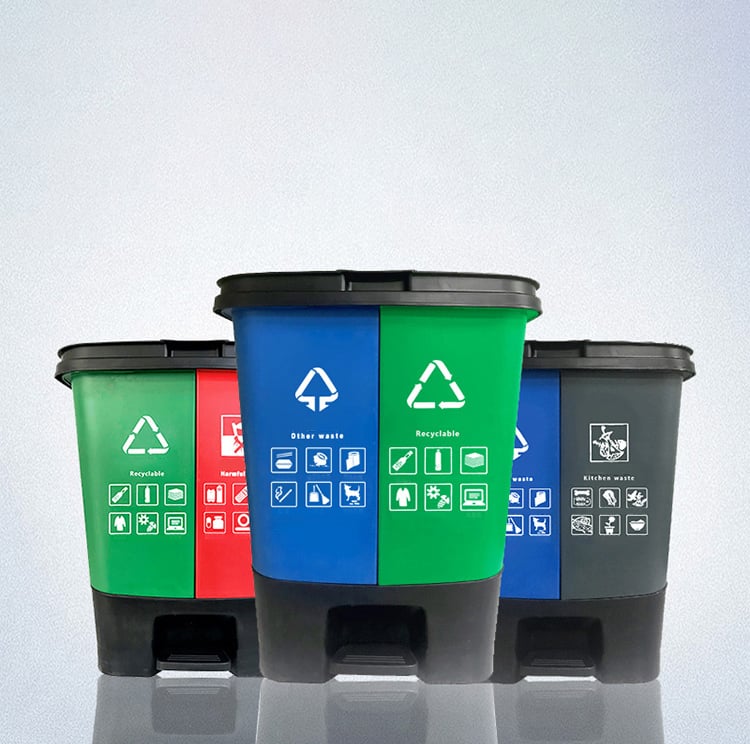
Selecting the right recycling bins for public spaces requires balancing durability, accessibility, capacity, and environmental responsibility. Whether installing recycling bins in parks, transit stations, office complexes, or shopping centers, the choice directly impacts waste diversion rates and community participation. Effective recycling bins must withstand weather exposure, handle high-volume foot traffic, and communicate sorting requirements clearly to diverse users. Understanding which recycling bins best serve your public space ensures investment in infrastructure that actually drives sustainable behavior.
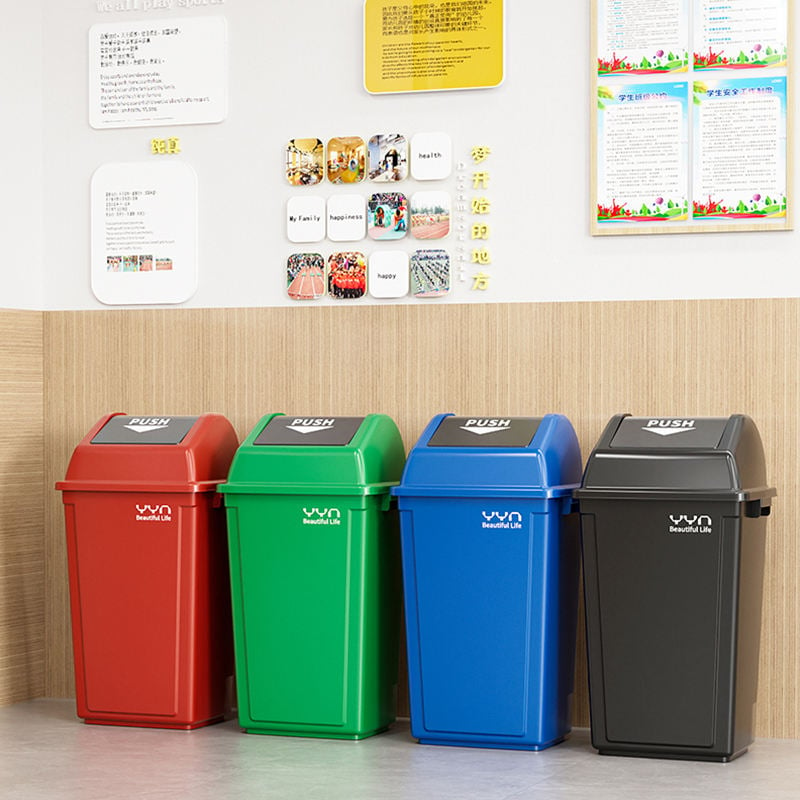
The success of any recycling program fundamentally depends on the quality and design of recycling bins available to the public. Poorly designed or inadequate recycling bins discourage participation, increase contamination, and create maintenance challenges for facility operators. High-performing recycling bins combine intuitive design, robust materials, and sufficient capacity to serve peak usage periods without overflowing. This guide examines the key characteristics that distinguish superior recycling bins in public environments and how to evaluate options for your specific location.
Material Durability and Weather Resistance
Plastic Construction for Long-Term Outdoor Performance
Recycling bins made from heavy-duty plastic offer exceptional durability in outdoor public spaces. High-density polyethylene and polypropylene construction resist UV radiation, temperature fluctuations, and moisture infiltration that degrade inferior recycling bins. Weather-resistant recycling bins maintain structural integrity through multiple seasons without rust, warping, or discoloration. The plastic composition ensures these recycling bins remain lightweight for maintenance staff while delivering years of reliable service in harsh environmental conditions.
Metal-Reinforced Options for High-Traffic Areas
Steel-reinforced recycling bins provide enhanced impact resistance in extremely busy public locations. These recycling bins feature steel rims, hinges, and support frames that prevent deformation from rough handling or accidental collisions. Metal components in quality recycling bins distribute stress more effectively than all-plastic designs, extending service life in zones with heavy daily usage. Many commercial-grade recycling bins combine the corrosion resistance of powder-coated steel with the weather durability of premium plastic panels.
Capacity, Design, and User Accessibility
Optimal Size and Volume for Public Demand
Correctly sizing recycling bins prevents overflow situations that discourage proper disposal and create littering problems. Public-space recycling bins typically range from 32 to 64 gallons in capacity, though high-traffic locations benefit from larger recycling bins or multiple units clustered together. Underestimating capacity forces facility managers to empty recycling bins more frequently, increasing labor costs and contamination risk during overflow periods. Strategic placement of multiple recycling bins in main traffic corridors ensures accessibility while preventing excessive overflow.
Clear Sorting Instructions and Visual Identification
Recycling bins designed for public spaces must include unmistakable visual cues indicating accepted materials. Color-coded recycling bins using green, blue, or other standardized colors help users make quick sorting decisions. Durable, weather-resistant graphics and labels on recycling bins remain legible after months of sun exposure and cleaning. Multilingual instructions on recycling bins serve diverse populations and reduce contamination caused by confusion about acceptable materials. Transparent or semi-transparent sections on some recycling bins allow users to verify fill levels before depositing items.
Functionality Features and Maintenance Considerations
Accessibility and Ease of Use Across Demographics
Superior recycling bins accommodate users of varying physical abilities, including elderly visitors, people with mobility challenges, and children. Pedal-operated recycling bins allow one-handed use and maintain hygiene by minimizing contact with contaminated surfaces. Opening mechanisms on quality recycling bins should require reasonable force without being difficult for average users to operate. Height, opening diameter, and access clearance around recycling bins directly influence participation rates and successful material placement.
Maintenance Access and Emptying Efficiency
Well-designed recycling bins feature access points that expedite emptying while maintaining structural integrity. Hinged or removable tops on recycling bins enable quick cleaning and inspection for contamination without tools or special equipment. Large openings on recycling bins facilitate bag insertion and removal, reducing handling time and labor strain during collection cycles. Durable latches and locking mechanisms on recycling bins prevent unauthorized access and secure lids during transport, protecting contents and preventing spillage.
Environmental and Sustainability Standards
Recycled Content and Circular Economy Alignment
Selecting recycling bins manufactured with post-consumer recycled materials supports broader sustainability goals. Many quality recycling bins incorporate 50 to 100 percent recycled plastic, creating circular products that embody the recycling message. Choosing recycling bins from manufacturers committed to sustainable production processes amplifies your environmental impact beyond the bins themselves. Lifecycle assessment of recycling bins demonstrates that durable, long-lasting designs reduce total environmental cost compared to cheaper alternatives requiring frequent replacement.
Installation Flexibility and Space Adaptation
Recycling bins for public spaces should accommodate various installation scenarios, from surface mounting to permanent anchoring in high-wind locations. Modular recycling bins enable facility managers to combine multiple units into comprehensive waste separation stations. Adjustable feet and leveling mechanisms on recycling bins ensure stable placement on uneven surfaces common in outdoor public areas. Compatibility with standard collection vehicle access points ensures recycling bins integrate seamlessly with existing waste management infrastructure.
FAQ
What capacity of recycling bins works best for high-traffic public spaces?
High-traffic public spaces typically perform best with recycling bins in the 50 to 64-gallon range, or multiple clustered units of 32 to 40 gallons each. Doubling capacity reduces collection frequency and associated labor costs, while multiple smaller recycling bins improve accessibility and encourage proper sorting by keeping wait times short. Monitor usage patterns for the first month after installation to adjust the number and size of recycling bins based on actual demand and peak hour volumes.
How often should recycling bins be emptied in public locations?
Collection frequency for recycling bins depends on location type and observed fill rates, typically ranging from daily to three times weekly. High-traffic locations like transit stations and shopping centers may require daily or twice-daily collection of recycling bins. Moderate-traffic areas benefit from collection schedules of two to three times per week. Establishing collection routes that check recycling bins before they overflow prevents spills, maintains public satisfaction, and reduces contamination from rainwater mixing with materials.
What makes recycling bins resistant to vandalism and theft?
Durable recycling bins resist damage through heavy-gauge materials, secure fastening systems, and design features that minimize impact damage from rough handling. Locking mechanisms on recycling bins prevent unauthorized access to contents, while non-removable components prevent partial disassembly. Recycling bins with rounded edges and flexible bases absorb impact without denting or cracking. Powder-coated finishes on recycling bins resist graffiti and can be repainted easily if vandalism occurs, maintaining aesthetic standards across public spaces.