 EN
EN

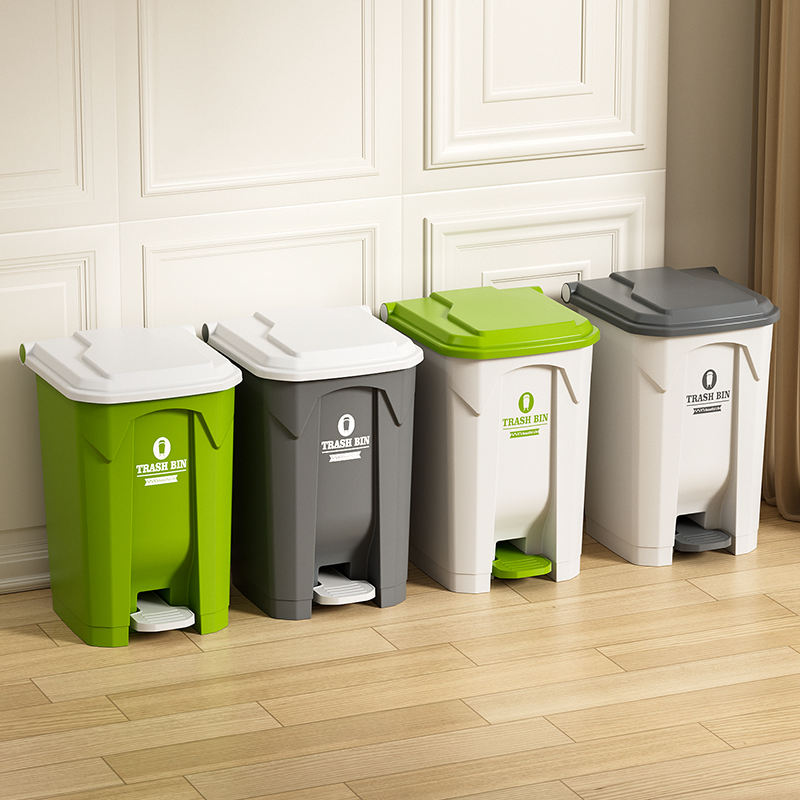
Industrial waste environments present some of the most challenging conditions for waste containment solutions. Plastic waste bins have emerged as a practical choice for facilities managing high-volume refuse, hazardous materials, and corrosive substances. Understanding how plastic waste bins perform under these demanding conditions helps facility managers make informed purchasing decisions that balance durability, cost, and operational efficiency.
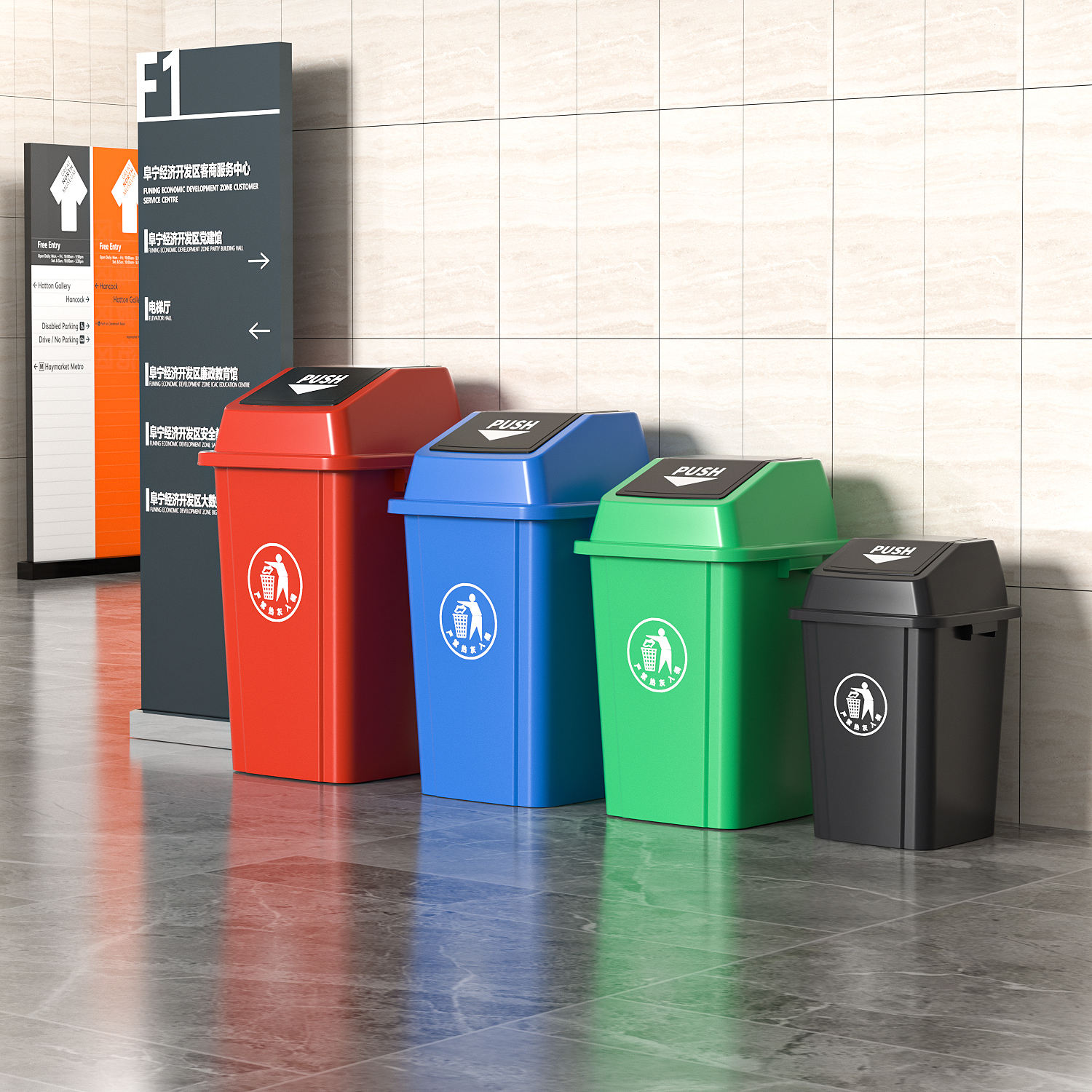
The performance of plastic waste bins in industrial settings depends on several interconnected factors, including material composition, structural design, environmental exposure, and maintenance protocols. Industrial facilities ranging from manufacturing plants and chemical processors to automotive shops and food production centers rely on plastic waste bins to handle everything from general debris to specialized waste streams. This article explores the real-world performance characteristics of plastic waste bins and what facility managers should expect when deploying them in harsh industrial environments.
Material Composition and Chemical Resistance
Polymer Selection for Industrial Applications
Plastic waste bins designed for industrial use are typically manufactured from high-density polyethylene (HDPE), polypropylene (PP), or reinforced polymer blends. These materials are selected specifically because they resist degradation from common industrial waste streams. HDPE plastic waste bins excel at withstanding exposure to oils, solvents, and mild acids commonly found in manufacturing facilities. Polypropylene plastic waste bins offer superior resistance to higher temperatures and certain chemical compounds, making them ideal for food processing and pharmaceutical waste.
Durability Against Corrosive Substances
One of the primary advantages of plastic waste bins over metal alternatives is their inherent resistance to rust and corrosion. Industrial environments frequently contain moisture, salt spray, and corrosive chemical residues that rapidly degrade steel containers. Plastic waste bins maintain structural integrity under these conditions because the polymer matrix does not oxidize. However, certain aggressive chemicals like strong alkalis or halogenated solvents can compromise plastic waste bins if they remain in direct contact for extended periods. Most industrial-grade plastic waste bins are engineered with chemical resistance ratings that specify compatible waste types, enabling facility operators to select appropriate containers for each waste stream.
Load-Bearing Capacity and Structural Performance
Weight Distribution and Reinforcement Design
Industrial plastic waste bins must handle concentrated loads without deformation or failure. Modern plastic waste bins incorporate ribbed sidewalls, reinforced bases, and thickened rim sections to distribute weight evenly. A typical industrial-grade plastic waste bins container can safely support stacking loads of 500 to 1000 kilograms depending on design specifications. The base thickness of quality plastic waste bins ranges from 5 to 8 millimeters, while sidewall thickness typically measures 3 to 5 millimeters, ensuring dimensional stability even when bins are filled to maximum capacity and subjected to mechanical handling equipment.
Impact Resistance and Drop Performance
Industrial facilities employ forklifts, automated waste handling systems, and manual handling procedures that subject plastic waste bins to significant impact forces. Superior plastic waste bins are formulated with impact modifiers that enhance toughness without sacrificing chemical resistance. Testing shows that properly designed plastic waste bins can withstand drops from 1.5 meters onto concrete surfaces without cracking or leaking. The resilience of plastic waste bins becomes especially valuable in environments where bins are transported via conveyor systems or mechanical handlers that occasionally cause collisions or rough handling. Unlike rigid metal containers, plastic waste bins absorb shock loads, protecting both the container and the waste management equipment.
Environmental Durability and Maintenance Efficiency
UV Stability and Temperature Range Performance
Outdoor industrial waste storage areas expose plastic waste bins to ultraviolet radiation, temperature cycling, and weather extremes. Industrial-quality plastic waste bins are formulated with UV stabilizers and carbon black additives that prevent embrittlement and color fading. The effective operational temperature range for most plastic waste bins extends from minus 20 degrees Celsius to plus 60 degrees Celsius, encompassing the environmental conditions found in most industrial regions. Inferior plastic waste bins lacking these additives become brittle within 12 to 18 months of outdoor exposure, while properly formulated plastic waste bins maintain flexibility and structural integrity for seven to ten years or longer.
Hygiene, Cleaning, and Operational Longevity
Plastic waste bins require minimal maintenance compared to metal alternatives because they do not require rust prevention treatments, painting, or corrosion management. The smooth, non-porous surface of plastic waste bins facilitates rapid cleaning using high-pressure wash systems commonly employed in industrial sanitation protocols. Food processing facilities, pharmaceutical manufacturers, and chemical plants routinely use plastic waste bins because they can be thoroughly cleaned without harboring bacterial growth or chemical residues in surface pits or corrosion damage. The lifespan of plastic waste bins increases significantly when facilities implement regular cleaning schedules, typically adding five or more years to the service life compared to containers stored in contaminated conditions.
Practical Deployment Considerations and Selection Criteria
Capacity Matching and Waste Stream Compatibility
Effective deployment of plastic waste bins requires careful matching of container capacity to waste generation rates. Industrial plastic waste bins range from 60 liters to 1100 liters, with larger models serving high-volume operations. Selecting appropriately sized plastic waste bins prevents overfilling, which compromises structural integrity and creates safety hazards. Facilities managing multiple waste streams benefit from using different colored plastic waste bins with clear labeling systems to prevent cross-contamination. The chemical compatibility of specific plastic waste bins to facility-specific waste streams should be verified before large-scale deployment, as some industrial chemicals can cause polymer softening or brittleness over time.
Cost-Effectiveness and Total Lifecycle Value
While plastic waste bins typically cost less per unit than stainless steel alternatives, the true financial advantage emerges from lifecycle cost analysis. Plastic waste bins eliminate expenses associated with rust treatment, refinishing, and replacement cycles common to metal containers. Industrial facilities implementing plastic waste bins experience reduced replacement frequency, lower maintenance labor costs, and improved container availability. A facility deploying 200 plastic waste bins with an eight-year average lifespan and minimal maintenance requirements generates substantially lower total cost of ownership than equivalent metal containers requiring annual treatment and more frequent replacement cycles.
FAQ
Can plastic waste bins withstand high-temperature industrial waste?
Most standard plastic waste bins have operational temperature limits around 60 degrees Celsius, which suits many industrial applications. However, facilities generating extremely hot waste streams, such as foundries or glass processing plants, should specify heat-resistant polymer formulations or insulated plastic waste bins designed for elevated temperatures. Always verify specific temperature ratings with manufacturers before deploying plastic waste bins in extreme heat environments.
How do plastic waste bins compare to metal containers in harsh chemical environments?
Plastic waste bins generally outperform metal containers in chemical resistance because polymers do not rust or corrode from moisture exposure. However, certain aggressive chemicals can degrade specific plastic waste bins depending on polymer type and chemical composition. Metal containers offer superior protection for extremely hazardous or exotic chemical waste, while plastic waste bins excel in typical industrial environments containing oils, mild acids, and general manufacturing waste.
What maintenance schedule keeps plastic waste bins performing optimally?
Regular cleaning using mild detergent and water maintains plastic waste bins in excellent condition, ideally performed monthly in high-contamination environments. Inspect plastic waste bins quarterly for cracks, deformation, or chemical damage, and replace damaged containers immediately to prevent spills. Storing plastic waste bins in covered areas when not in active use extends lifespan by protecting them from unnecessary UV exposure and weather cycling.