 EN

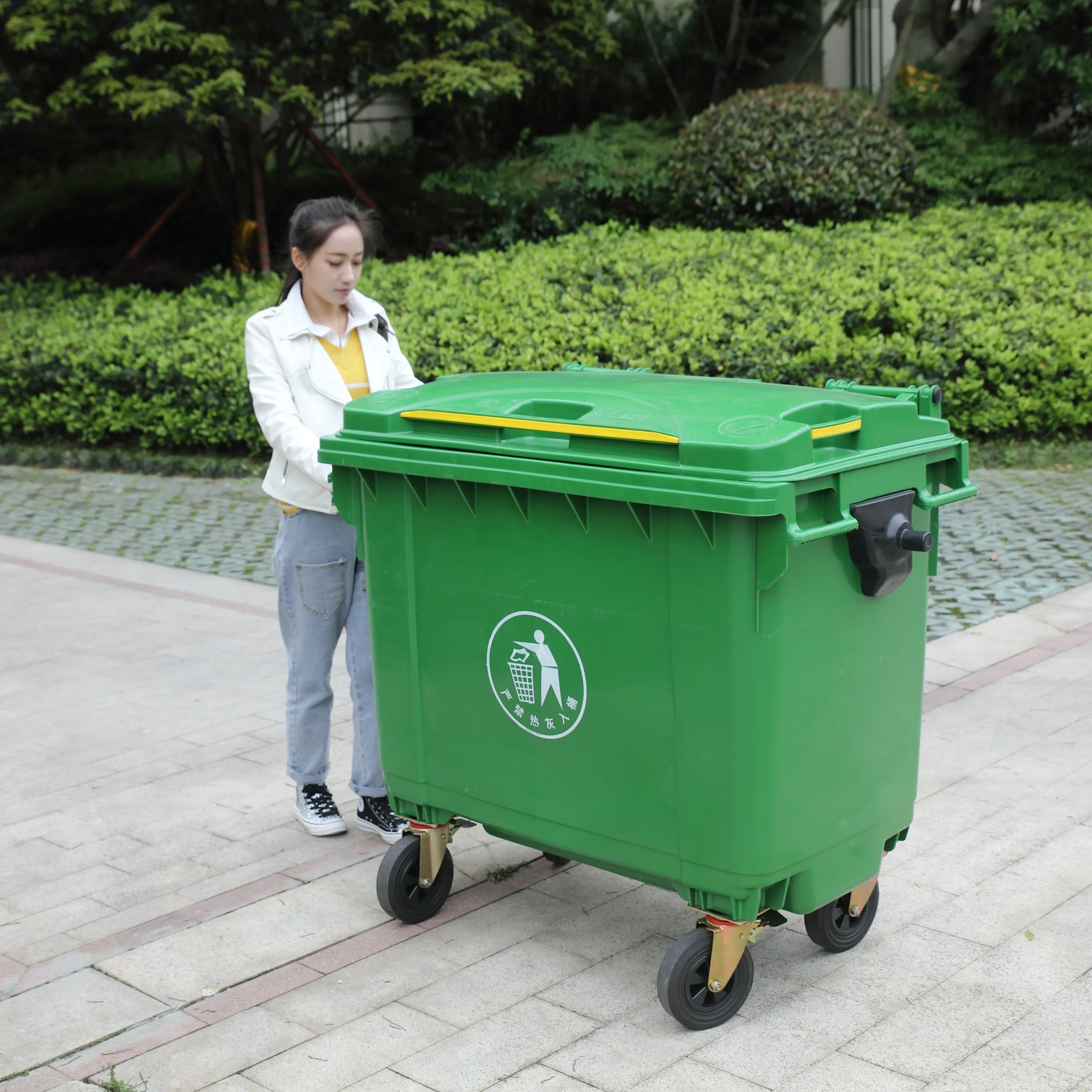
Industrial waste bins are essential infrastructure for any facility managing high volumes of refuse, from manufacturing plants to construction sites. The durability of these containers directly impacts operational efficiency, safety, and long-term cost management. Selecting the right material for industrial waste bins determines not only how long they last but also their resistance to corrosion, impact, chemical exposure, and weather conditions. Understanding the material options available helps facility managers make informed decisions that align with their specific operational demands and budget constraints.
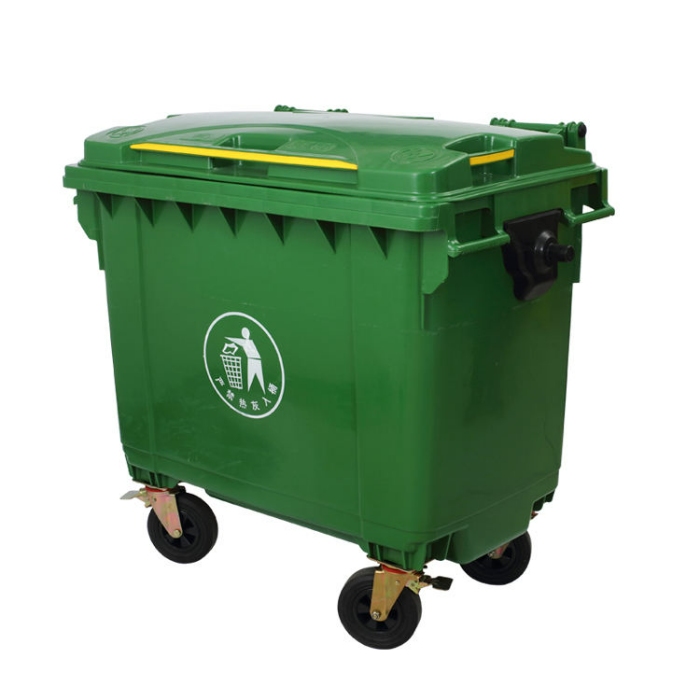
The material composition of waste containers fundamentally shapes their performance characteristics across different environments. Heavy-duty use demands containers that withstand repeated impacts, resist degradation from exposure to oils and solvents, and maintain structural integrity over years of service. Modern industrial waste bins are engineered from various materials, each offering distinct advantages depending on the type of waste, climate, and handling frequency.
High-Density Polyethylene and Plastic Composites
Advantages of Plastic Construction
High-density polyethylene, commonly known as HDPE, has become a leading material for industrial waste bins due to its exceptional resistance to chemicals, moisture, and corrosion. Plastic composite materials offer significant weight advantages compared to steel or aluminum, making them easier to handle and transport while maintaining superior durability. HDPE industrial waste bins can withstand extreme temperatures ranging from freezing conditions to intense heat without cracking or warping, making them suitable for diverse geographic and climate conditions.
Chemical Resistance and Longevity
Plastic-based industrial waste bins excel in environments where chemical exposure is frequent. Whether handling industrial solvents, oils, batteries, or acidic substances, HDPE resists chemical degradation that would compromise metal alternatives. The material's inherent moisture resistance prevents rust and corrosion, extending the service life of waste bins significantly. Reinforced plastic composites add structural strength without increasing weight, making heavy-duty waste containers more practical for daily operations while maintaining their durability through years of use.
Steel and Metal Construction Options
Steel Durability for Maximum Impact Resistance
Steel remains a traditional choice for industrial waste bins requiring maximum structural strength and impact resistance. Heavy-gauge steel construction provides superior load-bearing capacity for facilities handling extremely dense or bulky waste materials. Steel industrial waste bins can endure rough handling, equipment impacts, and high-pressure waste compaction without deformation. Modern powder-coated steel finishes offer protective barriers against rust and corrosion, though maintenance requirements are higher than plastic alternatives in wet or chemically aggressive environments.
Galvanized and Stainless Steel Alternatives
Galvanized steel industrial waste bins incorporate a zinc coating that provides additional corrosion protection, extending durability in harsh outdoor conditions or marine environments. Stainless steel options deliver premium corrosion resistance for food processing facilities, pharmaceutical operations, or coastal installations where salt spray and moisture present constant degradation risks. While stainless steel waste bins command higher initial investment, their extended lifespan and minimal maintenance requirements often justify the cost for specialized heavy-duty applications where waste composition demands superior material performance.
Material Selection Criteria for Heavy-Duty Applications
Environmental Factors and Waste Composition
Choosing the optimal material for industrial waste bins requires evaluating specific environmental conditions and waste types your facility generates. Chemical-heavy waste streams benefit from plastic-based industrial waste bins that resist degradation from solvents, oils, and acidic compounds. Outdoor installations in humid climates demand either plastic composites or galvanized metal to prevent rust formation. Facilities handling extreme weights or requiring maximum impact absorption should prioritize steel options despite their higher maintenance profiles and heavier operational burden during collection cycles.
Cost-Benefit Analysis and Total Lifecycle Value
The apparent lower cost of certain industrial waste bins materials must be weighed against maintenance expenses, replacement frequency, and operational durability. Plastic composite industrial waste bins typically offer better total cost of ownership in chemically aggressive environments due to minimal maintenance and extended service life. Steel containers may require regular repainting, corrosion treatment, and more frequent replacement in challenging conditions. Evaluating the expected service life, facility-specific requirements, and operational factors determines whether premium materials deliver superior value compared to budget options that require premature replacement.
FAQ
Can plastic industrial waste bins handle the same loads as steel containers?
Modern reinforced plastic industrial waste bins can handle substantial loads when properly engineered, though peak load capacities may differ from heavy-gauge steel. Plastic's advantage lies in distributing weight more evenly and resisting impact damage from loading equipment. For extremely dense materials or extremely frequent heavy-impact use, steel containers might offer marginal advantages, but advanced composite plastic industrial waste bins perform adequately for most industrial applications while providing superior chemical resistance and lower maintenance costs.
How do I know which material suits my facility's waste composition?
Identify the primary waste types your facility generates and their chemical properties. Corrosive, oily, or acidic waste streams call for plastic industrial waste bins that resist chemical degradation. Dry, inert waste with mechanical handling demands can be served well by either material. Consider your climate, frequency of exposure to moisture, outdoor storage duration, and whether waste collection vehicles provide gentle or aggressive handling. Consulting with waste management providers about typical industrial waste bins performance in your specific waste environment helps ensure material selection aligns with operational realities.
What maintenance do different industrial waste bin materials require?
Plastic industrial waste bins need occasional rinsing and inspection for cracks or damage, requiring minimal preventive maintenance. Steel containers require periodic painting or powder-coat reapplication, rust treatment in humid environments, and monitoring for corrosion breakthrough. Galvanized and stainless steel reduce maintenance demands compared to painted steel but still require regular cleaning to prevent buildup. Plastic's low-maintenance profile, combined with superior chemical resistance, makes it an attractive choice for facilities prioritizing operational efficiency and reduced maintenance budgets.