 EN

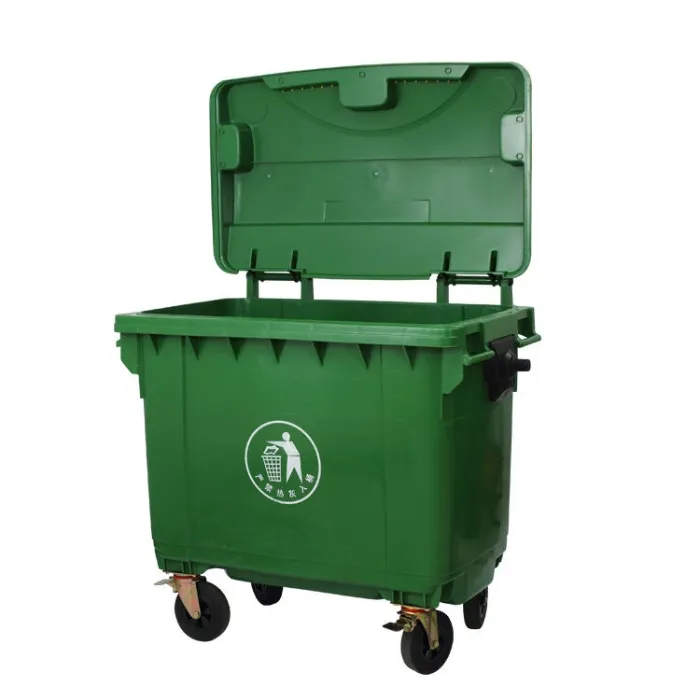
Industrial waste bins are critical safety infrastructure components that protect workers and the environment in manufacturing, construction, and processing facilities. By containing hazardous materials, reducing trip hazards, and supporting regulatory compliance, industrial waste bins play a direct role in preventing injuries and maintaining safe working conditions. Understanding how these systems function and why they matter helps facility managers make informed decisions about workplace safety investments.
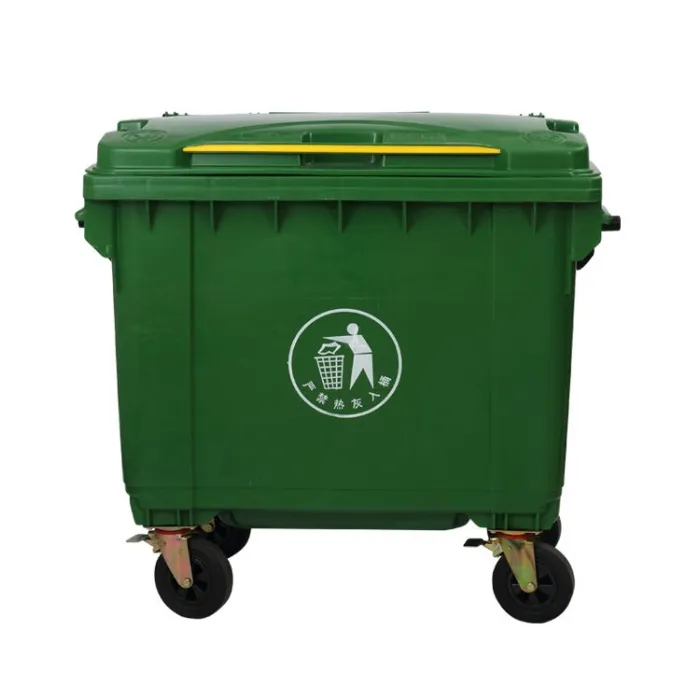
The connection between waste management and safety is often overlooked in industrial settings. When waste is scattered, improperly stored, or left in production areas, it creates environmental hazards, fire risks, and compliance violations. Proper industrial waste bins address these concerns systematically, ensuring that discarded materials don't compromise worker safety or operational integrity.
Containing Hazardous Materials Safely
Preventing Exposure and Chemical Spillage
Industrial operations generate waste streams containing oils, solvents, chemicals, and heavy metals. Industrial waste bins designed for hazardous containment feature sealed compartments, reinforced bases, and compatible liner systems. These design features prevent accidental spills and limit worker exposure to harmful substances. When containment fails, even minor spillage can create slipping hazards, trigger respiratory issues, or contaminate soil and groundwater. Properly constructed industrial waste bins mitigate these risks by isolating dangerous materials until professional disposal services collect them.
Reducing Fire and Combustion Risks
Flammable waste items stored improperly become fire hazards in industrial environments. Metal chips, solvents, and combustible packaging can spontaneously ignite or react when mixed. Industrial waste bins equipped with fire-resistant materials and proper ventilation reduce ignition risk. Segregating flammable materials in designated industrial waste bins also prevents dangerous chemical reactions and limits fire spread if combustion occurs. This containment strategy protects equipment, structures, and personnel from thermal injury.
Reducing Physical Hazards and Workplace Injuries
Eliminating Trip and Puncture Hazards
Scattered debris, protruding metal edges, and loose waste materials create trip, slip, and puncture hazards throughout industrial facilities. When industrial waste bins are strategically placed and regularly maintained, they keep production floors clear and organized. Workers can navigate safely without stepping around obstacles or avoiding sharp materials. Reduced foot traffic congestion also minimizes collision risks between workers and heavy equipment. Organized waste containment using industrial waste bins directly correlates with lower injury rates in industrial environments.
Supporting Ergonomic Waste Disposal
Improperly positioned or inadequate waste receptacles force workers to bend awkwardly, overreach, or strain themselves when discarding materials. Industrial waste bins positioned at optimal heights and with adequate capacity reduce ergonomic strain during waste disposal activities. When workers can deposit waste comfortably and safely, they comply more consistently with waste protocols, resulting in cleaner facilities and fewer musculoskeletal injuries. Durable, accessible industrial waste bins encourage proper disposal behavior across all shifts and departments.
Supporting Compliance and Regulatory Safety Standards
Meeting Occupational Safety Requirements
Occupational Safety and Health Administration (OSHA) standards and similar regulations mandate proper waste storage and segregation in industrial settings. Industrial waste bins that meet regulatory capacity, labeling, and containment requirements help facilities avoid citations and penalties. Compliance-grade industrial waste bins document organizational commitment to safety protocols. Regular audits of waste management systems, supported by appropriate industrial waste bins, demonstrate due diligence and reduce liability exposure during inspections or incident investigations.
Facilitating Environmental and Health Audits
Third-party environmental audits, health and safety certifications, and insurance inspections all examine waste management infrastructure. Well-maintained industrial waste bins with clear labeling and proper material segregation pass audits more successfully. This oversight encourages accountability and identifies potential safety gaps before they cause incidents. Insurance carriers often provide premium incentives for facilities demonstrating strong waste management practices through appropriate industrial waste bins and organized disposal protocols. Documentation of compliant waste systems protects both workers and organizational reputation.
FAQ
What materials should industrial waste bins handle safely?
Industrial waste bins should safely contain metal shavings, solvents, oils, contaminated rags, chemical residue, construction debris, and combustible packaging. The specific materials depend on facility operations, but all industrial waste bins must accommodate the waste streams generated on-site without leaking, corroding, or creating hazards. Incompatible materials should never be mixed in the same bin, requiring separate industrial waste bins for each waste category.
How often should industrial waste bins be emptied for safety?
Emptying frequency depends on facility size, waste volume, and material type. High-volume industrial operations may require daily emptying, while smaller facilities might operate on weekly schedules. Overfilled industrial waste bins create spillage risks, attract pests, and violate safety codes. Establishing emptying routines based on facility waste generation ensures industrial waste bins never become hazardous overflow points.
Can industrial waste bins prevent environmental contamination?
Yes, properly designed industrial waste bins with sealed construction and leak-proof bases prevent hazardous materials from contaminating soil and groundwater. Secondary containment in larger industrial waste bins captures potential spills before they escape storage areas. This environmental protection is legally required under environmental regulations and essential for long-term facility sustainability and community safety.