 EN

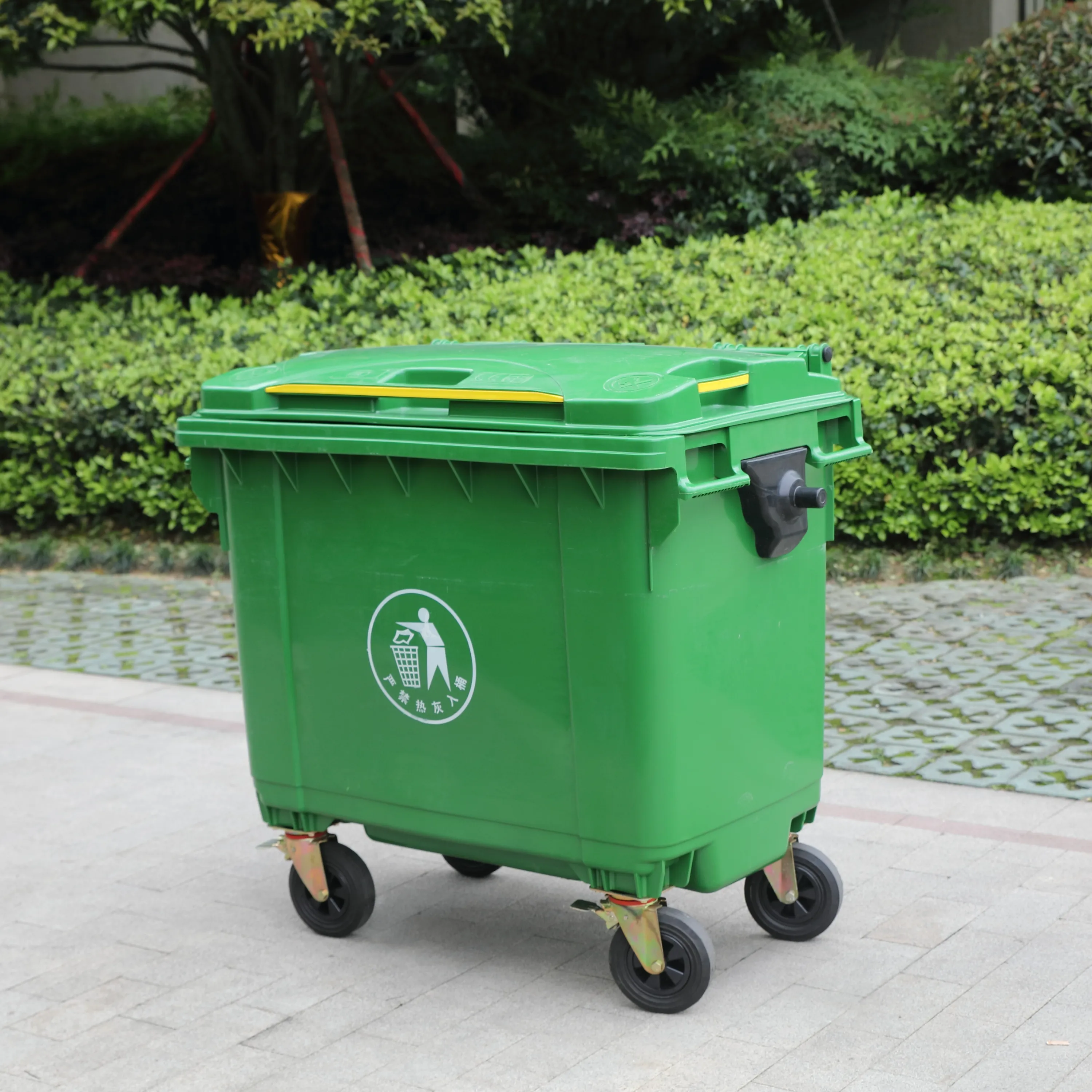
Managing waste efficiently is a critical operational challenge for manufacturing plants, construction sites, and commercial facilities. Industrial waste bins serve as the foundation of effective waste management systems, providing secure containment for both hazardous and solid waste materials. Proper waste segregation and storage prevent environmental contamination, reduce regulatory compliance risks, and protect worker safety on job sites.
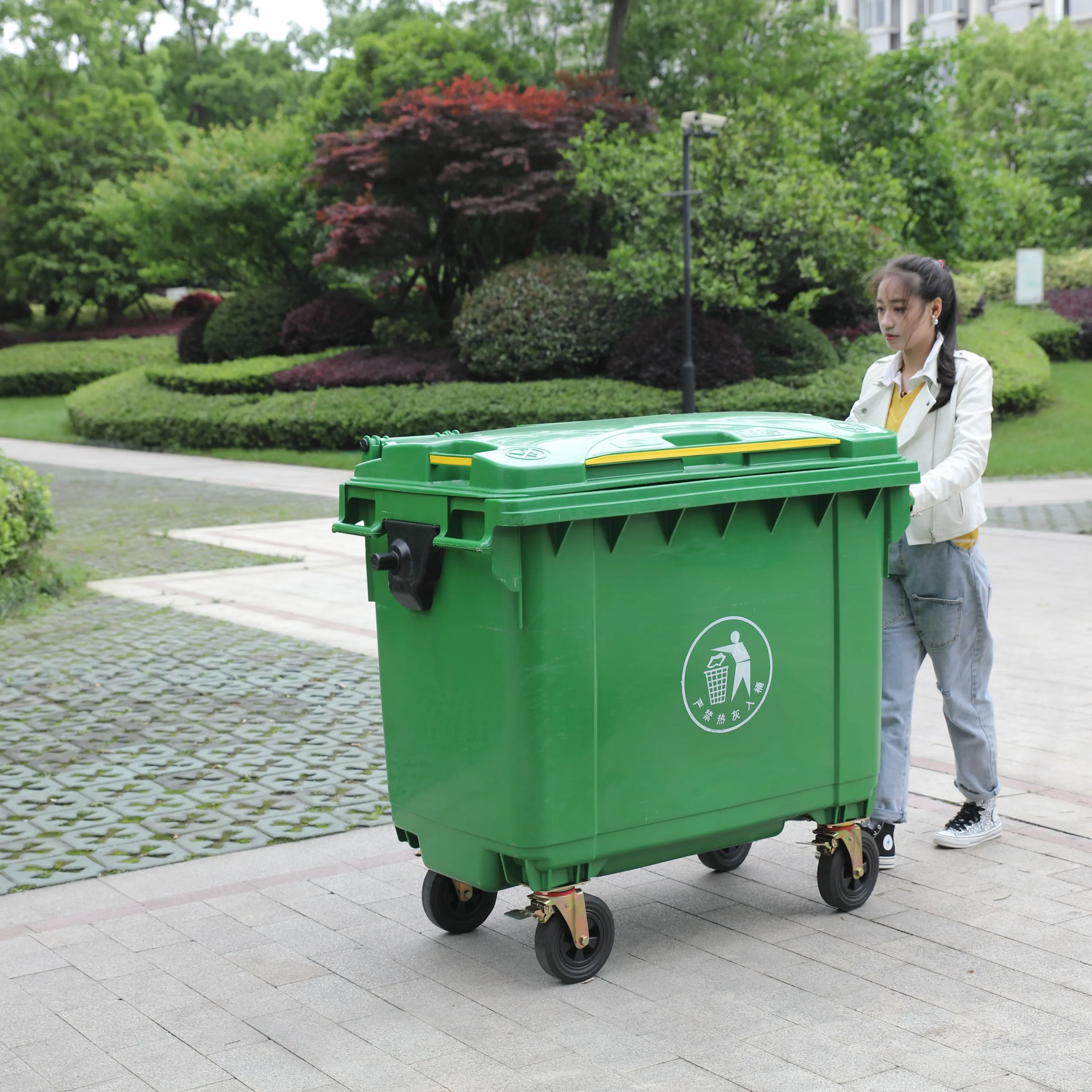
Industrial waste bins come in various designs and capacities to accommodate the specific demands of different industries. Whether handling sharp metal scraps, chemical residue, construction debris, or general solid waste, the right bin configuration ensures safe storage, prevents spills, and simplifies waste transport to disposal facilities. Understanding how these containers function and selecting appropriate solutions directly impacts operational efficiency and environmental responsibility.
Understanding Hazardous Waste Containment Requirements
Why Hazardous Waste Demands Specialized Containers
Hazardous waste including oils, solvents, batteries, and chemical compounds requires containment systems that exceed standard industrial waste bins used for general refuse. Specialized industrial waste bins designed for hazardous materials feature corrosion-resistant interiors, sealed lids, and structural reinforcement to prevent leakage and vapor release. Regulatory agencies mandate that facilities store hazardous waste in containers meeting strict material compatibility and structural integrity standards to eliminate environmental exposure risks.
Material Compatibility and Chemical Resistance
Industrial waste bins constructed from polyethylene, steel, or fiberglass offer different chemical resistance profiles suited to specific waste streams. Polyethylene containers resist many acids and alkalis but may degrade under prolonged solvent exposure, whereas steel drums provide durability for heavier industrial waste but require internal liners for liquid chemical storage. Facilities must match container material composition to their waste stream chemistry to ensure containment integrity throughout the storage period and prevent premature corrosion or structural failure.
Solid Waste Management and Operational Efficiency
Segregating and Sorting Solid Waste Streams
Industrial waste bins enable effective sorting of solid waste at the source, separating recyclable materials from general refuse and contaminated solids. Construction sites benefit from dedicated industrial waste bins for concrete, wood, metals, and drywall, streamlining debris removal and reducing disposal costs. Manufacturing facilities use color-coded industrial waste bins to enforce proper waste segregation, preventing commingling of materials that complicate downstream processing and recycling recovery rates.
Capacity Planning and Waste Volume Management
Selecting industrial waste bins with appropriate volume capacity prevents operational disruptions caused by overflow or frequent emptying cycles. High-volume operations require larger capacity industrial waste bins or multiple units positioned strategically throughout the facility to minimize collection time and labor costs. Proper capacity assessment prevents waste accumulation on production floors, maintains safe working conditions, and ensures consistent waste removal schedules aligned with disposal service pickup windows.
Regulatory Compliance and Environmental Protection
Meeting Legal Standards for Waste Storage
Federal, state, and local regulations dictate specific storage requirements for hazardous and solid waste, including container labeling, secondary containment, temperature control, and maximum storage durations. Industrial waste bins must comply with EPA and DOT guidelines for material compatibility, structural adequacy, and protective measures against leakage or atmospheric release. Facilities using compliant industrial waste bins demonstrate environmental stewardship while avoiding penalties, operational shutdowns, and liability exposure from non-compliance violations.
Worker Safety and Accident Prevention
Properly designed industrial waste bins minimize occupational hazards by preventing accidental contact with sharp objects, toxic chemicals, or biological contaminants. Sealed lid mechanisms, reinforced sidewalls, and ergonomic handles reduce injury risk during waste handling and transport. Industrial waste bins with appropriate guardrails and warning labels communicate hazard information, ensuring workers understand safe handling procedures and proper personal protective equipment requirements when managing different waste categories.
Practical Implementation and Best Practices
Selecting the Right Industrial Waste Bins for Your Facility
Effective waste management begins with honest assessment of waste generation rates, material types, and regulatory requirements specific to your industry. Consult with waste management professionals to determine appropriate industrial waste bins size, material composition, and quantity needed for optimal operational flow. Consider future expansion plans and seasonal waste volume fluctuations when establishing your container infrastructure to ensure adequate capacity year-round.
Maintenance and Long-Term Container Performance
Regular inspection and maintenance of industrial waste bins extends container lifespan and ensures consistent hazard containment performance. Schedule routine cleaning to prevent material buildup, inspect seals and lids for degradation, and repair structural damage before containers become unreliable. Preventive maintenance programs reduce unexpected equipment failures that disrupt waste collection schedules and increase emergency disposal costs when containers become unavailable.
FAQ
What types of waste can industrial waste bins safely contain?
Industrial waste bins designed for hazardous materials safely contain oils, solvents, paints, batteries, and chemical compounds when constructed from compatible materials. Solid waste industrial waste bins accommodate construction debris, scrap metals, plastics, textiles, and general refuse. Always verify container material compatibility with your specific waste stream to ensure proper containment and prevent environmental exposure or regulatory violations.
How do industrial waste bins improve facility safety?
Industrial waste bins provide controlled storage that prevents hazardous materials from spreading across work areas, reducing worker exposure to toxic substances and sharp debris. Proper containment using compliant industrial waste bins minimizes spill incidents, atmospheric contamination, and accidental ingestion or inhalation risks. Sealed containers and clear hazard labeling communicate safety information, enabling workers to handle waste materials using appropriate protective equipment and procedures.
Are there size or capacity standards for industrial waste bins?
Industrial waste bins range from small 5-gallon containers for laboratory chemicals to large 55-gallon drums and bulk dumpsters for construction sites, with capacities selected based on waste generation rates and available storage space. Standards vary by industry and regulation, with hazardous waste typically stored in smaller, more frequently emptied industrial waste bins due to legal maximum storage duration limits. Consult regulatory guidance and waste management providers to determine appropriate industrial waste bins capacity for your specific operational needs.