 EN
EN

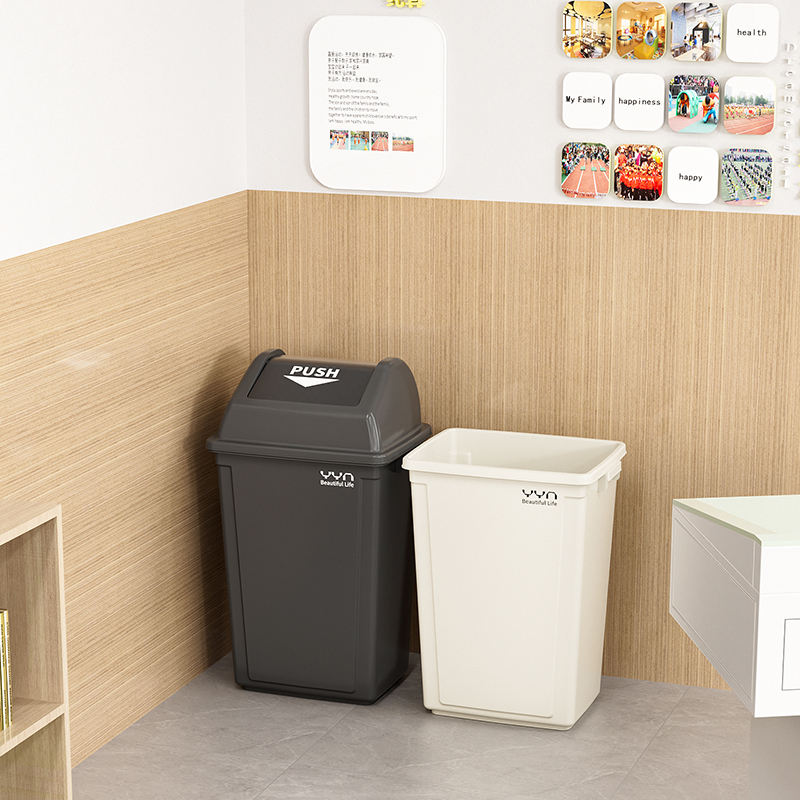
Plastic waste bins have become an essential component of waste management systems across residential, commercial, and industrial environments. Their versatility stems from engineered design features that address the unique challenges of both indoor and outdoor settings. Understanding what makes plastic waste bins suitable for diverse applications helps facility managers, businesses, and property owners make informed decisions about their waste management infrastructure. The dual-environment capability of plastic waste bins reflects modern engineering that balances durability, hygiene, cost-efficiency, and environmental responsibility.
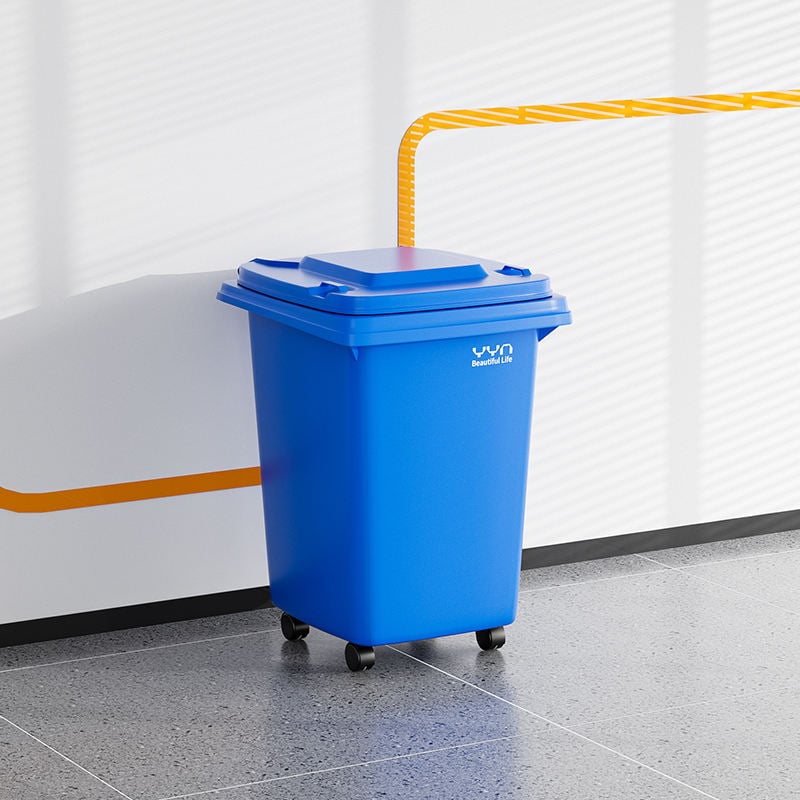
The suitability of plastic waste bins for both indoor and outdoor use lies in their material composition, structural design, and adaptability to varying climatic and operational conditions. Unlike traditional metal or concrete containers, plastic waste bins offer advantages that directly address the practical demands of different environments. Whether deployed in office buildings, manufacturing facilities, retail spaces, or outdoor collection points, plastic waste bins maintain performance standards while minimizing maintenance requirements and operational costs.
Material Resilience and Environmental Adaptation
Weather Resistance in Outdoor Applications
Plastic waste bins excel in outdoor environments because modern manufacturing uses high-density polyethylene or polypropylene compounds engineered to withstand extreme weather conditions. These materials resist UV degradation, moisture absorption, and temperature fluctuations that would compromise metal containers or degrade wooden alternatives. Plastic waste bins maintain structural integrity through prolonged sun exposure, heavy rainfall, and freeze-thaw cycles common in temperate and cold climates. The inherent water resistance of plastic waste bins prevents rust, corrosion, and deterioration that affects traditional waste container materials.
Color stability in plastic waste bins matters for outdoor installations where fading reduces visibility and aesthetic appeal. Premium plastic waste bins incorporate UV-protective additives that preserve color saturation and visual distinction for years of continuous outdoor exposure. This durability translates to longer service life and reduced replacement frequency, making plastic waste bins economically advantageous for outdoor deployment at parking areas, loading docks, public spaces, and rural facilities.
Indoor Environmental Compatibility
Inside buildings, plastic waste bins perform reliably because they do not interact negatively with climate-controlled environments or indoor air quality. Unlike metal containers that may sweat and create rust stains on floors, plastic waste bins remain dry and stable regardless of indoor humidity levels or temperature variations. Plastic waste bins can be placed safely near electrical equipment, HVAC systems, and sensitive materials without corrosion or chemical interaction concerns. The non-reactive nature of plastic waste bins makes them suitable for healthcare facilities, laboratories, food preparation areas, and other hygiene-sensitive indoor spaces.
Indoor deployment of plastic waste bins benefits from their lightweight construction, which facilitates easy repositioning and cleaning protocols. Facility maintenance staff can move plastic waste bins without heavy equipment, reducing labor time and physical strain. This mobility supports efficient indoor waste collection routes, facility reconfiguration, and emergency response protocols where waste containers must be relocated quickly.
Design Features Supporting Dual-Environment Use
Structural Engineering for Load Capacity
Modern plastic waste bins incorporate reinforced base structures and sidewall ribbing that enable them to support significant load weights in both indoor and outdoor settings. The engineering of plastic waste bins accounts for overfilled conditions, mechanical handling stress, and dynamic pressure from compactor equipment. Multi-chamber designs in some plastic waste bins allow separate collection streams while maintaining structural stability regardless of environment. The load-bearing capacity of plastic waste bins ensures they perform reliably whether positioned in climate-controlled offices or high-traffic outdoor collection zones.
The base design of plastic waste bins incorporates drainage apertures that prevent water accumulation in outdoor installations while remaining functional in indoor settings where floors are regularly cleaned. These design considerations demonstrate how plastic waste bins achieve operational excellence across both environments without requiring different models or installation procedures.
Access Mechanisms and Hygiene Integration
Plastic waste bins featuring pedal-operated or sensor-activated lids provide contamination control suitable for both indoor and outdoor hygiene protocols. Hands-free lid actuation minimizes contact between users and waste materials, reducing pathogen transmission in healthcare, food service, and sanitation-critical indoor environments. The same mechanism functions effectively outdoors where weather exposure and irregular user behavior demand robust, non-mechanical reliability. Plastic waste bins with integrated handles enable safe manual handling during transport and disposal operations across any environment.
Removable liners and interior compartments in plastic waste bins simplify collection and cleaning procedures whether deployed indoors or outdoors. The flat-panel construction of many plastic waste bins facilitates thorough washing and disinfection, supporting compliance with stringent indoor facility standards while also enabling efficient outdoor maintenance protocols.
Economic and Sustainability Advantages Across Environments
Cost-Effectiveness and Total Lifecycle Value
Plastic waste bins deliver superior total cost of ownership compared to alternative materials when evaluated across full lifecycle deployment in diverse environments. The manufacturing efficiency of plastic waste bins allows economies of scale that reduce per-unit costs while maintaining consistent quality standards for both indoor and outdoor applications. Maintenance expenses for plastic waste bins remain substantially lower than metal containers requiring rust treatment or wooden containers needing periodic replacement. The durability of plastic waste bins means fewer replacement cycles over extended operational periods, reducing capital expenditure for facility managers balancing indoor and outdoor waste management infrastructure.
Long-term cost analysis demonstrates that investing in quality plastic waste bins eliminates hidden expenses associated with material degradation, surface staining, odor control complications, and emergency replacements. Facilities utilizing plastic waste bins across multiple locations report simplified procurement, standardized training, and efficient spare parts management regardless of whether containers operate indoors or outdoors.
Environmental Responsibility and Recycling Integration
Many modern plastic waste bins are manufactured from recycled plastic materials, supporting circular economy principles while providing effective waste containment across both environments. This manufacturing approach allows plastic waste bins to collect recyclable materials while themselves representing responsible resource utilization. The longevity of plastic waste bins reduces landfill contributions compared to shorter-lived alternatives, aligning with sustainability goals increasingly important to commercial institutions and municipalities. Plastic waste bins designed for end-of-life recycling can be recovered, reprocessed, and remanufactured into new containers or other products, extending material value throughout successive use cycles.
Organizations deploying plastic waste bins demonstrate environmental stewardship by selecting waste management solutions that minimize resource extraction, reduce manufacturing carbon footprint, and support established recycling infrastructure. This sustainability alignment applies consistently whether plastic waste bins operate in energy-efficient indoor facilities or outdoor collection stations serving community waste management objectives.
FAQ
Why are plastic waste bins better than metal containers for outdoor installations?
Plastic waste bins outperform metal containers outdoors because they resist corrosion, rust, and weathering while requiring minimal maintenance. Metal containers deteriorate rapidly in humid, rainy, or coastal environments, whereas plastic waste bins maintain structural integrity and appearance through extended outdoor exposure. Additionally, plastic waste bins are lighter, easier to handle, and do not create rust stains on surrounding surfaces or collected materials.
Can plastic waste bins maintain sanitary conditions in food preparation areas?
Yes, plastic waste bins are well-suited for food service environments because they resist moisture absorption, do not harbor bacteria in surface crevices like porous materials, and can be easily cleaned and disinfected. Pedal-operated plastic waste bins eliminate contact contamination, and their non-porous surfaces prevent cross-contamination risks. Facilities can select plastic waste bins with antimicrobial additives for enhanced hygiene protection in indoor food preparation and healthcare settings.
How long do plastic waste bins typically last in both indoor and outdoor applications?
High-quality plastic waste bins typically last 7–10 years or longer in both indoor and outdoor environments when properly maintained. Outdoor plastic waste bins may experience slightly accelerated aging due to UV exposure, but premium formulations with UV stabilizers significantly extend service life. The actual lifespan of plastic waste bins depends on usage intensity, climate conditions, and maintenance protocols, but they generally outlast traditional alternatives while requiring fewer replacement cycles over equivalent timeframes.