 EN
EN

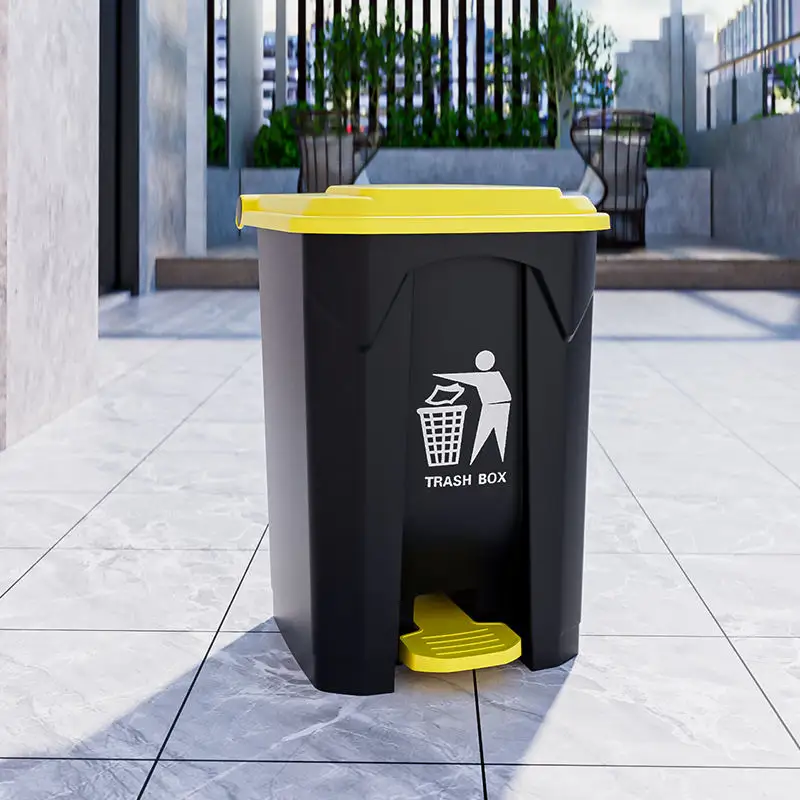
Waste collection remains one of the most critical operational challenges for municipalities, commercial facilities, and industrial organizations worldwide. Efficient waste management directly impacts public health, environmental sustainability, and operational budgets. The adoption of plastic waste bins has fundamentally transformed how organizations approach waste collection, offering significant improvements in speed, safety, and cost-effectiveness. Understanding how plastic waste bins improve waste collection efficiency reveals why they have become the standard choice for modern waste management infrastructure across diverse sectors and geographic regions.
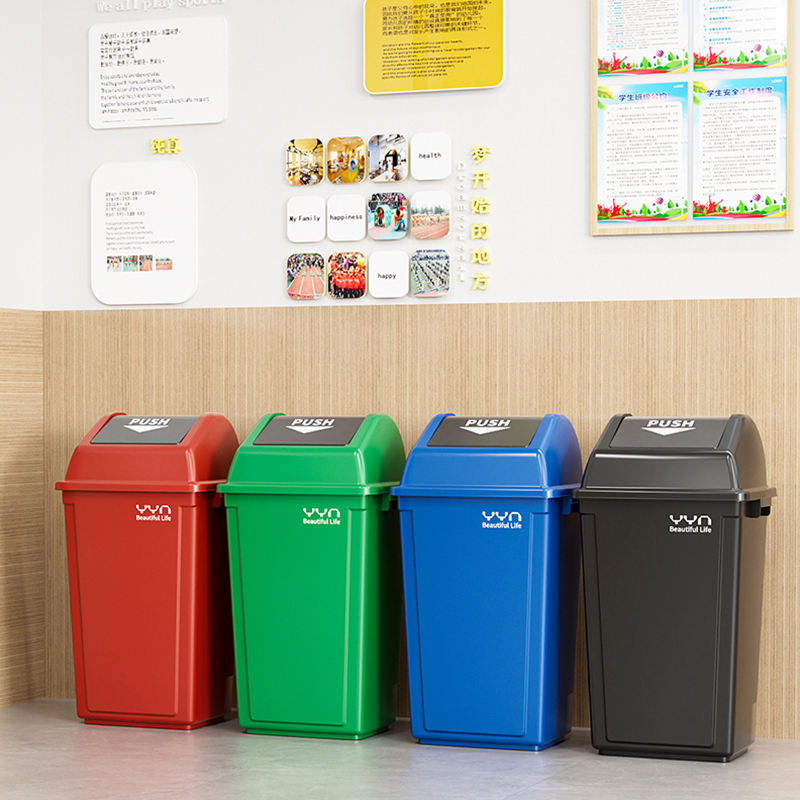
Modern plastic waste bins represent a significant advancement over traditional metal containers and wooden collection systems. These engineered solutions integrate durability, ease of handling, and operator ergonomics into a single waste collection asset. Facilities that transition to high-quality plastic waste bins typically report measurable improvements in collection time, worker safety, and waste segregation accuracy. The efficiency gains stem from deliberate design features and material properties that address real operational challenges faced by collection teams every single day.
Operational Efficiency and Collection Time Reduction
Lightweight Design and Faster Manual Handling
Plastic waste bins weigh significantly less than metal equivalents, directly reducing the physical demand on collection workers. A typical plastic waste bin can be lifted, moved, and emptied with considerably less effort than its metal counterpart, allowing collection teams to complete routes faster. This weight advantage means collectors can cover more territory during standard shifts, effectively increasing collection capacity without expanding staffing levels. Lightweight plastic waste bins also reduce equipment wear on collection vehicles, as the cumulative impact of thousands of lift-and-empty cycles causes less mechanical strain.
Optimized Container Design Features
Modern plastic waste bins incorporate design elements specifically engineered for collection efficiency. Push-lid and swing-lid mechanisms enable single-handed operation, allowing workers to maintain grip on the container while opening it. Reinforced handles and ergonomic grips reduce hand fatigue during extended collection periods, supporting worker comfort and safety. The uniform stackability of plastic waste bins allows collection vehicles to transport more containers per trip, reducing fuel consumption and route time. These design features combine to create tangible efficiency gains that accumulate across thousands of daily collection operations.
Cost Reduction and Resource Optimization
Extended Lifespan and Maintenance Savings
Plastic waste bins demonstrate exceptional durability under intensive industrial use, with many high-quality models maintaining functionality for fifteen to twenty years or longer. Unlike metal containers that rust, corrode, and deteriorate rapidly in outdoor environments, plastic waste bins resist environmental degradation and require minimal maintenance. The absence of rust repair, repainting, and component replacement translates directly into lower total cost of ownership over the container lifecycle. Organizations that manage large waste collection fleets report significant budget reductions after transitioning their inventory to plastic waste bins, as replacement rates drop substantially.
Labor Productivity and Injury Prevention
The ergonomic advantages of plastic waste bins translate into measurable reductions in work-related injuries and worker compensation claims. Back injuries, repetitive strain injuries, and acute muscle injuries decline noticeably when collection teams use lighter, easier-to-handle containers. Reduced injury rates lower insurance premiums, decrease absenteeism, and improve team morale. These human-centered benefits represent often-overlooked cost savings that significantly impact overall waste collection program economics. Facilities with strong safety cultures have found that upgrading to plastic waste bins improves their safety metrics while simultaneously boosting collection efficiency.
Environmental and Operational Advantages
Waste Segregation and Source Separation Support
Plastic waste bins offer superior customization options for waste stream segregation compared to traditional containers. Organizations can deploy plastic waste bins in different colors, sizes, and configurations to support recycling initiatives, hazardous waste separation, and source-level sorting. Clear labeling and color-coding systems work more effectively on plastic surfaces, improving worker compliance with waste segregation protocols. Enhanced source separation driven by plastic waste bins increases recycling yields and reduces contamination in waste streams, generating environmental and economic benefits throughout the waste management value chain.
Weather Resistance and Odor Control
Plastic waste bins maintain structural integrity across extreme weather conditions, from intense UV exposure to freeze-thaw cycles that would damage metal containers. The material's inherent weather resistance eliminates degradation patterns that compromise collection efficiency over time. Modern plastic waste bins often feature sealed lids and ventilation designs that minimize odor generation while allowing operational gas escape. These features reduce neighborhood complaints, improve collection team working conditions, and support public health objectives in residential and commercial collection areas. The combination of durability and environmental protection ensures that plastic waste bins maintain consistent operational performance throughout their entire service life.
Technology Integration and Future Efficiency Gains
Smart Container Compatibility and Real-Time Monitoring
Contemporary plastic waste bins can be integrated with sensor technologies and IoT devices that provide real-time capacity monitoring and fill-level alerts. These intelligent plastic waste bins enable dynamic route optimization, reducing unnecessary collection trips and consolidating collection schedules based on actual container fill rates. Data generated from sensor-equipped plastic waste bins informs predictive maintenance planning and helps organizations allocate collection resources more effectively. The adaptability of plastic containers to emerging smart waste technologies positions organizations for future efficiency improvements as waste management systems become increasingly data-driven.
Scalability and Fleet Standardization
Plastic waste bins offer exceptional scalability advantages for organizations managing multiple collection zones or expanding service areas. Standardized plastic waste bin specifications enable seamless fleet expansion without introducing inconsistent handling procedures or training complications. Organizations can deploy plastic waste bins across diverse operational contexts while maintaining unified collection protocols and equipment compatibility. This standardization reduces operational complexity, improves training effectiveness, and creates economies of scale in maintenance and replacement purchasing. The uniformity inherent to plastic waste bins supports organizational growth while preserving collection efficiency gains across expanding service territories.
FAQ
What makes plastic waste bins more efficient than traditional metal containers?
Plastic waste bins are significantly lighter, eliminating the physical strain associated with metal containers, while featuring ergonomic designs with push-lids and reinforced handles that enable faster handling. The durability of plastic waste bins reduces maintenance requirements and extends operational lifespan, lowering total cost of ownership. Plastic waste bins also resist rust and environmental degradation, maintaining consistent functionality regardless of weather conditions or operational intensity.
How do plastic waste bins reduce labor costs in waste collection operations?
Plastic waste bins improve collection speed through lightweight construction and optimized handling features, allowing teams to complete routes faster without expanding staffing levels. The ergonomic advantages reduce work-related injuries, which lowers insurance costs and decreases worker absenteeism. Extended lifespan and minimal maintenance requirements for plastic waste bins eliminate expensive repairs and replacement cycles that drain budgets in traditional container programs.
Can plastic waste bins support waste segregation and recycling initiatives?
Yes, plastic waste bins offer superior customization options for color-coding, labeling, and size variation that enable effective waste stream segregation at the source. The flexibility of plastic waste bins accommodates diverse recycling protocols and hazardous waste separation requirements across different operational contexts. Enhanced segregation driven by plastic waste bins increases recycling yields and reduces contamination, generating environmental and economic benefits throughout waste management programs.