 EN

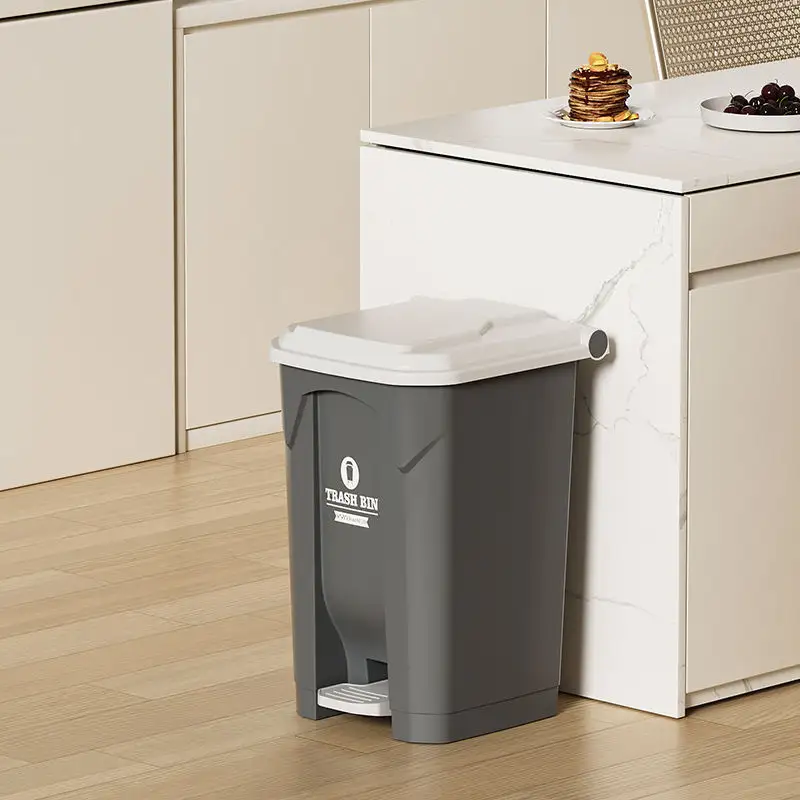
Selecting the right waste management solution is critical for any commercial operation. bulk trash bins have become the standard choice for businesses across industries because they directly address the unique demands of high-volume waste streams. Unlike residential trash containers, commercial facilities generate significant quantities of waste daily, requiring containers engineered for durability, capacity, and operational efficiency.
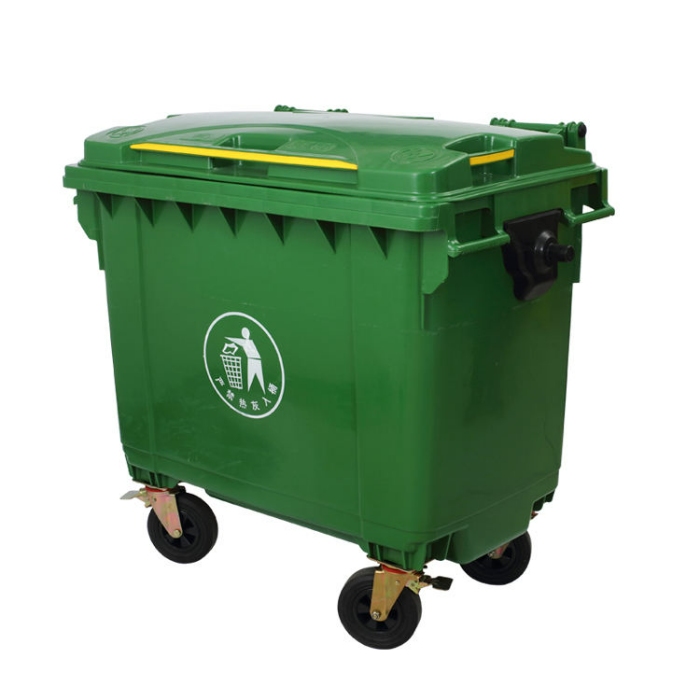
Commercial waste management involves complexities that standard containers cannot handle. Bulk trash bins are specifically designed to withstand the rigors of frequent collection cycles, heavy loading equipment, and exposure to varied environmental conditions. The materials, construction methods, and engineering features built into these containers make them fundamentally different from ordinary residential options, directly supporting the operational needs of commercial enterprises.
Structural Design and Heavy-Duty Construction
Materials Built for Commercial Demand
Heavy-duty bulk trash bins are typically constructed from reinforced polyethylene or steel, materials chosen explicitly for their ability to endure repeated stress. Commercial waste management requires containers that resist cracking, breaking, and deformation under constant use. The walls of quality bulk trash bins are thicker than residential alternatives, providing structural integrity even when loaded with dense waste materials like construction debris, metal scraps, or compacted cardboard.
The base and corners of commercial bulk trash bins receive additional reinforcement because these areas experience the most mechanical stress during handling. When collection vehicles lift these containers using automated arms, forces concentrate at specific attachment points. Engineers design bulk trash bins with ribbed interior walls and reinforced frames to distribute this stress evenly, preventing failure points that would lead to costly downtime and replacement.
Design Features for Operational Durability
Commercial bulk trash bins incorporate design elements that extend their functional lifespan significantly. Lids are engineered to seal consistently despite frequent opening and closing cycles, which reduces odor escape and pest infiltration—critical concerns in commercial settings. The hinges on quality bulk trash bins use stainless steel or specially treated metal to resist corrosion from moisture and chemical exposure common in industrial environments.
Drain holes positioned strategically in commercial bulk trash bins allow accumulated liquid to escape without compromising structural integrity. This feature prevents water pooling, which can breed bacteria and accelerate degradation. The design of these drainage systems reflects the reality that commercial facilities often dispose of wet waste alongside dry materials, a scenario requiring containers engineered beyond basic residential standards.
Capacity and Operational Efficiency
Volume Standards for Commercial Operations
Bulk trash bins come in standardized sizes ranging from 2 to 8 cubic yards, with many commercial operations selecting 4 or 6-yard containers as their standard choice. This capacity range directly matches the waste generation patterns of typical businesses—retail establishments, offices, restaurants, warehouses, and manufacturing facilities. The volume capacity of these bins determines collection frequency and overall waste management costs, making proper selection essential for budget management.
The specific capacity you select for bulk trash bins depends on daily waste volume, collection schedule flexibility, and available space at your facility. A retail location generating steady moderate waste might use one 4-yard container collected twice weekly, while a restaurant producing high-volume organic waste might require two 6-yard bulk trash bins with more frequent pickups. Commercial waste management professionals assess these factors to recommend appropriately sized containers that prevent overflow while avoiding unnecessary collection expense.
Weight Distribution and Load Management
Commercial bulk trash bins handle significantly heavier loads than residential containers because businesses accumulate denser materials. A single load of metal scrap, construction waste, or compacted cardboard can reach weights that would damage standard containers. The engineering of quality bulk trash bins accounts for maximum practical load weights, with structural components sized to maintain integrity even at capacity with heavy materials.
The wheels and undercarriage of bulk trash bins used in commercial waste management are similarly robust. Steel wheels with industrial-grade bearings allow smooth movement even when fully loaded, reducing the physical strain on staff or collection equipment. This engineering prevents the operational delays that occur when containers become stuck, damaged wheels, or misaligned—problems that directly impact commercial productivity and waste management schedules.
Environmental and Safety Compliance
Regulatory Standards and Commercial Requirements
Bulk trash bins used for commercial waste management must meet or exceed standards established by environmental and occupational safety regulations. These containers prevent environmental contamination by containing liquids and preventing waste dispersal during collection and transport. Commercial bulk trash bins are often manufactured to exceed basic compliance standards, recognizing that businesses face liability if waste management practices cause environmental harm or violate local regulations.
The design of commercial bulk trash bins includes features that support compliance with waste segregation requirements common in many jurisdictions. Businesses can deploy different colored bulk trash bins for recyclable materials, hazardous waste, and general refuse, making it easier for staff to follow proper disposal protocols. This categorization, supported by properly designed bulk trash bins, reduces the risk of contamination and regulatory violations that could result in fines or operational restrictions.
Safety and Workplace Protection
Properly engineered bulk trash bins protect workers and the general public by containing waste securely and preventing accidents. Lids that close properly reduce tripping hazards and prevent waste from spilling onto facility grounds or adjacent areas. Sharp or hazardous materials contained within bulk trash bins pose less risk when containers are designed to prevent accidental contact or overflow during handling and collection cycles.
The height and access design of commercial bulk trash bins also consider ergonomic factors affecting worker safety. Containers positioned at appropriate heights reduce strain on staff loading waste, decreasing injury risk associated with commercial waste management activities. The handles and access points on bulk trash bins are strategically designed to provide secure gripping surfaces, even when materials are wet or when collection occurs during challenging weather conditions.
FAQ
Why should commercial facilities choose bulk trash bins instead of smaller containers?
Bulk trash bins offer commercial waste management economies of scale by reducing collection frequency while handling higher volumes. Fewer collection cycles lower transportation costs and reduce operational disruption to your facility. The durability built into bulk trash bins means they withstand commercial demands better than standard containers, reducing replacement costs and downtime over their operational lifespan.
How do I determine the right size bulk trash bins for my commercial business?
Calculate your daily waste volume and consider your collection schedule flexibility to select appropriate bulk trash bins. A waste management professional can assess your facility's specific needs, accounting for peak periods and seasonal variations. Most commercial operations find that 4 or 6-yard bulk trash bins align well with their budget and operational constraints, though businesses with very high waste volumes may require larger containers or multiple units.
Are bulk trash bins suitable for all types of commercial waste?
Standard bulk trash bins handle general commercial waste effectively, though hazardous materials require specialized containers meeting specific regulatory requirements. Businesses generating medical waste, chemical residues, or other regulated materials should consult waste management professionals about container specifications. Most commercial facilities successfully use bulk trash bins for general refuse, organic waste, and construction debris while maintaining separate systems for materials requiring special handling.