 EN
EN

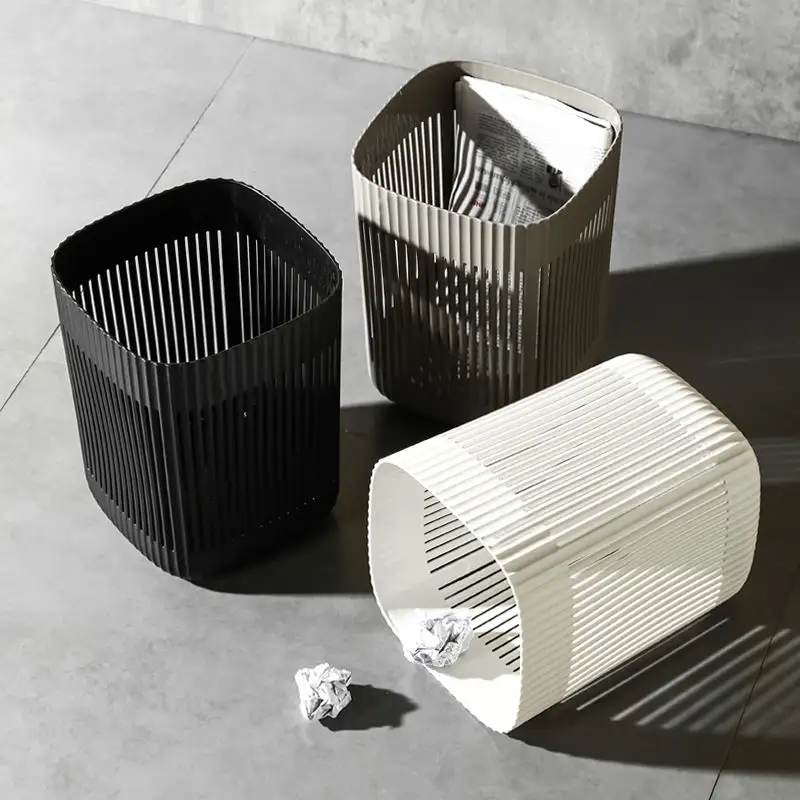
Selecting the right outdoor trash bins requires understanding the specific environmental challenges your location faces. Whether you manage a residential property, commercial facility, or public space, outdoor trash bins must withstand rain, UV exposure, temperature fluctuations, and constant use. The wrong choice leads to rust, cracks, fading, and premature replacement costs. This guide walks you through the essential factors to evaluate when choosing outdoor trash bins that deliver reliability and longevity.
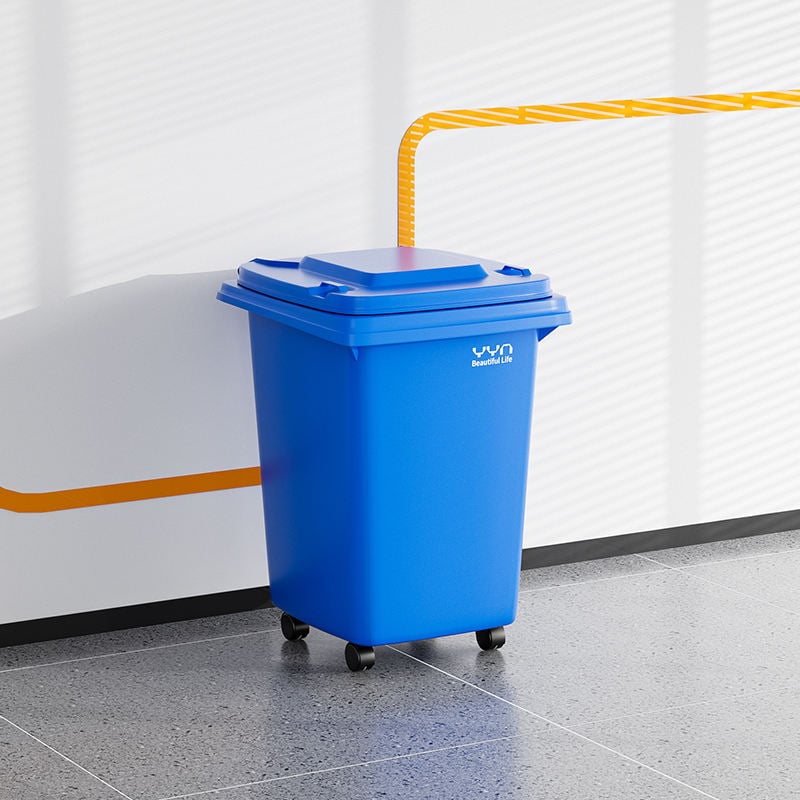
Outdoor trash bins are a critical component of waste management infrastructure, affecting both aesthetics and functionality across residential neighborhoods, office campuses, parks, and hospitality venues. The durability of outdoor trash bins directly impacts maintenance budgets and environmental protection. Choosing quality outdoor trash bins means investing in containers that resist weather damage, maintain structural integrity, and perform consistently year-round, regardless of climate or seasonal stress.
Material Selection for Weather-Resistant Outdoor Trash Bins
Plastic Versus Metal Outdoor Trash Bins
Material choice is the foundation of outdoor trash bins performance. High-density polyethylene and polypropylene outdoor trash bins offer superior weather resistance compared to steel alternatives. These plastic outdoor trash bins resist rust, UV degradation, and moisture penetration, making them ideal for regions with high humidity, coastal salt spray, or intense sunlight. Metal outdoor trash bins, while sturdy, require protective coatings and regular maintenance to prevent corrosion, especially in challenging environmental conditions. For most outdoor applications, plastic outdoor trash bins deliver better long-term value and lower maintenance overhead.
Advanced Composite Materials in Outdoor Trash Bins
Modern outdoor trash bins increasingly employ advanced composite materials that combine durability with aesthetic appeal. Reinforced plastic outdoor trash bins with UV stabilizers maintain color and structural integrity under prolonged sun exposure, a critical feature for outdoor trash bins positioned in open landscapes. Composite outdoor trash bins often feature thicker walls and internal ribbing that enhances impact resistance without adding significant weight. These engineered outdoor trash bins resist cracking from temperature swings and physical impacts, extending the service life well beyond basic plastic outdoor trash bins options.
Capacity and Design Features for Functional Outdoor Trash Bins
Right-Sizing Outdoor Trash Bins for Your Space
Capacity requirements vary significantly across different outdoor trash bins applications. Residential outdoor trash bins typically range from 32 to 65 gallons, while commercial outdoor trash bins often reach 128 to 360 gallons to accommodate higher volume waste streams. Oversizing outdoor trash bins creates spillover risks and inefficiency, while undersized outdoor trash bins lead to frequent overflow and visual clutter. Analyze your average waste generation, collection frequency, and peak-use periods to determine optimal outdoor trash bins capacity. Many facilities benefit from multiple smaller outdoor trash bins distributed strategically rather than single large outdoor trash bins in one location.
Accessibility and Operational Features in Outdoor Trash Bins
Pedal-operated outdoor trash bins improve hygiene by minimizing direct contact with the container, reducing cross-contamination and disease transmission. Swing-top and flip-top designs on outdoor trash bins simplify waste disposal while protecting contents from rain and wildlife intrusion. Outdoor trash bins with secure lids and locking mechanisms prevent unauthorized dumping and contain odors, particularly important for outdoor trash bins near residential areas or food service locations. Drainage holes integrated into outdoor trash bins prevent water accumulation, which extends material lifespan and eliminates breeding grounds for insects and bacteria.
Environmental Performance and Installation Considerations for Outdoor Trash Bins
UV Protection and Color Stability in Outdoor Trash Bins
UV exposure degrades unprotected outdoor trash bins over time, causing discoloration, brittleness, and eventual structural failure. High-quality outdoor trash bins incorporate UV-stabilized resins that absorb and reflect harmful solar radiation, maintaining structural integrity and appearance for 10 to 15 years or longer. Darker colored outdoor trash bins typically hide dirt and discoloration better than light options, though lighter outdoor trash bins reflect heat and remain cooler in sunny environments. Consider the aesthetic role outdoor trash bins play in your property's visual identity when selecting color, while prioritizing UV-resistant formulations regardless of shade preference.
Installation Site Assessment for Outdoor Trash Bins
Proper placement significantly influences the performance and longevity of outdoor trash bins. Outdoor trash bins positioned on compacted, level ground resist tipping and shifting caused by wind, uneven ground settling, or collection truck impacts. Ground conditions, drainage patterns, and proximity to building structures all affect how outdoor trash bins age and function. Outdoor trash bins should be situated away from high-wind corridors where possible, though well-anchored outdoor trash bins can accommodate moderately exposed locations. Ensure outdoor trash bins receive adequate spacing for garbage truck access and maintenance, while considering sun exposure duration if UV-stabilization is a concern with your chosen outdoor trash bins model.
FAQ
What materials offer the best weather resistance for outdoor trash bins?
UV-stabilized high-density polyethylene and reinforced polypropylene provide superior weather resistance in outdoor trash bins compared to untreated metals. These materials resist rust, moisture penetration, and UV degradation, making them ideal for outdoor trash bins that face constant environmental stress. Composite outdoor trash bins with thickened walls and internal reinforcement offer additional durability and impact resistance, ensuring reliable performance across diverse climates and seasonal fluctuations.
How do I determine the correct capacity for outdoor trash bins?
Calculate your outdoor trash bins capacity by analyzing daily waste volume, collection frequency, and peak-use periods specific to your location. Residential outdoor trash bins typically require 32 to 65 gallons, while commercial outdoor trash bins need 128 to 360 gallons depending on occupancy and waste patterns. Distributing multiple smaller outdoor trash bins strategically throughout a property often proves more effective than relying on single oversized outdoor trash bins units.
Do outdoor trash bins need special installation or maintenance?
Proper installation of outdoor trash bins on compacted, level ground prevents tipping and premature wear. Outdoor trash bins should be positioned away from high-wind exposure when possible and spaced adequately for collection vehicle access. Routine maintenance involves inspecting outdoor trash bins for cracks, cleaning drainage holes, and checking lids and hinges for proper function, though quality outdoor trash bins require minimal ongoing care compared to metal alternatives.