 EN
EN

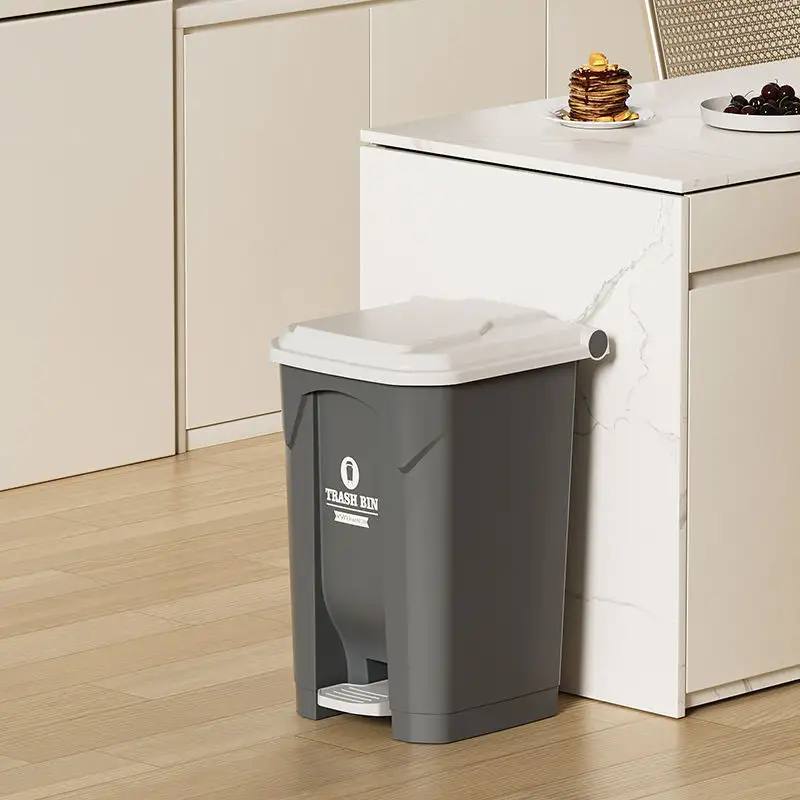
Shopping centers and retail facilities face persistent challenges in managing waste effectively while maintaining a clean, inviting environment for customers and staff. The selection of appropriate waste management solutions directly impacts operational efficiency, customer satisfaction, and overall facility aesthetics. Outdoor trash bins represent a critical infrastructure component that serves multiple functions across shopping centers, from customer convenience to operational waste collection. Understanding whether outdoor trash bins are truly suitable for shopping centers requires examining facility-specific demands, design considerations, and practical implementation factors.
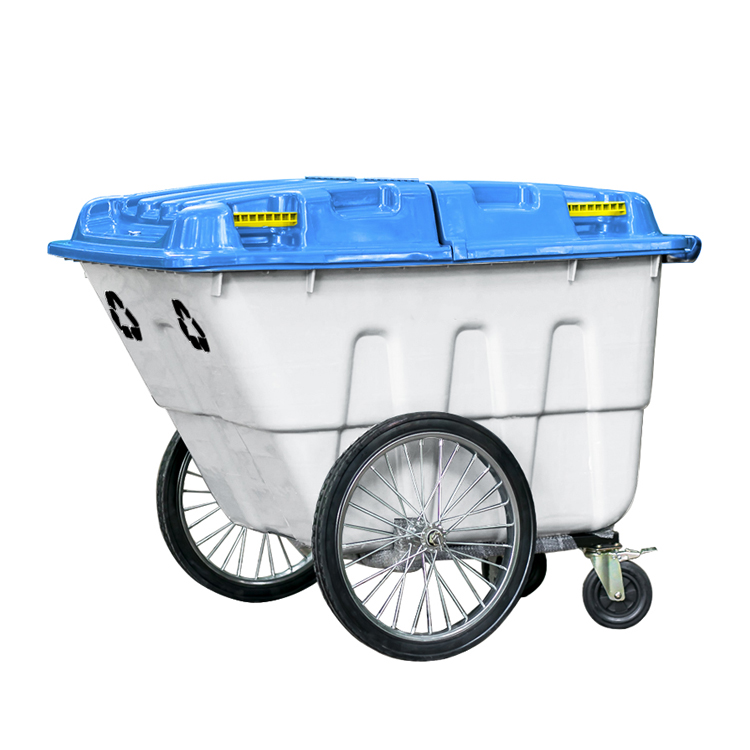
The answer is unequivocally yes. Outdoor trash bins are not only suitable for shopping centers and facilities, but they are essential to modern retail operations. When selected correctly and maintained properly, outdoor trash bins provide cost-effective waste management, improve facility cleanliness, enhance customer experience, and streamline operational logistics. The key to success lies in understanding specific facility needs, implementing strategic placement, choosing appropriate bin types, and establishing consistent maintenance protocols.
Why Outdoor Trash Bins Matter for Shopping Centers
Operational Efficiency and Waste Management
Shopping centers generate substantial waste volumes daily from multiple sources including customer purchases, retail operations, food service, and general facility maintenance. Outdoor trash bins enable efficient waste collection and containment, reducing indoor clutter and streamlining disposal workflows. By placing outdoor trash bins strategically throughout the facility, shopping centers minimize the frequency of staff trips to centralized disposal areas, thereby reducing labor costs and allowing employees to focus on customer service and facility upkeep. The placement of outdoor trash bins directly correlates with operational efficiency, as easily accessible bins encourage proper waste disposal practices among both customers and staff members.
Customer Experience and Facility Aesthetics
The availability of outdoor trash bins significantly influences customer perception and shopping experience. Customers appreciate convenient waste disposal options when carrying multiple bags, food items, or beverage containers through a shopping center. Well-maintained outdoor trash bins positioned in logical locations demonstrate facility management attention to cleanliness and customer comfort. Conversely, inadequate waste receptacles lead to litter, overflowing bins, and customer frustration. Modern outdoor trash bins designed with sleek profiles, professional finishes, and integrated features blend seamlessly into facility aesthetics while serving essential waste management functions. This combination of form and function makes outdoor trash bins indispensable for creating positive shopping environments.
Key Suitability Factors for Shopping Center Implementation
Volume Capacity and Collection Frequency
The primary consideration when evaluating outdoor trash bins for shopping centers is matching bin capacity to actual waste generation. Large shopping centers with multiple retailers, food courts, and high customer traffic require bins with substantial volume capacity to prevent frequent overflows and unsightly accumulation. Outdoor trash bins typically range from 240 liters to 1100 liters, allowing facilities to select models matching their specific needs. Collection schedules must align with volume capacity, ensuring bins are emptied before reaching saturation points. Undersized outdoor trash bins create maintenance burdens and negative customer impressions, while oversized bins may consume valuable space. Conducting waste audits helps shopping centers determine optimal outdoor trash bin volumes and collection frequency, balancing operational costs against cleanliness standards.
Climate Resilience and Material Durability
Outdoor trash bins must withstand diverse weather conditions, from intense sun exposure and heavy rainfall to temperature fluctuations and wind. Shopping centers located in coastal regions face additional corrosion challenges from salt spray. High-quality outdoor trash bins constructed from durable polyethylene or metal alloys resist UV degradation, rust formation, and structural deterioration over extended periods. Weather-resistant outdoor trash bins maintain functionality and appearance despite environmental stress, protecting waste contents and preventing odor problems. The investment in durable outdoor trash bins reduces replacement frequency and lifecycle costs, ultimately improving return on investment for shopping center operators.
Strategic Implementation for Shopping Centers
Placement and Accessibility Strategies
Strategic placement of outdoor trash bins requires understanding customer traffic patterns, retail anchor locations, and facility layout considerations. Outdoor trash bins should be positioned near high-traffic zones, food courts, seating areas, and parking lot entrances where customers naturally generate waste. Clustered outdoor trash bins near loading docks and service areas facilitate staff waste disposal and streamline collection operations. Sufficient spacing between outdoor trash bins and building entrances prevents odor penetration into retail spaces while maintaining convenient customer access. Accessibility considerations must address various user capabilities, ensuring outdoor trash bins accommodate elderly visitors, individuals with mobility challenges, and diverse physical strengths. Proper outdoor trash bins placement reduces litter in non-designated areas and encourages responsible waste disposal habits throughout the shopping center.
Maintenance and Hygiene Management
The suitability of outdoor trash bins depends heavily on consistent maintenance practices that preserve functionality and hygiene standards. Regular cleaning of outdoor trash bins prevents odor accumulation, reduces pest attraction, and maintains professional appearance. Scheduled emptying before capacity is reached prevents overflow situations that create negative customer experiences. Weekly sanitization of outdoor trash bins eliminates bacteria and mold growth, particularly important in warm climates or humid regions. Monitoring systems that alert facility managers when outdoor trash bins require emptying optimize collection schedules and prevent operational disruptions. Investing in maintenance-friendly outdoor trash bins with easy-access lids, removable liners, and smooth interior surfaces simplifies cleaning and extends operational lifespan.
FAQ
How many outdoor trash bins does a shopping center typically require?
The number of outdoor trash bins depends on shopping center size, customer volume, retail mix, and facility layout. A general guideline suggests placing outdoor trash bins every 50 to 100 meters in high-traffic areas. Small shopping centers with fewer retailers typically require 8 to 12 outdoor trash bins, while large regional centers may need 20 to 40 bins strategically distributed. Conducting a facility assessment with waste management professionals helps determine optimal outdoor trash bins placement and quantity. Regular monitoring of fill rates informs decisions about adding or repositioning outdoor trash bins based on actual usage patterns.
What is the best maintenance schedule for outdoor trash bins?
Establishing a consistent maintenance schedule ensures outdoor trash bins remain hygienic and functional. Daily inspections identify overflow conditions requiring immediate attention, while weekly cleaning removes debris and prevents odor problems. Monthly deep sanitization using appropriate cleaning solutions eliminates bacteria and mold growth from outdoor trash bins. Quarterly inspections assess structural integrity and identify damage or deterioration requiring replacement. Shopping centers should document maintenance activities to track effectiveness and adjust schedules based on seasonal variations in waste generation. Digital maintenance logs help facilities ensure outdoor trash bins receive consistent attention and identify persistent problem areas.
Can outdoor trash bins handle wet waste and recyclables?
Standard outdoor trash bins accommodate both wet and dry waste, though separate compartments optimize recycling programs. Many shopping centers install dedicated outdoor trash bins for recyclable materials, organic waste, and general refuse to support sustainability initiatives. Wet waste requires more frequent emptying to prevent odor and pest problems, so outdoor trash bins designated for compostable materials need smaller capacities or more frequent collection schedules. Proper signage on outdoor trash bins clarifies acceptable waste types and encourages customer compliance with facility sustainability goals. Some modern outdoor trash bins feature built-in partitions or removable liners that simplify waste segregation without requiring multiple separate units.