 EN
EN

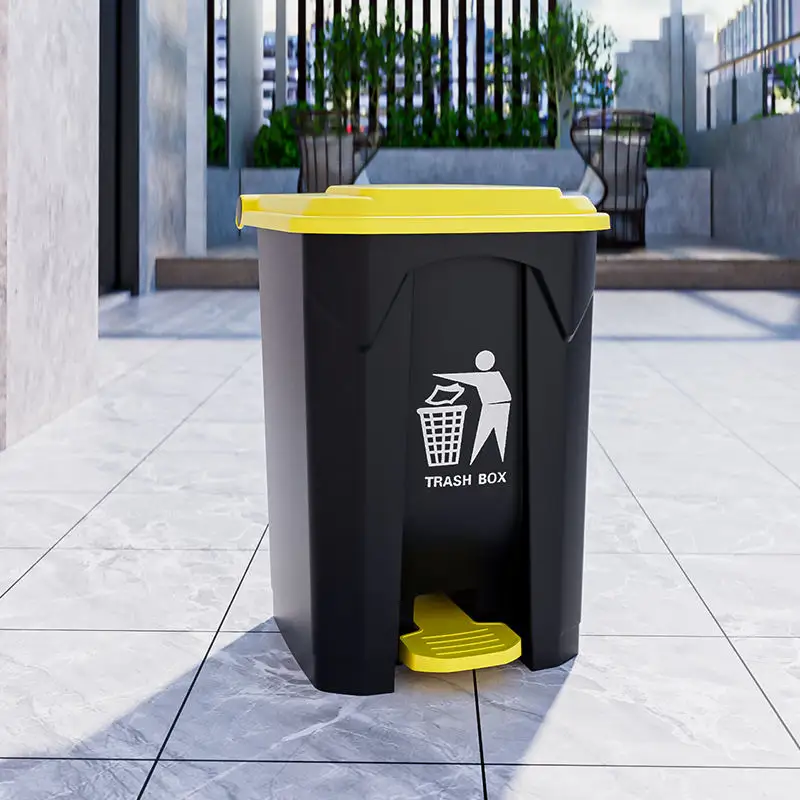
High-traffic locations demand waste management solutions that can withstand constant use, harsh weather, and demanding operational schedules. Durable outdoor trash bins represent a critical infrastructure investment for parks, commercial districts, transportation hubs, and public venues where waste volume and environmental exposure create significant durability challenges. Understanding why outdoor trash bins must be built to last helps facility managers, municipalities, and business owners make informed purchasing decisions that reduce replacement costs and maintain cleanliness standards consistently.
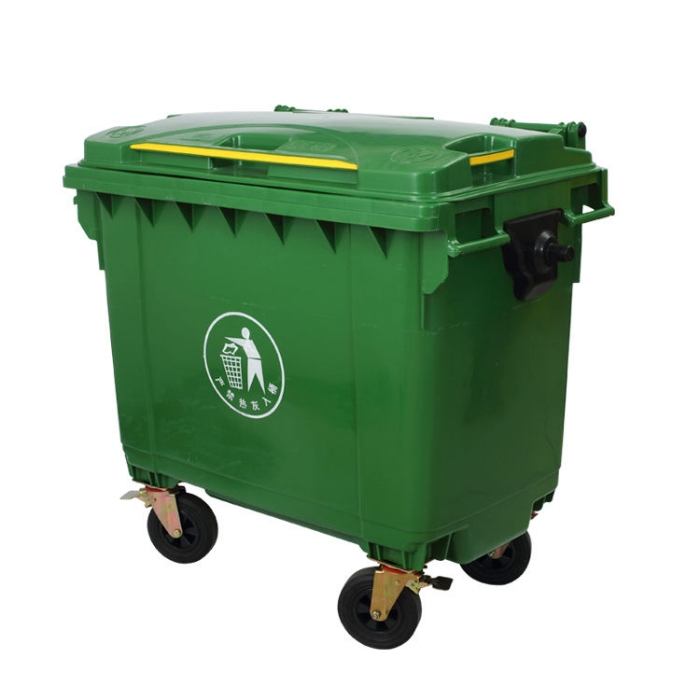
Outdoor trash bins designed for high-traffic environments face unique pressures that standard containers cannot handle. These locations experience elevated foot traffic, increased waste generation, extreme temperature fluctuations, exposure to moisture and UV radiation, and frequent mechanical stress from collection equipment. Durable outdoor trash bins engineered specifically for these conditions deliver measurable advantages in operational efficiency, environmental performance, and total cost of ownership compared to conventional alternatives.
Material Durability and Environmental Resilience
High-Performance Material Selection
The foundation of effective outdoor trash bins lies in material selection that prioritizes durability and longevity. Premium outdoor trash bins utilize advanced polymers, reinforced composite materials, and galvanized steel construction that resist corrosion, UV degradation, and mechanical damage. These materials maintain structural integrity across temperature ranges of minus twenty to plus fifty degrees Celsius, ensuring outdoor trash bins remain functional through freeze-thaw cycles, intense sun exposure, and constant moisture contact that would degrade ordinary containers within months.
Durable outdoor trash bins manufactured from powder-coated metals or UV-stabilized polymers resist rust, fading, and surface deterioration that compromises both aesthetics and functionality. The material composition directly impacts how outdoor trash bins perform in coastal environments with salt spray, industrial areas with chemical exposure, and humid regions prone to mold and corrosion. Premium outdoor trash bins typically feature reinforced seams, welded joints, and sealed edges that prevent water infiltration and internal rust formation, extending service life by five to ten years compared to budget alternatives.
Protection Against Weather and Chemical Exposure
Outdoor trash bins in high-traffic locations encounter constant environmental assault from rain, snow, road salt, industrial emissions, and ultraviolet radiation that systematically degrading inferior containers. Durable outdoor trash bins incorporate weather-resistant coatings, sealed lids, and drainage systems that prevent water accumulation and ice damage while protecting waste contents from rain and snow. This protective design ensures outdoor trash bins maintain their function and appearance throughout extended exposure to harsh seasonal conditions without structural compromise or accelerated corrosion.
Chemical exposure represents another critical challenge for outdoor trash bins in urban and industrial settings. Durable outdoor trash bins resist damage from spilled fuels, cleaning solvents, de-icing compounds, and other caustic materials common in high-traffic zones. The chemical-resistant finish and durable construction of premium outdoor trash bins prevent surface breakdown, discoloration, and material weakening that would render cheaper containers unusable within a single season of exposure to typical environmental contaminants.
Structural Design and Operational Performance
Load Capacity and Impact Resistance
High-traffic locations generate waste volumes that stress container structural integrity through constant loading, compaction, and mechanical impact. Durable outdoor trash bins engineered for these environments feature reinforced bases, heavy-duty hinges, and strengthened walls that distribute load evenly and resist deformation under weight. The structural design of quality outdoor trash bins allows them to accommodate fifty to one hundred percent higher waste volume per collection cycle compared to standard containers, reducing collection frequency and operational costs while maintaining consistent service levels.
Impact resistance distinguishes durable outdoor trash bins from standard alternatives in high-traffic zones where collection equipment, foot traffic, and accidental damage occur regularly. Reinforced corner posts, shock-absorbing mounting systems, and impact-resistant materials enable outdoor trash bins to withstand contact with compactor trucks, shopping carts, pedestrian traffic, and weather-related impacts without structural damage. This durability translates directly to extended replacement intervals, reduced downtime, and lower total cost of ownership across the lifespan of facility operations.
Collection Equipment Compatibility
Durable outdoor trash bins designed for high-traffic locations integrate seamlessly with automated collection equipment and lift mechanisms that modern waste management relies upon. Premium outdoor trash bins feature standardized mounting systems, reinforced connection points, and load-balanced designs that facilitate efficient automated pickup without mechanical stress or equipment damage. The compatibility of durable outdoor trash bins with collection vehicles reduces collection time, minimizes labor requirements, and prevents equipment damage that would create operational disruptions and unexpected maintenance expenses.
Locking mechanisms and anti-tamper designs incorporated into durable outdoor trash bins prevent unauthorized access, spill incidents, and waste diversion in high-traffic public settings. These security features protect operational integrity while ensuring outdoor trash bins remain accessible only to authorized personnel and collection equipment, maintaining sanitation standards and reducing cleanup costs associated with scattered waste and contamination.
Long-Term Cost Benefits and Sustainability Impact
Total Cost of Ownership Advantages
Initial investment in durable outdoor trash bins represents a strategic financial decision that delivers measurable savings across facility operations. Quality outdoor trash bins purchased at premium initial cost eliminate frequent replacement expenses, reduce maintenance and repair costs, and minimize operational disruptions associated with container failures in high-traffic locations. A outdoor trash bins system that maintains functionality for ten to fifteen years costs significantly less per year than cheaper alternatives requiring replacement every two to three years, creating substantial budgetary advantages for municipalities, corporations, and facility managers responsible for waste infrastructure.
Durable outdoor trash bins reduce labor costs through improved operational efficiency and reduced maintenance interventions. Containers that function reliably across extended service intervals eliminate unexpected equipment failures that create emergency maintenance calls, emergency replacements, and operational disruptions during peak usage periods. The reliability of outdoor trash bins engineered for durability translates to predictable capital budgets and staffing allocation rather than reactive emergency spending that strains municipal and corporate resources.
Environmental Responsibility and Lifecycle Assessment
Selecting durable outdoor trash bins reflects environmental stewardship by reducing manufacturing waste and resource consumption associated with frequent container replacement. Outdoor trash bins designed for extended service life require fewer manufacturing cycles, consume less material per year of service, and generate minimal replacement waste compared to disposable alternatives. This environmental efficiency aligns with corporate sustainability goals and municipal waste reduction initiatives that prioritize durable, long-lasting infrastructure over consumption-oriented replacement cycles.
Durable outdoor trash bins also support recycling program integrity and waste stream management by maintaining structural consistency across collection cycles and preventing material leakage or contamination. High-quality outdoor trash bins with secure lids and sealed construction prevent rainwater infiltration that contaminates recyclable materials and compromises sorting operations. The environmental benefits of durable outdoor trash bins extend beyond manufacturing efficiency to include improved waste stream purity and operational sustainability across the entire waste management supply chain.
FAQ
What specific materials make outdoor trash bins durable for high-traffic locations?
Durable outdoor trash bins are typically constructed from UV-stabilized high-density polyethylene, reinforced composite polymers, or galvanized steel with powder-coat finishes. These materials resist corrosion, UV degradation, impact damage, and chemical exposure while maintaining structural integrity across extreme temperature ranges. Premium outdoor trash bins also feature sealed seams, drainage systems, and weather-resistant coatings that prevent water infiltration and internal deterioration that would compromise standard containers.
How much longer do durable outdoor trash bins last compared to standard containers?
Durable outdoor trash bins engineered for high-traffic use typically maintain functionality for ten to fifteen years with proper maintenance, compared to two to three years for budget containers in similar environments. This extended service life results from superior material quality, reinforced structural design, weather protection features, and impact resistance that preserve container integrity across extensive use cycles. The longevity of outdoor trash bins directly reduces replacement frequency, budgetary pressure, and operational disruptions associated with premature container failure.
Can durable outdoor trash bins reduce operational costs in high-traffic locations?
Yes, durable outdoor trash bins deliver significant operational cost reductions through lower replacement expenses, reduced maintenance interventions, improved collection efficiency, and extended service intervals. The higher initial investment in quality outdoor trash bins is recovered through eliminated emergency repairs, reduced labor for maintenance and replacement, and predictable capital budgeting across facility operations. Municipalities and facility managers consistently experience ten to thirty percent annual cost reductions in waste management expenses when transitioning from standard containers to durable outdoor trash bins designed for high-traffic performance requirements.