 EN
EN

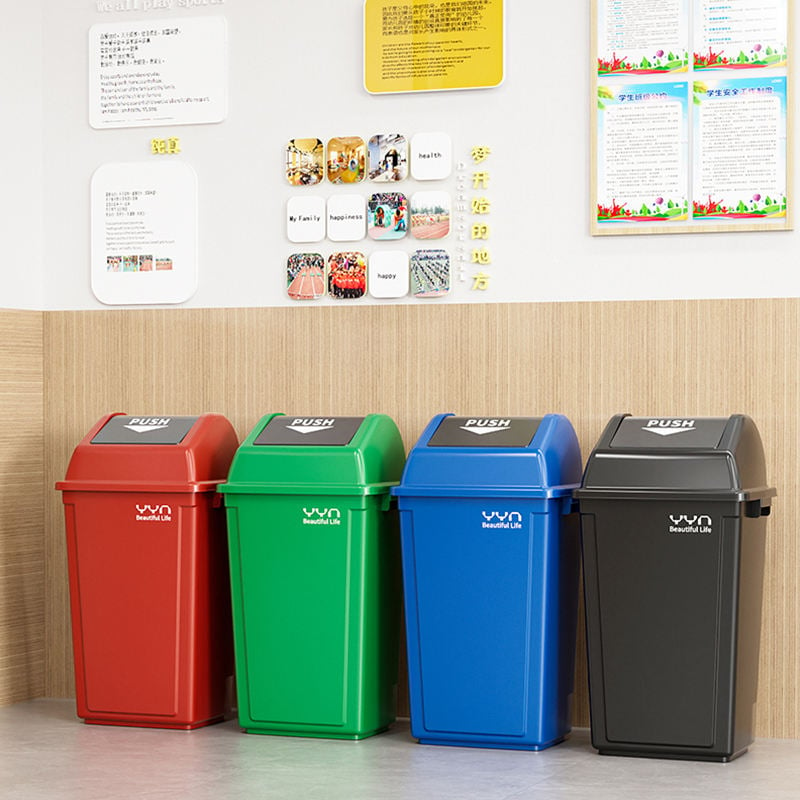
Facility managers face constant pressure to balance operational efficiency with environmental responsibility. The right commercial recycling bins can transform how your facility handles waste streams while supporting sustainability goals. Commercial recycling bins are not simply containers; they represent a strategic investment in organized waste management, employee engagement, and regulatory compliance. Understanding what makes commercial recycling bins ideal reveals why they have become essential infrastructure in modern facilities across industries.
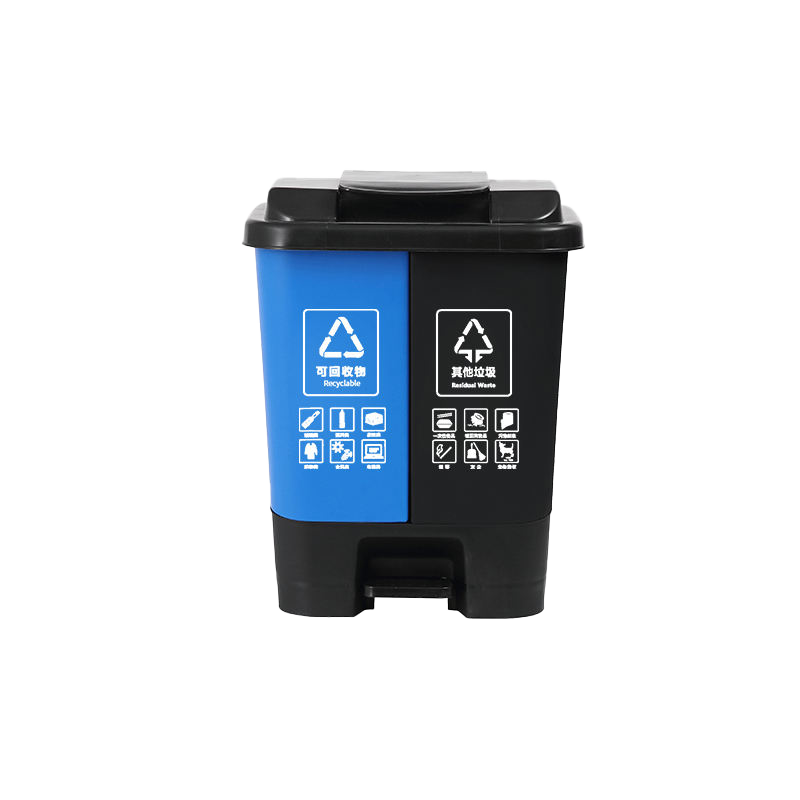
Commercial recycling bins deliver tangible operational advantages that extend beyond basic waste containment. When facility managers implement quality commercial recycling bins, they gain visibility into waste patterns, reduce contamination rates, and streamline collection logistics. The design, material, and placement strategy of commercial recycling bins directly impact how effectively your team manages recyclables, separates waste streams, and maintains facility aesthetics.
Durability and Material Selection in Commercial Recycling Bins
Why Material Composition Matters for Commercial Recycling Bins
The structural integrity of commercial recycling bins determines long-term value and performance. High-quality commercial recycling bins are constructed from UV-resistant, impact-resistant plastics or steel that withstand weather exposure, heavy use, and constant opening and closing cycles. Facility managers must evaluate whether commercial recycling bins will endure frequent emptying by waste collection crews, daily user interaction, and outdoor environmental stresses. Premium commercial recycling bins resist rust, cracking, fading, and deformation, reducing replacement frequency and maintenance costs.
Operational Lifespan and Cost Efficiency
Investing in durable commercial recycling bins directly reduces lifecycle costs for facility managers. When commercial recycling bins are built to last, replacement cycles extend from two to three years to five to seven years, lowering per-unit annual expenses. Heavy-duty commercial recycling bins withstand the rigorous demands of high-traffic facilities, manufacturing environments, and multi-building campuses. The initial investment in quality commercial recycling bins pays dividends through reduced downtime, fewer maintenance interventions, and consistent performance across your facility infrastructure.
Capacity Planning and Contamination Control
Right-Sizing Commercial Recycling Bins for Facility Needs
Choosing appropriate sizes for commercial recycling bins requires understanding your facility's waste generation patterns and collection schedules. Oversized commercial recycling bins can create storage challenges and visual clutter, while undersized options lead to overflow, spillage, and contamination issues that compromise your recycling program. Most commercial recycling bins range from 20 to 64 gallons for indoor use and up to 95 gallons for outdoor applications. Facility managers should calculate average daily recyclables volume by waste stream—cardboard, mixed paper, plastics, metals—to determine optimal commercial recycling bins capacity and quantity needed across different zones.
Contamination Prevention Through Commercial Recycling Bins Design
Strategic placement and labeling of commercial recycling bins significantly reduce contamination rates that compromise facility recycling programs. Commercial recycling bins with clear, large graphics, color coding, and specific waste stream labels guide users to deposit appropriate materials. When commercial recycling bins feature smaller openings designed for specific material types, users cannot accidentally add incompatible items like plastic bags, food waste, or hazardous materials. Properly configured commercial recycling bins reduce sorting labor at material recovery facilities and improve the quality of recovered materials, enabling higher resale values and stronger vendor relationships.
Accessibility and User Engagement Through Commercial Recycling Bins
Strategic Placement of Commercial Recycling Bins
The location and visibility of commercial recycling bins directly influence participation rates and recycling program success. Facility managers should position commercial recycling bins near break rooms, office areas, manufacturing floors, and high-traffic zones where employees generate recyclables daily. Commercial recycling bins placed beside trash receptacles create natural decision points that encourage proper sorting. When employees encounter commercial recycling bins at convenient, visible locations throughout the facility, participation increases, contamination decreases, and overall waste diversion rates improve significantly.
Ergonomic Design for Accessibility and Safety
Commercial recycling bins with user-friendly features enhance accessibility for all facility occupants, including employees with mobility limitations. Modern commercial recycling bins incorporate pedal-operated openings, lightweight lids, and appropriately positioned containers that reduce lifting and bending strain. Rounded corners, smooth surfaces, and stable bases on commercial recycling bins prevent tipping, injuries, and spills. When commercial recycling bins are designed with ergonomic principles, they encourage consistent use, improve safety compliance, and reduce workplace incidents related to waste handling.
Environmental and Regulatory Benefits of Commercial Recycling Bins
Meeting Compliance Requirements with Commercial Recycling Bins
Many jurisdictions and building certification programs mandate recycling infrastructure as a condition of operation or green building status. Commercial recycling bins serve as visible compliance markers that demonstrate your facility's commitment to waste reduction and environmental stewardship. Installing properly labeled, strategically positioned commercial recycling bins creates documented evidence of recycling program infrastructure for audits and certifications. Facilities pursuing LEED, Zero Waste, or similar designations find that comprehensive commercial recycling bins systems are fundamental prerequisites for achieving these goals.
Reducing Landfill Waste and Environmental Impact
Commercial recycling bins enable facility managers to measurably reduce the volume of waste destined for landfills. By providing accessible, clearly marked commercial recycling bins throughout your facility, you capture materials that would otherwise occupy limited landfill space and persist in the environment for decades. Diverting cardboard, paper, plastics, and metals through commercial recycling bins preserves natural resources, reduces mining and manufacturing energy demands, and supports circular economy principles. Facility managers who implement effective commercial recycling bins programs can achieve 40 to 60 percent waste diversion rates, significantly reducing environmental footprint and aligning operations with corporate sustainability commitments.
FAQ
What size of commercial recycling bins works best for a medium-sized office facility?
Medium-sized office facilities typically benefit from a combination of 20 to 32-gallon commercial recycling bins placed in primary waste collection zones and 64-gallon outdoor commercial recycling bins for loading dock areas. The specific choice depends on collection frequency, occupant density, and whether your facility has dedicated recycling processing space. Most facilities find that multiple smaller commercial recycling bins distributed throughout work areas outperform fewer large containers because they reduce walking distance and encourage participation.
How do commercial recycling bins prevent material contamination?
Commercial recycling bins prevent contamination through multiple design features including single-stream openings that accept only designated materials, clear labeling with specific accepted items, color-coded schemes that distinguish paper from plastics from metals, and graphic symbols that transcend language barriers. Well-designed commercial recycling bins reduce user confusion and prevent accidental addition of food waste, plastic bags, and hazardous materials that compromise entire batches of recyclables at processing facilities.
Are commercial recycling bins suitable for both indoor and outdoor facility locations?
Yes, commercial recycling bins are available in purpose-built configurations for both environments. Indoor commercial recycling bins prioritize space efficiency and aesthetic integration with office design, while outdoor commercial recycling bins feature reinforced construction, weather-resistant materials, and elevated weight to resist wind and unauthorized access. Facility managers should select commercial recycling bins with appropriate specifications for each location to ensure performance longevity and user satisfaction across diverse facility areas.