 EN

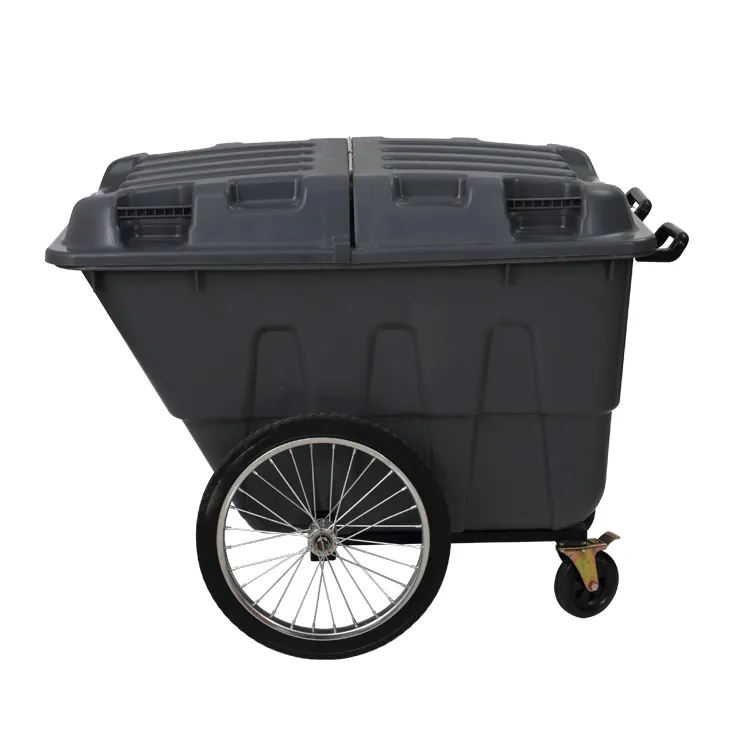
Factories face mounting pressure to optimize operations while managing waste responsibly. Large-capacity industrial waste bins have become the standard solution in modern manufacturing facilities for good reason. These containers offer far more than simple waste storage—they represent a strategic investment in operational efficiency, cost reduction, and environmental compliance. Understanding why factories prefer large-capacity industrial waste bins requires examining the practical, financial, and operational advantages that drive this widespread adoption across industries.
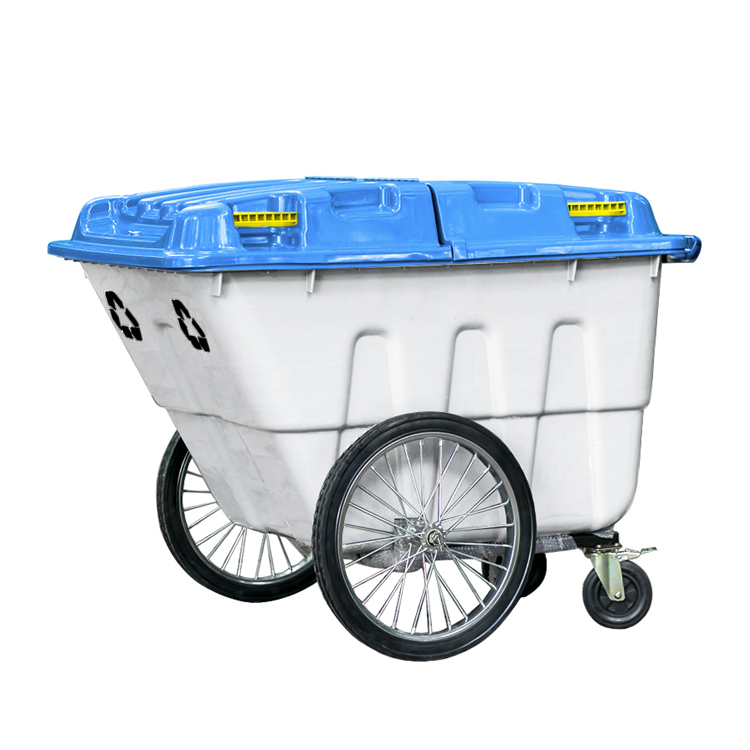
The preference for large-capacity industrial waste bins stems from multiple interconnected factors that directly impact bottom-line performance. Factories generate substantial waste volumes daily—from production scraps and packaging materials to hazardous byproducts requiring specialized handling. Choosing appropriately sized industrial waste bins ensures waste accumulation does not disrupt production schedules, complicate logistics, or create safety hazards. The strategic deployment of large-capacity containers across manufacturing zones enables seamless waste collection while maintaining clean, compliant work environments that support both worker safety and regulatory adherence.
Operational Efficiency and Production Continuity
Reducing Collection Frequency and Downtime
Large-capacity industrial waste bins dramatically reduce the number of collections required per week or month. Traditional smaller containers force facilities to schedule frequent emptying cycles, which interrupt workflows and require coordination between production and waste management teams. When factories implement industrial waste bins with substantially larger volumes, collection frequency drops significantly. This reduction means fewer disruptions to manufacturing processes, lower labor costs associated with bin management, and smoother operations overall. Workers spend less time tracking fill levels or waiting for containers to be swapped out, allowing them to focus on core production activities.
Space Optimization and Workflow Design
Strategic placement of large-capacity industrial waste bins enables factories to consolidate waste collection points. Instead of positioning multiple smaller containers throughout the facility, warehouses and production areas can deploy fewer, strategically located units that still accommodate daily waste volumes. This consolidation improves floor space utilization, reduces clutter, and creates cleaner, more organized work zones. Optimized workflow design around properly sized industrial waste bins minimizes material handling time and reduces the risk of waste-related accidents or congestion near production equipment.
Cost Management and Financial Performance
Reduction in Per-Unit Waste Management Expenses
Waste management represents a significant operational expense for manufacturing facilities. Large-capacity industrial waste bins reduce this cost through economies of scale in collection logistics. Fewer collection trips mean lower fuel consumption, reduced vehicle wear, decreased driver labor hours, and simplified scheduling. Service providers typically charge per collection or per container, so consolidating waste into larger industrial waste bins often results in lower overall fees compared to managing numerous small containers. For facilities generating hundreds of tons of waste annually, this cost reduction can reach five or six figures, directly improving profit margins.
Waste Diversion and Revenue Opportunities
Large-capacity industrial waste bins allow factories to segregate recyclable materials more effectively. When separate high-volume containers exist for cardboard, plastics, metals, and other recyclables, waste streams remain cleaner and more valuable to recyclers. Many facilities generate revenue from selling sorted recyclables, and the quality improvements enabled by proper segregation using industrial waste bins can increase that revenue. Additionally, larger containers encourage systematic sorting practices across the workforce, reducing contamination and maximizing the value of recovered materials.
Compliance, Safety, and Environmental Responsibility
Regulatory Compliance and Hazardous Waste Management
Manufacturing operations frequently handle hazardous or specialty waste requiring compliant storage solutions. Large-capacity industrial waste bins designed for hazardous materials meet stringent environmental and safety regulations. Properly specified industrial waste bins with appropriate sealing, labeling, and containment features ensure facilities remain compliant with EPA, OSHA, and state-level waste management regulations. Using incorrectly sized or unsuitable containers creates legal liability, potential fines, and operational disruptions. Industrial waste bins that match actual waste generation patterns eliminate overfilling violations and ensure proper handling of regulated materials from generation to final disposal.
Worker Safety and Accident Prevention
Overflowing or inadequately sized waste containers create physical hazards in production environments. Spilled waste on floors causes slip-and-fall accidents, and overflow conditions trap material in areas where machinery operates. Large-capacity industrial waste bins, when properly managed, remain below unsafe fill levels, reducing waste-related injuries and worker compensation claims. Ergonomic container placement and appropriate sizing also reduce manual handling strain. Facilities that prioritize industrial waste bins of adequate capacity demonstrate commitment to occupational safety, supporting positive workplace culture and reducing insurance premiums tied to safety records.
FAQ
How do factories determine the right capacity for industrial waste bins?
Factories calculate required industrial waste bin capacity by analyzing daily waste generation rates, types of materials produced, production schedules, and collection frequency agreements. A facility generating 500 pounds of mixed waste daily requires different industrial waste bins than one generating 2,000 pounds. Professional waste audits help determine optimal bin sizes, number of units needed at each location, and appropriate material specifications. Most industrial waste bins are sized in liters or cubic yards, with common sizes ranging from 240 liters to 1,100 liters for high-volume facilities.
What materials should industrial waste bins be made from?
Industrial waste bins must be constructed from durable, weather-resistant materials that withstand frequent handling and environmental exposure. High-density polyethylene plastic and reinforced steel represent the most common materials for industrial waste bins. Plastic containers offer corrosion resistance and reduced weight, while steel bins provide maximum durability in demanding environments. Material selection depends on waste type, facility location, climate conditions, and lifespan requirements. Hazardous waste requires specialized industrial waste bins with sealed lids and chemical-resistant construction.
Can large-capacity industrial waste bins be customized for specific waste types?
Yes, manufacturers offer industrial waste bins with customizable features including segregated compartments for mixed-waste sorting, specialized linings for chemical compatibility, locking mechanisms for secure hazardous material storage, and drainage systems for wet waste. Many industrial waste bins feature color coding and labeling options that support waste stream separation and employee training. Customized industrial waste bins ensure facilities can handle diverse waste types safely while optimizing material recovery and disposal efficiency.