wheelie bin factory
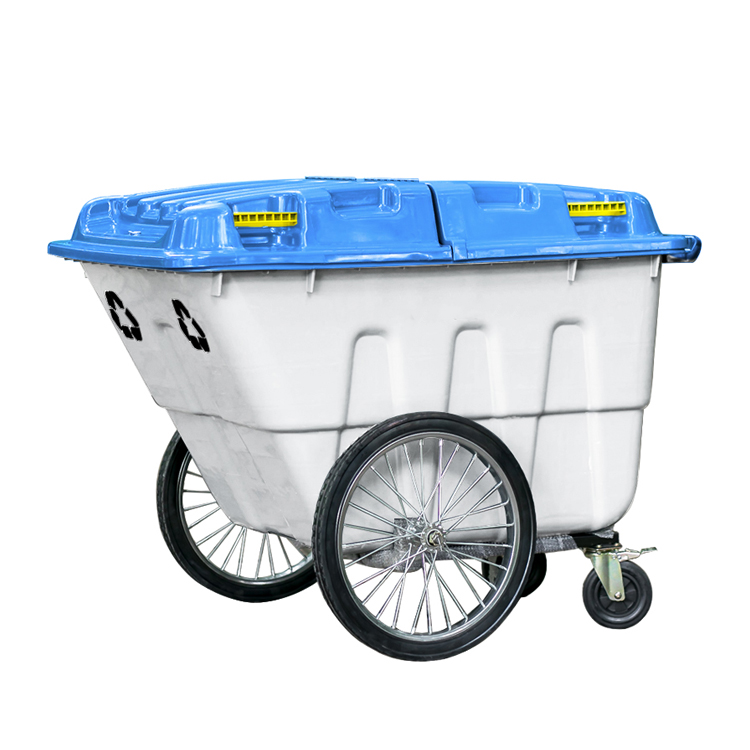
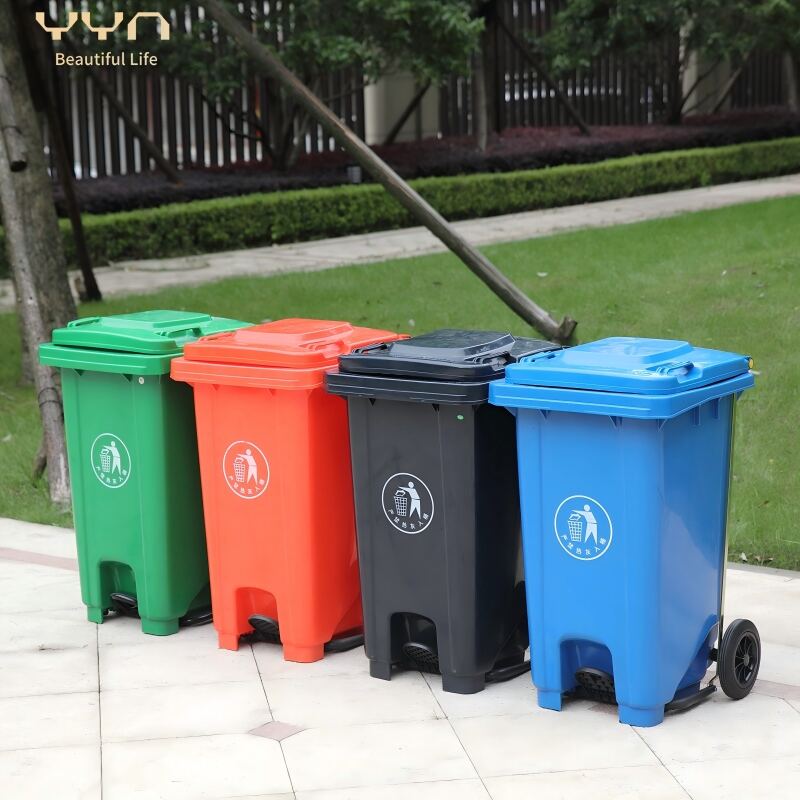
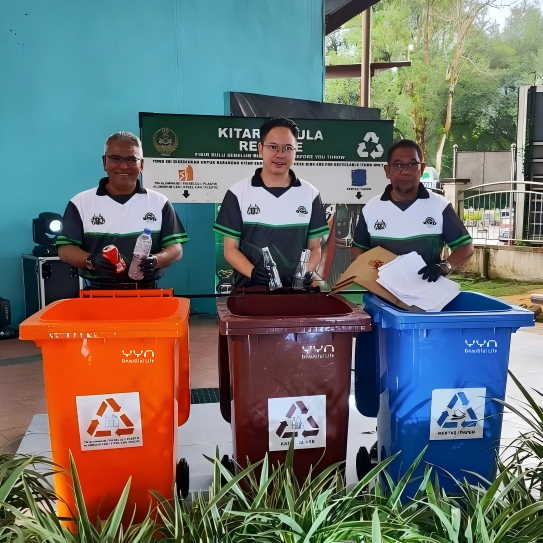
A wheelie bin factory represents a specialized manufacturing facility dedicated to producing mobile waste containers that have become essential infrastructure for modern waste management systems. These factories operate sophisticated production lines that transform raw materials into durable, functional wheelie bins used by households, businesses, and municipalities worldwide. The wheelie bin factory combines advanced plastic molding technology with quality control systems to ensure each unit meets rigorous standards for strength, weather resistance, and longevity. The main functions of these facilities include material processing, injection molding, rotational molding, assembly operations, quality inspection, and distribution logistics. Modern wheelie bin factory operations utilize computer-controlled machinery that precisely measures and mixes plastic polymers, typically high-density polyethylene or polypropylene, which are chosen for their exceptional durability and resistance to environmental factors. The technological features employed within these manufacturing environments include automated material feeding systems, temperature-controlled molding chambers, robotic handling equipment, and comprehensive testing apparatus that verifies structural integrity. Applications for products manufactured in a wheelie bin factory extend across residential waste collection, commercial refuse management, recycling programs, medical waste disposal, and industrial material handling. These facilities often produce bins in various capacities ranging from compact 120-liter models suitable for small households to large 1100-liter commercial units designed for business premises. The wheelie bin factory also incorporates customization capabilities, allowing for color coding systems that facilitate waste sorting, branding opportunities for municipalities, and specialized features like locking mechanisms or integrated RFID tracking chips. Environmental considerations have become increasingly important, with many facilities now incorporating recycled plastics into their production processes, reducing carbon footprints while maintaining product quality standards that ensure bins remain functional for decades of regular use.

 EN
EN