Restaurant Kitchen Trash Can - Commercial Grade Waste Solutions for Professional Kitchens

restaurant kitchen trash can

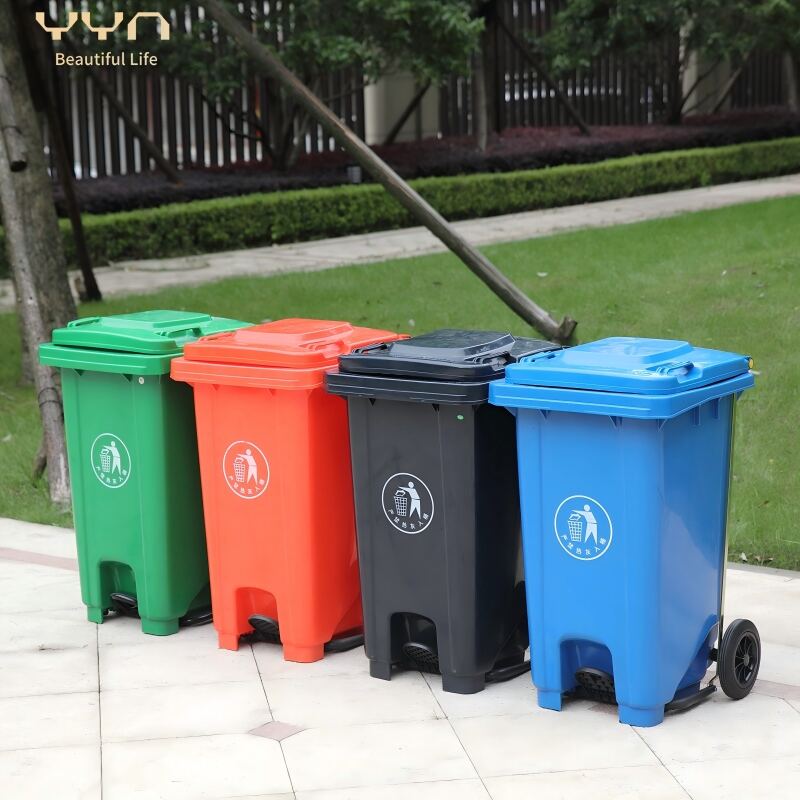
A restaurant kitchen trash can represents far more than a simple waste receptacle. It serves as an essential sanitation tool designed specifically to handle the demanding environment of commercial food preparation spaces. In busy restaurant kitchens where efficiency and cleanliness determine success, a proper restaurant kitchen trash can becomes indispensable for maintaining hygiene standards while streamlining waste management operations. These specialized containers differ significantly from residential models through their robust construction, larger capacities, and features tailored to foodservice requirements. The primary function of a restaurant kitchen trash can centers on containing food waste, packaging materials, and disposable items generated during meal preparation and service. Modern designs incorporate hands-free operation mechanisms, typically featuring foot pedals or motion sensors that allow kitchen staff to dispose of waste without touching potentially contaminated surfaces, thereby reducing cross-contamination risks. Technological advancements have transformed these essential tools into sophisticated equipment that addresses specific challenges faced in professional kitchens. Many restaurant kitchen trash can models now include odor-control systems using activated carbon filters or sealed lids that trap unpleasant smells, preventing them from permeating dining areas. Some advanced versions feature removable inner buckets with handles for easier waste removal and cleaning, while others incorporate bag-retention systems that secure liners firmly in place even when disposing of heavy or sharp objects. Durability stands as a critical technological feature, with commercial-grade stainless steel construction resisting rust, dents, and the corrosive effects of food acids and cleaning chemicals. Applications extend across various kitchen zones, from prep stations requiring smaller bins for vegetable trimmings to main cooking areas needing large-capacity units for bulk waste. The restaurant kitchen trash can also plays a vital role in waste segregation programs, with color-coded or labeled versions helping staff separate recyclables, compostables, and general waste, supporting environmental sustainability initiatives while ensuring compliance with local waste management regulations.

New Product Recommendations

Investing in a quality restaurant kitchen trash can delivers numerous practical benefits that directly impact daily operations and overall kitchen performance. First and foremost, these specialized containers dramatically improve workplace hygiene by providing a designated, secure location for waste disposal. When staff members can quickly discard scraps and packaging without leaving their workstations, contamination risks decrease substantially. The hands-free operation feature proves particularly valuable during peak service hours when cooks handle raw proteins, vegetables, and prepared dishes simultaneously. By eliminating the need to touch trash can lids with potentially contaminated hands, these systems prevent the spread of bacteria like salmonella and E. coli throughout the kitchen environment. Space optimization represents another significant advantage, as restaurant kitchen trash can designs account for the limited floor area available in most commercial kitchens. Slim profiles, corner-friendly shapes, and stackable options allow establishments to position waste receptacles conveniently without obstructing traffic flow or creating safety hazards. This strategic placement reduces the time staff spend walking to disposal points, increasing productivity during busy shifts. Durability translates directly into cost savings over time. While a restaurant kitchen trash can requires a higher initial investment than household alternatives, the commercial-grade materials withstand years of intensive use without cracking, breaking, or developing odor-absorbing damage. Stainless steel models resist impacts from heavy pots, withstand frequent cleaning with harsh sanitizers, and maintain their professional appearance despite constant exposure to moisture and temperature fluctuations. Odor management capabilities protect both kitchen staff comfort and customer dining experiences. Advanced sealing mechanisms and integrated filter systems prevent unpleasant smells from escaping, which proves especially important in open-kitchen concepts where diners can see food preparation areas. This feature also contributes to employee satisfaction, as working in a fresh-smelling environment improves morale and reduces complaints. Compliance with health codes becomes simpler when using appropriate waste containers. Health inspectors specifically look for proper waste management systems, and a professional restaurant kitchen trash can demonstrates commitment to sanitation standards. Many models include features that meet specific regulatory requirements, such as tight-fitting lids, smooth surfaces that prevent bacterial growth, and non-absorbent materials that facilitate thorough cleaning. Finally, waste segregation capabilities support environmental responsibility efforts. Restaurants increasingly face pressure to reduce landfill contributions through recycling and composting programs. Multi-compartment restaurant kitchen trash can systems make it easy for staff to sort waste correctly without confusion, helping establishments achieve sustainability goals while potentially reducing waste hauling costs through more efficient disposal practices.

Tips And Tricks

Abei Launches New HDPE Trash Bins: More Durable for Outdoor Use

22

Jan

Abei Launches New HDPE Trash Bins: More Durable for Outdoor Use

View More
Abei Partners with Southeast Asian Sanitation Company: Overseas Market Growth

22

Jan

Abei Partners with Southeast Asian Sanitation Company: Overseas Market Growth

View More
Abei’s Taobao Store Reaches 5,000 Followers: C-end Market Expansion

22

Jan

Abei’s Taobao Store Reaches 5,000 Followers: C-end Market Expansion

View More

Get a Free Quote

Our representative will contact you soon.
Email
Mobile/WhatsApp
Name
Company Name
Attachment
Please upload at least an attachment
Up to 3 files, each no larger than 30MB. Supported formats: jpg, jpeg, png, pdf, doc, docx, xls, xlsx, csv, txt, stp, step, igs, x_t, dxf, prt, sldprt, sat, rar, zip.
Message
0/1000

restaurant kitchen trash can

Hands-Free Sanitation Technology for Maximum Hygiene Protection

Hands-Free Sanitation Technology for Maximum Hygiene Protection

The hands-free operation system built into modern restaurant kitchen trash can designs represents a revolutionary advancement in commercial kitchen sanitation. This feature addresses one of the most persistent contamination challenges in foodservice environments: the transfer of bacteria and pathogens through touch points. In traditional setups, kitchen staff repeatedly touch trash can lids with hands that have just handled raw chicken, unwashed produce, or other potentially hazardous materials. Each contact creates an opportunity for cross-contamination, with subsequent users picking up these pathogens and potentially transferring them to food preparation surfaces, utensils, or ingredients. The hands-free restaurant kitchen trash can eliminates this vector entirely through either foot-pedal mechanisms or motion-sensor technology. Foot pedals allow staff to open lids using a simple step motion, keeping hands completely free for holding ingredients or tools. Motion sensors detect approaching users and automatically open the lid, providing an even more seamless experience that requires no physical contact whatsoever. These systems prove especially valuable during high-pressure service periods when multiple cooks work rapidly at adjacent stations. A chef breaking down proteins can dispose of trimmings with a quick pedal tap, immediately returning focus to the cutting board without pausing to wash hands or wipe down surfaces. This seamless workflow integration saves precious seconds that accumulate into significant time savings over a full shift. Beyond contamination prevention, hands-free operation enhances accessibility for kitchen staff of varying physical abilities. Team members carrying large pots, heavy trays, or multiple items can dispose of waste without requiring a free hand, reducing the risk of spills, burns, or dropped items. The technology also minimizes wear on trash can lids themselves, as the controlled opening mechanisms prevent the slamming, denting, and hinge damage common with manually operated models. From a health inspection perspective, hands-free restaurant kitchen trash can systems demonstrate proactive commitment to food safety, often earning positive remarks from inspectors who recognize the enhanced sanitation protocols these tools enable. Restaurants investing in this technology signal to both employees and customers that hygiene remains a top operational priority, building trust and protecting reputation while simultaneously reducing the likelihood of foodborne illness incidents that could prove catastrophic to business continuity.
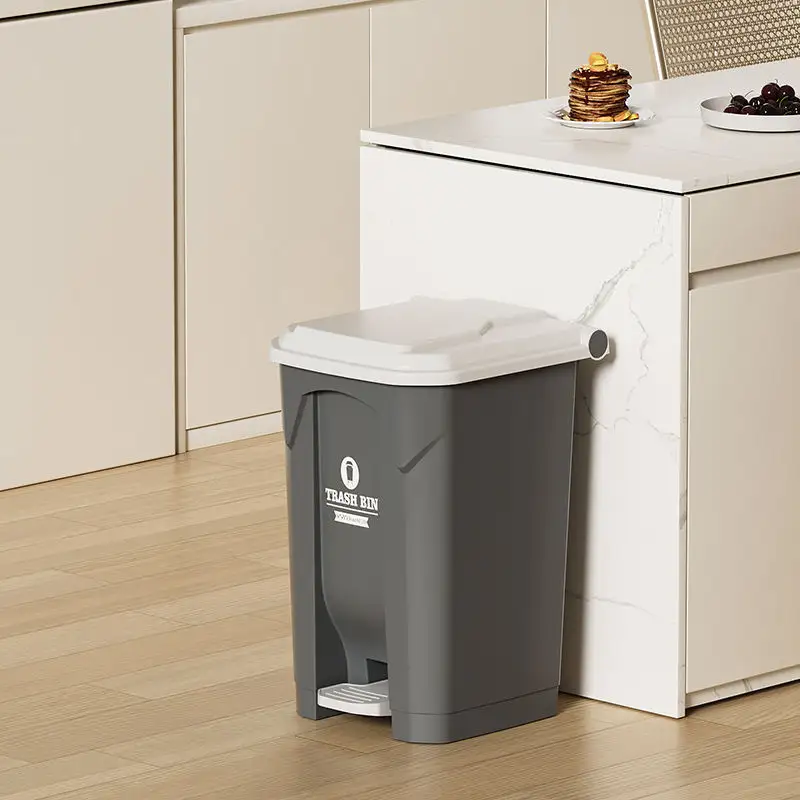
Commercial-Grade Durability for Long-Term Performance and Value

Commercial-Grade Durability for Long-Term Performance and Value

The construction quality distinguishing a true restaurant kitchen trash can from consumer-grade alternatives directly impacts operational efficiency and total cost of ownership. Professional kitchens subject waste containers to abuse that would quickly destroy residential models. Heavy cast-iron pans get tossed aside during hectic service, sharp bones and shells create puncture risks, acidic food waste corrodes inferior materials, and frequent cleaning with commercial-strength sanitizers breaks down weak plastics and thin metals. A properly engineered restaurant kitchen trash can anticipates these challenges through material selection and structural design that prioritize longevity. Stainless steel construction stands as the gold standard for commercial applications, offering unmatched resistance to rust, corrosion, denting, and staining. Unlike painted or powder-coated alternatives, stainless steel maintains its appearance and structural integrity even after years of exposure to moisture, heat, and aggressive cleaning chemicals. The non-porous surface prevents bacterial colonization in microscopic cracks and scratches, ensuring that thorough sanitization remains possible throughout the product lifespan. Thickness matters significantly, with commercial restaurant kitchen trash can models typically featuring heavier-gauge steel that withstands impacts without permanent deformation. Reinforced bases and rim construction prevent the common failure points where residential bins crack under stress. Welded seams rather than glued or snap-together joints ensure that containers remain watertight even when holding liquids from melted ice, discarded beverages, or rinsed packaging. This durability translates into concrete financial benefits through reduced replacement frequency. While a quality restaurant kitchen trash can costs more upfront, spreading that investment across five to ten years of reliable service yields a lower annual cost than replacing cheaper alternatives every twelve to eighteen months. Elimination of emergency replacements prevents operational disruptions that occur when inadequate bins fail during busy periods, forcing staff to improvise with cardboard boxes or bags that create safety hazards and present unprofessional appearances during health inspections. The consistent performance of durable models also protects staff from injuries related to equipment failure, such as cuts from cracked plastic edges or foot injuries from collapsing containers. Maintenance requirements decrease substantially with commercial-grade restaurant kitchen trash can construction, as robust materials tolerate intensive cleaning protocols without degradation, allowing staff to sanitize thoroughly without concerns about damaging the equipment, ultimately supporting consistent hygiene standards.
Strategic Capacity and Design Features for Operational Efficiency

Strategic Capacity and Design Features for Operational Efficiency

The capacity planning and ergonomic design incorporated into specialized restaurant kitchen trash can models directly influence kitchen workflow efficiency and staff productivity. Sizing represents a critical consideration that balances waste volume management against floor space constraints and removal frequency requirements. Undersized containers require constant emptying, pulling staff away from food preparation tasks and creating overflow situations that violate health codes. Oversized bins waste valuable kitchen real estate while encouraging infrequent emptying that allows decomposition and odor development. Professional restaurant kitchen trash can options span capacity ranges from compact thirteen-gallon units suitable for prep stations to large forty-gallon models for main disposal points. This variety enables operators to position appropriately sized receptacles throughout the kitchen based on specific waste generation patterns. A salad preparation area producing primarily vegetable trimmings might require frequent access to a moderate-capacity restaurant kitchen trash can positioned within arm's reach, while a dish pit generating substantial volumes of scraped plate waste demands a larger unit that accommodates high throughput without constant bag changes. Shape and profile engineering optimize space utilization, with rectangular footprints fitting efficiently against walls or into corners compared to round designs that waste surrounding floor area. Slim profiles allow placement in narrow gaps between equipment, keeping waste disposal points conveniently located without obstructing traffic lanes or creating collision hazards in crowded kitchens. Some restaurant kitchen trash can models feature wheels or casters that facilitate repositioning based on changing needs throughout service periods, rolling easily to wherever waste generation concentrates while locking securely in place to prevent unwanted movement. Interior design elements enhance usability through features like built-in bag retention systems that grip liner edges, preventing the frustrating slippage that occurs when disposing of heavy items into poorly secured bags. Some advanced restaurant kitchen trash can designs include removable inner buckets with integrated handles, allowing staff to transport waste directly to dumpsters without struggling with unwieldy bags or risking spills from torn liners. This feature proves especially valuable for composting programs where organic waste requires separate outdoor containment. Lid design variations address different operational preferences, with some restaurant kitchen trash can models offering swing-top lids for continuous access during high-volume periods, while others provide fully sealed lids that maximize odor containment during slower times. Transparent or windowed lids help staff monitor fill levels without opening containers, optimizing emptying schedules. These thoughtful design considerations transform the restaurant kitchen trash can from a simple receptacle into a strategic operational tool that supports efficient kitchen management.

Get a Free Quote

Our representative will contact you soon.
Email
Mobile/WhatsApp
Name
Company Name
Attachment
Please upload at least an attachment
Up to 3 files, each no larger than 30MB. Supported formats: jpg, jpeg, png, pdf, doc, docx, xls, xlsx, csv, txt, stp, step, igs, x_t, dxf, prt, sldprt, sat, rar, zip.
Message
0/1000