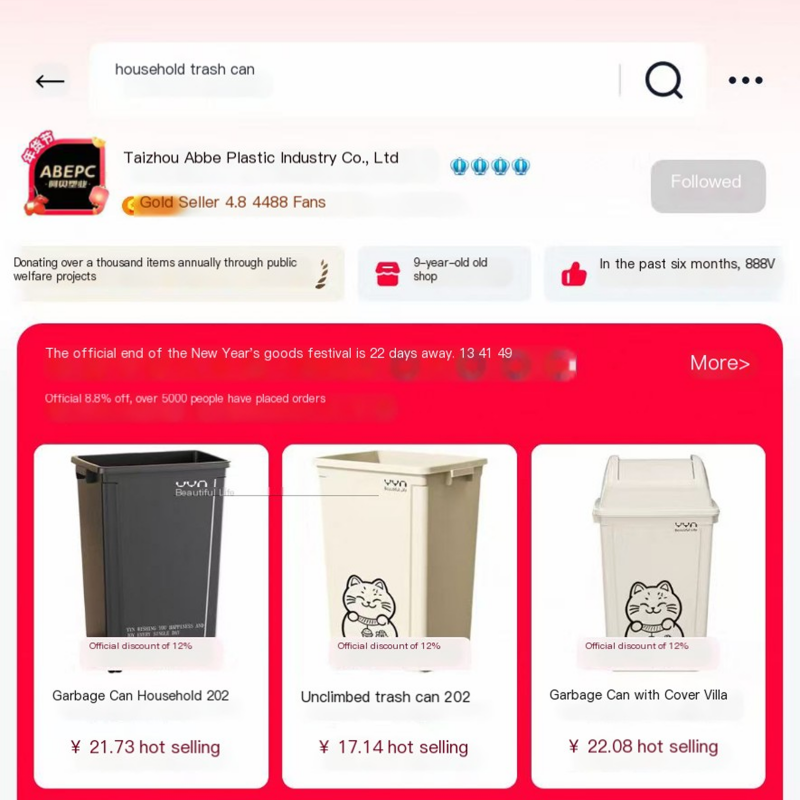
Large Wheelie Bin Solutions - Heavy-Duty Waste Management Containers for Commercial and Residential Applications

large wheelie bin

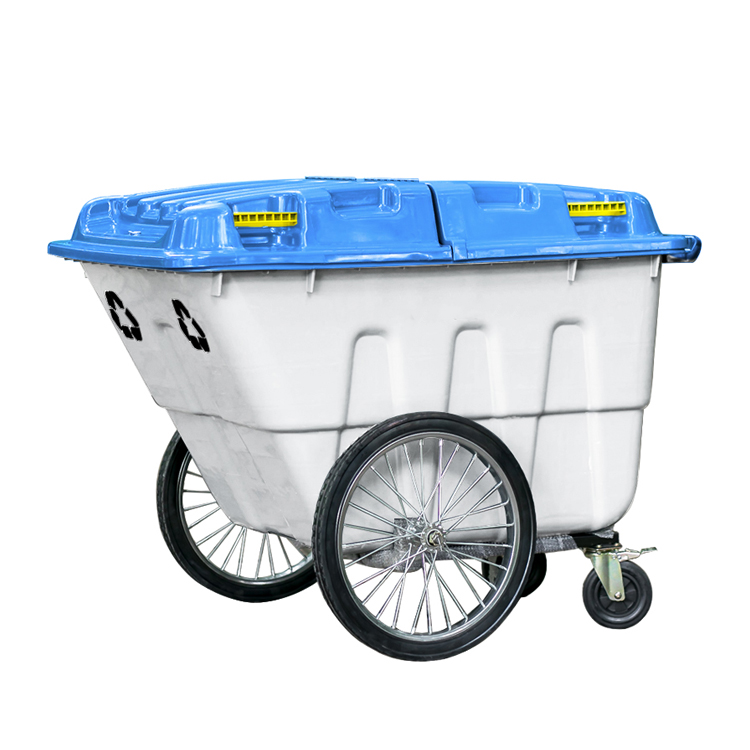
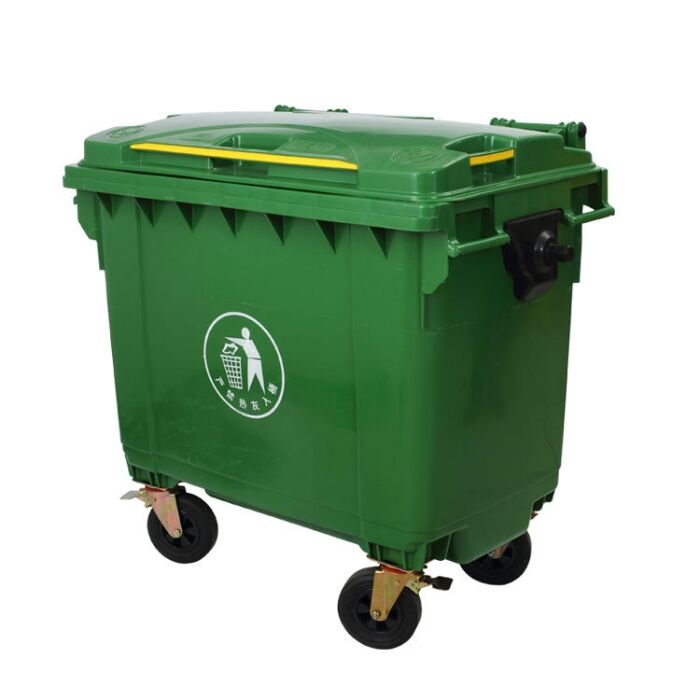
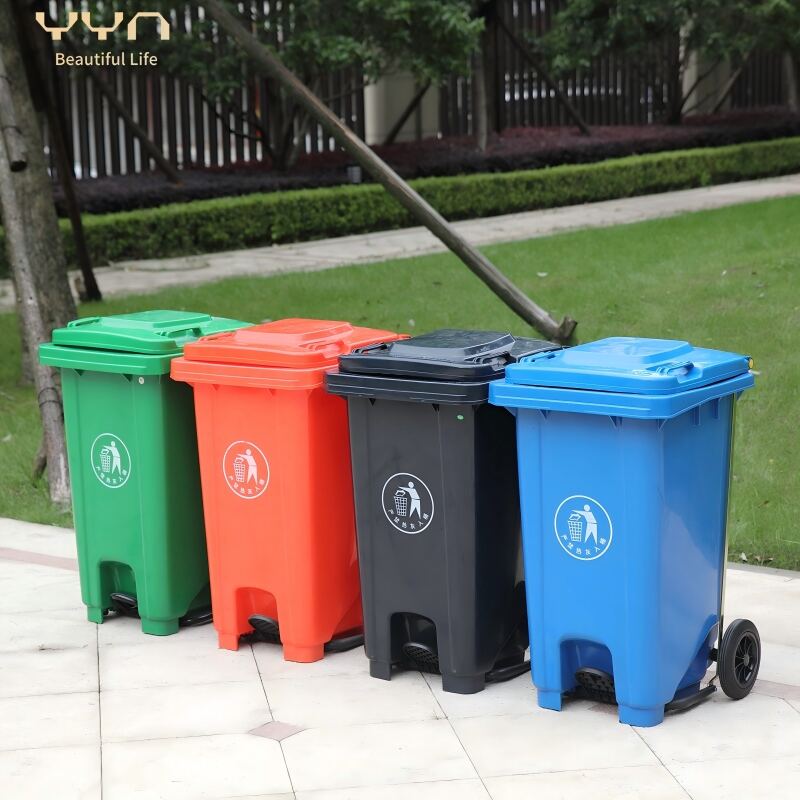
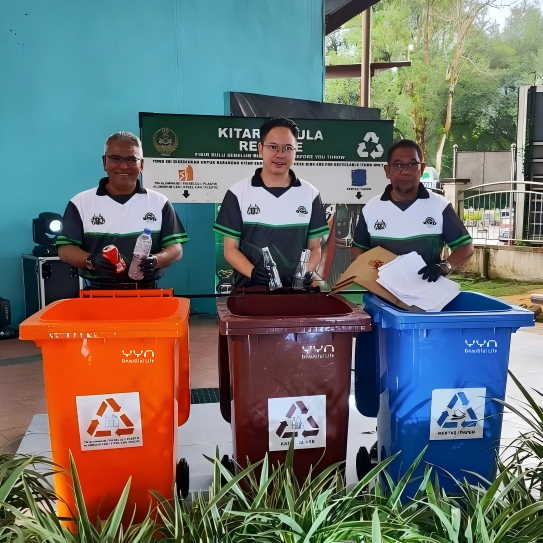
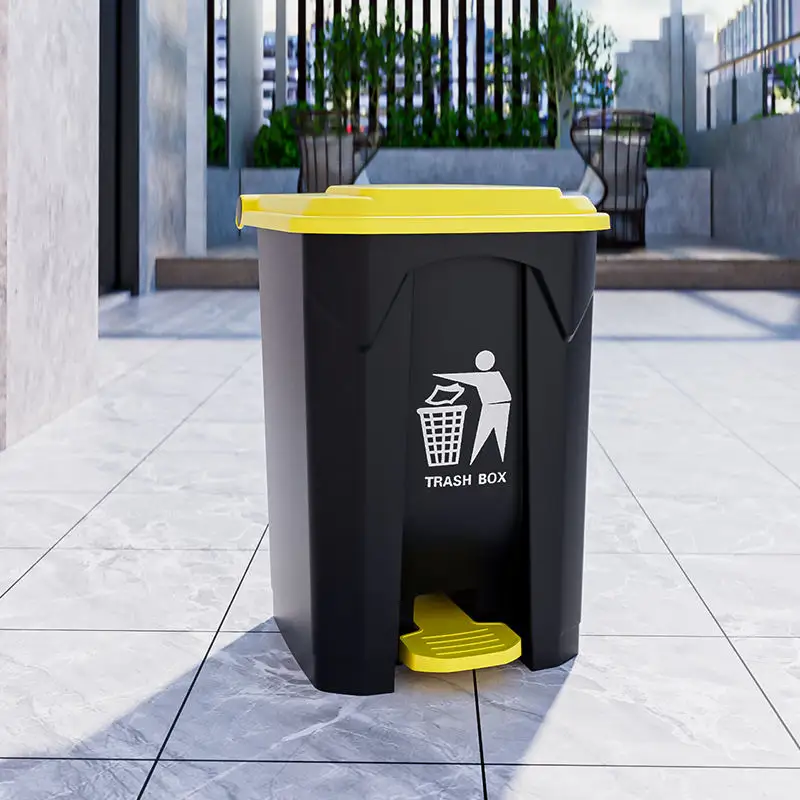
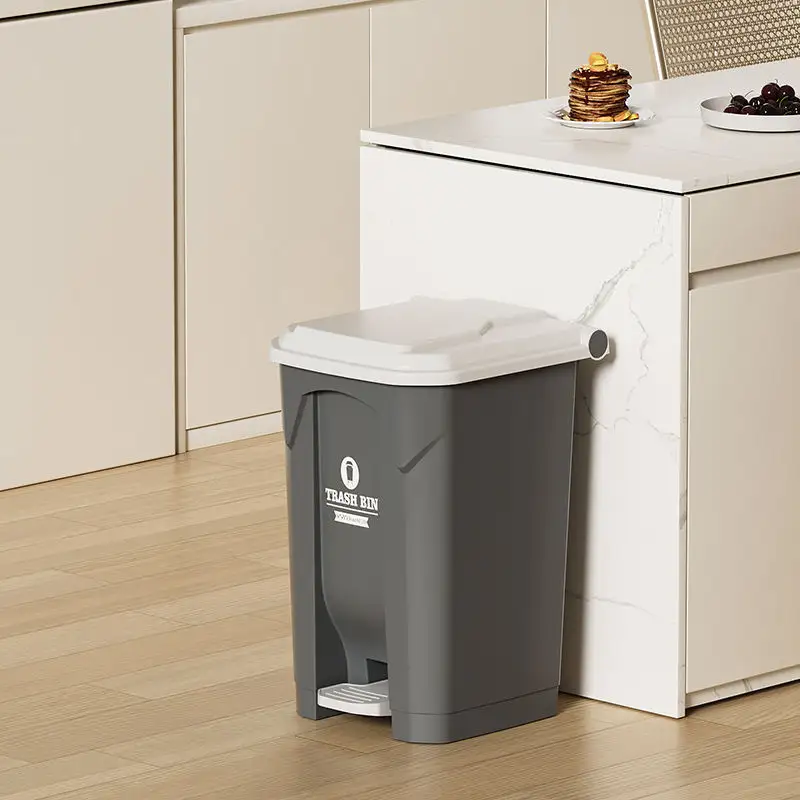
The large wheelie bin represents a revolutionary advancement in waste management solutions, designed to handle substantial volumes of refuse for commercial enterprises, residential complexes, and municipal operations. This robust waste container typically features capacities ranging from 240 to 1100 liters, making it an indispensable tool for organizations and communities that generate significant amounts of waste daily. The large wheelie bin incorporates a sophisticated wheeled base system that enables effortless transportation across various terrains, eliminating the physical strain associated with traditional waste removal methods. Its construction utilizes high-density polyethylene materials that resist UV degradation, chemical corrosion, and extreme temperature fluctuations, ensuring longevity even in demanding outdoor environments. The ergonomic design includes a hinged lid mechanism that provides secure closure while preventing unauthorized access and protecting contents from weather elements and scavenging animals. These containers serve multiple waste stream requirements, accommodating general refuse, recyclable materials, organic waste, and specialized disposal needs across diverse sectors including hospitality, healthcare, education, retail, and industrial facilities. The large wheelie bin integrates seamlessly with automated collection vehicles through standardized lifting mechanisms, streamlining municipal waste collection operations and reducing labor requirements. Advanced models feature color-coding systems, identification markings, and optional locking mechanisms that enhance waste segregation compliance and security protocols. The substantial capacity of these bins reduces collection frequency requirements, optimizing route efficiency for waste management services while minimizing operational costs and environmental impact through reduced vehicle emissions. Whether deployed in busy commercial districts, sprawling residential developments, or expansive industrial parks, the large wheelie bin delivers reliable performance that transforms waste handling from a burdensome task into a streamlined, hygienic, and environmentally responsible process that meets contemporary sustainability standards and regulatory compliance demands.
New Products

Investing in a large wheelie bin delivers immediate and long-term benefits that transform how your organization manages waste while protecting your budget and workforce. The most compelling advantage lies in the dramatic reduction of physical effort required for waste handling operations. Traditional bins demand manual lifting and carrying, exposing workers to repetitive strain injuries and back problems that generate costly compensation claims and productivity losses. The large wheelie bin eliminates these risks through its integrated wheel system, allowing a single person to effortlessly move hundreds of kilograms of waste using simple pushing or pulling motions. This mobility advantage extends across uneven surfaces, inclines, and extended distances, making waste removal practical even in challenging facility layouts. Financial benefits accumulate rapidly through reduced collection frequency requirements. The substantial storage capacity means fewer pickups are necessary compared to smaller containers, directly cutting hauling fees and service charges from waste management contractors. Businesses typically experience 30 to 50 percent reductions in annual waste removal expenses after switching to appropriately sized large wheelie bins. The durability factor cannot be overstated, as quality units deliver 10 to 15 years of reliable service with minimal maintenance requirements. The resilient polyethylene construction withstands impacts, weather extremes, and chemical exposure that would destroy metal containers through rust and corrosion. This longevity translates to superior return on investment compared to replacement cycles required for inferior alternatives. Hygiene improvements protect employee health and enhance your facility's professional appearance. The secure lid design prevents odor escape, pest infiltration, and litter dispersal that create unsanitary conditions and neighborhood complaints. Rainwater exclusion keeps waste dry, preventing the formation of contaminated leachate that complicates disposal and increases environmental risks. The smooth interior surfaces facilitate thorough cleaning when required, maintaining sanitary conditions that meet health department standards. Operational efficiency gains compound across your organization. Standardized large wheelie bins simplify staff training, as employees quickly master the straightforward handling procedures. Color-coding and labeling options support waste segregation programs that improve recycling rates and reduce disposal costs for mixed waste streams. The compatibility with automated collection vehicles accelerates pickup operations, minimizing the time waste trucks occupy loading areas and reducing disruption to your business activities. Environmental responsibility enhances your corporate reputation while supporting sustainability goals. Fewer collection trips mean reduced vehicle emissions and fuel consumption, lowering your carbon footprint. Improved recycling compliance through dedicated large wheelie bins diverts valuable materials from landfills, conserving natural resources and supporting circular economy principles. These combined advantages make the large wheelie bin an essential investment that pays dividends through cost savings, safety improvements, operational efficiency, and environmental stewardship that stakeholders increasingly demand from responsible organizations.

Latest News

Abei Launches New HDPE Trash Bins: More Durable for Outdoor Use

22

Jan

Abei Launches New HDPE Trash Bins: More Durable for Outdoor Use

View More
Abei Partners with Southeast Asian Sanitation Company: Overseas Market Growth

22

Jan

Abei Partners with Southeast Asian Sanitation Company: Overseas Market Growth

View More
Abei’s Taobao Store Reaches 5,000 Followers: C-end Market Expansion

22

Jan

Abei’s Taobao Store Reaches 5,000 Followers: C-end Market Expansion

View More

Get a Free Quote

Our representative will contact you soon.
Email
Mobile/WhatsApp
Name
Company Name
Attachment
Please upload at least an attachment
Up to 3 files, each no larger than 30MB. Supported formats: jpg, jpeg, png, pdf, doc, docx, xls, xlsx, csv, txt, stp, step, igs, x_t, dxf, prt, sldprt, sat, rar, zip.
Message
0/1000

large wheelie bin

Exceptional Durability Engineering for Long-Term Performance

Exceptional Durability Engineering for Long-Term Performance

The construction methodology behind each large wheelie bin reflects decades of materials science advancement and real-world performance testing that ensures exceptional longevity under demanding operational conditions. Manufacturers utilize high-density polyethylene compounds specifically formulated to withstand the punishment that waste containers endure throughout their service lives. This advanced polymer composition resists impact damage that would crack or shatter inferior materials, maintaining structural integrity even when subjected to rough handling during collection operations or accidental collisions with vehicles and equipment. The material selection provides inherent resistance to ultraviolet radiation, preventing the photodegradation that causes conventional plastics to become brittle and fail after prolonged sun exposure. This UV stability ensures that large wheelie bins deployed in outdoor locations maintain their mechanical properties year after year, regardless of climate conditions. Chemical resistance represents another critical durability factor, as waste containers regularly contact acidic liquids, alkaline cleaning agents, petroleum products, and various industrial effluents that would corrode metal bins or degrade lesser plastics. The polyethylene construction demonstrates excellent chemical inertness across a broad spectrum of substances, preventing material breakdown that compromises container integrity. Temperature tolerance extends across extreme ranges, with quality large wheelie bins maintaining flexibility and strength from sub-zero winter conditions to scorching summer heat that exceeds 60 degrees Celsius. This thermal stability prevents cracking in cold weather and warping in high temperatures that affect dimensional accuracy and compatibility with collection equipment. The structural design incorporates reinforcement ribs and thickened stress zones that distribute loads effectively, preventing deformation under the weight of compacted waste or when multiple bins are nested during storage and transportation. Wheel assemblies receive particular engineering attention, featuring robust axles, sealed bearings, and durable tire compounds that support smooth rolling action across thousands of trips without failure. The hinge mechanisms utilize stainless steel pins and reinforced mounting points that endure countless opening and closing cycles without loosening or breaking. This comprehensive durability engineering ensures that your large wheelie bin investment delivers reliable service throughout a lifecycle measured in decades rather than years, eliminating the recurring replacement costs and operational disruptions associated with inferior waste containers that fail prematurely under normal working conditions.
Superior Capacity Management for Operational Efficiency

Superior Capacity Management for Operational Efficiency

The volumetric capacity advantage offered by large wheelie bins fundamentally transforms waste management economics and logistics for organizations generating substantial refuse quantities. These containers provide storage volumes that dwarf traditional bins, with popular models offering 660-liter and 1100-liter capacities that accommodate the waste output from entire departments, building sections, or multi-unit residential complexes. This scaling capability delivers immediate operational benefits by consolidating waste streams into fewer collection points, simplifying logistics and reducing the labor hours required for waste handling activities. Facilities previously requiring a dozen smaller bins can often transition to three or four large wheelie bins, dramatically reducing the time staff spend moving containers for collection and returning them to service positions. The capacity advantage directly impacts collection frequency requirements, as these substantial bins accumulate multiple days of waste before reaching capacity. Organizations frequently reduce pickup schedules from daily to twice-weekly or even weekly intervals, generating significant cost savings through reduced hauling fees while simultaneously decreasing the environmental impact associated with collection vehicle operations. This scheduling flexibility proves particularly valuable for businesses experiencing seasonal fluctuations or periodic high-volume waste generation, as the large wheelie bin capacity provides buffer storage that prevents overflow situations and emergency collection requests. Space efficiency represents an often-overlooked capacity benefit, as consolidating waste storage into fewer large wheelie bins frees valuable floor space and reduces visual clutter compared to arrays of smaller containers. The vertical storage design maximizes volumetric efficiency while maintaining a compact footprint, making these bins suitable for space-constrained urban locations where property costs make efficient space utilization essential. The capacity management advantages extend to specialized waste streams, with dedicated large wheelie bins supporting comprehensive recycling programs by providing adequate storage for paper, cardboard, plastics, metals, and glass materials that accumulate throughout business operations. This segregation capability improves recycling compliance and material quality while reducing contamination that diminishes recyclable value. The substantial capacity also accommodates bulkier waste items that create handling difficulties with smaller containers, accepting packaging materials, equipment components, and dimensional items without requiring size reduction or special handling. Organizations implementing large wheelie bins report simplified waste management workflows, reduced staff complaints about overflowing containers, improved facility cleanliness, and measurable cost reductions that validate the capacity management advantages these containers deliver across diverse operational environments and industry sectors.
Ergonomic Mobility Features Protecting Workforce Health

Ergonomic Mobility Features Protecting Workforce Health

The integrated mobility system distinguishing large wheelie bins from static containers represents a paradigm shift in workplace safety and ergonomic design that protects employee health while enhancing operational productivity. The wheeled base configuration eliminates the manual lifting requirements that generate the majority of waste handling injuries, transforming a high-risk activity into a low-effort task that workers of varying physical capabilities can perform safely. The engineering behind this mobility advantage incorporates carefully selected wheel diameters, axle positioning, and handle ergonomics that optimize the mechanical advantage available to operators. Larger diameter wheels reduce rolling resistance and navigate obstacles more effectively than smaller alternatives, enabling smooth movement across common surface irregularities including expansion joints, utility covers, and grade transitions that impede bins with inadequate wheel sizing. The axle placement achieves optimal weight distribution that balances stability during stationary positioning with maneuverability during transport, preventing the tipping hazards associated with high center-of-gravity designs. Handle configurations receive extensive ergonomic consideration, featuring contoured grips positioned at heights that allow operators to apply force through natural body mechanics rather than awkward postures that strain joints and muscles. Many large wheelie bin designs incorporate dual-side handles that accommodate different operator heights and approach angles, ensuring comfortable handling regardless of individual anthropometric variations. The mobility advantage proves particularly valuable across extended transport distances common in large facilities, campus environments, and multi-building complexes where waste must travel considerable distances from generation points to collection areas. Traditional bins require multiple workers or mechanical assistance to cover such distances, while a large wheelie bin allows a single person to efficiently transport substantial waste loads without fatigue or injury risk. This solo operation capability reduces labor costs while providing scheduling flexibility that accommodates varying staffing levels. The wheel system maintains functionality across diverse surface types including asphalt, concrete, gravel, and compacted earth, ensuring consistent mobility performance in outdoor storage yards, parking areas, and service corridors. Specialized wheel compounds resist flat-spotting during prolonged stationary periods while providing adequate grip to prevent uncontrolled rolling on inclined surfaces. The mobility features contribute to improved workplace safety culture by demonstrating organizational commitment to ergonomic principles and injury prevention, boosting employee morale and reducing the compensation costs and productivity losses associated with musculoskeletal disorders that plague organizations relying on manual waste handling methods.

Get a Free Quote

Our representative will contact you soon.
Email
Mobile/WhatsApp
Name
Company Name
Attachment
Please upload at least an attachment
Up to 3 files, each no larger than 30MB. Supported formats: jpg, jpeg, png, pdf, doc, docx, xls, xlsx, csv, txt, stp, step, igs, x_t, dxf, prt, sldprt, sat, rar, zip.
Message
0/1000