Versatile Capacity Options for Diverse Waste Management Needs
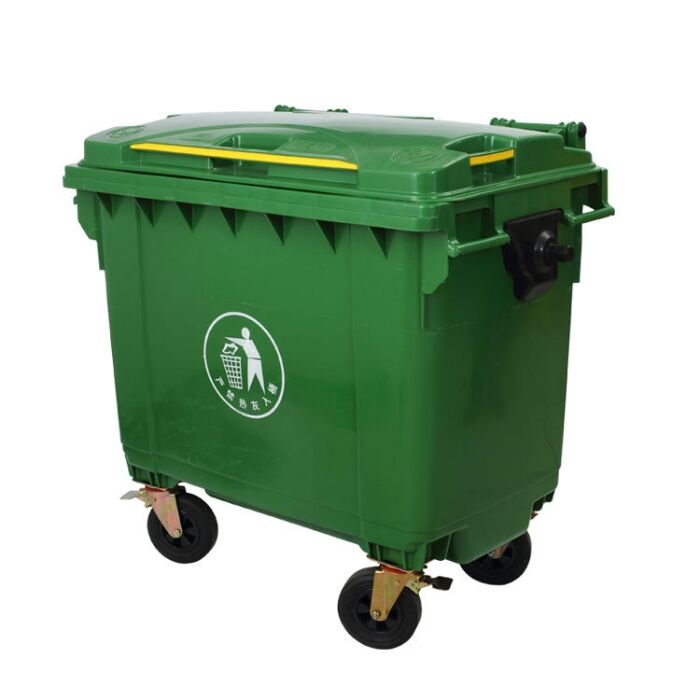
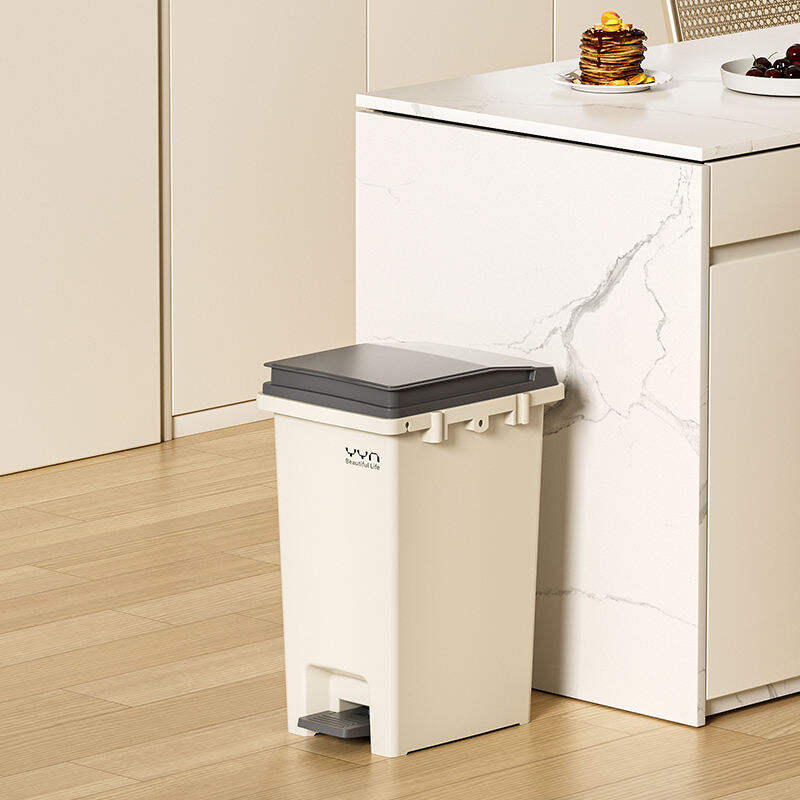
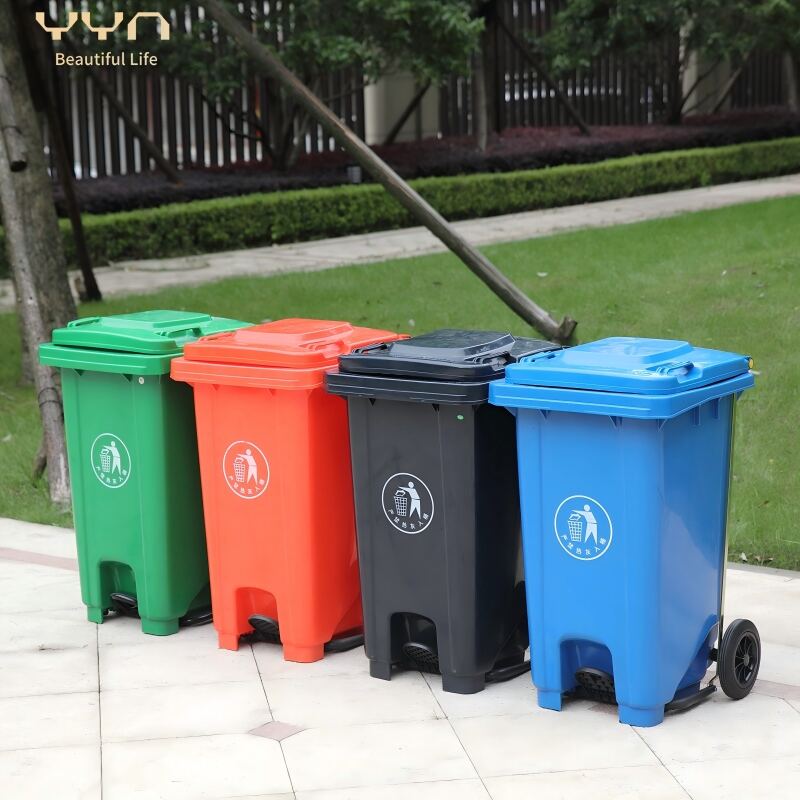
The extensive range of capacity options available in large plastic garbage cans addresses the diverse waste generation patterns found across different environments and applications. This versatility ensures that organizations can select containers perfectly sized for their specific requirements, optimizing both space utilization and collection efficiency. Understanding capacity needs prevents the false economy of purchasing undersized containers that require frequent emptying, wasting labor resources, or oversized bins that occupy excessive space and may not fill completely between collection cycles. Large plastic garbage cans typically begin at 32-gallon capacity, suitable for moderate waste generation in small commercial settings, office breakrooms, or residential applications where multiple families share collection services. These mid-range sizes provide sufficient volume for daily accumulation while remaining manageable for manual handling when necessary. The 44-gallon to 55-gallon range represents the most popular category, striking an ideal balance between capacity and manageability for typical commercial and municipal applications. Restaurants, retail stores, schools, and curbside residential collection programs frequently standardize on these sizes because they accommodate normal daily waste generation without becoming excessively heavy when full. The 64-gallon and 96-gallon capacities serve high-volume environments where waste accumulates rapidly, such as busy commercial kitchens, large apartment complexes, manufacturing facilities, and institutional settings. These substantial containers reduce collection frequency requirements, lowering operational costs in settings where waste generation justifies their size. The ability to match container capacity to actual needs provides significant economic and practical benefits. Properly sized large plastic garbage cans optimize collection route efficiency, as trucks can service appropriate numbers of locations within scheduled timeframes without excessive stops or premature load capacity limits. This efficiency reduces fuel consumption and vehicle wear while minimizing the carbon footprint of collection operations. Space planning becomes more effective when containers fit appropriately within designated storage areas, whether in outdoor enclosures, building service areas, or curbside placements. Oversized containers waste valuable real estate and may violate spacing regulations, while undersized bins create overflow situations that compromise sanitation and aesthetics. The capacity versatility of large plastic garbage cans also supports effective waste segregation programs essential for recycling and sustainability initiatives. Organizations can deploy different sized containers for various waste streams based on generation rates, using larger bins for general refuse while smaller containers handle recyclables or compostables that accumulate more slowly. This tailored approach improves sorting accuracy and supports environmental goals by making proper waste separation convenient and practical for users throughout the facility.


 EN
EN