Plastic Waste Bin Factory - Professional Manufacturing Solutions for Durable Waste Containers

plastic waste bin factory

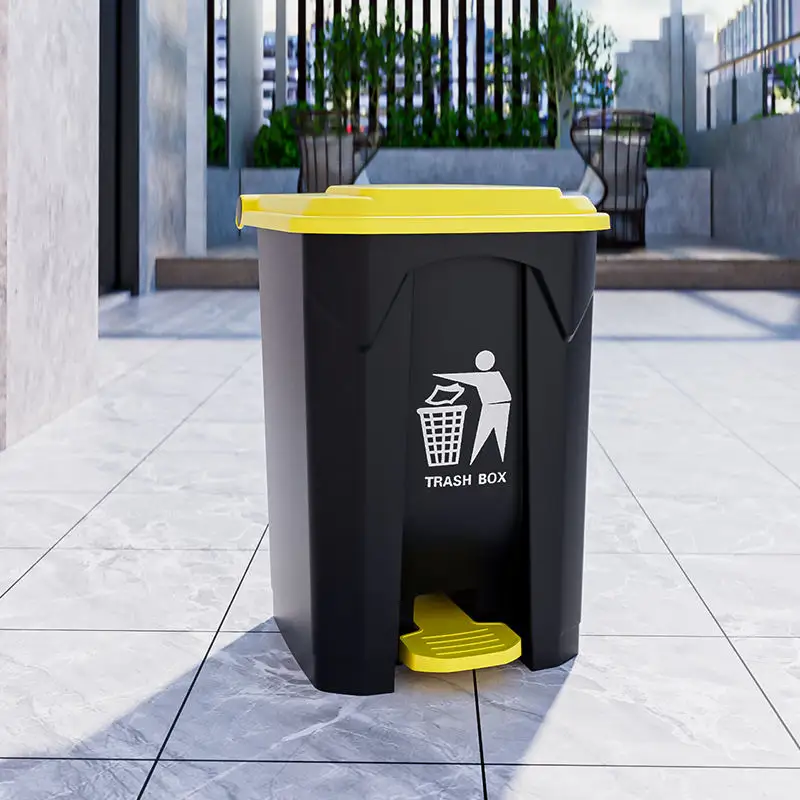
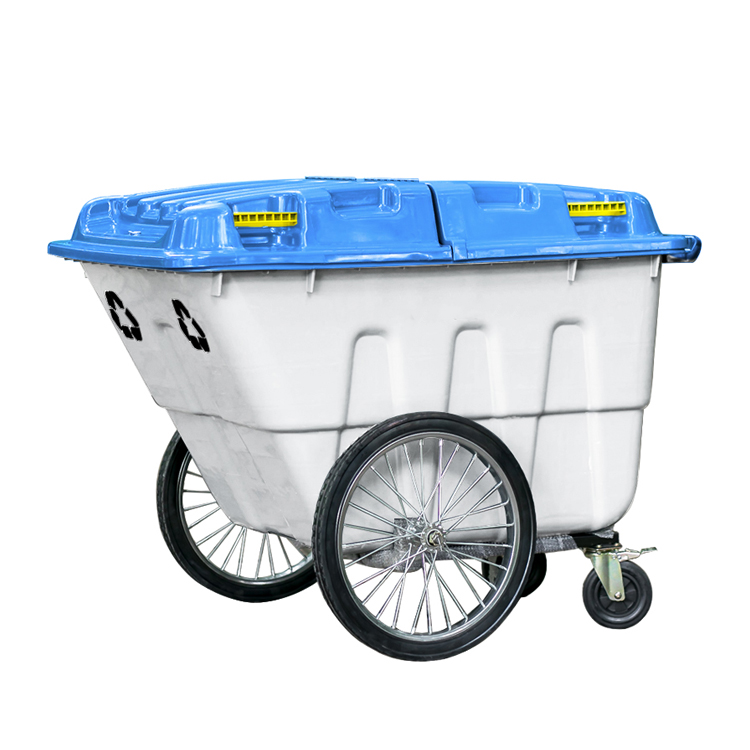
A plastic waste bin factory represents a specialized manufacturing facility dedicated to producing durable, functional, and environmentally conscious waste collection containers for residential, commercial, and industrial applications. These modern production plants combine advanced injection molding technology, precision engineering, and quality control systems to create bins that meet international standards while addressing the growing global need for effective waste management solutions. The primary functions of a plastic waste bin factory encompass the entire production cycle, from raw material processing and color compounding to molding, assembly, quality inspection, and packaging. These facilities process high-density polyethylene, polypropylene, and recycled plastic materials through industrial-grade injection molding machines that operate under precise temperature and pressure controls. The technological features distinguishing contemporary manufacturing plants include computer-aided design systems that optimize bin structure for strength and weight efficiency, automated robotic arms for consistent production output, multi-cavity mold technology enabling simultaneous creation of multiple units, and integrated quality assurance protocols that test impact resistance, load capacity, and weather durability. Many factories now incorporate recycled plastic content into their production processes, supporting circular economy principles while maintaining product integrity. Applications for products manufactured at these facilities span numerous sectors including municipal waste collection programs, healthcare facilities requiring specialized medical waste containers, hospitality industries needing attractive yet functional receptacles, educational institutions managing high-volume waste streams, and residential developments seeking coordinated waste management systems. The plastic waste bin factory serves as a critical infrastructure component in modern sanitation ecosystems, producing containers in various sizes ranging from compact desktop bins to large wheeled containers exceeding 1000-liter capacity, each designed with specific features such as pedal mechanisms, lockable lids, drainage holes, and compatibility with automated collection vehicles that define contemporary urban waste management operations.

New Product Releases

Choosing to work with an established plastic waste bin factory delivers numerous practical benefits that directly impact your operational efficiency and budget management. First and foremost, these specialized manufacturers offer economies of scale that translate into competitive pricing structures, allowing bulk purchasers to acquire high-quality waste containers at significantly lower per-unit costs compared to retail channels. The direct relationship with production facilities eliminates intermediary markups while providing access to customization options that meet your specific requirements, whether you need particular color coding for waste segregation programs, custom logo printing for brand visibility, or modified dimensions to fit unique spaces. Production consistency stands as another major advantage, as factories maintain strict quality control throughout manufacturing processes, ensuring every bin meets specified durability standards and performs reliably across extended service periods. This consistency reduces replacement frequency and minimizes long-term costs associated with premature product failure. Furthermore, plastic waste bin factory partnerships provide supply chain reliability, with established manufacturers maintaining adequate production capacity and inventory management systems that guarantee timely delivery even for large-volume orders, preventing disruptions to your waste management operations. The technical expertise available at these facilities proves invaluable when selecting appropriate products, as factory representatives understand material properties, structural engineering principles, and application-specific requirements that help match products to intended uses. Environmental responsibility represents an increasingly important advantage, with many factories now incorporating recycled content into their production processes, allowing customers to meet sustainability goals while acquiring necessary equipment. This commitment to environmental stewardship extends to manufacturing practices, with modern facilities implementing energy-efficient production methods and waste reduction protocols. Product durability deserves special emphasis, as factory-manufactured bins undergo rigorous testing including UV resistance evaluation, impact strength assessment, and temperature tolerance verification, ensuring containers withstand harsh outdoor conditions, rough handling during collection, and extended exposure to various weather patterns. The warranty support and after-sales service provided by reputable factories add further value, offering protection against manufacturing defects and providing replacement parts when needed. Additionally, working directly with a plastic waste bin factory enables access to emerging innovations in waste container design, including smart bins with fill-level sensors, containers with improved ergonomic features, and specialized units designed for particular waste streams such as organic composting or hazardous material collection, keeping your waste management infrastructure aligned with evolving best practices and regulatory requirements.

Tips And Tricks

Abei Launches New HDPE Trash Bins: More Durable for Outdoor Use

22

Jan

Abei Launches New HDPE Trash Bins: More Durable for Outdoor Use

View More
Abei Partners with Southeast Asian Sanitation Company: Overseas Market Growth

22

Jan

Abei Partners with Southeast Asian Sanitation Company: Overseas Market Growth

View More
Abei’s Taobao Store Reaches 5,000 Followers: C-end Market Expansion

22

Jan

Abei’s Taobao Store Reaches 5,000 Followers: C-end Market Expansion

View More

Get a Free Quote

Our representative will contact you soon.
Email
Mobile/WhatsApp
Name
Company Name
Attachment
Please upload at least an attachment
Up to 3 files, each no larger than 30MB. Supported formats: jpg, jpeg, png, pdf, doc, docx, xls, xlsx, csv, txt, stp, step, igs, x_t, dxf, prt, sldprt, sat, rar, zip.
Message
0/1000

plastic waste bin factory

Advanced Manufacturing Capabilities and Production Excellence

Advanced Manufacturing Capabilities and Production Excellence

The technological sophistication found within a modern plastic waste bin factory sets these facilities apart as leaders in precision manufacturing and quality output. These production environments utilize state-of-the-art injection molding equipment capable of handling various thermoplastic materials with exacting temperature control, typically operating within tolerances of plus or minus two degrees Celsius to ensure consistent material flow and optimal molecular bonding. The injection molding process itself represents a marvel of engineering efficiency, where plastic pellets are heated to precise liquification points, injected under controlled pressure into precision-machined steel molds, cooled through calibrated water circulation systems, and ejected as finished products ready for secondary operations. Multi-cavity mold technology employed by advanced factories enables simultaneous production of multiple bins per cycle, dramatically increasing output while maintaining individual unit quality, with some facilities operating molds containing eight or more cavities that produce complete bins every few minutes. This production velocity, combined with automated material handling systems that feed raw materials to hoppers and robotic arms that remove finished products, creates manufacturing efficiency that translates directly into cost advantages for customers. The mold design process itself involves sophisticated computer-aided engineering that analyzes stress distribution, wall thickness optimization, and structural reinforcement placement to create bins that maximize strength while minimizing material usage, resulting in products that are both economical and durable. Quality assurance protocols integrated throughout production processes include real-time monitoring of injection pressures, mold temperatures, and cycle times, with automated systems flagging deviations from specified parameters before defective products can proceed through production lines. Post-production testing conducted at reputable plastic waste bin factory locations includes drop tests simulating rough handling, load capacity verification ensuring bins support specified weights without deformation, and UV exposure testing that validates color stability and material integrity under prolonged sunlight exposure. The material science expertise concentrated at these facilities enables informed selection of polymer compositions, additives, and colorants that optimize performance characteristics for specific applications, whether prioritizing impact resistance for commercial settings, chemical resistance for industrial environments, or aesthetic appeal for hospitality applications. Environmental considerations have driven many factories to develop closed-loop manufacturing systems that capture production scrap, regrind rejected units, and reintroduce recycled material into production streams, minimizing waste while demonstrating commitment to sustainable manufacturing practices that resonate with environmentally conscious customers seeking responsible suppliers.
Comprehensive Customization Options and Design Flexibility

Comprehensive Customization Options and Design Flexibility

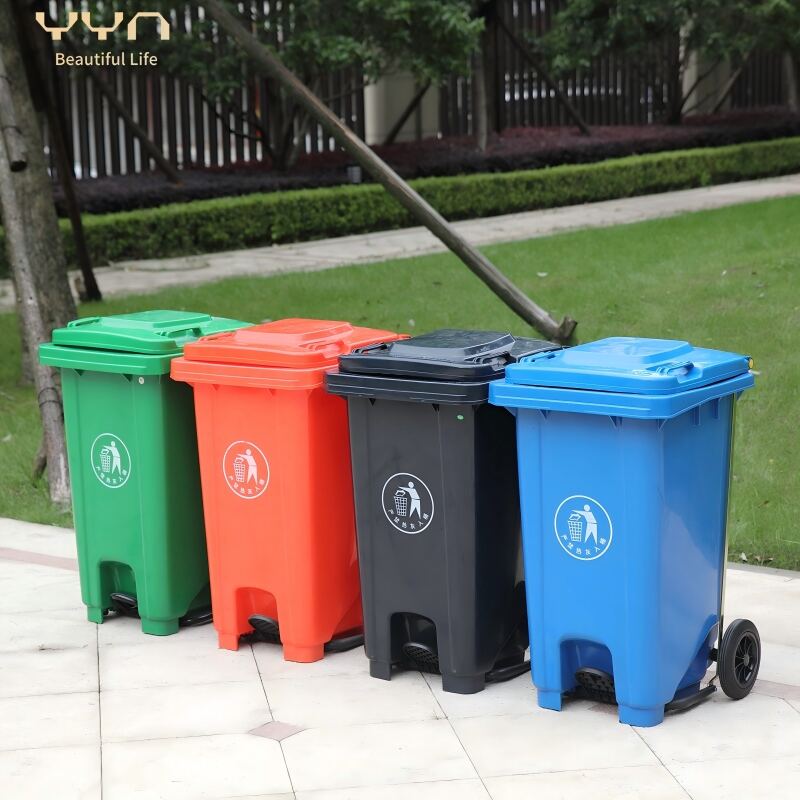
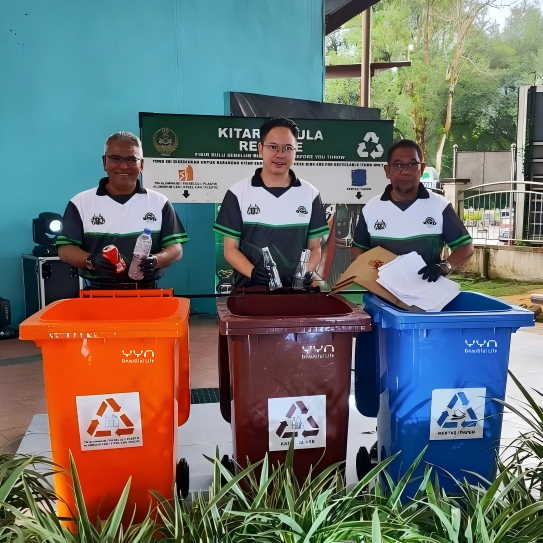
One of the most compelling reasons to partner directly with a plastic waste bin factory involves the extensive customization capabilities these manufacturers offer, enabling clients to obtain waste containers precisely tailored to their operational requirements, aesthetic preferences, and functional specifications. Unlike off-the-shelf retail options that force compromise between available features and actual needs, factory-direct relationships unlock design flexibility that addresses unique challenges faced by different organizations and applications. Color customization stands as the most frequently requested modification, allowing clients to implement comprehensive color-coding systems that facilitate waste segregation programs, with factories capable of producing bins in virtually any shade through custom color compounding that matches specific Pantone references or brand guidelines. This color precision proves particularly valuable for organizations implementing sophisticated recycling programs where visual differentiation between waste streams prevents contamination and improves sorting accuracy. Beyond color selection, structural modifications represent another dimension of customization, with factories able to alter standard designs to accommodate specific spatial constraints, integrate specialized features, or reinforce particular areas subject to unusual stress in specific applications. Logo printing and branding applications available through factory services enable organizations to maintain visual identity across their waste management infrastructure, with options ranging from simple screen printing for basic identification to full-color digital printing for detailed graphics, permanent hot-stamp branding for premium appearance, or molded-in lettering for maximum durability. The plastic waste bin factory environment supports prototype development for clients requiring entirely unique designs, with engineering teams capable of translating conceptual sketches into functional products through iterative design processes that include computer modeling, prototype production, field testing, and refinement based on real-world performance feedback. Hardware and accessory integration represents another customization dimension, with factories able to incorporate specialized lid mechanisms, locking systems for security-sensitive environments, wheel configurations optimized for specific terrain conditions, or mounting brackets enabling wall attachment or vehicle integration. Size variations extend beyond standard catalog offerings when working directly with manufacturers, as production facilities can modify mold configurations to create intermediate capacities that perfectly match available spaces or specific volume requirements that standard sizes cannot address. Material selection itself becomes customizable through factory relationships, with manufacturers able to adjust virgin-to-recycled content ratios based on client sustainability goals, incorporate specialized additives for enhanced UV resistance in extreme climates, or utilize premium-grade polymers for applications demanding maximum durability and longevity. The consultation process accompanying customization services provides additional value, as factory technical teams bring extensive application knowledge and material science expertise to specification discussions, often identifying optimization opportunities or potential issues that clients might overlook, ultimately delivering superior products that perform better and last longer than generic alternatives.
Sustainable Manufacturing Practices and Environmental Stewardship

Sustainable Manufacturing Practices and Environmental Stewardship

Environmental responsibility has emerged as a defining characteristic of progressive plastic waste bin factory operations, with leading manufacturers implementing comprehensive sustainability initiatives that address material sourcing, production processes, energy consumption, and end-of-life considerations. The incorporation of post-consumer recycled plastic content into production streams represents perhaps the most visible environmental commitment, with many factories now formulating products containing twenty to one hundred percent recycled materials sourced from collected household plastics, industrial scrap, and recovered ocean plastics. This recycled content integration supports circular economy principles by creating demand for collected plastic waste, effectively transforming environmental problems into valuable manufacturing inputs while reducing dependency on virgin petroleum-based polymers. The technical challenges involved in recycled material utilization should not be underestimated, as factories must implement sophisticated sorting, cleaning, and reprocessing systems that remove contaminants, separate polymer types, and restore material properties to levels suitable for demanding applications like waste containers that must withstand years of outdoor exposure and rough handling. Quality control becomes even more critical when incorporating recycled content, requiring enhanced testing protocols that verify recycled-content bins meet the same performance standards as virgin-material equivalents, ensuring customers receive products with comparable durability and service life regardless of material composition. Energy efficiency initiatives implemented at environmentally conscious plastic waste bin factory locations include installation of variable-frequency drive motors that optimize electricity consumption based on actual production demands, heat recovery systems that capture waste thermal energy from cooling processes and redirect it for facility heating or material preheating, and LED lighting retrofits that dramatically reduce electrical consumption in production and warehouse areas. Water conservation measures address the substantial volumes required for mold cooling, with closed-loop circulation systems that continuously recycle cooling water rather than relying on once-through consumption, and advanced filtration maintaining water quality while minimizing treatment chemical requirements. Waste reduction strategies extend beyond recycled content utilization to encompass comprehensive scrap management programs where production waste, rejected units, and dimensional trim are immediately reground and reintroduced into manufacturing processes rather than being discarded, with some factories achieving near-zero manufacturing waste through these systematic reclamation practices. The long-term durability engineered into factory-produced bins itself constitutes an environmental benefit, as properly manufactured containers withstand decades of service without requiring replacement, dramatically reducing the per-year environmental impact compared to cheaper alternatives that fail prematurely and require frequent replacement. Transportation efficiency considerations influence factory operations as well, with optimized packaging designs that maximize shipping density, reducing the number of trucks required for delivery and thereby lowering associated carbon emissions, while strategic facility locations minimize distances between manufacturing sites and major customer concentrations. Several forward-thinking factories have begun exploring bio-based plastic alternatives derived from renewable resources like sugarcane or corn starch, developing next-generation materials that maintain necessary performance characteristics while offering improved end-of-life biodegradation potential compared to conventional petroleum-based plastics.

Get a Free Quote

Our representative will contact you soon.
Email
Mobile/WhatsApp
Name
Company Name
Attachment
Please upload at least an attachment
Up to 3 files, each no larger than 30MB. Supported formats: jpg, jpeg, png, pdf, doc, docx, xls, xlsx, csv, txt, stp, step, igs, x_t, dxf, prt, sldprt, sat, rar, zip.
Message
0/1000