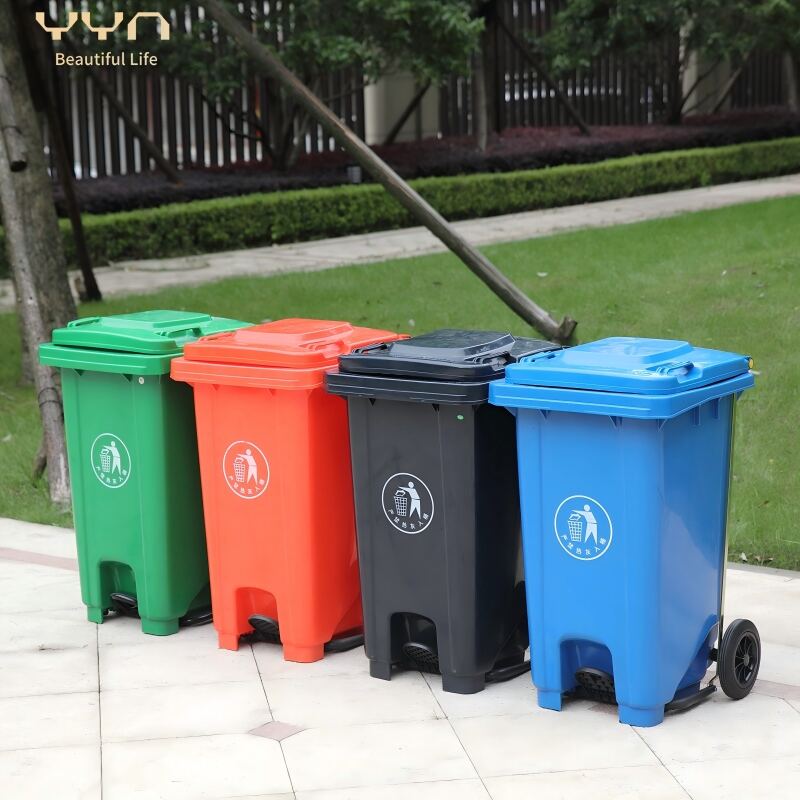
Industrial Dumpster Solutions: Heavy-Duty Waste Management for Commercial and Industrial Applications

industrial dumpster

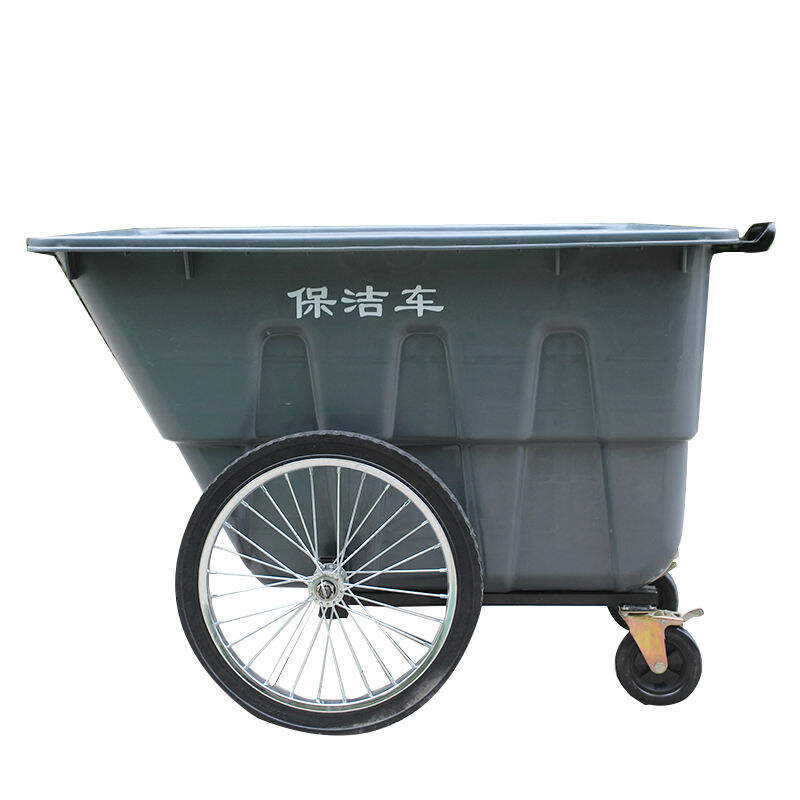
An industrial dumpster represents a critical waste management solution designed specifically for commercial, manufacturing, and construction environments where substantial volumes of refuse require efficient handling. These robust containers serve as centralized collection points for various types of waste materials, streamlining disposal processes and maintaining organized work sites. The primary functions of an industrial dumpster include temporary storage of large quantities of debris, protection of waste from environmental elements, facilitation of scheduled pickup services, and compliance with local waste management regulations. Modern industrial dumpsters incorporate advanced technological features such as reinforced steel construction with corrosion-resistant coatings, heavy-duty wheels or rollers for mobility, secure locking mechanisms to prevent unauthorized access, and innovative drainage systems to manage liquid waste. Many models feature sloped designs that maximize internal capacity while maintaining manageable external dimensions. The construction typically involves thick-gauge steel walls capable of withstanding impacts from heavy materials and harsh weather conditions. Specialized coating technologies protect against rust and chemical damage, extending the operational lifespan significantly. Applications for industrial dumpsters span numerous sectors including manufacturing facilities generating scrap materials, construction sites producing demolition debris, retail centers managing cardboard and packaging waste, hospitality venues handling food service refuse, medical facilities disposing of non-hazardous materials, and warehouses eliminating damaged inventory. The versatility of these containers allows businesses to select appropriate sizes ranging from compact units for limited spaces to massive roll-off containers for major projects. Integration with waste management services enables scheduled pickups that align with production cycles, preventing overflow situations and maintaining workplace safety standards. The strategic placement of industrial dumpsters optimizes workflow efficiency by reducing the distance workers must travel to dispose of materials, thereby improving productivity and reducing labor costs associated with waste handling activities.

New Product Recommendations

Implementing an industrial dumpster at your facility delivers immediate cost savings by consolidating waste removal expenses into predictable, scheduled service fees rather than sporadic emergency pickups that command premium pricing. Businesses experience enhanced operational efficiency as employees spend less time managing trash and more time focusing on productive tasks that generate revenue. The centralized collection point eliminates scattered waste piles that create hazards and consume valuable floor space, transforming chaotic work environments into organized, professional settings. Safety improvements constitute another significant advantage, as proper containment reduces injury risks associated with loose debris, sharp materials, and tripping hazards that commonly plague facilities without adequate waste infrastructure. An industrial dumpster protects your workforce by keeping dangerous materials securely contained until professional removal services arrive. Environmental responsibility becomes easier to demonstrate when your operation utilizes proper waste containment systems that prevent contamination of surrounding areas through windblown litter or leaking materials. Many waste management providers offer recycling services through dedicated industrial dumpsters, enabling your business to divert reusable materials from landfills while potentially reducing disposal costs and earning sustainability credentials valued by customers and regulatory agencies. The durability of these containers means minimal maintenance requirements and years of reliable service, avoiding the frequent replacements necessary with lighter-duty alternatives. Weather resistance ensures your waste remains contained during storms, preventing cleanup headaches and potential fines for environmental violations. The mobility features built into many industrial dumpsters allow repositioning as project needs evolve, providing flexibility that fixed waste systems cannot match. Compliance with local regulations becomes straightforward when utilizing appropriately sized and maintained industrial dumpsters, as these systems typically meet or exceed municipal requirements for commercial waste storage. The professional appearance of well-maintained waste containers enhances your business image, signaling to clients and partners that your operation values cleanliness and proper management practices. Odor control improves dramatically when waste stays contained in closed dumpsters rather than exposed bins, creating more pleasant working conditions for employees and better impressions for visitors. Pest prevention represents another practical benefit, as secured industrial dumpsters deny access to rodents and insects that plague open waste areas, reducing health risks and extermination expenses. The scalability of industrial dumpster solutions means your waste management capacity can grow alongside your business, with providers offering larger units or additional containers as production volumes increase without requiring infrastructure investments.

Tips And Tricks

Abei Launches New HDPE Trash Bins: More Durable for Outdoor Use

22

Jan

Abei Launches New HDPE Trash Bins: More Durable for Outdoor Use

View More
Abei Partners with Southeast Asian Sanitation Company: Overseas Market Growth

22

Jan

Abei Partners with Southeast Asian Sanitation Company: Overseas Market Growth

View More
Abei’s Taobao Store Reaches 5,000 Followers: C-end Market Expansion

22

Jan

Abei’s Taobao Store Reaches 5,000 Followers: C-end Market Expansion

View More

Get a Free Quote

Our representative will contact you soon.
Email
Mobile/WhatsApp
Name
Company Name
Attachment
Please upload at least an attachment
Up to 3 files, each no larger than 30MB. Supported formats: jpg, jpeg, png, pdf, doc, docx, xls, xlsx, csv, txt, stp, step, igs, x_t, dxf, prt, sldprt, sat, rar, zip.
Message
0/1000

industrial dumpster

Exceptional Durability and Weather-Resistant Construction

Exceptional Durability and Weather-Resistant Construction

The structural integrity of an industrial dumpster sets it apart from consumer-grade waste containers through engineering specifications designed for demanding commercial environments. Manufacturers construct these units using heavy-gauge steel, typically ranging from 12 to 14 gauge thickness, creating walls capable of withstanding impacts from forklifts, falling materials, and constant loading cycles that would quickly destroy lighter alternatives. This robust construction translates directly into lower total cost of ownership, as businesses avoid frequent replacements and repair expenses that plague facilities using inadequate equipment. The steel composition undergoes specialized treatment processes including hot-dip galvanization or powder coating applications that create protective barriers against moisture, chemicals, and corrosive substances commonly found in industrial waste streams. These protective layers prevent rust formation even in coastal environments or facilities handling acidic materials, ensuring decades of reliable service rather than months of functionality. The weather-resistant properties prove particularly valuable for outdoor installations where containers face constant exposure to rain, snow, and temperature extremes that accelerate deterioration in unprotected metals. Industrial dumpsters feature welded seam construction rather than bolted assemblies, eliminating weak points where structural failures typically originate and preventing leaks that create environmental hazards and regulatory violations. Reinforced corners and edges absorb impact forces that concentrate at these vulnerable areas, distributing stress across the entire structure and preventing deformation that compromises capacity and appearance. The base construction incorporates additional strengthening to support extreme weight loads without buckling, allowing safe storage of dense materials like concrete, metal scrap, and machinery components. Many industrial dumpsters include integrated fork pockets or lifting eyes engineered to precise specifications, enabling safe movement with standard material handling equipment while maintaining structural integrity throughout the lifting process. The lid systems utilize heavy-duty hinges with corrosion-resistant hardware that maintains smooth operation through thousands of opening cycles, ensuring long-term functionality rather than requiring frequent hardware replacements. Advanced drainage systems prevent water accumulation that adds unnecessary weight, promotes bacterial growth, and creates slip hazards during emptying operations, with strategically positioned ports allowing complete liquid evacuation. This comprehensive approach to durability and weather resistance ensures that investing in an industrial dumpster provides reliable waste management infrastructure that supports business operations through changing conditions and evolving requirements.
Optimized Capacity and Space-Efficient Design

Optimized Capacity and Space-Efficient Design

The capacity optimization engineered into industrial dumpsters reflects sophisticated understanding of spatial economics and waste management efficiency that directly impacts operational costs and site organization. These containers utilize volumetric design principles that maximize internal storage space while maintaining external dimensions suitable for facility constraints, achieving storage densities that dramatically outperform makeshift solutions cobbled together from multiple smaller bins. The sloped wall configurations incorporated into many industrial dumpster models serve multiple purposes beyond aesthetic considerations, creating interior geometries that facilitate complete emptying during pickup services while allowing gravity-assisted material settling that increases effective capacity as contents compact naturally. This intelligent design prevents the common frustration of residual materials clinging to vertical walls, reducing contamination between loads and eliminating waste that undermines recycling efforts when switching between material types. The height specifications balance accessibility for manual loading against capacity objectives, with rim heights positioned to allow comfortable disposal by workers while preventing overfilling that creates safety hazards and service complications. Industrial dumpsters designed for mechanized loading feature compatible dimensions that align with standard equipment interfaces, ensuring efficient transfer operations that minimize cycle times and labor requirements. The footprint efficiency becomes particularly valuable in urban facilities or crowded job sites where every square foot carries premium value, as properly sized industrial dumpsters consolidate waste management into minimal ground area compared to sprawling accumulations of inadequate containers. Strategic placement near production areas or waste generation points reduces transportation distances for disposal activities, cutting labor costs while improving workplace organization and reducing equipment damage from material handling. The capacity specifications available in industrial dumpster product lines span enormous ranges, from compact units holding two cubic yards suitable for small shops to massive forty-yard roll-off containers serving major construction projects or manufacturing operations. This variety enables precise matching between waste generation rates and container capacity, preventing both overflow situations that create hazards and compliance issues, and excessive capacity that wastes money on unused volume. Many industrial dumpsters incorporate capacity indicators or fill lines that provide visual guidance for optimal loading, preventing overweight situations that trigger service surcharges while ensuring maximum utilization of available space. The modular nature of industrial dumpster solutions allows businesses to deploy multiple units when single containers prove insufficient, creating distributed waste management networks that serve sprawling facilities more effectively than attempting to funnel all materials to a single distant location. This flexibility supports dynamic operations where waste generation fluctuates seasonally or by project phase, enabling capacity adjustments through temporary container additions rather than permanent infrastructure investments.
Enhanced Safety Features and Regulatory Compliance

Enhanced Safety Features and Regulatory Compliance

The safety engineering integrated throughout industrial dumpster designs addresses hazard prevention at multiple levels, protecting workers, visitors, and the surrounding community while satisfying increasingly stringent regulatory requirements that govern commercial waste management. Secure locking mechanisms represent the first line of defense, utilizing heavy-duty padlock hasps, integrated cylinder locks, or gravity-operated latches that prevent unauthorized access by vandals, scavengers, or curious children who might otherwise encounter dangerous materials or become trapped inside containers. These security features also protect businesses from liability exposure associated with improper disposal by unauthorized parties, preventing situations where your container becomes a repository for hazardous materials that trigger expensive remediation requirements and potential legal consequences. The lid systems incorporate controlled-descent mechanisms or counterbalance designs that prevent sudden closure events capable of causing serious injuries to workers loading materials, addressing a common hazard where wind gusts or gravity slam heavy steel lids onto hands, arms, or heads. Many industrial dumpsters feature partially open lid positions that secure at specific angles, allowing continuous access during active loading periods while preventing full closure that would require repeated lifting of heavy covers. Reflective markings or high-visibility color schemes ensure containers remain conspicuous in busy work environments, preventing vehicle collisions with stationary dumpsters that could injure operators, damage equipment, and breach container integrity leading to spill incidents. The wheel and caster assemblies found on mobile industrial dumpsters include locking mechanisms that prevent unintended movement on sloped surfaces, eliminating runaway container incidents that pose severe crushing hazards and property damage risks. Smooth interior surfaces without protruding hardware or sharp edges reduce laceration risks during manual loading activities, while rounded exterior corners prevent injuries when workers navigate around containers in confined spaces. The regulatory compliance advantages of using properly specified industrial dumpsters extend across multiple jurisdictions and regulatory frameworks, as these containers typically satisfy local fire codes regarding combustible material storage, environmental regulations controlling waste containment and leakage prevention, and occupational safety standards addressing workplace hazard mitigation. Documentation provided by reputable manufacturers includes load capacity specifications, material safety data, and compliance certifications that support your facility's safety program and satisfy inspector requirements during regulatory audits. The permanent identification markings molded or welded into industrial dumpsters create clear accountability chains for waste tracking purposes, supporting compliance with regulations governing specific waste streams like construction debris, industrial byproducts, or recyclable materials requiring documentation. Proper industrial dumpster utilization demonstrates due diligence in waste management practices, providing legal protection when environmental incidents occur by showing good-faith efforts to contain and properly dispose of materials according to applicable standards.

Get a Free Quote

Our representative will contact you soon.
Email
Mobile/WhatsApp
Name
Company Name
Attachment
Please upload at least an attachment
Up to 3 files, each no larger than 30MB. Supported formats: jpg, jpeg, png, pdf, doc, docx, xls, xlsx, csv, txt, stp, step, igs, x_t, dxf, prt, sldprt, sat, rar, zip.
Message
0/1000