Intelligent Waste Sorting Systems Maximize Recycling Efficiency
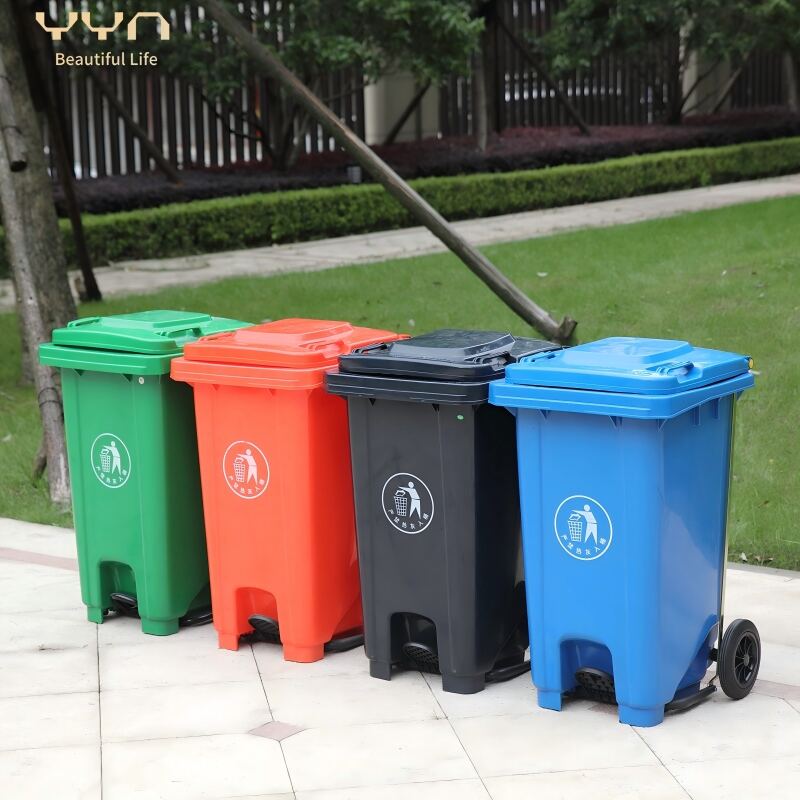
The environmental crisis facing our planet demands practical solutions that individuals can implement in daily routines, and intelligent waste sorting features in modern garbage disposal bins directly address this need by making recycling effortless and intuitive. Traditional single-compartment containers mix all waste types together, requiring time-consuming manual sorting later or, more commonly, resulting in recyclable materials being sent unnecessarily to landfills where they contribute to environmental degradation. Contemporary garbage disposal bins solve this problem through thoughtfully designed multi-compartment systems that enable source separation, allowing users to correctly categorize waste at the moment of disposal when the material type is obvious and sorting requires minimal effort. These segregated garbage disposal bins typically feature two to four separate chambers, each clearly designated for specific waste categories such as recyclables, compostable organic materials, general trash, and sometimes specialized streams like glass or batteries. The compartmentalization occurs within a unified housing that maintains a compact footprint, avoiding the space consumption and visual clutter of maintaining multiple separate containers. Color-coding systems enhance usability, with international standards suggesting blue for recyclables, green for compostables, and black or gray for general waste, though variations exist based on regional programs. Clear labeling with both text and pictographic symbols ensures that all household members and visitors can quickly identify the appropriate compartment for different materials, reducing contamination rates that render entire batches of collected recyclables unusable. Some advanced garbage disposal bins incorporate sliding dividers or adjustable compartment sizes, allowing users to customize the space allocation based on their specific waste generation patterns. Households that generate substantial food waste might allocate more volume to the compost section, while those who purchase many packaged goods might expand the recyclables compartment. The flexibility to adapt the garbage disposal bins to individual needs maximizes their practical utility across diverse living situations. The impact on recycling rates proves substantial, with studies indicating that households using segregated garbage disposal bins recycle two to three times more material compared to those relying on single-bin collection with post-disposal sorting. This dramatic improvement stems from the convenience factor, as the minimal additional effort required for source separation at disposal proves far less burdensome than periodically sorting through accumulated mixed waste. Educational benefits should not be overlooked, as multi-compartment garbage disposal bins serve as daily reminders of waste categories and proper disposal practices, gradually building knowledge and habits particularly valuable for children learning environmental responsibility. The long-term environmental benefits compound over time, as consistent recycling reduces resource extraction, decreases manufacturing energy consumption, lowers greenhouse gas emissions, and extends landfill capacity. For environmentally conscious consumers, investing in intelligent garbage disposal bins represents practical action toward sustainability goals, translating values into measurable positive impact. Municipalities increasingly support these individual efforts through waste management programs that offer reduced collection fees for households demonstrating effective source separation, creating financial incentives that complement environmental motivations. The aesthetic considerations matter too, as modern segregated garbage disposal bins feature sophisticated designs that look intentional and organized rather than appearing as makeshift collections of mismatched containers.
 EN
EN