Professional Garbage Collection Trolley Solutions - Durable Waste Management Equipment for Commercial and Municipal Applications

garbage collection trolley

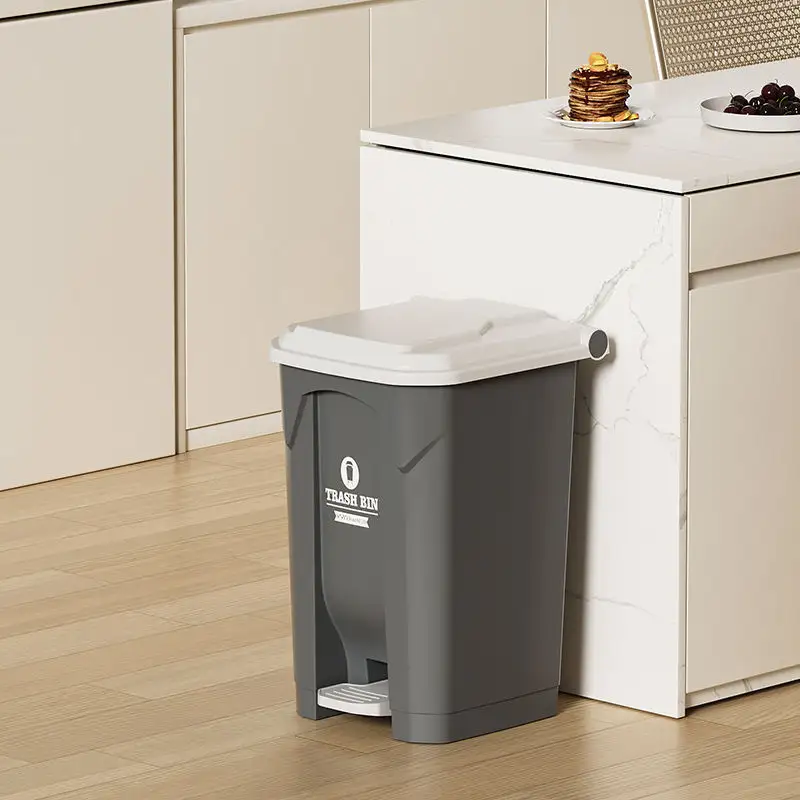
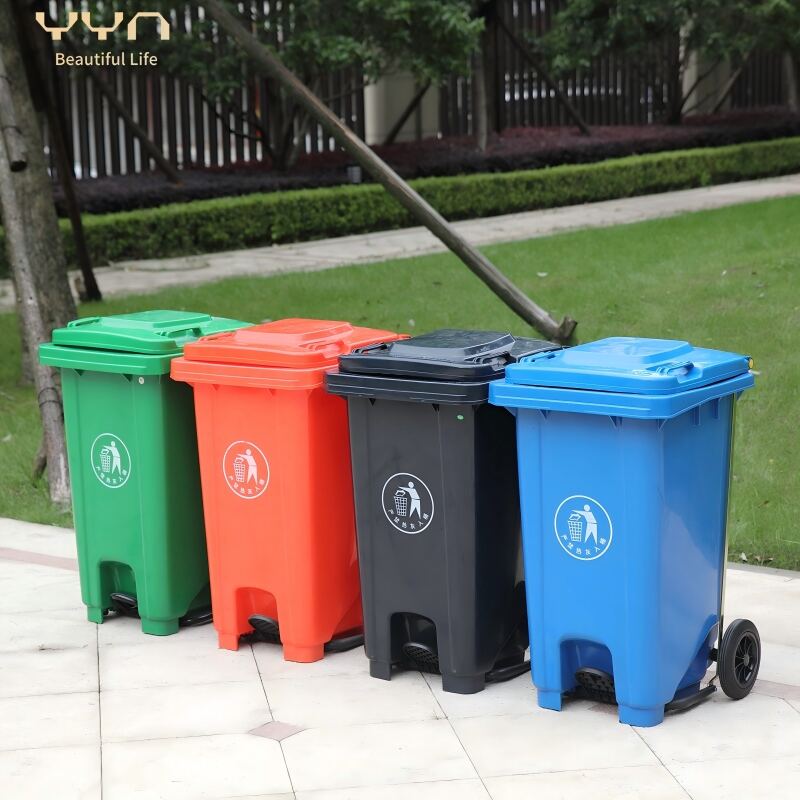
The garbage collection trolley represents an essential innovation in waste management operations, designed to streamline refuse handling processes across residential, commercial, and industrial environments. This specialized equipment serves as a mobile collection unit that facilitates efficient transportation of waste materials from collection points to disposal areas or compactor trucks. Modern garbage collection trolleys incorporate ergonomic design principles and durable construction materials to withstand demanding operational conditions while minimizing physical strain on sanitation workers. The primary functions of these trolleys include temporary waste storage, secure containment during transport, and simplified emptying mechanisms that integrate seamlessly with various disposal systems. Technological features embedded in contemporary models encompass reinforced wheeling systems with high-load-bearing capacity, typically supporting weights ranging from 100 to 400 kilograms depending on trolley specifications. Many units feature weather-resistant lids that prevent odor escape and protect contents from environmental elements such as rain or wind. The frame construction usually employs galvanized steel or heavy-duty plastic compounds that resist corrosion, chemical degradation, and physical impact. Advanced trolley designs incorporate foot-pedal-operated lids for hands-free operation, promoting hygiene standards in sanitation work. Applications span multiple sectors including municipal waste collection services, hospitality industry operations, healthcare facility waste management, educational institution maintenance, retail center sanitation, manufacturing plant cleanup, and property management companies servicing multi-unit residential complexes. The versatility of garbage collection trolleys makes them indispensable tools for maintaining cleanliness standards in public spaces, parks, streets, and private facilities. Their standardized dimensions ensure compatibility with existing waste infrastructure while offering customization options for specific operational requirements. The trolley design facilitates easy maneuvering through narrow passages, elevators, and crowded areas, significantly improving collection efficiency compared to traditional manual carrying methods.

New Product Releases

Implementing garbage collection trolleys delivers substantial operational improvements that directly impact productivity, worker safety, and cost management. The most immediate benefit involves dramatic reduction in physical labor demands placed on sanitation personnel. Workers no longer need to manually lift and carry heavy waste bags over extended distances, which significantly decreases workplace injury risks including back strain, muscle tears, and repetitive motion disorders. This ergonomic advantage translates to reduced insurance claims, lower absenteeism rates, and improved employee retention in sanitation departments. The wheeled mobility system enables single operators to transport volumes that would traditionally require multiple trips or additional personnel, effectively multiplying workforce efficiency without proportional increases in labor costs. Time savings accumulate quickly across collection routes, allowing teams to service more locations within standard shifts or complete existing routes faster, creating scheduling flexibility for management. The enclosed design with secure lids prevents spillage during transport, eliminating secondary cleanup requirements and maintaining aesthetic standards in public and private spaces. This containment feature also controls odor dispersion, addressing one of the most common complaints associated with waste management operations. Weather protection keeps collected materials dry, preventing excess weight from water absorption and reducing leakage that damages floors and pavements. Standardization of collection equipment simplifies training procedures for new workers who can quickly master trolley operation compared to learning multiple handling techniques for different waste scenarios. Maintenance costs remain minimal due to straightforward mechanical designs featuring readily replaceable components like wheels, handles, and hinges. The durability of quality trolleys ensures multi-year service life with proper care, distributing capital investment across extended operational periods and delivering favorable return on investment calculations. Environmental benefits emerge from reduced fuel consumption when collection vehicles make fewer stops because trolleys enable batch collection at central points rather than dispersed pickup locations. The professional appearance of uniform trolley systems enhances organizational image, demonstrating commitment to systematic waste management practices. Scalability allows operations to expand capacity by adding units without infrastructure modifications, providing flexibility for growing service demands. Hygiene improvements result from minimizing direct human contact with waste materials, particularly important in medical facilities and food service environments where contamination risks require stringent protocols. The versatility of these trolleys accommodates various waste streams including general refuse, recyclables, organic materials, and specialized disposal categories through color-coding or labeling systems that support waste sorting initiatives and sustainability programs.

Latest News

Abei Launches New HDPE Trash Bins: More Durable for Outdoor Use

22

Jan

Abei Launches New HDPE Trash Bins: More Durable for Outdoor Use

View More
Abei Partners with Southeast Asian Sanitation Company: Overseas Market Growth

22

Jan

Abei Partners with Southeast Asian Sanitation Company: Overseas Market Growth

View More
Abei’s Taobao Store Reaches 5,000 Followers: C-end Market Expansion

22

Jan

Abei’s Taobao Store Reaches 5,000 Followers: C-end Market Expansion

View More

Get a Free Quote

Our representative will contact you soon.
Email
Mobile/WhatsApp
Name
Company Name
Attachment
Please upload at least an attachment
Up to 3 files, each no larger than 30MB. Supported formats: jpg, jpeg, png, pdf, doc, docx, xls, xlsx, csv, txt, stp, step, igs, x_t, dxf, prt, sldprt, sat, rar, zip.
Message
0/1000

garbage collection trolley

Revolutionary Ergonomic Design Protecting Worker Health and Enhancing Productivity

Revolutionary Ergonomic Design Protecting Worker Health and Enhancing Productivity

The ergonomic engineering incorporated into modern garbage collection trolleys addresses fundamental challenges that have plagued sanitation work for generations. Traditional waste collection methods required workers to repeatedly bend, lift, and carry heavy loads throughout their shifts, movements that medical research conclusively links to chronic musculoskeletal disorders affecting the lower back, shoulders, and knees. The garbage collection trolley eliminates these high-risk movements by positioning waste at waist height for loading and incorporating smooth-rolling wheel assemblies that require minimal pushing force even when fully loaded. Handle designs feature comfortable grips positioned at optimal heights that allow workers to maintain natural posture while maneuvering units across varied terrain. This thoughtful construction reduces energy expenditure per collection cycle by approximately sixty percent compared to manual carrying, enabling workers to maintain consistent performance throughout entire shifts without experiencing debilitating fatigue. The practical implications extend beyond individual comfort to organizational metrics that directly affect operational budgets. Worker compensation claims related to manual handling injuries represent significant financial burdens for waste management operations, with individual claims potentially costing thousands in medical expenses, rehabilitation, temporary disability payments, and replacement worker costs. By substantially reducing injury incidence, garbage collection trolleys deliver measurable cost avoidance that often exceeds the equipment purchase price within the first year of deployment. Additionally, worker retention improves when employees recognize that management invests in tools that protect their long-term health, reducing turnover expenses including recruitment, training, and the productivity losses associated with inexperienced personnel. The efficiency gains multiply across large operations where dozens or hundreds of workers benefit simultaneously from ergonomic improvements, creating cumulative time savings that translate to expanded service capacity or reduced overtime requirements. Modern trolley designs also incorporate features like foot-pedal lid operation that preserve hand hygiene by eliminating the need to touch potentially contaminated surfaces, a critical consideration in healthcare settings and food service environments where cross-contamination poses serious risks.
Exceptional Durability and Weather Resistance Ensuring Long-Term Performance Value

Exceptional Durability and Weather Resistance Ensuring Long-Term Performance Value

Construction quality represents a defining characteristic that separates professional-grade garbage collection trolleys from inferior alternatives, with premium units engineered to withstand years of demanding daily use in harsh environmental conditions. Manufacturers utilize advanced materials including high-density polyethylene plastics that resist cracking in temperature extremes, UV-stabilized compounds that prevent degradation from sun exposure, and corrosion-resistant metals like galvanized or stainless steel for structural components and hardware. This robust construction enables trolleys to maintain operational integrity despite constant exposure to moisture, chemicals present in various waste streams, physical impacts from loading operations, and the mechanical stresses of navigating uneven surfaces, curbs, and ramps. The wheel assemblies employ industrial-grade bearings and axles designed for sustained heavy loads, with many models featuring puncture-resistant tires or solid wheels that eliminate flat tire downtime. Welded and reinforced joint construction prevents structural failure at stress points where cheaper units commonly break, ensuring the trolley maintains its shape and function through thousands of loading cycles. Weather-sealed lids with secure latching mechanisms prevent rain infiltration that would add unnecessary weight and create leakage problems during transport. The practical significance of this durability extends well beyond simple longevity to encompass total cost of ownership considerations that financially sophisticated buyers evaluate when making procurement decisions. While premium garbage collection trolleys command higher initial purchase prices, their extended service life spanning five to ten years or more delivers substantially lower annualized costs compared to budget models requiring replacement every one to two years. Maintenance requirements remain minimal and typically involve only periodic lubrication of moving parts and occasional replacement of wear items like wheels, tasks that general maintenance staff can perform without specialized technical knowledge. The reliability of quality trolleys eliminates operational disruptions caused by equipment failures during critical collection periods, maintaining service consistency that customers and regulatory authorities expect. This dependability proves particularly valuable for operations serving time-sensitive environments like hospitals, restaurants, and event venues where waste accumulation cannot be tolerated due to hygiene requirements or space constraints. Organizations also benefit from standardization advantages when durable trolleys remain in service long enough to establish consistent handling procedures and spare parts inventories rather than constantly adapting to different replacement models.
Versatile Compatibility Across Multiple Applications and Waste Management Systems

Versatile Compatibility Across Multiple Applications and Waste Management Systems

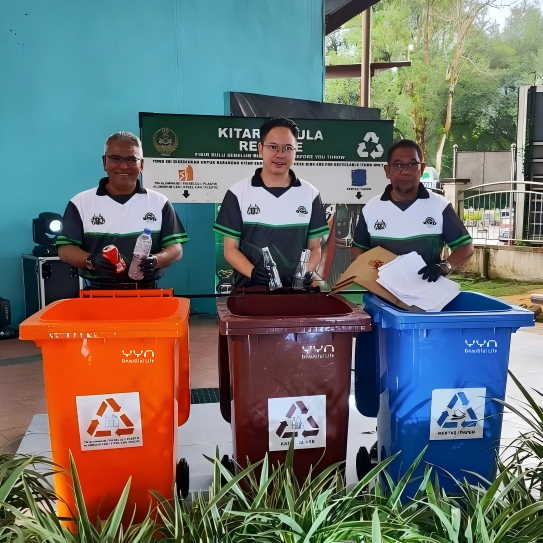
The adaptability of garbage collection trolleys to diverse operational contexts represents a crucial advantage for organizations managing varied waste streams or serving multiple facility types with different requirements. Standard trolley dimensions align with universal specifications that ensure compatibility with common waste collection infrastructure including compactor truck lifting mechanisms, dumpster heights, and building service elevator capacities, allowing seamless integration into existing systems without costly modifications. This standardization enables organizations to deploy uniform equipment across dispersed locations while maintaining operational consistency, simplifying training protocols, maintenance procedures, and parts inventory management. However, the versatility extends well beyond physical compatibility to encompass functional adaptability for specialized applications. Color-coding systems allow organizations to implement comprehensive waste sorting programs where different colored trolleys designate specific material categories such as general waste, recyclables, organic materials, or hazardous substances, supporting sustainability initiatives and regulatory compliance requirements. Customization options include various capacity sizes ranging from compact units suitable for narrow corridors and residential buildings to large-volume models for commercial and industrial settings, ensuring optimal matches between trolley specifications and operational demands. Specialized variants incorporate features like sealed construction for medical waste, perforated walls for organic materials requiring ventilation, or reinforced frames for heavy industrial refuse. The practical implications of this versatility prove particularly valuable for facility management companies, municipalities, and organizations operating multiple property types where purchasing different specialized equipment for each location would create inventory complexity and cost inefficiencies. A standardized fleet of adaptable garbage collection trolleys simplifies procurement, reduces bulk purchasing costs through volume discounts, and enables flexible resource allocation where units can be redistributed between locations based on fluctuating demand without compatibility concerns. The trolleys also accommodate operational evolution as organizations expand services, modify waste management protocols in response to regulatory changes, or implement new sustainability programs, protecting equipment investments against obsolescence when operational requirements shift. This future-proof characteristic delivers strategic value by allowing organizations to adapt to changing circumstances without wholesale equipment replacement, maintaining budget predictability and avoiding the disruptions associated with transitioning to entirely new systems.

Get a Free Quote

Our representative will contact you soon.
Email
Mobile/WhatsApp
Name
Company Name
Attachment
Please upload at least an attachment
Up to 3 files, each no larger than 30MB. Supported formats: jpg, jpeg, png, pdf, doc, docx, xls, xlsx, csv, txt, stp, step, igs, x_t, dxf, prt, sldprt, sat, rar, zip.
Message
0/1000