Professional Trash Can Trolley Solutions - Ergonomic Waste Transport Equipment for Commercial Facilities

trash can trolley

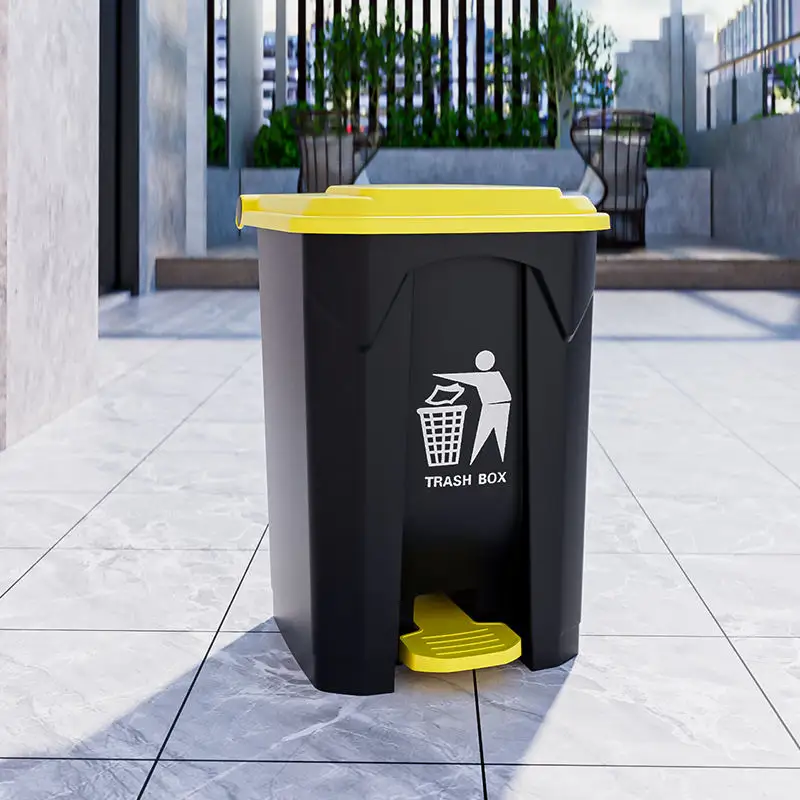
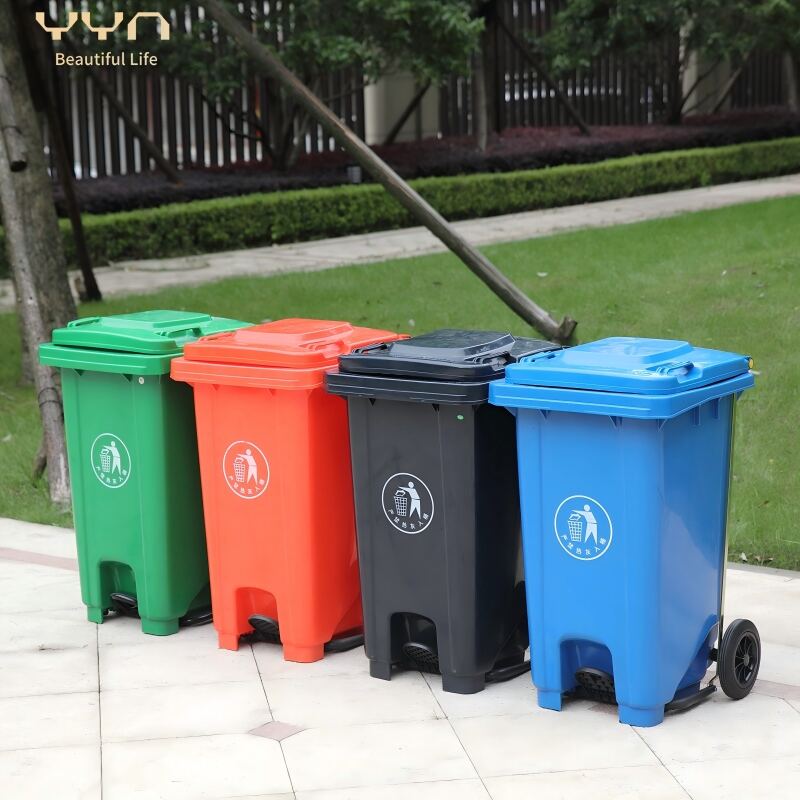
A trash can trolley represents an innovative mobility solution designed to transform waste management efficiency in commercial, industrial, and institutional environments. This specialized equipment combines sturdy construction with intelligent design elements to enable seamless transportation of waste receptacles across various distances and terrains. The trash can trolley serves as an indispensable tool for facilities managers, custodial staff, maintenance teams, and sanitation workers who handle waste removal operations daily. Engineered with heavy-duty materials such as reinforced steel frames and industrial-grade polymers, these trolleys accommodate multiple bin sizes ranging from small office containers to large outdoor waste receptacles weighing several hundred pounds when fully loaded. The primary function centers on reducing physical strain while maximizing operational productivity during waste collection routines. Modern trash can trolley units incorporate ergonomic handle designs positioned at optimal heights to minimize back stress and promote proper posture during maneuvering. Wheel systems typically feature either pneumatic or solid rubber tires with precision bearings that ensure smooth rolling motion across concrete, asphalt, tile, and carpeted surfaces without leaving marks or causing damage. Many models include adjustable securing mechanisms such as straps, clamps, or specialized cradles that firmly hold containers in place during transit, preventing spillage and maintaining workplace safety standards. The technological advancement in trash can trolley design has introduced features like corrosion-resistant coatings for outdoor use, foldable components for compact storage, and universal mounting systems compatible with standardized waste container dimensions. Application environments span healthcare facilities requiring biohazard waste transport, educational institutions managing cafeteria and classroom refuse, hospitality venues handling high-volume guest waste, manufacturing plants dealing with industrial byproducts, retail establishments maintaining clean shopping areas, and municipal operations coordinating neighborhood collection services. The trash can trolley fundamentally revolutionizes how organizations approach waste logistics by converting a traditionally labor-intensive task into a streamlined process that preserves worker health while accelerating completion times.
New Products

Implementing a trash can trolley into daily operations delivers substantial practical benefits that directly impact both workforce wellbeing and organizational efficiency. The most immediate advantage manifests in dramatic reduction of workplace injuries related to lifting and moving heavy waste containers. Workers no longer need to manually drag, push, or carry bins filled with refuse, which significantly decreases the incidence of back strains, muscle tears, shoulder injuries, and repetitive stress conditions that commonly plague custodial and maintenance personnel. This injury prevention translates into lower workers compensation claims, reduced absenteeism, and decreased healthcare costs for employers while simultaneously improving employee satisfaction and retention rates. Time efficiency represents another compelling advantage as a single operator using a trash can trolley can transport multiple containers or exceptionally heavy loads in one trip rather than making repeated journeys. This productivity multiplication allows cleaning crews to complete their routes faster, enabling reallocation of labor resources to other critical maintenance tasks or permitting staff reductions through natural attrition without sacrificing service quality. The equipment durability ensures long-term cost effectiveness since quality trolleys withstand years of demanding use with minimal maintenance requirements beyond occasional wheel lubrication and bolt tightening. Organizations avoid the recurring expense of replacing broken bins damaged during manual handling or the facility damage caused by dragging containers across floors. Environmental considerations also favor trash can trolley adoption as proper waste transport reduces spillage that could contaminate soil or waterways, while efficient collection routing minimizes fuel consumption when coordinating motorized collection vehicles. The professional appearance of workers using proper equipment rather than struggling with unwieldy containers enhances organizational image and demonstrates commitment to employee welfare and operational excellence. Versatility stands as another practical benefit since adjustable designs accommodate seasonal volume fluctuations and special event scenarios requiring temporary waste management capacity increases. Training requirements remain minimal as intuitive designs allow new employees to master operation within minutes rather than hours, reducing onboarding costs and accelerating workforce readiness. Safety features integrated into modern trash can trolley designs include reflective strips for visibility in low-light conditions, parking brakes preventing unintended rolling on inclines, and rounded edges eliminating sharp contact points that could cause cuts or snag clothing. The return on investment materializes quickly as labor savings, injury reduction, and efficiency gains typically offset purchase costs within the first year of deployment. Small businesses benefit from affordable entry-level models while large enterprises can standardize fleet purchases to negotiate volume pricing and establish consistent operational protocols across multiple locations. The trash can trolley ultimately empowers organizations to professionalize waste management operations while demonstrating tangible commitment to worker safety and operational optimization.

Practical Tips

Abei Launches New HDPE Trash Bins: More Durable for Outdoor Use

22

Jan

Abei Launches New HDPE Trash Bins: More Durable for Outdoor Use

View More
Abei Partners with Southeast Asian Sanitation Company: Overseas Market Growth

22

Jan

Abei Partners with Southeast Asian Sanitation Company: Overseas Market Growth

View More
Abei’s Taobao Store Reaches 5,000 Followers: C-end Market Expansion

22

Jan

Abei’s Taobao Store Reaches 5,000 Followers: C-end Market Expansion

View More

Get a Free Quote

Our representative will contact you soon.
Email
Mobile/WhatsApp
Name
Company Name
Attachment
Please upload at least an attachment
Up to 3 files, each no larger than 30MB. Supported formats: jpg, jpeg, png, pdf, doc, docx, xls, xlsx, csv, txt, stp, step, igs, x_t, dxf, prt, sldprt, sat, rar, zip.
Message
0/1000

trash can trolley

Ergonomic Design Engineering Reduces Physical Strain and Enhances Workplace Safety

Ergonomic Design Engineering Reduces Physical Strain and Enhances Workplace Safety

The ergonomic design engineering incorporated into modern trash can trolley construction represents a fundamental advancement in protecting worker health while maintaining operational efficiency. Manufacturers conduct extensive biomechanical research and field testing to determine optimal handle positioning that aligns with natural body mechanics during pushing and pulling motions. Handles are strategically placed at heights ranging from 36 to 42 inches to accommodate diverse operator heights while promoting neutral spine positioning that minimizes lumbar stress. Many premium models feature padded grip surfaces with anti-slip texturing that prevents hand fatigue during extended use and maintains secure control even when operators wear gloves in cold weather or when handling materials in wet conditions. The wheel configuration undergoes careful engineering analysis to balance maneuverability with stability, typically employing a four-wheel arrangement with swiveling front casters for tight cornering and fixed rear wheels providing directional stability during straight-line travel. Larger diameter wheels ranging from 8 to 12 inches roll effortlessly over thresholds, expansion joints, and minor surface irregularities that would impede smaller wheels, while wide wheel profiles distribute load pressure to prevent sinking into softer outdoor terrain. The center of gravity positioning ensures that even fully loaded trash can trolley units remain balanced and resistant to tipping during normal operation, with low-profile designs keeping weight distribution near ground level. Frame geometry incorporates appropriate wheelbase dimensions that create stable platforms capable of handling dynamic loads during acceleration, deceleration, and directional changes without compromising control. Safety engineering extends to emergency stop capabilities where operators can instantly halt motion by releasing handles or engaging parking brakes, preventing runaway situations on slopes or in crowded environments. Visibility enhancements include bright color schemes that alert pedestrians and vehicle operators to equipment presence, while reflective striping ensures detection during early morning or evening collection activities when ambient lighting may be limited. The thoughtful integration of these ergonomic principles transforms the trash can trolley from a simple transport device into a sophisticated tool that actively protects operator wellbeing while delivering superior functional performance across demanding application environments where waste management efficiency directly impacts overall facility operations and organizational success.
Universal Compatibility and Adjustable Securing Systems Maximize Equipment Versatility

Universal Compatibility and Adjustable Securing Systems Maximize Equipment Versatility

Universal compatibility engineering distinguishes premium trash can trolley products by enabling seamless integration with diverse container types and sizes commonly encountered across commercial and institutional settings. Manufacturers recognize that facilities typically maintain mixed fleets of waste receptacles from various suppliers, encompassing different dimensional specifications, handle configurations, and construction materials. Advanced trolley designs incorporate adjustable mounting frameworks with telescoping arms, sliding clamps, and multi-position brackets that accommodate container widths ranging from compact 20-gallon office bins to massive 96-gallon outdoor carts without requiring tool-based modifications or accessory purchases. This adaptability proves invaluable for organizations managing multiple building types or those experiencing growth that necessitates waste capacity increases over time. The securing systems employ intelligent mechanical designs featuring spring-loaded retention mechanisms, ratcheting straps with quick-release buckles, or specialized cradle configurations that conform to container profiles while maintaining secure attachment during transport over uneven terrain or through doorway transitions. Material selection for contact points includes non-marring polymers and cushioned surfaces that protect container exteriors from scratches, dents, or paint damage that could compromise appearance or structural integrity. Some sophisticated trash can trolley models incorporate tool-free adjustment systems allowing operators to reconfigure mounting parameters in seconds rather than minutes, facilitating rapid transitions between different container types during collection routes that service varied facility areas. The universal design philosophy extends to compatibility with automated lifting mechanisms found on collection vehicles, where trolley-mounted containers interface seamlessly with hydraulic arms and fork systems without requiring manual transfer or repositioning. Standardization benefits emerge when organizations deploy uniform trash can trolley equipment across multiple locations, enabling staff transfers between sites without retraining and simplifying maintenance programs through parts commonality. The investment protection inherent in adjustable systems ensures that equipment purchases remain relevant despite future changes in waste management protocols, container standards, or operational requirements. Facility managers appreciate the flexibility to right-size waste capacity by easily switching between container options without equipment replacement, while procurement departments value the inventory simplification achieved by maintaining a single trolley model that serves multiple applications rather than purchasing specialized units for each container type throughout their facilities.
Industrial-Grade Construction Delivers Exceptional Durability and Long-Term Value

Industrial-Grade Construction Delivers Exceptional Durability and Long-Term Value

Industrial-grade construction methodology employed in quality trash can trolley manufacturing ensures exceptional durability that withstands the punishing demands of daily commercial waste management operations. Premium units utilize heavy-gauge steel tubing with wall thicknesses exceeding standard consumer products, providing structural integrity capable of supporting loads up to 800 pounds without frame flexing, weld failures, or catastrophic collapse that could endanger operators or damage property. Manufacturing processes incorporate robotic welding technology that produces consistent, penetrating joints with superior strength compared to manual welding, while heat treatment procedures relieve internal stresses that could cause premature material fatigue. Corrosion protection extends equipment lifespan dramatically through multi-stage finishing processes beginning with chemical cleaning to remove mill scale and contaminants, followed by conversion coating application that creates microscopically rough surfaces promoting paint adhesion, and culminating in powder coating application that produces chip-resistant, UV-stable finishes maintaining appearance and protection for years of outdoor exposure. Wheel assemblies receive particular engineering attention since they represent the highest-wear components, with manufacturers specifying sealed precision bearings that exclude moisture and debris while maintaining smooth rotation through hundreds of thousands of operational cycles. Tire compounds balance durability against floor protection, employing formulations that resist chunking and flat-spotting while remaining soft enough to prevent scratching on polished surfaces. Fastener selection emphasizes corrosion-resistant materials like stainless steel or zinc-plated hardware with nylon insert lock nuts preventing loosening from vibration and impact during normal use. The trash can trolley frame designs often incorporate replaceable wear components at high-stress points, allowing economical refurbishment rather than complete replacement when localized damage occurs after extended service. Quality assurance testing subjects production units to simulated lifetime use through accelerated wear protocols, incline stability assessments, impact resistance verification, and load cycling that validates design margins exceed specified ratings. Warranty coverage reflecting manufacturer confidence in construction quality provides purchasers with risk mitigation and total cost of ownership predictability. The substantial initial investment in industrial-grade trash can trolley equipment generates compounding returns through elimination of frequent replacements, minimization of maintenance interventions, and sustained operational reliability that prevents workflow disruptions. Organizations operating multi-shift facilities particularly benefit from construction quality that maintains performance standards despite continuous use across multiple work crews daily. The professional image projected by well-maintained, properly functioning equipment enhances organizational reputation with clients, visitors, and regulatory inspectors while demonstrating commitment to operational excellence and workplace safety standards.

Get a Free Quote

Our representative will contact you soon.
Email
Mobile/WhatsApp
Name
Company Name
Attachment
Please upload at least an attachment
Up to 3 files, each no larger than 30MB. Supported formats: jpg, jpeg, png, pdf, doc, docx, xls, xlsx, csv, txt, stp, step, igs, x_t, dxf, prt, sldprt, sat, rar, zip.
Message
0/1000