bulk trash cans
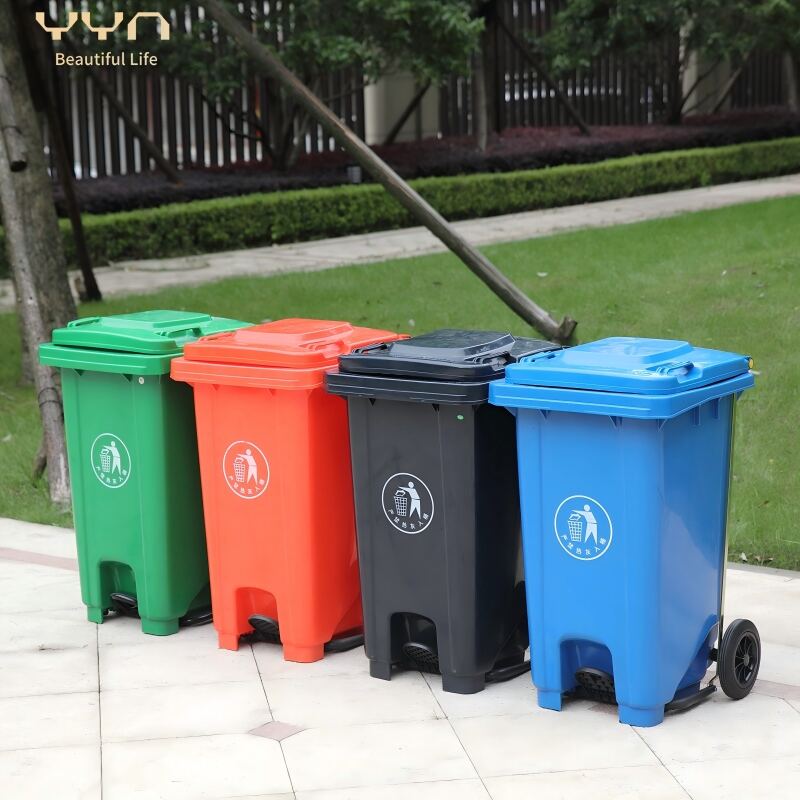
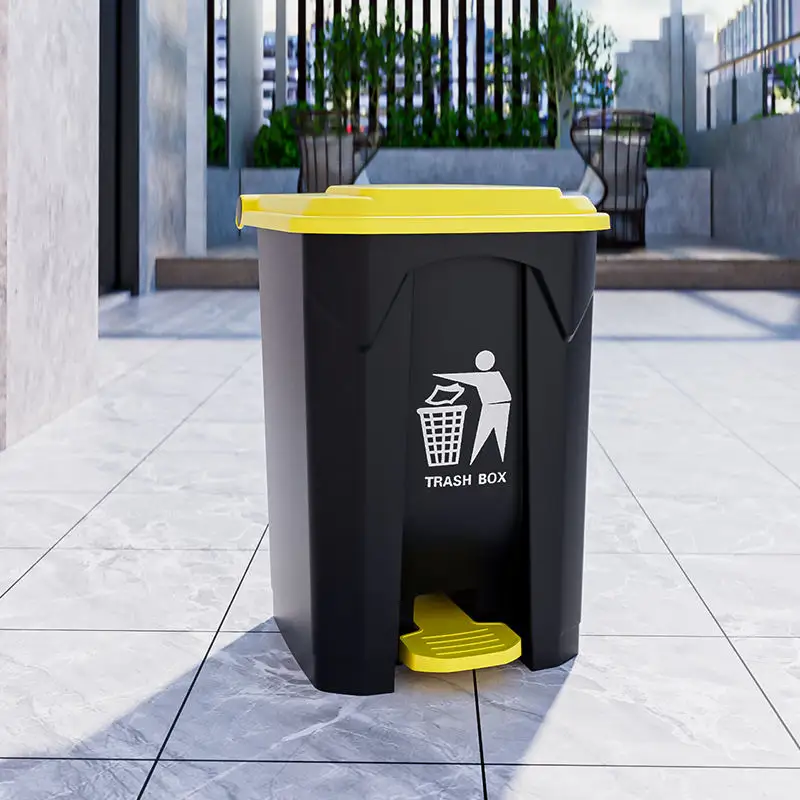
Bulk trash cans represent a revolutionary solution for managing large-scale waste in commercial, industrial, and municipal environments. These heavy-duty waste management systems are specifically engineered to handle substantial volumes of refuse, making them indispensable for businesses, construction sites, apartment complexes, hospitals, schools, and public facilities. Unlike standard residential garbage containers, bulk trash cans feature reinforced construction with high-density polyethylene or galvanized steel materials that withstand extreme weather conditions, repeated use, and the weight of considerable waste loads. The main functions of bulk trash cans include efficient collection, temporary storage, and simplified transportation of large quantities of waste materials. These containers typically range from 30 gallons to over 300 gallons in capacity, accommodating diverse waste management needs across multiple industries. Technological features incorporated into modern bulk trash cans include ergonomic wheel systems for effortless mobility, reinforced lids with secure locking mechanisms to prevent unauthorized access and control odors, UV-resistant coatings that prevent degradation from sun exposure, and drainage systems that prevent water accumulation. Many bulk trash cans also incorporate color-coding systems to facilitate waste segregation and recycling programs. Advanced models feature integrated lifting lugs compatible with automated collection vehicles, significantly reducing manual handling requirements and improving worker safety. Applications for bulk trash cans span numerous sectors: commercial properties utilize them for centralized waste collection points, construction companies rely on them for debris management, healthcare facilities depend on them for non-hazardous waste disposal, educational institutions employ them throughout campuses, and municipalities deploy them in parks, streets, and public gathering spaces. The versatility of bulk trash cans makes them essential infrastructure components for maintaining cleanliness, promoting public health, and supporting environmental sustainability initiatives in communities worldwide.


 EN
EN