Durability and Long-Term Cost Effectiveness
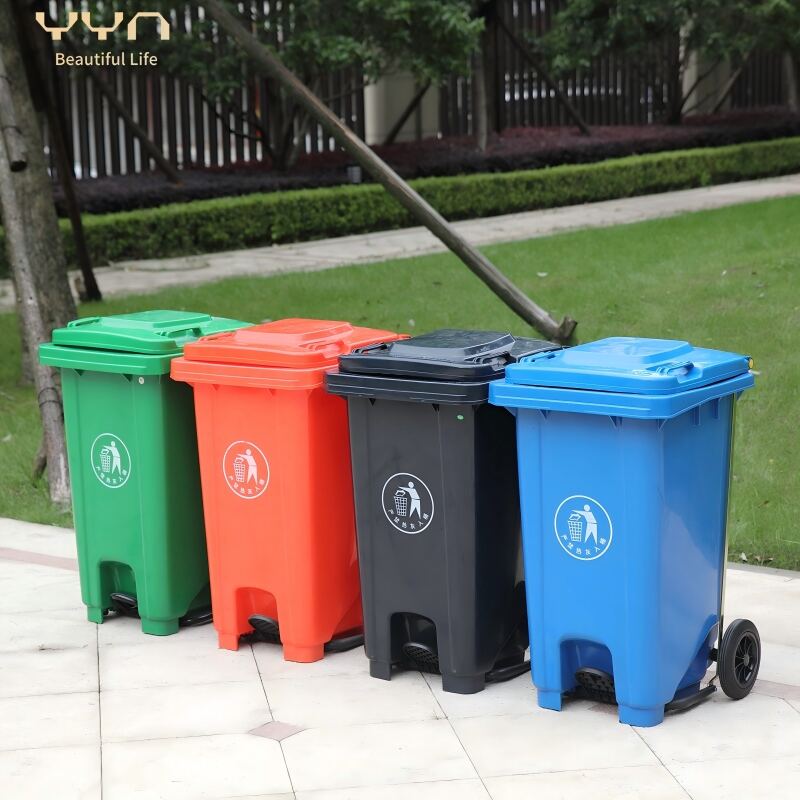
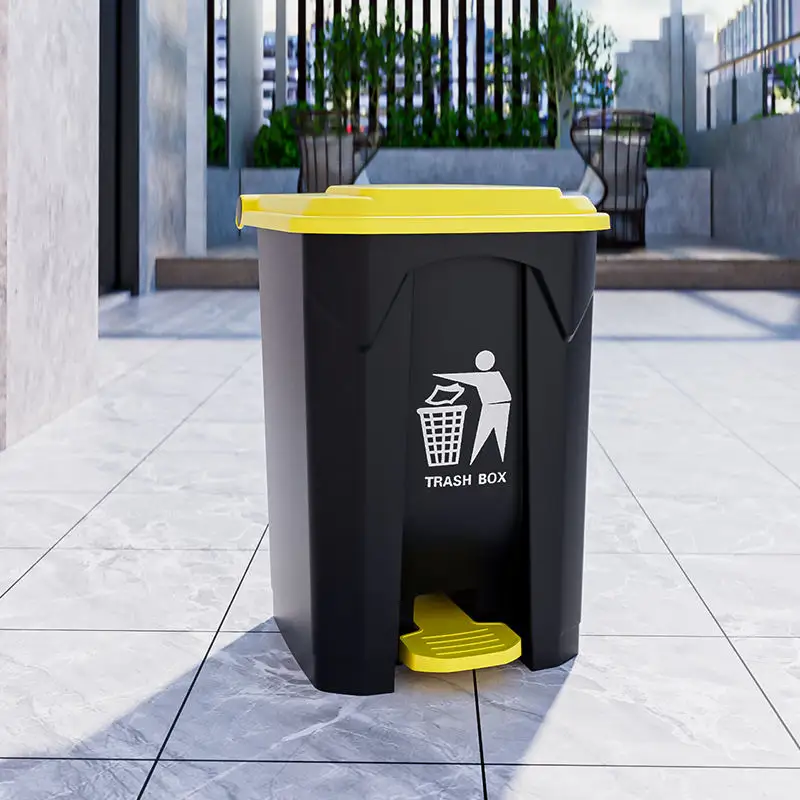
The exceptional durability engineered into bulk kitchen waste bins delivers long-term cost effectiveness that far exceeds the initial purchase price, making these containers one of the smartest investments a food service operation can make. Commercial kitchen environments subject equipment to punishing conditions including constant moisture exposure, temperature fluctuations, impacts from dropped items, aggressive cleaning chemicals, and the physical stress of being moved and emptied multiple times daily. Inferior waste containers quickly fail under these demanding conditions, cracking at stress points, developing leaks, or degrading to the point where they become unsanitary or unusable. Bulk kitchen waste bins are constructed from premium materials specifically selected for their ability to withstand these challenges over years of continuous service. High-density polyethylene and commercial-grade stainless steel represent the most common material choices, each offering distinct advantages in terms of impact resistance, chemical compatibility, and longevity. The wall thickness of these containers typically exceeds standard trash bins by significant margins, providing the structural integrity necessary to prevent flexing, cracking, or puncturing even when filled to capacity with heavy, wet food waste. Reinforced bases and rim structures distribute weight and stress evenly, preventing the weak points that cause premature failure in lesser containers. The wheels and casters equipped on mobile models are not afterthought additions but rather engineered components rated for heavy loads and designed with sealed bearings that resist water intrusion and food contamination. This attention to component quality ensures that every aspect of bulk kitchen waste bins maintains functionality throughout the product's extended service life. The financial implications of this durability become clear when you calculate replacement costs over a five or ten-year period. A premium bulk kitchen waste bin that costs more initially but lasts eight years represents far better value than cheaper alternatives that require replacement every eighteen months. Beyond direct replacement costs, failed containers create indirect expenses through operational disruptions, emergency purchases at premium prices, and potential health code violations if waste storage capacity becomes inadequate. The cost effectiveness extends to maintenance requirements as well, since quality bulk kitchen waste bins need minimal repair or service beyond routine cleaning. The materials resist staining, warping, and degradation from cleaning chemicals, maintaining professional appearance throughout their service life without requiring replacement for aesthetic reasons. For facilities managing tight budgets, the predictable lifespan of durable bulk kitchen waste bins enables better capital planning compared to constantly replacing failing equipment.

 EN
EN