Seamless Integration with Commercial Waste Collection Infrastructure
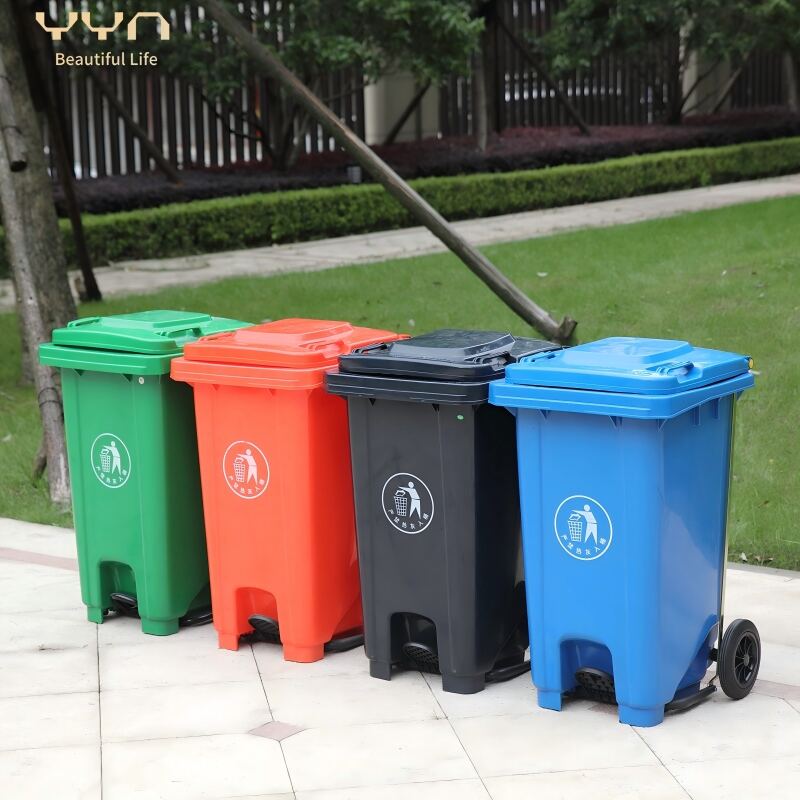
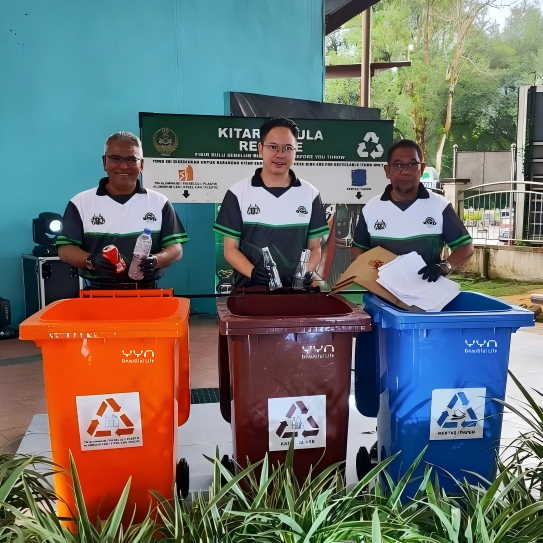
The bulk commercial recycling bin achieves maximum effectiveness through purposeful engineering that ensures compatibility with commercial waste collection systems, service provider equipment, and municipal recycling infrastructure. This integration eliminates operational friction points that compromise recycling program success, enabling smooth material flow from generation through collection to processing facilities. Standard commercial waste haulers utilize specialized trucks with front-loading, side-loading, or rear-loading mechanisms designed to interface with specific container configurations, and bulk commercial recycling bin manufacturers design their products to align with these established service protocols. Front-loading containers feature standardized lifting pockets or bars positioned precisely for mechanical arms to grasp, lift, and invert containers safely and efficiently. Rear-loading configurations incorporate compatible dimensions allowing hydraulic mechanisms to engage properly, while roll-off containers provide hook-lift or cable-hoist compatibility for transportation to recycling facilities. This standardization means businesses can select service providers based on cost, reliability, and service quality rather than being constrained by equipment compatibility limitations. The bulk commercial recycling bin design also considers placement flexibility, allowing installation in diverse locations including loading docks, parking areas, or designated waste management zones while maintaining accessibility for collection vehicles. Adequate clearance specifications, turning radius requirements, and approach angle considerations ensure collection teams can service containers without property damage or safety incidents. Many organizations coordinate bulk commercial recycling bin placement with facility design or renovation projects, incorporating dedicated enclosures, concrete pads, and drainage systems that support long-term functionality and aesthetic integration. The containers themselves often feature customization options including corporate colors, logo placement, or specific labeling that aligns with organizational branding and internal waste management protocols. Integration extends to data management capabilities when organizations deploy smart waste technology, with sensors transmitting fill levels, collection timestamps, and contamination alerts to centralized management platforms. This information enables dynamic route optimization for haulers, reducing fuel consumption and vehicle emissions while ensuring timely service before containers reach capacity. Businesses gain transparency into recycling program performance through dashboards displaying diversion rates, cost tracking, and environmental impact metrics derived from bulk commercial recycling bin monitoring systems. The compatibility with established infrastructure accelerates program implementation, as businesses leverage existing service relationships and municipal recycling capabilities rather than requiring specialized arrangements or extensive modifications to current waste management practices.

 EN
EN