 EN
EN

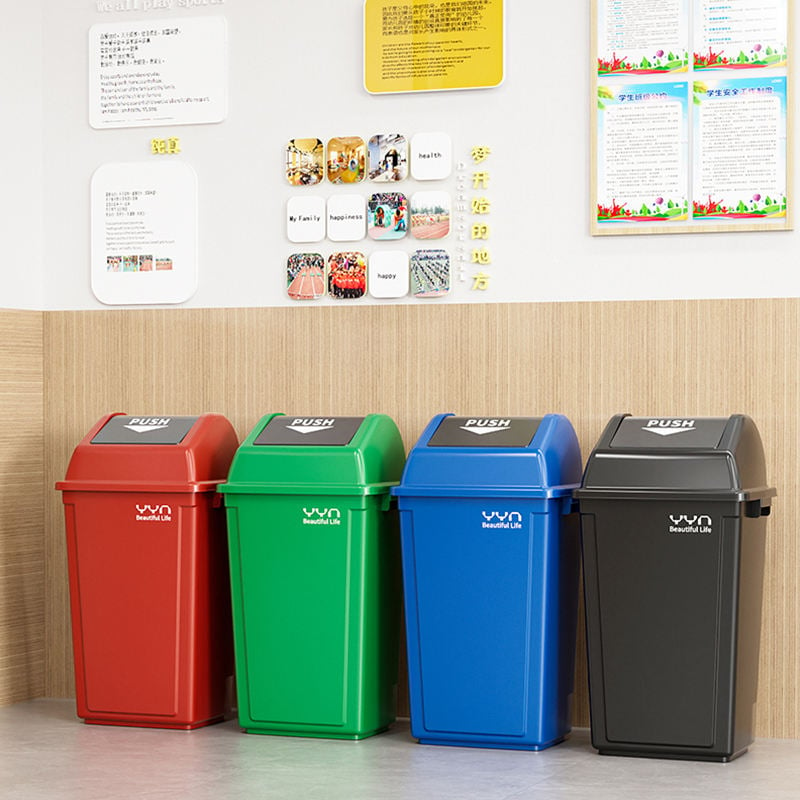
Selecting the right custom trash bins is a critical decision for any business looking to improve its waste management infrastructure. Whether you operate a retail facility, office building, manufacturing plant, or hospitality venue, the choice of custom trash bins directly impacts operational efficiency, brand image, and environmental responsibility. Businesses often overlook this procurement process, treating it as a routine purchase rather than a strategic investment. However, custom trash bins represent far more than simple waste receptacles—they are functional assets that enhance cleanliness, support sustainability goals, and reinforce your company's professional standards.
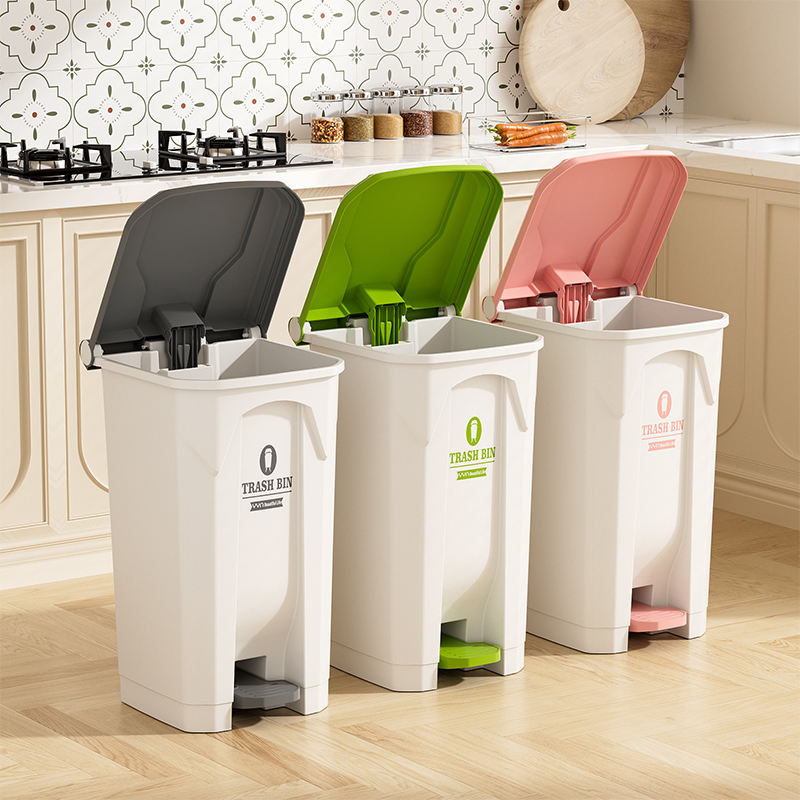
When ordering custom trash bins for your business, numerous factors demand careful evaluation. The right combination of capacity, material quality, design features, durability, and cost ensures that your investment delivers long-term value and meets your operational requirements. Understanding these considerations before placing your order prevents costly mistakes, reduces waste management disruptions, and ensures that custom trash bins integrate seamlessly into your facility's workflow and aesthetic environment.
Understanding Capacity and Volume Requirements
Assessing Daily Waste Generation
The first step in ordering custom trash bins involves calculating your facility's actual waste generation patterns. Businesses must analyze daily, weekly, and seasonal variations in trash volume to determine appropriate bin sizes. Underestimating capacity forces frequent emptying, increasing labor costs and creating overflow hazards. Conversely, oversizing custom trash bins wastes floor space and incurs unnecessary procurement expenses. Review your current waste streams, accounting for peak periods like holidays, promotional events, or seasonal fluctuations that significantly increase refuse volumes in retail and hospitality settings.
Matching Bin Size to Location and Workflow
Different areas within your facility generate distinct waste types and volumes, making custom trash bins selection location-specific. High-traffic zones like cafeterias, restrooms, and customer-facing areas require larger custom trash bins and more frequent servicing. Operational areas like warehouses or production floors may benefit from smaller, strategically placed containers. Office spaces generate primarily paper and light refuse, while food service operations produce dense, wet waste requiring larger, sturdier custom trash bins. Planning the optimal placement and sizing of custom trash bins throughout your facility prevents bottlenecks and maintains cleanliness standards across all zones.
Material Quality and Durability Considerations
Selecting Appropriate Materials for Your Environment
Custom trash bins are manufactured from various materials, each offering distinct advantages and limitations for specific environments. High-density polyethylene plastic custom trash bins provide lightweight handling, corrosion resistance, and ease of cleaning, making them ideal for indoor commercial spaces, food facilities, and moisture-prone areas. Metal custom trash bins offer superior durability and aesthetic appeal for high-end environments but require rust-resistant treatments if exposed to weather. Composite materials blend the advantages of plastic and metal, delivering strength while remaining lightweight. Consider your facility's environmental conditions—temperature fluctuations, moisture exposure, UV sunlight, and chemical contact—when selecting materials for your custom trash bins.
Evaluating Construction Quality and Lifespan
The construction quality of custom trash bins directly determines their operational lifespan and total cost of ownership. Examine weld points, hinge mechanisms, base reinforcement, and lid fastening systems to ensure robust construction capable of withstanding daily rigorous handling. Premium custom trash bins feature reinforced rims, impact-resistant bodies, and secure locking mechanisms that resist damage from mechanical handling equipment, pressure washing, and rough treatment. While higher-quality custom trash bins demand greater initial investment, they deliver superior durability, reduce replacement frequency, and provide better value over five to ten-year cycles. Request durability specifications, warranty terms, and expected lifespan estimates from suppliers to evaluate long-term cost implications of different custom trash bins options.
Design Features and Functional Requirements
Optimizing Lid and Access Mechanisms
Lid design significantly impacts hygiene, operational convenience, and user experience with custom trash bins. Push-lid mechanisms offer simple, hands-free operation suitable for high-traffic areas where frequent users expect intuitive functionality. Swing-lids accommodate varied waste sizes, including bulky items, making them practical for general-purpose custom trash bins across diverse facilities. Self-closing lids minimize odor escape and prevent pest access, critical features for food service environments and facilities in warm climates. Some custom trash bins feature pedal-operated designs that promote touch-free operation and enhance sanitation standards in healthcare, hospitality, and food preparation facilities. Evaluate your users' operational preferences, facility hygiene standards, and waste type characteristics when selecting lid mechanisms for your custom trash bins.
Incorporating Branding and Aesthetic Integration
Custom trash bins represent visible components of your facility environment that influence brand perception and professional image. Many businesses opt for custom trash bins featuring company logos, colors, or messaging that reinforce brand identity while serving functional purposes. Branded custom trash bins create cohesive visual consistency with signage, architectural elements, and overall facility design, enhancing the professional appearance of corporate offices, retail locations, and hospitality venues. Custom graphic applications on trash bins also promote waste segregation and recycling compliance by clearly communicating appropriate disposal categories. Consider whether your custom trash bins will serve primarily functional roles or double as brand ambassadors that reinforce corporate messaging and environmental commitments to visitors and employees.
Cost Analysis and Budget Optimization
Evaluating Total Cost of Ownership
Procurement cost represents only one component of total expenses associated with custom trash bins ownership. Comprehensive cost analysis encompasses material durability, replacement frequency, maintenance requirements, labor for servicing and emptying, and potential regulatory compliance costs. Cheaper custom trash bins manufactured from inferior materials require frequent replacement, inflating long-term expenses despite lower initial purchase prices. Mid-range custom trash bins often deliver optimal balance between upfront investment and durability, particularly for facilities operating custom trash bins in moderately demanding conditions. Premium custom trash bins justify higher initial costs for facilities with demanding operational requirements or where branding and aesthetic standards demand superior appearance and performance from custom trash bins throughout their operational lifecycle.
Negotiating Volume Discounts and Service Agreements
Businesses ordering custom trash bins in significant quantities gain negotiating leverage for volume discounts, favorable payment terms, and bundled service agreements. Consolidating orders for multiple locations or facilities often reduces per-unit costs substantially compared to single-location purchases of custom trash bins. Establish ongoing relationships with suppliers offering maintenance packages, replacement warranties, and damaged-bin replacement provisions that reduce operational disruption costs. Service agreements for custom trash bins maintenance, including regular cleaning, repair, and preventive upkeep, extend equipment lifespan and maintain sanitation standards without burdening internal maintenance staff. When evaluating custom trash bins vendor proposals, request total-cost-of-ownership comparisons spanning your entire expected usage period rather than focusing exclusively on purchase price.
FAQ
What capacity of custom trash bins should a typical office building order?
Office buildings typically require custom trash bins ranging from 20 to 50 liters per employee daily, distributed strategically across work areas, restrooms, and break rooms. Your specific custom trash bins capacity needs depend on your workforce size, waste generation patterns, and existing collection frequency. Most facilities find that smaller custom trash bins (around 30–50 liters) placed in multiple locations work better than fewer large containers, promoting user compliance and maintaining visual organization. Conduct a waste audit by observing collection cycles over two weeks to determine optimal custom trash bins sizing and placement for your specific office configuration and operational patterns.
Are plastic or metal custom trash bins better for outdoor facilities?
Metal custom trash bins generally outperform plastic options in outdoor environments, offering superior UV resistance, temperature stability, and structural integrity under weather exposure. Galvanized steel or aluminum custom trash bins withstand temperature fluctuations, rainfall, and intense sunlight without degradation or discoloration that commonly affects plastic containers. However, high-quality commercial-grade plastic custom trash bins treated with UV-resistant additives can perform adequately in outdoor applications, particularly in moderate climates. For long-term outdoor use, invest in metal custom trash bins with powder-coated finishes that resist rust and corrosion while maintaining professional appearance throughout extended operational cycles in harsh environmental conditions.
How frequently should custom trash bins be replaced in high-use commercial environments?
Well-maintained quality custom trash bins typically last 5 to 10 years even in high-use commercial environments, while lower-grade units may require replacement within 2 to 3 years. Replacement timing depends on material quality, operational stress levels, maintenance frequency, and environmental conditions affecting your custom trash bins. Facilities operating custom trash bins in challenging conditions—intense mechanical handling, extreme temperatures, chemical exposure—experience accelerated wear requiring more frequent replacement. Establish preventive maintenance routines including regular cleaning, hinge inspection, and damage assessment to extend custom trash bins lifespan. Budget for periodic replacement cycles rather than waiting for catastrophic failure, ensuring consistent waste management standards and preventing operational disruptions from failed custom trash bins.