 EN
EN

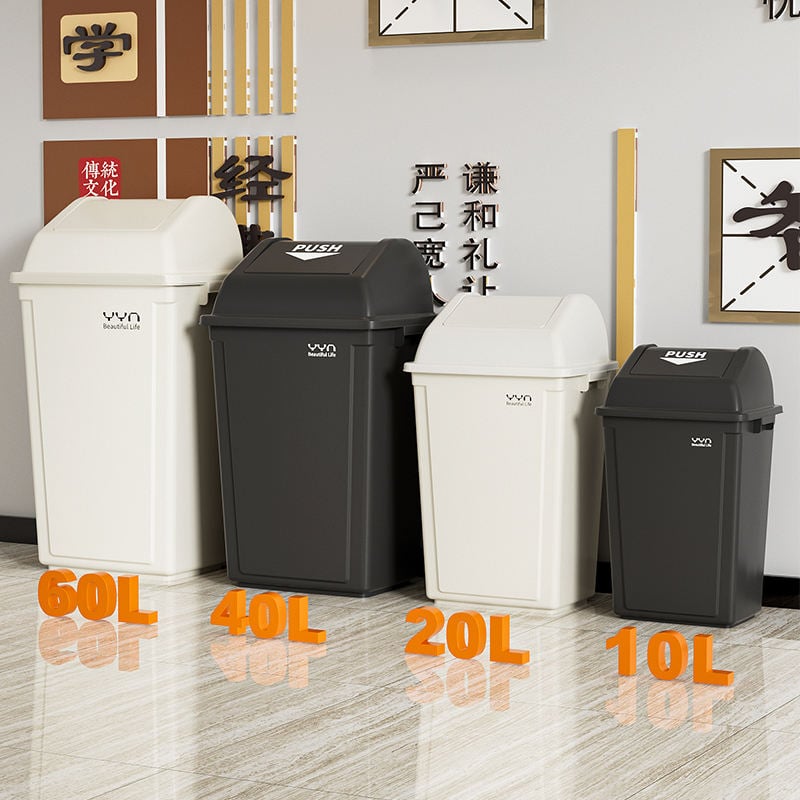
Effective waste management in public spaces begins with infrastructure that makes sorting intuitive and accessible. Custom trash bins play a pivotal role in transforming how communities approach waste disposal and environmental responsibility. By designing containers specifically tailored to local needs, municipalities and facility managers can significantly increase recycling participation rates and reduce contamination in waste streams. Custom trash bins aren't simply larger or smaller versions of standard containers—they're engineered solutions that reflect the unique patterns, demographics, and environmental priorities of their surrounding areas.
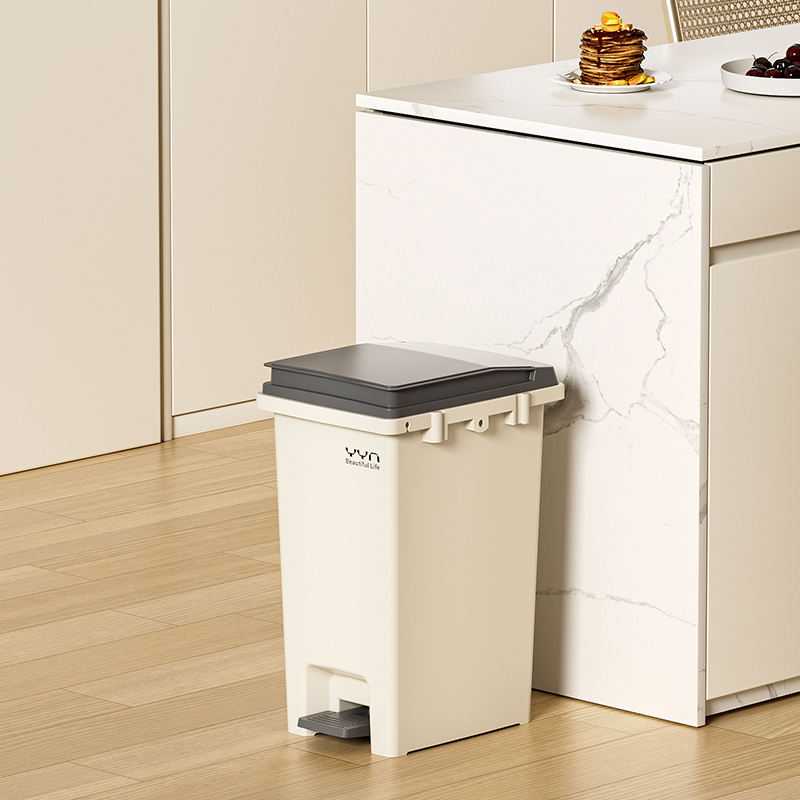
Public spaces face distinct waste management challenges that standard bin configurations cannot always address. Parks, transit stations, streetscapes, and event venues generate different waste volumes and material mixes throughout the day. Custom trash bins solve these problems by adapting capacity, compartment design, and visual signage to match actual usage patterns. When custom trash bins are properly matched to their environment, they reduce overflow incidents, lower collection costs, and create visible signals to visitors that waste separation matters in that community.
Understanding Custom Trash Bins and Their Strategic Value
What Custom Trash Bins Accomplish in Waste Management
Custom trash bins represent a targeted approach to solving waste logistics in public environments. Unlike generic containers found in bulk quantities, custom trash bins can be configured with specific material compartments—separating organics, recyclables, and general waste in ways that match local recycling programs. The design flexibility of custom trash bins allows facility managers to incorporate color coding, multilingual signage, and intuitive pictograms that guide users toward correct sorting behavior. When custom trash bins include transparent sidewalls, users can see bin capacity at a glance, reducing confusion about which compartment accepts which materials. This transparency builds user confidence and encourages participation in waste sorting initiatives.
How Custom Trash Bins Differ from Standard Solutions
Standard trash bins are manufactured in fixed configurations designed for general-purpose use, which means they rarely optimize for specific sorting requirements. Custom trash bins, by contrast, are built to specifications that reflect the actual waste stream composition of their deployment location. Public transit stations may benefit from custom trash bins with smaller food waste compartments and larger recycling sections, while parks might need custom trash bins that emphasize organic waste and litter separation. The modularity available in custom trash bins allows communities to adjust compartment sizes, add weather protection, or incorporate lock mechanisms without replacing entire units. This flexibility transforms custom trash bins from passive containers into active engagement tools for waste reduction and sorting compliance.
Design Features That Drive Waste Sorting Improvement
Compartment Configuration and Material Labeling
The internal architecture of custom trash bins directly influences sorting accuracy and user satisfaction. Custom trash bins with clearly delineated compartments and bold labeling reduce cross-contamination, where non-recyclables end up in recycling streams or vice versa. Many communities find that custom trash bins with visual hierarchies—showing the most-used categories at eye level and less-frequent categories above or below—improve sorting rates by up to thirty percent. Signage on custom trash bins should remain simple and visual-first; residents are more likely to engage with pictograms and color codes than text-heavy instructions. When custom trash bins feature weatherproof labels and non-glare finishes, the visual cues remain effective through seasons of sun, rain, and heavy use. This durability means custom trash bins maintain their educational impact over years of service.
Accessibility and User Experience Design
Successful waste sorting depends on making the behavior easy and friction-free for all users. Custom trash bins can incorporate features like foot pedals, side-opening apertures, or adjustable heights to accommodate diverse physical abilities. The lid design on custom trash bins matters significantly—lids that are too heavy discourage use, while lids that are too light may not stay open long enough for sorting decisions. Custom trash bins that include integrated drip trays and vented compartments prevent liquid buildup and odors that discourage continued use. Spacing between apertures on custom trash bins should allow a person's hand to fit comfortably while preventing items from getting jammed or stuck. These ergonomic considerations transform custom trash bins from intimidating black boxes into welcoming interfaces that encourage participation.
Implementing Custom Trash Bins for Measurable Impact
Site Assessment and Deployment Strategy
Before deploying custom trash bins, successful waste management programs conduct detailed site audits to understand existing behaviors and failure points. This might include counting daily waste volumes, analyzing material composition, and observing how current infrastructure affects sorting compliance. Custom trash bins designed without this baseline assessment often fail because they don't match actual user behavior or disposal patterns. Communities that implement custom trash bins after conducting these assessments report significantly higher adoption rates and lower maintenance costs. The assessment process reveals whether custom trash bins should be placed near entries, exits, or throughout a public space, and whether they need to be clustered or distributed. This strategic placement maximizes the likelihood that users encounter custom trash bins at decision points when they're actively thinking about waste disposal.
Monitoring Performance and Iteration
Deploying custom trash bins is not a set-and-forget initiative. Facilities that track sorting accuracy by periodically analyzing bin contents can identify when custom trash bins aren't performing as expected. If specific compartments remain underutilized or frequently overflow, that signals a need to adjust custom trash bins—perhaps by redistributing compartment sizes, changing signage, or relocating units. Many communities discover that custom trash bins perform best when they're coupled with staff education and regular maintenance schedules. Staff who empty custom trash bins can observe contamination patterns and report back to management, creating a feedback loop that informs adjustments to signage or compartment design. Over time, this iterative approach allows custom trash bins to evolve from their initial configuration into optimized solutions that feel native to their specific public spaces.
FAQ
Can custom trash bins really increase recycling participation in parks and transit stations?
Yes, studies consistently show that well-designed custom trash bins increase sorting accuracy and recycling participation in public spaces. When custom trash bins feature clear labeling, appropriate compartment sizing, and intuitive material separation, users are more likely to sort correctly. Transit stations and parks that deployed custom trash bins specifically designed for their usage patterns reported ten to forty percent increases in recyclables captured and significant reductions in contamination rates. The key is ensuring custom trash bins match the actual material mix and user demographics of their location, not simply adopting generic designs.
What materials work best for custom trash bins in outdoor environments?
Custom trash bins for outdoor public spaces should be constructed from durable, weather-resistant materials like high-density polyethylene, powder-coated steel, or composite materials that resist UV fading and moisture damage. Custom trash bins made from these materials maintain their visual appeal and structural integrity through years of sunlight, rain, and temperature fluctuations. The material choice affects not only longevity but also maintenance requirements—some materials require regular cleaning while others are naturally self-cleaning. Selecting the right material for custom trash bins ensures they continue supporting waste sorting efforts without becoming eyesores that communities eventually replace or remove.
How do custom trash bins accommodate different recycling programs across regions?
Custom trash bins are specifically designed to adapt to regional recycling programs, which is one of their primary advantages over standard containers. If a region accepts compostable plastics but not plastic bags, custom trash bins can be configured with compartments and signage reflecting those exact specifications. Custom trash bins can be manufactured with modular compartment systems that allow communities to reconfigure categories without replacing entire units. This adaptability means custom trash bins remain effective even when local recycling programs evolve, making them a long-term investment in community waste management infrastructure rather than a solution that becomes obsolete when regulations change.