Smart Sorting Bin - AI-Powered Automated Waste Sorting and Recycling Solution

smart sorting bin

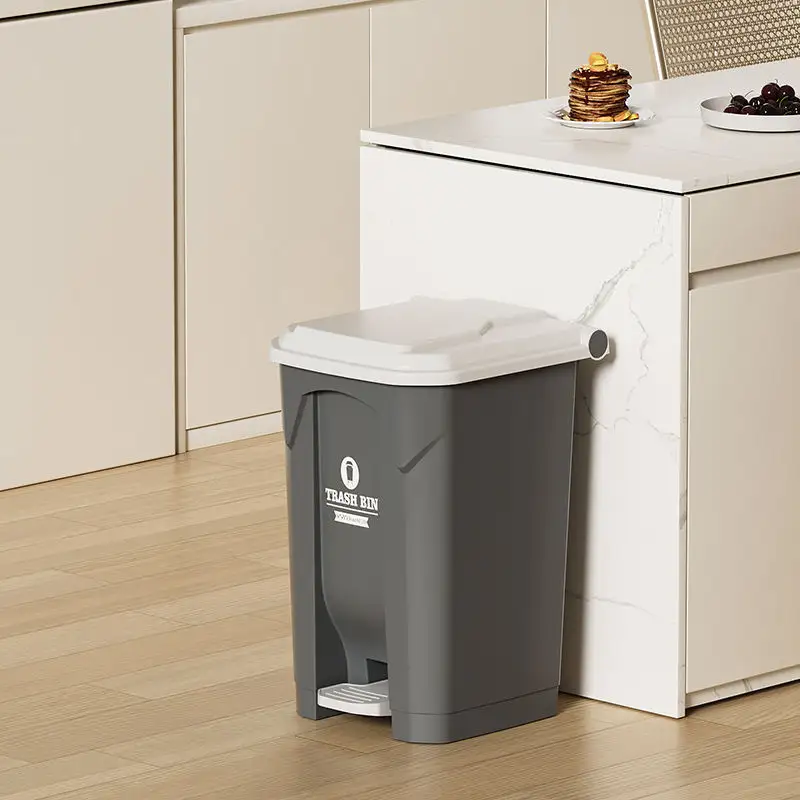
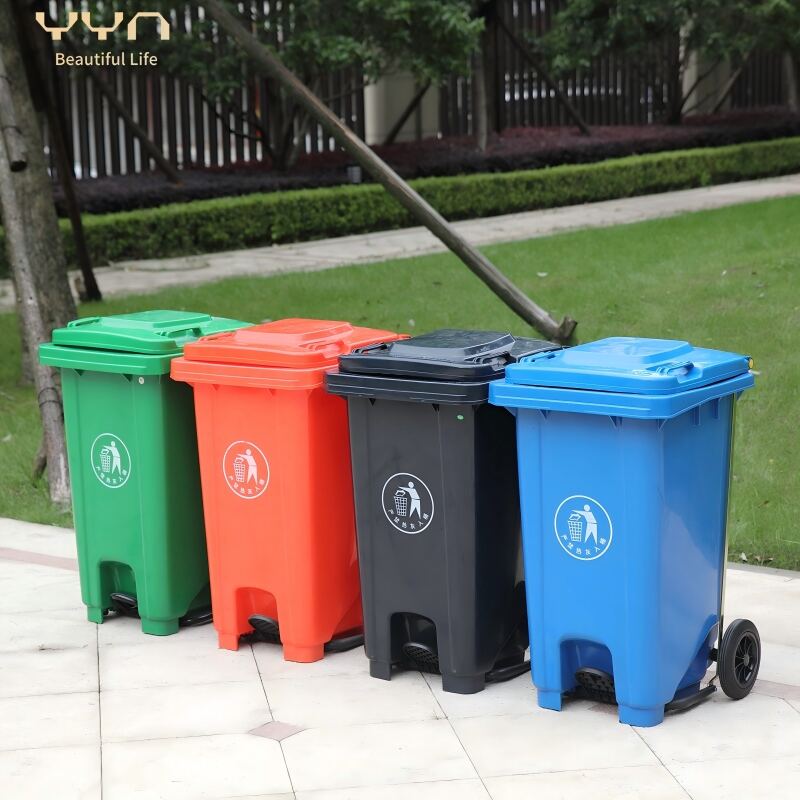
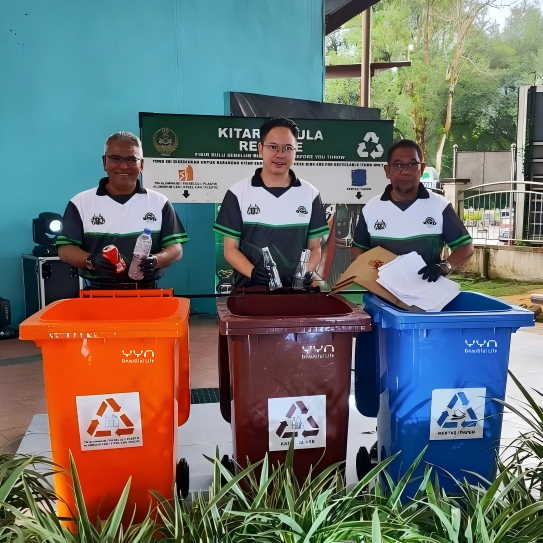
The smart sorting bin represents a revolutionary advancement in waste management technology, combining artificial intelligence with automated sorting capabilities to transform how households and businesses handle their recyclables and waste. This innovative device uses sophisticated sensors, image recognition systems, and machine learning algorithms to automatically identify, categorize, and separate different types of waste materials without requiring manual intervention. At its core, the smart sorting bin functions as an intelligent waste management assistant that can distinguish between plastics, metals, paper, glass, organic waste, and general refuse with remarkable accuracy. The technological features embedded within this system include high-resolution cameras that capture images of disposed items, AI-powered processors that analyze material composition in real-time, and mechanical sorting mechanisms that direct each item into the appropriate compartment. Many models incorporate touchscreen interfaces that provide users with immediate feedback about their disposal habits, tracking statistics, and environmental impact data. The smart sorting bin connects to mobile applications via WiFi or Bluetooth, enabling users to monitor their waste generation patterns, receive notifications when compartments require emptying, and access educational resources about proper recycling practices. These devices often feature odor control systems, compaction mechanisms to maximize storage capacity, and antimicrobial surfaces that maintain hygiene standards. Applications for this technology span residential settings where families seek to improve their environmental footprint, commercial offices aiming to meet sustainability goals, educational institutions teaching responsible waste management, hospitality venues managing high-volume waste streams, and public spaces requiring efficient sanitation solutions. The integration of smart sorting bin technology into daily waste disposal routines represents a significant step toward achieving circular economy objectives and reducing contamination rates in recycling streams.

New Product Recommendations

Adopting a smart sorting bin delivers numerous practical benefits that directly impact your daily life and contribute to broader environmental goals. First and foremost, this technology eliminates the guesswork from recycling. You no longer need to memorize complex sorting rules or wonder whether an item belongs in the recycling bin or trash. Simply dispose of your waste, and the system handles the categorization automatically, ensuring materials end up in the correct compartment every time. This accuracy significantly reduces contamination in recycling streams, which means more materials actually get recycled instead of being rejected at processing facilities due to improper sorting. For busy households and workplaces, the time-saving aspect proves invaluable. Instead of manually separating waste into multiple bins, you use one convenient access point while the smart sorting bin performs the sorting work behind the scenes. This streamlined approach makes sustainable waste management effortless and more likely to become a consistent habit. The educational component offers long-term value, especially for families with children. The instant feedback and tracking features help users understand their consumption patterns and waste generation, fostering awareness that leads to more mindful purchasing decisions and reduced overall waste production. Many users report that seeing their waste statistics displayed on the companion app motivates them to minimize single-use items and choose more sustainable alternatives. From a financial perspective, proper sorting maximizes the value of recyclable materials and can reduce waste management costs over time. Municipalities often charge less for recycling collection than general waste disposal, and businesses may generate revenue from properly sorted recyclable materials. The smart sorting bin also addresses common hygiene concerns associated with waste management. Automated lids reduce direct contact with bins, minimizing the spread of germs and bacteria. Built-in odor control systems keep spaces fresh, while sealed compartments prevent pests from accessing waste materials. The space efficiency of having multiple sorting categories within a single footprint appeals to those with limited floor space. Instead of maintaining separate bins for each waste category, you have one sleek unit that handles all sorting needs. For environmentally conscious consumers and organizations, the smart sorting bin provides tangible evidence of sustainability commitments. The detailed reporting features generate data that can be included in environmental reports, corporate sustainability initiatives, or personal carbon footprint tracking. This technology transforms waste management from a mundane chore into an opportunity for positive environmental impact, making it easier than ever to participate in recycling programs effectively and contribute to resource conservation efforts.

Practical Tips

Abei Launches New HDPE Trash Bins: More Durable for Outdoor Use

22

Jan

Abei Launches New HDPE Trash Bins: More Durable for Outdoor Use

View More
Abei Partners with Southeast Asian Sanitation Company: Overseas Market Growth

22

Jan

Abei Partners with Southeast Asian Sanitation Company: Overseas Market Growth

View More
Abei’s Taobao Store Reaches 5,000 Followers: C-end Market Expansion

22

Jan

Abei’s Taobao Store Reaches 5,000 Followers: C-end Market Expansion

View More

Get a Free Quote

Our representative will contact you soon.
Email
Mobile/WhatsApp
Name
Company Name
Attachment
Please upload at least an attachment
Up to 3 files, each no larger than 30MB. Supported formats: jpg, jpeg, png, pdf, doc, docx, xls, xlsx, csv, txt, stp, step, igs, x_t, dxf, prt, sldprt, sat, rar, zip.
Message
0/1000

smart sorting bin

Advanced AI Recognition Technology That Eliminates Sorting Errors

Advanced AI Recognition Technology That Eliminates Sorting Errors

The cornerstone of the smart sorting bin lies in its sophisticated artificial intelligence recognition system, which represents a quantum leap forward from traditional waste management methods. This technology employs multiple layers of identification processes to ensure unprecedented accuracy in waste categorization. High-definition optical sensors capture detailed images of each item as it enters the bin, while infrared and spectroscopic sensors analyze material composition beyond what the human eye can detect. The AI algorithms powering the smart sorting bin have been trained on millions of images representing thousands of product types, packaging materials, and waste items. This extensive training enables the system to recognize not just obvious categories like aluminum cans or plastic bottles, but also complex items such as multi-material packaging, contaminated recyclables, and specialty waste that often confuses consumers. The machine learning component means the smart sorting bin continuously improves its accuracy over time, adapting to new product designs and packaging innovations without requiring manual updates. When the system encounters an unfamiliar item, it references cloud-based databases containing the latest product information and disposal guidelines, ensuring recommendations remain current with evolving recycling standards. This intelligent recognition capability addresses one of the most significant challenges in recycling programs: contamination caused by well-intentioned but incorrect sorting. Studies indicate that contamination rates in traditional recycling can exceed twenty percent, rendering entire batches unsuitable for processing. The smart sorting bin reduces this contamination to negligible levels, protecting the integrity of recyclable material streams and increasing the overall recycling rate. For users, this means genuine peace of mind knowing their efforts to recycle actually result in materials being processed and reused rather than sent to landfills due to sorting errors. The technology also handles edge cases with remarkable intelligence, such as distinguishing between compostable bioplastics and conventional plastics that appear identical but require completely different disposal methods. This level of discrimination proves impossible for most people without chemical analysis equipment. Furthermore, the smart sorting bin provides instant educational feedback, displaying information about why each item was sorted into a particular category. This feature transforms every disposal action into a learning opportunity, gradually building users' understanding of material types and proper waste management practices. Over time, this knowledge empowers people to make better purchasing decisions, favoring products with simpler, more recyclable packaging.
Comprehensive Tracking and Analytics That Drive Behavioral Change

Comprehensive Tracking and Analytics That Drive Behavioral Change

Beyond simply sorting waste, the smart sorting bin functions as a powerful behavioral change tool through its comprehensive tracking and analytics capabilities. This feature transforms invisible daily habits into visible data, creating awareness that naturally motivates more sustainable choices. The system meticulously records every item disposed, categorizing data by material type, weight, volume, and disposal frequency. Users access this information through intuitive dashboards on mobile applications or web interfaces, where colorful graphs and charts illustrate waste generation patterns over time. These visualizations reveal insights that would otherwise remain hidden, such as which days of the week generate the most waste, what percentage of household refuse consists of recyclable materials, and how disposal habits change seasonally. The smart sorting bin calculates environmental impact metrics, translating raw waste data into meaningful indicators like carbon dioxide emissions saved through recycling, gallons of water conserved, and kilowatt-hours of energy preserved. Seeing these tangible environmental benefits provides powerful positive reinforcement, validating the importance of proper waste sorting and encouraging continued engagement. Many systems gamify the experience by setting reduction goals, awarding achievement badges for sustainability milestones, and enabling friendly competition among family members or office departments. This playful approach to waste management proves particularly effective for engaging younger users and creating household-wide participation in environmental initiatives. The analytics also identify opportunities for improvement, such as highlighting categories where recyclable materials are frequently contaminated or pointing out reusable alternatives for commonly disposed items. Personalized recommendations help users progressively reduce their environmental footprint without feeling overwhelmed by drastic lifestyle changes. For businesses and institutions, the tracking capabilities of the smart sorting bin deliver valuable operational insights. Facility managers can identify waste reduction opportunities, optimize collection schedules based on actual fill levels rather than fixed timelines, and generate detailed reports for sustainability audits or environmental certifications. The data supports evidence-based decision-making about waste management contracts, recycling program investments, and sustainability policy development. Schools using smart sorting bin technology can incorporate waste data into educational curricula, teaching students about environmental science through real-world examples from their own cafeterias and classrooms. The historical tracking feature enables users to measure progress over months and years, providing concrete evidence of behavioral changes and their cumulative environmental impact. This long-term perspective helps maintain motivation even when day-to-day improvements seem incremental.
Seamless Integration With Smart Home Ecosystems and Municipal Systems

Seamless Integration With Smart Home Ecosystems and Municipal Systems

The smart sorting bin distinguishes itself through sophisticated connectivity features that enable seamless integration with broader smart home ecosystems and municipal waste management infrastructure. This interconnectedness amplifies the device's value far beyond standalone functionality, creating a networked approach to waste management that benefits individuals, communities, and environmental outcomes. At the household level, the smart sorting bin communicates with other smart home devices through standard protocols like WiFi, Bluetooth, Zigbee, and Z-Wave. This compatibility allows the bin to participate in automated home routines and scenarios. For example, when compartments reach capacity, the system can automatically add bin emptying to your household task list, send notifications to family members, or even trigger reminder announcements through smart speakers. Integration with voice assistants enables hands-free operation, allowing users to ask questions about proper disposal methods or request waste statistics without touching any interfaces. The smart sorting bin can also coordinate with smart home energy management systems, scheduling compaction cycles during off-peak electricity hours to minimize energy costs and grid impact. Some advanced models feature integration with smart kitchen appliances, receiving information about food expiration dates to provide timely composting reminders and reduce food waste. The connection extends to grocery and shopping applications, where disposal data informs future purchasing suggestions, helping users choose products with less wasteful packaging or better recyclability profiles. Beyond individual homes, the smart sorting bin connects to municipal waste management systems, creating unprecedented efficiency in collection operations. The device transmits fill-level data to waste management authorities, enabling dynamic routing that sends collection trucks only when bins actually require servicing rather than following fixed schedules. This optimization reduces fuel consumption, vehicle emissions, and operational costs while ensuring bins never overflow. Municipalities gain aggregate data about waste generation patterns across neighborhoods, informing policy decisions about recycling program design, collection frequency adjustments, and public education priorities. The smart sorting bin can receive updates about local recycling guidelines, automatically adjusting its sorting criteria when municipalities change accepted materials or processing capabilities. This dynamic updating ensures users always follow current local requirements without needing to research changes themselves. Integration with community platforms enables neighborhood-level sustainability initiatives, where residents can compare waste reduction achievements, share tips, and collectively work toward environmental goals. Some systems facilitate material exchange programs, notifying users when neighbors have items suitable for reuse rather than disposal. The smart sorting bin also supports circular economy initiatives by identifying high-value materials and connecting users with specialized recycling programs for electronics, batteries, textiles, and other items requiring special handling. This comprehensive connectivity transforms the smart sorting bin from an isolated appliance into a node within an intelligent waste management network, multiplying its environmental impact and user value through collaborative data sharing and coordinated action.
Get a Free Quote

Our representative will contact you soon.
Email
Mobile/WhatsApp
Name
Company Name
Attachment
Please upload at least an attachment
Up to 3 files, each no larger than 30MB. Supported formats: jpg, jpeg, png, pdf, doc, docx, xls, xlsx, csv, txt, stp, step, igs, x_t, dxf, prt, sldprt, sat, rar, zip.
Message
0/1000